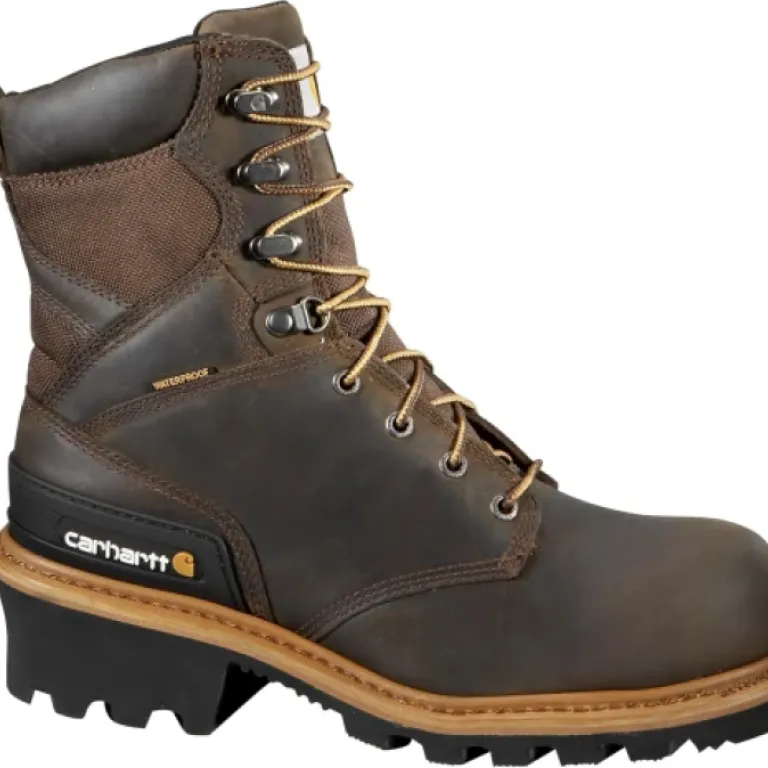

Summary
Editor's rating
Value: worth it if you actually use what they’re built for
Design: real logger profile, not fashion loggers
Comfort: solid once broken in, but not a sneaker
Materials: thick leather, solid welt, a few compromises
Durability: built to last, judging by the abuse and other users
Performance on the job: where they shine and where they don’t
What you actually get with these Carhartt loggers
Pros
- Thick, durable leather with Goodyear welt that feels built to last
- Very good grip and stability on ladders, mud, and uneven terrain
- Waterproof, composite toe, and EH rated – covers most safety needs
Cons
- Noticeable break-in period and fit runs tight for some feet
- Heavier and overkill for mostly indoor or flat-surface work

Specifications
View full product page →| Brand | Carhartt |
Tall, tough boots for real job sites
I’ve been wearing these Carhartt 8” Waterproof Leather Logger Boots (composite toe, crazy horse brown) on and off for a few weeks on mixed jobs – some ladder work, some mud, some concrete, and a bit of light climbing. I’m not sponsored, I bought them because I wanted a logger-style boot with real tread and proper ankle support, not another soft hiker that dies in six months. I usually run in Red Wings or Wolverines, so that’s my frame of reference.
First impression: these things feel stout right out of the box. The leather is thick, the heel is tall, and the sole looks like it wants to bite into mud and wet ground. They’re not some casual "work-inspired" boot – they feel like actual PPE. You notice the height and the heel as soon as you lace them up, especially if you’re coming from flat, sneaker-style safety shoes.
They did need a real break-in for me. After the first full 10‑hour day on concrete and gravel, my arches and shins knew I’d switched to loggers. Nothing brutal, but it’s not a boot you forget you’re wearing. Once I got a week in, they started to mold to my foot and felt much more natural, especially on uneven terrain and around job sites with mud and wet grass.
So far, I’d call them a serious work boot for guys who are outside a lot. If you just walk flat warehouse floors, they might be overkill. If you’re dealing with ladders, wet ground, and random debris, the design starts to make sense. They’re not perfect, and there are a couple of things that annoyed me, but overall they feel like they’re built for abuse, not for looks.
Value: worth it if you actually use what they’re built for
In terms of value, these sit in that mid-to-upper range for work boots – not bargain-bin cheap, but below some of the big-name premium loggers. For what you get – waterproofing, composite toe, EH rating, Goodyear welt, and a serious outsole – the price feels fair. You’re paying for a real work boot, not a casual boot with a safety toe slapped on. If they last you 1.5–2 years of regular use like that one reviewer reported, the cost per month is actually pretty decent.
Where the value starts to feel a bit mixed is if you’re not fully using what they offer. If you work mostly indoors on flat floors, you’re basically paying extra for the logger heel, aggressive tread, and tall shaft that you don’t really need. In that case, a cheaper, lighter safety boot might make more sense and feel more comfortable day to day. These shine when you’re outdoors, in mud, on ladders, or in rough terrain. If that describes your work, then the price feels justified.
Compared to brands like Red Wing or some high-end lineman boots, you’re saving money but still getting a pretty robust package. Versus cheaper brands, you’re paying more up front but likely getting longer life and better support. That tradeoff works if you’re tired of replacing $100 boots every 6–8 months. Just be ready to spend a bit extra on good insoles and maybe go up half a size if you’re in between; those small tweaks make the overall package feel like better value.
So, I’d call the value good but targeted. For outdoor trades, ranch work, logging-style tasks, and mixed terrain, they’re worth the money. For office or warehouse-heavy jobs, they’re overbuilt, and your money might be better spent on something lighter and more comfortable out of the box.
Design: real logger profile, not fashion loggers
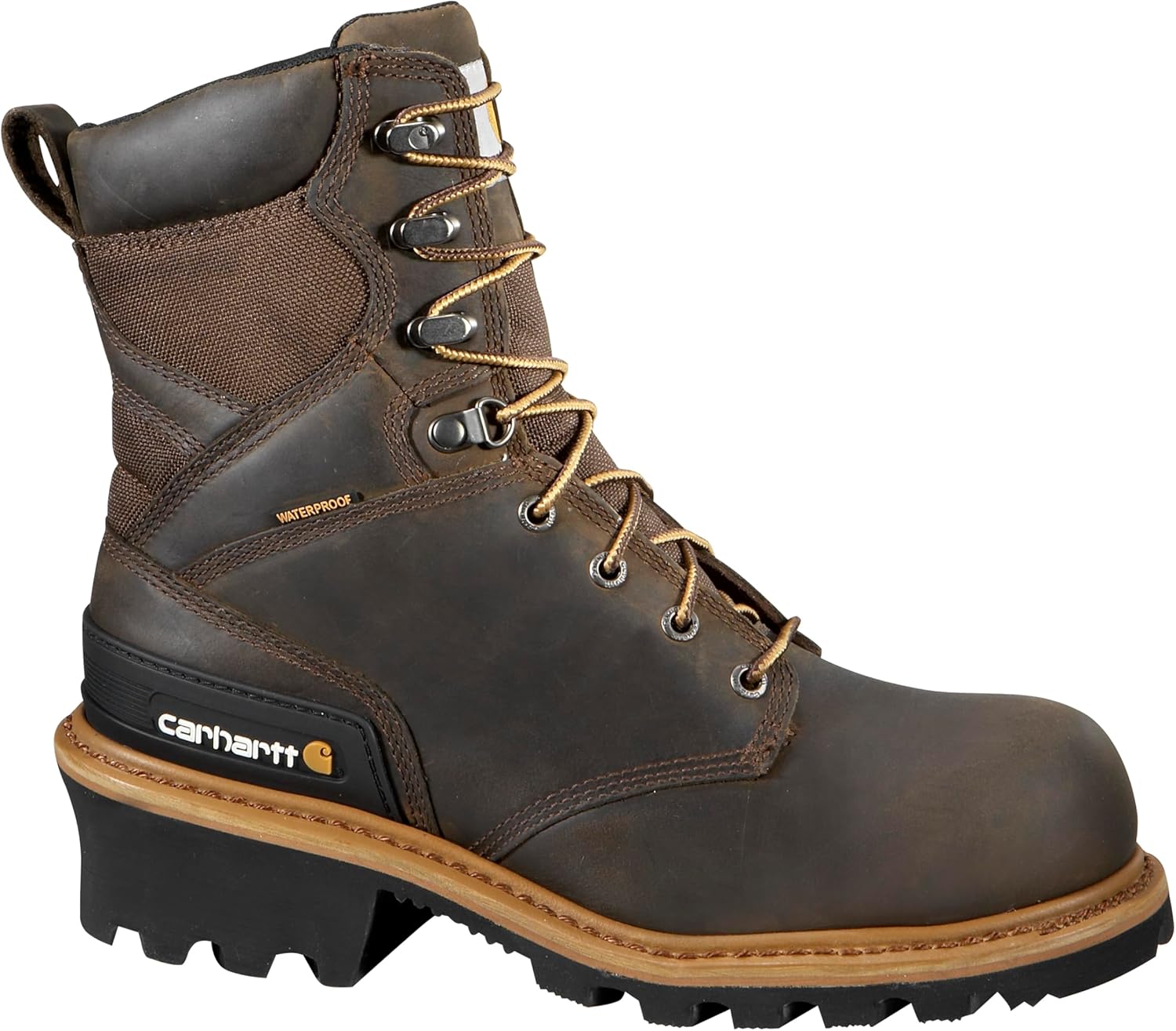
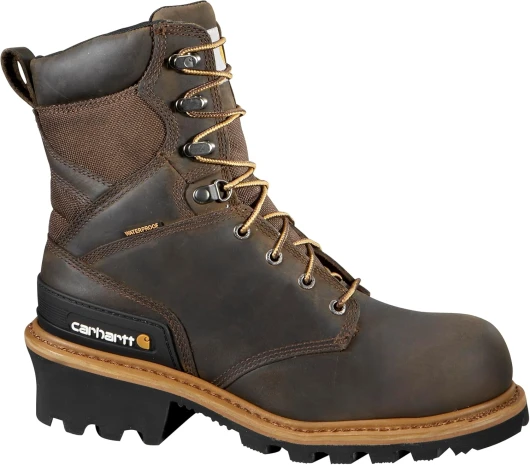
Design-wise, these are classic logger boots: tall 8" shaft, raised heel, and a chunky lug sole. The color is that crazy horse brown that looks a bit worn-in even when new, which I like because it hides scuffs pretty quickly. After a week of scraping them against ladder rungs and kicking around gravel, they looked better, not worse. This is not a clean, polished boot – it’s meant to look like it lives on a job site.
The lacing system goes up high, and you get decent hardware – speed hooks up top and regular eyelets down low. I didn’t have any issues with hooks bending or feeling flimsy. The high lace-up design gives a lot of ankle lock, which is good for stability but also means you spend a bit longer getting them on and off. If you like quick-on, quick-off boots, this will annoy you. For me, the tradeoff in support is worth it when I’m on uneven ground or going up and down ladders all day.
The toe profile is a bit bulky, which is pretty standard for composite toe loggers. It’s not the sleekest look, but you’re not buying these to look sharp in an office. The tread pattern is aggressive, with a ladder-lock style center that actually does help you feel more planted on rungs and edges. In mud and wet grass, the lugs shed muck reasonably well; I didn’t end up with a giant mud brick stuck to the bottom like with some flatter soles I’ve worn.
From a pure design point of view, they lean more towards function over style. If you want a boot you can wear from a job site to a nice bar, this probably isn’t it. If you want something that clearly looks like work gear, with a tall profile and serious sole, this fits the bill. The only design gripe I have is they feel a bit blocky around the midfoot, so if you have narrow feet, you might find them a bit boat-like unless you really crank the laces.
Comfort: solid once broken in, but not a sneaker
Comfort-wise, you need to be honest with yourself: this is a tall, heeled, waterproof safety boot. It’s never going to feel like a running shoe. Out of the box, they were stiff and a bit unforgiving. The first couple of days, my arches and the front of my shins felt the change from flat-soled boots to this raised-heel logger style. I also felt some pressure across the top of my foot until the leather started to flex more.
After about a week of regular use, they started to settle in. The footbed is decent – nothing special, but it gets the job done. There’s some arch support built in, and the raised heel naturally gives you more support under the arch, which is one of the reasons people like logger boots. I ended up swapping in my own insoles to get a bit more cushion, and that made a noticeable difference on long days standing on concrete. With aftermarket insoles, I was honestly fine doing 10–12 hour shifts without thinking too much about my feet.
One thing to flag is sizing and width. I normally wear 8.5M in safety boots, and these felt tighter than usual in that size, especially across the forefoot. Another reviewer said the same – their usual 8.5M felt like it just wouldn’t break in enough. If you’re on the edge between sizes or have a wider foot, I’d strongly consider going up half a size or looking for a wide version. Once I adjusted for that and laced them properly, they felt secure without hotspots, but there is a learning curve in lacing them so you get ankle lock without cutting off circulation.
Overall, I’d call the comfort good once broken in, with caveats. If you’ve worn loggers before, you’ll adapt quickly and probably like the support. If you’re coming from soft, flat work shoes, there’s going to be an adjustment period. They’re not torture devices, but they’re not cushy out of the box either. Put in the time to break them in and maybe invest in better insoles, and they become a solid, all-day boot.
Materials: thick leather, solid welt, a few compromises
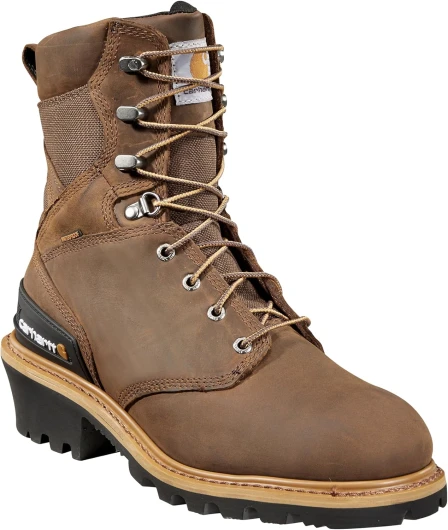
The materials are where these boots feel like proper work gear. The leather is thick and fairly stiff out of the box. It’s not that soft, oily leather you get on some premium brands, but it feels like it will hold up to scraping, bending, and getting soaked and dried repeatedly. After a couple of weeks, it started to crease nicely instead of cracking or feeling plasticky, which is what I was watching for. One Amazon reviewer nailed it: anyone calling this leather weak is probably expecting sneaker comfort, not work-boot leather.
The sole is rubber with a Goodyear welt. That’s a plus for durability and the option to resole down the line, at least in theory. The welt looked clean on my pair – stitching was straight, no weird gaps, and nothing coming loose. I’ve had cheaper boots where the welt stitching starts to fray within a month; so far these haven’t shown that. The rubber itself feels firm, not squishy, which helps with stability and wear life but does mean they’re not super cushy underfoot without adding an insole.
Inside, you get Carhartt’s Storm Defender waterproof lining. In practice, I stood in wet grass, shallow puddles, and worked in steady drizzle, and my feet stayed dry. The tradeoff with any waterproof membrane is breathability. These breathe okay but not great. On warm, humid days, my socks were definitely damp by the end of a shift, but not swamp-level. I’d call it acceptable for a waterproof logger, not comfortable like a breathable hiker.
The composite toe and steel shank are standard safety-boot materials. The toe box has enough space that my toes didn’t feel crammed, but you do notice the rigid cap if you’re used to soft toes. The shank is there, but if you climb a lot on gaffs or spend half your day on poles, you might feel, like one reviewer did, that it’s not as supportive as some specialized lineman boots. Overall, the materials feel work-focused and durable, with a small hit on breathability and finesse compared to higher-end brands.
Durability: built to last, judging by the abuse and other users
Durability is where these boots look like they earn their keep. Even in a short test window, you can tell when something feels cheap, and these don’t. The leather takes scuffs well, the stitching has stayed tight, and the sole shows minimal wear after regular use on concrete, gravel, and dirt. No separation at the welt, no loose threads, no eyelets pulling out. They feel like they can handle a few seasons of hard use, not just a couple of months.
The Amazon reviews back that up. One guy said he’s a Stationary Engineer and has burned through boots from Dickies to Red Wings in about eight months, but his pair of these Carhartts lasted roughly two years before the tread and waterproofing started to go. That’s a pretty strong sign they’re not using junk materials. Goodyear welt construction also helps here – even if you don’t actually resole them, that method usually means the upper and sole are better anchored together than on cheap cemented boots.
The only slight concern on durability is the shank for heavy climbing. One reviewer who climbs on gaffs felt the shank support wasn’t on par with some other brands they use, and they didn’t want to risk waiting to see if the boot would "conform." I get that. If 50% of your job is on poles, you might want a more specialized lineman boot with a beefier shank and extra midfoot reinforcement. For mixed use – ground work, ladders, occasional climbing – these feel strong enough.
Overall, I’d rate durability as one of the main reasons to buy these. They’re not the lightest or softest boots, but they give the impression they’ll outlast a lot of cheaper safety boots. If you’re tired of boots that blow out at the seams or flatten out in six months, these are a step up, especially given the price point versus some premium brands.
Performance on the job: where they shine and where they don’t
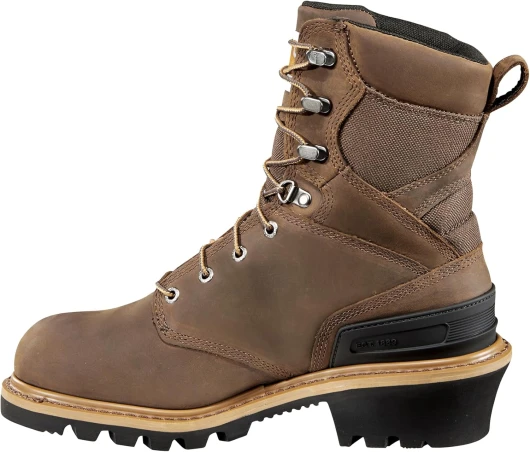
On actual job sites, these boots feel like they were built for rough ground and bad weather. The grip is one of the strong points. On wet ladders, muddy slopes, and slick plywood, the outsole held up well. The ladder-lock tread pattern isn’t just marketing – you feel the heel and center lugs bite into rungs more than with a flatter sole. In mud and loose gravel, I felt stable, and the lugs didn’t pack up too badly. For outdoor or mixed indoor/outdoor work, they handle footing very well.
Waterproofing has been solid for me so far. I’ve walked through puddles, wet grass, and worked in light to steady rain, and my socks stayed dry. The leather and Storm Defender membrane seem to do their job. Just keep in mind what one long-term user mentioned: after enough months or years, any waterproofing will start to fade, and you’ll need to re-treat the leather. That’s normal. Out of the box and in the first stretch of use, though, they are genuinely waterproof in day-to-day conditions.
Support is another strong point, especially for arches and ankles. The steel shank and raised heel give good underfoot rigidity when you’re on uneven ground or standing on edges. For ladder work, that’s a plus. However, if you’re a dedicated climber on gaffs, one reviewer felt the shank wasn’t quite as supportive as some other brands. I can see that – these feel like a good general-purpose logger, not a specialized lineman boot that’s built like a plank under the arch.
Where they’re less ideal is long, flat, indoor days. On smooth concrete in a warehouse, they feel like overkill and a bit heavy. They’re not crazy heavy, but you feel the weight more than with lighter composite-toe hikers. If your job is 90% flat walking with occasional outdoor work, you might be happier with something lower and lighter. For mixed environments with dirt, mud, ladders, and random debris, these boots make more sense and their performance stands out.
What you actually get with these Carhartt loggers
On paper, this boot checks a lot of boxes: 8" shaft height, waterproof leather, composite safety toe, EH rated, Goodyear welt, and a pretty aggressive slip-resistant outsole. They’re clearly aimed at linemen, loggers, ranchers, or anyone who’s on ladders and uneven ground all day. The heel is raised like a classic logger, which helps with climbing and digging into rungs. If you’re used to flat soles, that heel is going to feel different right away.
The upper is listed as 100% leather, but in hand it’s a mix of thick leather and some reinforced fabric in a few spots. The leather itself feels thick and stiff at first, not the soft, broken-in feel you get from some comfort-focused work boots. That matches what one of the Amazon reviewers said – people calling the leather flimsy are full of it. It’s not flimsy, it’s just not a fancy, dress-type finish. It’s work leather that wants to be beaten up.
Safety-wise, these are composite toe, not steel, and they’re EH rated, so they’re appropriate for most construction and industrial sites that want safety toes and electrical hazard protection. The composite toe is a bit bulkier than some steel toes I’ve had, but it’s not clown-shoe level. I was able to kneel and crouch without the toe cap digging into my foot, which is a big deal for me. There’s also a steel shank in there, but I’ll be honest: if you do a lot of climbing on gaffs, the support might feel a bit lighter than some heavy-duty lineman boots.
Overall, in terms of features and target use, Carhartt positioned these as serious outdoor work boots, not casual weekend yardwork shoes. If you just read the spec sheet, it sounds pretty solid: waterproof, composite toe, Goodyear welt, grippy sole. In practice, they largely deliver on that, but with some caveats around fit, weight, and how stiff they are at the beginning.
Pros
- Thick, durable leather with Goodyear welt that feels built to last
- Very good grip and stability on ladders, mud, and uneven terrain
- Waterproof, composite toe, and EH rated – covers most safety needs
Cons
- Noticeable break-in period and fit runs tight for some feet
- Heavier and overkill for mostly indoor or flat-surface work
Conclusion
Editor's rating
Overall, the Carhartt 8” Waterproof Leather Logger Boot is a solid, no-nonsense work boot for people who actually deal with bad ground and bad weather. The leather is thick, the welt and stitching feel dependable, the outsole grips well on ladders and in mud, and the waterproofing does what it’s supposed to do. Once broken in, the support for arches and ankles is good, and the composite toe plus EH rating covers most job-site safety requirements.
It’s not a perfect boot. The break-in is real, the fit runs a bit tight in standard width, and the shank might feel light if you spend a lot of time on gaffs or poles. They’re also heavier and more boot than you need if you mostly walk flat concrete indoors. But for linemen, loggers, ranchers, and construction workers who are outside a lot, they offer durability and stability that cheaper boots usually don’t match, especially over the long term.
If you want a tough, tall boot that can take abuse and you don’t mind a break-in period and possibly adding your own insoles, these are worth a serious look. If you want something light, flexible, and mostly for indoor use, I’d skip these and go with a lower, sneaker-style safety boot instead.