
Summary
Editor's rating
Value: not cheap, but fair if you really deal with serious cold
Design: bulky but thought-through for cold and muck
Comfort: warm and cushy, but heavy and hot if you move a lot
Materials: thick neoprene, solid rubber, and warm lining
Durability: built to take abuse, at least in the short to mid term
Performance in the field: warmth, grip, and waterproofing
What you actually get out of the box
Pros
- Keeps feet warm for hours in real cold (single digits Fahrenheit) with just one decent sock
- Fully waterproof rubber/neoprene build that handles snow, slush, and standing water
- Durable materials and solid construction that feel ready for several hard seasons
Cons
- Bulky and heavy, not ideal for long walks or very active use
- Can get too warm and sweaty if you’re moving a lot in milder winter temps
- Fit is on the roomy side and not adjustable, which can feel loose for narrow feet

Specifications
View full product page →| Brand | MUCK |
Cold feet season: putting the Arctic Pro to the test
I bought the Muck Boot Men's Arctic Pro Hunting Boot because I was tired of coming home with frozen toes after long sits in the stand and early morning chores. The specs looked serious on paper: -60°F rating, 8mm neoprene, fleece lining, fully waterproof. I’m usually pretty skeptical of those temperature ratings, so I wanted to see what it actually feels like in real winter, not just in a catalog description. I used these boots for hunting, walking the dog, and doing barn work over a few cold weeks.
Most of my testing was in temps between about 5°F and 25°F with some wind, plus a couple of sloppy, wet days right around freezing. I wore them both sitting still for a few hours and moving around. I also compared them to my older cheaper rubber boots and a pair of insulated leather boots I normally use. I’m not gentle with my gear, so they got dragged through mud, snow, and manure, and kicked off with the other boot like I always do.
Overall, my first impression was that these boots are built for actual cold, not just for walking from the car to the store. They feel bulky and a bit overkill if you’re just doing quick errands, but that’s not really what they’re made for. They’re more like serious winter gear than casual footwear. If you’re used to light hiking shoes, the Arctic Pro will feel like a tank on your feet at first.
They’re not perfect, and there are a couple of things that annoyed me, especially around sizing and how warm they get once you start moving a lot. But if you’re mainly standing or sitting in the cold, they do what they promise: they keep your feet dry and warm for a long time. In the next sections I’ll break down how they did on design, materials, comfort, performance, durability, and value, without sugarcoating anything.
Value: not cheap, but fair if you really deal with serious cold
Price-wise, the Muck Arctic Pro is definitely not a budget boot. You’re paying a decent chunk compared to generic rubber boots or basic insulated options. So the question is: are you getting enough for that extra money? In my experience, if you actually spend hours standing or moving slowly in cold, wet conditions, then yes, it makes sense. The warmth alone is a big step up from cheaper boots I’ve used, and the waterproofing plus build quality feel more reliable.
If you only need winter boots for shoveling the driveway for 20 minutes or walking from the car to the office, this is overkill and probably not good value. You could get something cheaper and be perfectly fine. But if you’re hunting, ice fishing, working outside on a farm, or doing anything where your feet are in snow or slush for hours, the Arctic Pro starts to look like a good investment. Cold feet can ruin a day fast, and these boots do reduce that problem a lot.
Compared to other premium cold-weather boots I’ve tried, these sit in a reasonable spot: more expensive than basic rubber with a bit of insulation, but usually cheaper than some high-end leather mountaineering-style winter boots. And those leather boots often don’t like standing in water or deep muck. Here, you’re clearly paying for serious insulation, waterproof build, and a brand that has a decent reputation. The Amazon rating around 4.7/5 lines up with my feeling: not perfect, but generally solid and worth it for the right user.
So in terms of value for money, I’d call it good but conditional. If you’re in real winter a lot and actually use the features (warmth, waterproofing, durability), the price makes sense. If you just want something for light winter use, you’re probably wasting money and weight on this model. It all comes down to how often you’re standing in the cold thinking, "My feet are freezing." If that’s you on a regular basis, the cost is easier to justify.
Design: bulky but thought-through for cold and muck
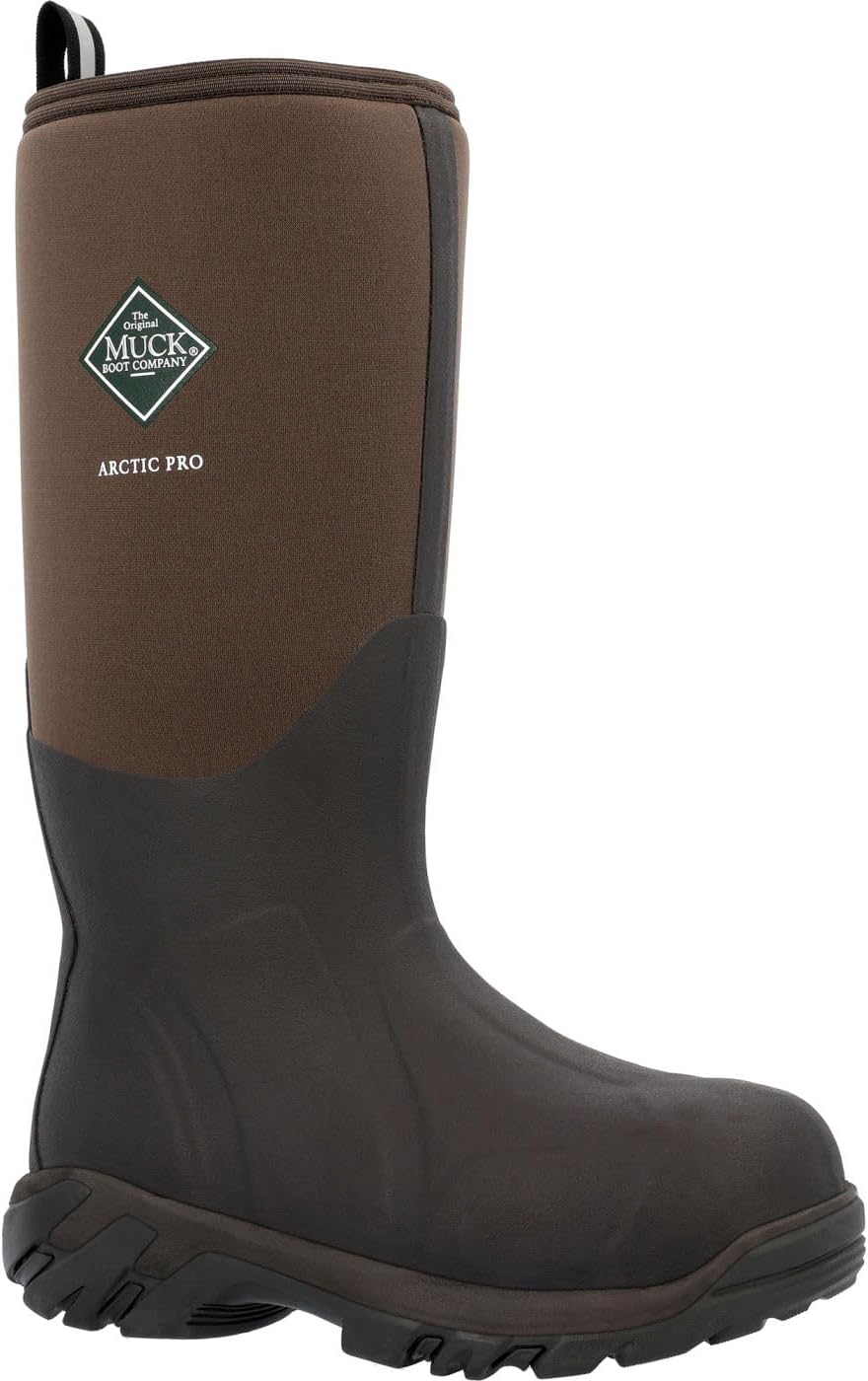
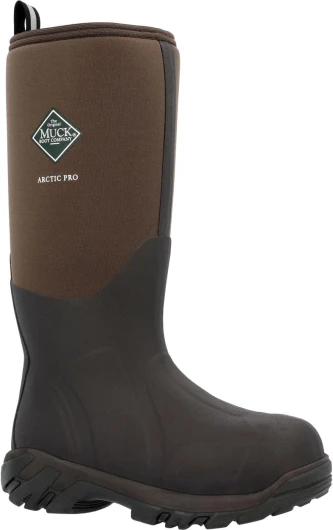
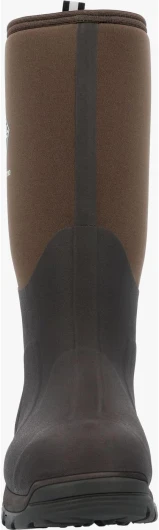
The design is clearly focused on keeping warmth and water out, not on looking slim. You get a tall shaft that comes up well past mid-calf on me (I’m about average height). That extra height matters in deeper snow or mud – I stepped into slushy snow almost to the top of the boot and nothing got in. The top is just neoprene with no drawstring, so if you’re in really deep snow or water higher than the shaft, it will obviously flood, but for normal use it’s fine.
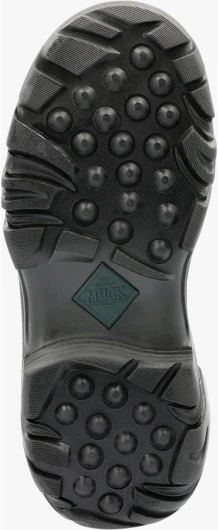
The Bob-tracker molded outsole has a fairly aggressive tread pattern. In practice, that meant good grip on packed snow and mud. I walked across frozen ruts, wet grass, and icy gravel. Are they magic on pure ice? No, they’re still rubber soles, so you can slip if you’re careless, but they’re better than most plain rubber boots I’ve worn. The heel has enough shape that it locks into ladder rungs or tractor steps decently, which is handy if you work around equipment.
One thing I noticed: the boots are quite wide. That’s good if you wear thick socks or have wider feet, but if your feet are narrow, they might feel a bit sloppy. The toe box has plenty of room to wiggle your toes, which helps with warmth, but it also adds to the overall chunky feel. Walking long distances in them isn’t super natural; they feel more like a snow boot than a hiking boot. For quick walks and standing around, they’re fine. For 5+ mile hikes, I’d pick something else.
From a design point of view, the lack of laces is both a plus and a minus. Plus because it’s simple, nothing to break, and easy to clean. Minus because you can’t customize the fit around your calf or ankle. If your calves are slim, there will be a gap at the top, which lets a bit of cold air in when the wind is strong. Overall, I’d call the design practical and work-focused, with some trade-offs in precision fit and lightness.
Comfort: warm and cushy, but heavy and hot if you move a lot
On the comfort side, the main thing is warmth. In temps between 5°F and 20°F, wearing one medium-weight wool sock, my feet stayed warm while sitting still for 2–3 hours in a tree stand. That’s usually where my toes start to go numb in other boots, but with the Arctic Pro, they were fine. Not toasty like in front of a fireplace, but clearly warmer than what I’m used to. Walking the dog for 45 minutes at around 10°F was also comfortable, no cold spots or numbness.
However, once you start moving more seriously, you run into the opposite issue: they can get too warm and your feet start to sweat. I did some heavier work – hauling wood and walking up and down a small hill for an hour at around 25°F – and my socks were noticeably damp afterwards. Not soaked, but enough that if I had stayed outside much longer while standing still, that moisture would have started to feel chilly. So for high-activity use, these might be overkill unless it’s really, really cold.
As for fit and feel, the boots are padded and soft inside. No hot spots on my heel or ankle, and no rubbing even on the first day. The flex at the ankle is decent for a boot this bulky. You can crouch and kneel without feeling like the boot is fighting you. The downside is the weight and bulk. After a couple of miles of walking, you definitely feel like you’re lifting more mass than with a normal hiking boot. It’s not painful, just tiring if you’re not used to it. I wouldn’t choose these for long-distance winter hikes unless it’s extreme cold.
One tip from my experience: pay attention to socks and sizing. If you go too big thinking you’ll add giant socks, you might end up with heel slip and fatigue. If you go too small, you’ll crush your toes and lose insulation. I stuck close to my regular size and used decent wool socks, and that worked well. Overall, comfort is solid for what they’re designed for: standing, slow walking, and working in the cold. They’re not "meh", but they’re also not some miracle cloud on your feet – they’re just good, warm, and a bit clunky.
Materials: thick neoprene, solid rubber, and warm lining
The Arctic Pro uses 8mm neoprene for the bootie, plus a warm fleece lining inside, and a rubber lower section. In hand, the neoprene feels thick and dense, not flimsy. When you bend the shaft, it flexes but doesn’t feel like it’s going to crack or tear anytime soon. The rubber on the lower half is also pretty sturdy – I scraped it on rocks, metal steps, and frozen branches, and so far there are only light scuff marks, no cuts or deep damage.
Inside, the fleece lining runs throughout and feels soft and warm from the first wear. I didn’t need a break-in period for the lining; there were no rough seams or spots rubbing my skin, even when I wore thinner socks one day just to test it. The insole feels basic but not terrible. It’s not some fancy orthotic thing, but it gives enough cushion for daily use. If you have sensitive feet or need more arch support, you’ll probably want to drop in your own insoles. There’s enough space for that, especially if you don’t size down too aggressively.
As for the waterproofing, the combination of rubber and neoprene does what it’s supposed to do. I stood in ankle-deep water and slush for about 20 minutes while cleaning out a drain, and my feet stayed completely dry. The seams didn’t leak, and there were no damp spots afterwards. I also hosed the boots down several times, and water just slides right off. If you work around manure or mud, this is handy: you can rinse them and they’re basically clean again.
One thing to keep in mind: these are 100% synthetic and fabric, so if you prefer natural materials like leather, this isn’t that. On the flip side, synthetic means they handle wet conditions better and dry faster on the outside. After a very wet, muddy day, I left them in the garage overnight and they were dry on the surface by morning. Inside, if you sweat a lot, they can take longer to fully dry out because of the thick insulation, so it helps to pull them off and air them well. Overall, the materials feel tough and well-suited for cold, wet abuse, not delicate at all.
Durability: built to take abuse, at least in the short to mid term
Durability is always hard to judge long-term, but after several weeks of rough use, the Arctic Pro is holding up well. I wore them in mud, snow, on gravel, and around metal edges. I also did what you’re "not supposed" to do and kicked them off using the other boot on the heel. The rubber around the heel and toe has some scuff marks but no cracks or peeling. The neoprene shaft doesn’t show any cuts or tears, even after brushing against branches and scraping on the edge of a trailer.
The outsole lugs still look sharp, with no obvious rounding or chunking off. I stomped around on rocks and frozen dirt, and nothing has broken off yet. The connection between the rubber lower and neoprene upper is still tight with no separation showing. That’s usually a weak point on cheaper boots, and so far this one seems solid. The stitching on the few stitched areas also hasn’t frayed. Overall, it gives the impression of being made to last more than one season, assuming you’re not doing something extreme like constant daily industrial use.
Inside, the fleece lining has compressed a bit in the heel and under the ball of the foot, which is normal. It still feels soft and warm, just a little less fluffy than day one. I didn’t see any loose threads or peeling material inside the boot, which is good. Sometimes cheaper lined boots start shedding fuzz everywhere; this one hasn’t done that yet. The insole is still intact and hasn’t flattened completely, though again, if you’re heavy or on your feet all day, you might want a better aftermarket insole eventually.
If I compare them to standard cheap rubber boots I’ve owned, the Arctic Pro clearly feels more solid and better finished. Those cheaper ones usually crack at the ankle or separate at the sole after a season of abuse. These feel like they’ll comfortably go several seasons if you treat them decently. Of course, if you leave them in direct sun or near a heater all the time, any rubber/neoprene boot will age faster. But based on the early signs, I’d say the durability is pretty good for the price bracket and use case.
Performance in the field: warmth, grip, and waterproofing
In real use, the performance is mostly about staying warm and dry, and on that front the Arctic Pro does its job well. I tested them in snow, slush, and standing water up to just below the ankle. No leaks, no dampness. The waterproof claim held up every time. The neoprene shaft also blocks wind pretty well; I didn’t feel cold air cutting through the boot, even when standing in an open field with a steady breeze around 10°F.
On warmth, I didn’t get anywhere near the claimed -60°F rating, so I can’t say how they behave in that kind of extreme. But in single digits Fahrenheit, sitting still, they performed better than any of my other boots. That’s the key point: if you’re stationary – hunting, ice fishing, or just standing around outside – they keep your feet functional for a long time. With my old rubber boots, my toes would start complaining after 45 minutes. With these, I could push well past two hours before even thinking about cold toes, and even then it was just a mild chill, not pain.
Traction was generally good. On packed snow and mud, the Bob-tracker outsole bites well. I walked across sloped, muddy areas and didn’t feel like I was going to slide out. On pure ice, they’re still just rubber – I had a couple of small slips, but nothing worse than other winter boots. If you’re on glare ice a lot, you’ll still want cleats or something similar. The boots also feel stable side-to-side; I didn’t have any ankle rolls even on uneven frozen ground.
Where performance drops a bit is during long, active sessions. If you’re hiking several miles or doing constant heavy work, the weight and heat buildup become noticeable. My feet got sweaty, and my legs felt more tired than in lighter insulated boots. These are clearly tuned for low to moderate activity in serious cold, not for fast-moving winter sports. If you use them within that range, performance is pretty solid. Push them outside of that, and they feel like too much boot. So I’d say they’re strong for hunters, ice fishers, and people doing chores in the cold, less ideal for winter trail runners or active hikers.
What you actually get out of the box
When you pull the Arctic Pro out of the box, the first thing you notice is the size and bulk. These are not slim boots. They’re tall, thick, and clearly built around insulation first. You’ve got the rubber lower part and the neoprene shaft on top, with a fairly aggressive outsole. They don’t come with any fancy extras – just the boots, some tags, and basic info. No extra insoles or anything like that. Pretty straightforward, which I actually prefer: less fluff, more boot.
The branding is pretty low-key. There’s the Muck Boot logo on the side and some model info, but it’s not screaming for attention. The look is functional: dark colors, rubberized lower, and the neoprene upper that feels like a wetsuit. If you’re after something stylish for the city, these aren’t it. They look like what they are: work/hunting boots meant for cold and wet conditions. For me, that’s fine – I didn’t buy them to look fancy in a café.
On the first try, getting them on is easy thanks to the flexible neoprene shaft. You just slide your foot in and pull. There’s no lacing, no zippers, nothing to adjust. That’s practical when you’re half-asleep at 5 a.m. heading out to the stand. Taking them off is also simple: you can step on the heel with the other boot and pop your foot out. After a couple of days, I was doing that automatically, and the heel area so far hasn’t shown any damage from that habit.
Overall, the presentation is no-nonsense and functional. It feels like money went into the insulation and waterproofing rather than fancy packaging or accessories. If you like gear that feels ready to work right away, you’ll probably appreciate that. If you expect a premium unboxing experience or clever storage bags, you won’t find that here. It’s basically: here are your boots, now go stand in the snow.
Pros
- Keeps feet warm for hours in real cold (single digits Fahrenheit) with just one decent sock
- Fully waterproof rubber/neoprene build that handles snow, slush, and standing water
- Durable materials and solid construction that feel ready for several hard seasons
Cons
- Bulky and heavy, not ideal for long walks or very active use
- Can get too warm and sweaty if you’re moving a lot in milder winter temps
- Fit is on the roomy side and not adjustable, which can feel loose for narrow feet
Conclusion
Editor's rating
The Muck Boot Men’s Arctic Pro is a serious cold-weather boot that focuses on warmth, waterproofing, and durability, not style or lightness. In real use, it keeps feet warm and dry in conditions where cheaper boots start to fail, especially when you’re standing still or moving slowly in snow, slush, or wet fields. The 8mm neoprene and fleece lining do their job, and the rubber lower plus aggressive outsole handle mud and packed snow well. They feel tough enough to take regular abuse on a farm, in the woods, or on the ice.
On the flip side, they’re bulky, fairly heavy, and can get too warm if you’re very active. They’re not great for long hikes or mixed city use; they shine when you’re out in real winter for hours and don’t move much. The fit is roomy, which is nice for thick socks but can feel a bit sloppy for narrow feet. For the price, I think they offer good value if you truly deal with harsh cold and wet conditions regularly. If you just need casual winter boots for short tasks, you can save money and go lighter. Hunters, ice fishers, and outdoor workers in cold regions will probably be happy. Occasional winter users might find them overkill.