
Summary
Editor's rating
Value: fair price for what you get, as long as you’re okay with the simple look
Design: classic hiking look with a small color trap
Comfort: all-day wear is where these boots shine
Materials: proper leather, basic eco touches, no nonsense
Durability: built to last a few hard seasons if you don’t abuse them like a work boot
Performance: waterproof, grippy, but not a hardcore mountain boot
What you actually get out of the box
Pros
- Very comfortable with almost no break-in and a decent anti-fatigue footbed
- Reliable waterproofing and gusseted tongue that keep feet dry in rain, mud, and shallow streams
- Light for a leather boot, with good grip on typical trails and wet pavement
Cons
- Color naming and photos are misleading – “Dark Brown-2024 New” often arrives as plain dark brown
- Moderate ankle support only, not ideal for heavy backpacking or very technical terrain
- Regular width can feel tight for wider feet; many will need the wide version

Specifications
View full product page →| Brand | Timberland |
Solid trail boots that don’t feel like bricks on your feet
I’ve been using the Timberland Mens Anti-Fatigue Hiking Waterproof Leather Mt Maddsen (Dark Brown-2024 New) as my main boot for a few weeks now. I’ve worn them on a couple of proper hikes (6–10 miles each), a bunch of muddy dog walks, and also just as daily shoes with jeans when the weather was bad. So this isn’t a lab test, it’s just how they behaved in normal life.
The short version: they’re comfortable, properly waterproof, and lighter than they look. If you’re used to clunky leather hiking boots, these feel more like a sturdier casual shoe than a full mountain boot. That’s good if you’re doing day hikes or want one pair that can do trail and city. If you’re going to carry a heavy pack in steep rocky terrain all the time, there are more technical boots out there.
One thing to flag right away: the color name “Dark Brown-2024 New” is a bit misleading. Like some Amazon buyers, I expected a two-tone brown (lighter around the ankle, darker on the lower part). What I actually got was a plain dark brown all over. It still looks fine, just not what the photos suggest. If you’re picky about color, that might annoy you.
Overall, my first impression after a few days was: these are pretty solid all-rounders. Not perfect – there are some small design and sizing quirks – but they do the main jobs well: they keep your feet dry, they grip properly, and you can wear them all day without thinking about your feet too much. That’s basically what I expect from a mid-priced boot like this.
Value: fair price for what you get, as long as you’re okay with the simple look
In terms of value, I’d say the Mt. Maddsen sits in a sweet spot between cheap throwaway boots and high-end technical models. You’re paying for real leather, a proper waterproof membrane, and a decent insole, without going into the price range of top-tier brands. Compared to similar boots from Merrell, Keen, or Columbia, the price is competitive, especially when they’re on sale, which happens fairly often online.
What you actually get for the money: a comfortable, waterproof, leather hiking boot that you can wear all day without thinking about it. For most people doing day hikes, weekend trips, or just wanting a tough boot for bad weather in the city, that’s plenty. You’re not paying extra for fancy tech you’ll never use. If you compare it to cheaper no-name boots, the difference is mostly in comfort over long days and how long they’ll last before seams or soles start failing.
The downside on value is mostly about expectations from the product photos. If you were buying these partly for the two-tone “2024 New” look and you end up with a plain dark brown boot, it can feel like you didn’t quite get what you paid for. Functionally it’s the same boot, but visually it’s a small letdown. Also, if you have special foot needs and end up swapping the insole for an aftermarket one, that’s an extra cost to keep in mind.
Overall, I’d call the value pretty solid. You’re getting a boot that can handle real hiking, normal daily wear, and bad weather without falling apart or killing your feet. There are cheaper options, but they often cut corners on comfort or waterproofing. There are better boots, but you’ll pay a lot more. For a mid-range budget, this hits a nice balance.
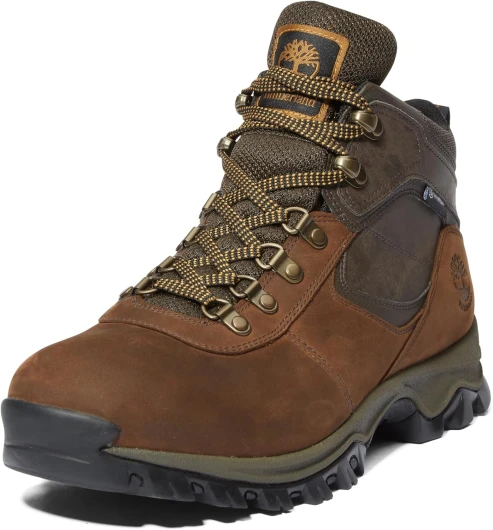
Design: classic hiking look with a small color trap
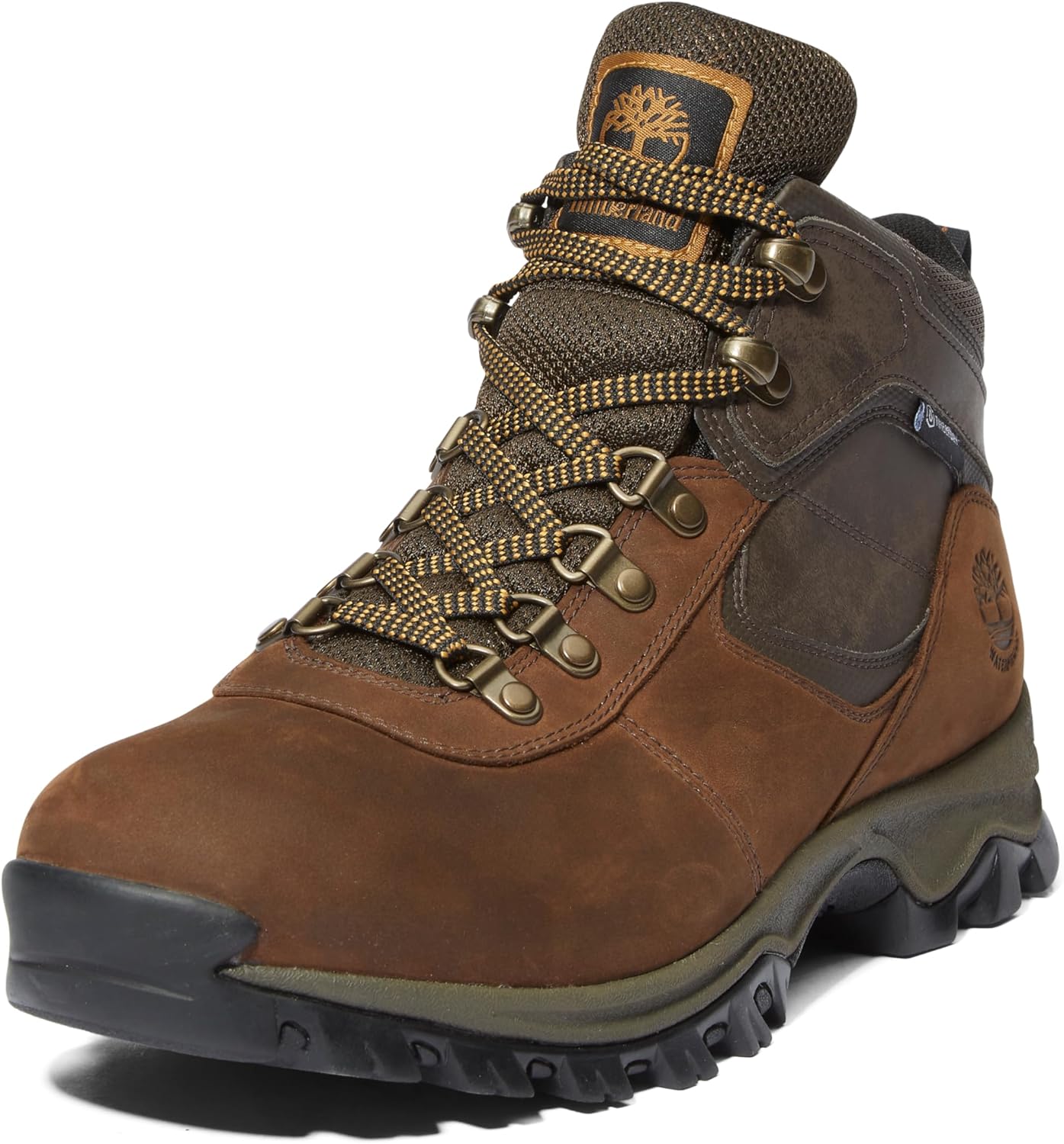
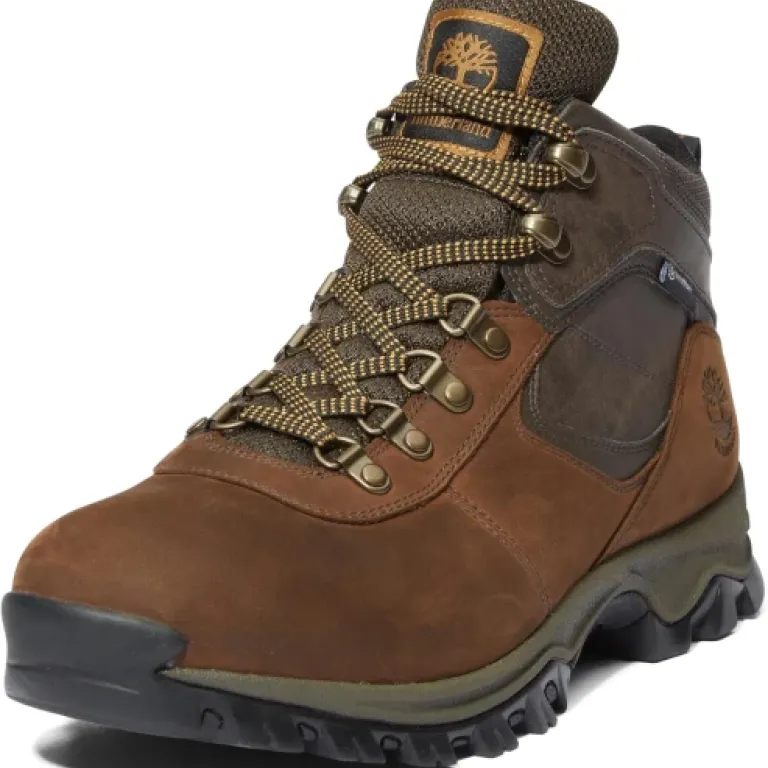
Design-wise, the Mt. Maddsen is pretty straightforward: all-leather upper, mid-height ankle, standard hiking boot silhouette. No big logos splashed everywhere, just a small Timberland tree on the side and heel. It’s the type of boot you can wear on a trail and then walk straight into a bar or office without looking like you’re about to climb Everest. That’s partly why I picked it over some more technical-looking boots from Keen and Merrell.
The lacing system uses D-rings lower down and four metal hooks at the top. The hardware feels solid; I pulled hard on them while lacing and nothing flexed or creaked. One Amazon reviewer mentioned the hooks being a bit shallow for certain lacing tricks like surgeon’s knots, and I agree. They hold fine, but if you like really locking in your heel with fancy lacing methods, you’ll have to be a bit patient. The laces are long, which I like, because you can adjust tension around the forefoot and ankle separately without running out of lace.
The main design complaint I have is around the color naming and photos. The listing for “Dark Brown-2024 New” shows a two-tone design: lighter brown around the collar and tongue, darker around the lower part of the boot. What I got is a uniform dark brown all around. It still looks decent, but the two-tone version looked nicer and a bit more modern. Another reviewer had the same experience, so this isn’t just a one-off. If you’re just after a dark brown boot, no problem. If you want exactly what the picture shows, it’s annoying.
From a practical design standpoint, the fully gusseted tongue is a good point. It means water and small debris (sand, gravel) have a harder time getting inside. The tongue is padded enough to avoid lace bite but not so thick that it feels bulky. Overall, the design is functional and low-key. Nothing fancy, but everything is where it should be. My only real gripe is the misleading color name, which feels like lazy catalog management more than a problem with the boot itself.
Comfort: all-day wear is where these boots shine
Comfort is where the Mt. Maddsen really does well. There’s almost no break-in pain. First day, I wore them for about 5 hours around town and on a short muddy trail. No hot spots, no heel rubbing, just a bit of stiffness at the front when going downhill, which is normal. By the third outing (about 8–9 miles with some climbs), they felt like I’d had them for months. A couple of Amazon reviews say they were comfortable right out of the box, and I’d mostly agree with that.
The anti-fatigue removable footbed is not marketing nonsense; it actually does its job. It’s not magic, but after a full day of walking and standing, my feet felt less beat up than in some other mid-range boots I’ve used. The cushioning is firm rather than squishy, so you still feel stable on rocks. If you’re used to running shoes, it’ll feel a bit stiffer; if you’re used to heavy leather boots, this will feel surprisingly cushioned. One Spanish review mentioned forgetting about fatigue at the end of the day, and that matches my experience pretty well.
Breathability is decent for a waterproof leather boot, but don’t expect the ventilation of a mesh hiking shoe. My feet got warm on steep climbs, but never to the point of feeling soggy or suffocated. With mid-weight hiking socks, I was fine in cool weather and also okay in mild temperatures. For hot summer hikes, I’d probably swap to something lighter and more breathable, but for three-season use, this is good enough.
Fit-wise, go wide if you’re on the fence. My regular width pair felt slightly tight across the ball of the foot after a few hours, especially with thicker socks. Switching to the wide version solved that completely. The ankle padding is comfortable, and the mid-height shaft gives a bit of support without digging into your Achilles. Overall, comfort is one of the strongest points of this boot. It’s not a slipper, but for a leather waterproof hiker, it’s very easy to live with day after day.
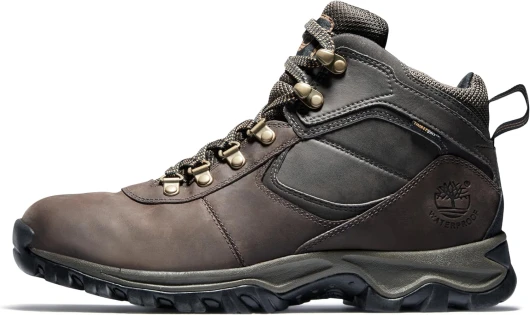
Materials: proper leather, basic eco touches, no nonsense
The upper is 100% waterproof leather from an LWG Silver-rated tannery, which basically means the leather comes from a place that follows some environmental standards. In the hand, the leather feels decent: not super soft like premium fashion boots, but not cardboard-stiff either. Out of the box, there’s a bit of stiffness around the ankle and the toebox, which is normal for leather. After a few days of walking and a couple of wet/dry cycles, it loosened up nicely without feeling floppy.
Inside, Timberland uses their ReBOTL fabric lining, which is made with recycled plastic. It doesn’t feel fancy; it just feels like a regular textile lining that dries fairly quickly. I did one hike where I sweated a lot, and by the next morning the inside was dry with the insoles taken out. No weird plastic feel, no crinkling. The waterproofing comes from a TimberDry membrane, again with some recycled content. In practice, that just means your feet stay dry in rain and shallow streams, which matched my experience and what other reviewers said.
The midsole is compression-molded EVA, pretty standard for this type of boot. That’s the same type of foam used in a lot of running shoes, just denser. It gives you cushioning without weighing the boot down. Underneath, the outsole is 15% recycled rubber, with a lug pattern that’s not super aggressive but good enough for most trails. Grip on dirt, rocks, and wet pavement has been solid so far. On very slick mud, they behave like most boots: they’ll still slide if you push it, but they don’t feel skittish.
The insole is a removable anti-fatigue footbed, which is basically a shaped foam insert with a bit of contour. It’s better than cheap flat insoles but not as supportive as an aftermarket hiking insole. If you have fussy feet or arch issues, you’ll probably swap it out. The good part is: you can. Overall, the materials feel like mid-range quality that matches the price. Nothing feels cheap or fragile, but you’re not getting luxury leather either. For a boot that’s meant to get muddy and scraped, that’s fine by me.
Durability: built to last a few hard seasons if you don’t abuse them like a work boot
I haven’t had these boots for years yet, so I’m leaning partly on early signs and partly on long-term reviews from other buyers. The build quality out of the box looks solid: even stitching, no loose threads, leather panels well aligned, and hardware firmly attached. I flexed the boot and twisted it by hand, and nothing creaked or separated. After a few muddy hikes and cleanups with a damp cloth and a bit of leather conditioner, the leather still looks good, with only light creasing where you’d expect it.
One Amazon reviewer said they’ve been using them three times a week since 2021 for hiking and are only now replacing them because the sole is worn for safety. That’s a good sign for long-term durability. Based on how the outsole looks after my first few weeks (and some rocky paths), I can see the rubber wearing down in a reasonable way, not peeling or chunking off. It’s not a super hard rubber, so you get grip but you will eventually wear it out if you use them a lot on rough surfaces. That’s normal for this type of boot.
The waterproof membrane hasn’t shown any weakness yet. Usually, if a boot is going to leak early, you start to notice damp spots around flex points or seams after repeated soakings. So far, I’ve had none of that. The gusseted tongue is still intact, and there’s no separation between the upper and the sole. If you treat the leather from time to time (basic cleaning and waterproofing spray or wax), I don’t see a reason these wouldn’t last several seasons of regular use.
One thing to remember is the Timberland limited warranty is only valid if you buy from authorized sellers and it’s limited to 12 months, with proof of purchase. So don’t expect a lifetime warranty or anything like that. Overall, durability looks good for a mid-priced hiking boot. They’re not indestructible work boots, but for regular hiking and outdoor use, they feel like they’ll hold up well if you don’t completely neglect them.
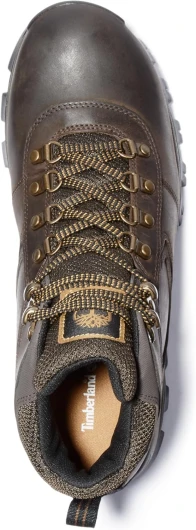
Performance: waterproof, grippy, but not a hardcore mountain boot
On the trail, the Mt. Maddsen does what it says on the box. Waterproofing is solid. I walked through wet grass, shallow streams, and some slushy snow, and my feet stayed dry the whole time. The gusseted tongue helps a lot – water doesn’t easily sneak in through the laces unless you go past the top of the boot. A couple of Amazon users mentioned using them in snow and mud without leaks, and I had the same result. For day hikes, rainy commutes, and winter dog walks, they’re more than enough.
Traction is pretty good for mixed terrain. The rubber feels slightly soft and “sticky”, which is nice on rock and wet pavement. I tested them on packed dirt, loose gravel, and some wet wooden bridges. No scary slips, just normal small slides in very loose gravel, which you’d get with most boots. One reviewer said the grip was awesome on trails and I’d say that’s fair. The lugs aren’t super deep, so this isn’t a mud specialist, but they clear dirt reasonably well and don’t feel like ice skates on wet concrete.
Where you feel the limits is in very rocky or technical terrain with a loaded backpack. The ankle support is moderate, not heavy-duty. For me, that’s fine because I mostly do day hikes with a light pack or just casual walking. If you’re planning multi-day treks with 40+ lb packs or very rough alpine terrain, I’d look at something stiffer and more supportive. For normal people doing 5–15 mile hikes on varied trails, these are more than capable.
Indoors and around town, they’re surprisingly nice. The sole is quiet on hard floors, which matches what one reviewer pointed out – you don’t get that loud clomping sound some boots make. They’re also light enough that you don’t feel silly wearing them all day in the city. In short, performance is strong for everyday hiking and outdoor use, but they’re not meant to replace serious mountaineering boots. For what most people actually do, they get the job done very well.
What you actually get out of the box
Out of the box, the Mt. Maddsen looks like a straightforward mid-height leather hiking boot. No flashy bits, no weird colors, just dark brown leather, black sole, and classic hiking laces. Mine came in a standard Timberland box, nothing fancy inside: just paper, the boots, and the usual tags. No extra laces, no care kit, nothing like that. For the price, I didn’t expect more, but worth knowing if you like extras.
The first thing I did was weigh them and compare them to my older boots. They’re lighter than my old full-leather Hi-Tecs and a hair heavier than some fabric/mesh Merrells I have. On the foot, they feel lighter than they look, which matches what some Amazon reviewers said. You don’t get that heavy “ski boot” feeling when you walk around the house. Shaft height is around the ankle, so you get some support without the full high-boot restriction.
Fit-wise, Timberland seems pretty honest on sizing. I’m usually a 10.5 US in sneakers and most casual shoes. In hiking boots I often go 10 for a snug fit with hiking socks. With these, 10.5 regular felt true to size, but a bit tight across the forefoot after a couple of hours. I swapped to a 10.5 wide and that was much better. I’d say: if you have a wide foot or like thick socks, just get the wide version right away, like one of the reviewers did. The lace system has enough length and hardware to fine-tune the fit.
So presentation-wise: it’s simple, functional, no nonsense. The boot doesn’t scream for attention, which I actually liked. It looks like a tool, not a fashion piece. The only real letdown in this area is the color confusion – the product name suggests a newer two-tone style, but you mostly get a plain dark brown boot. If you don’t care about that, it’s totally fine. If you bought it mainly for the look shown online, you might feel slightly tricked.
Pros
- Very comfortable with almost no break-in and a decent anti-fatigue footbed
- Reliable waterproofing and gusseted tongue that keep feet dry in rain, mud, and shallow streams
- Light for a leather boot, with good grip on typical trails and wet pavement
Cons
- Color naming and photos are misleading – “Dark Brown-2024 New” often arrives as plain dark brown
- Moderate ankle support only, not ideal for heavy backpacking or very technical terrain
- Regular width can feel tight for wider feet; many will need the wide version
Conclusion
Editor's rating
After using the Timberland Mt. Maddsen Dark Brown-2024 New for a while, my overall take is simple: this is a solid, no-drama hiking boot that doubles nicely as an everyday bad-weather shoe. It’s comfortable out of the box, keeps your feet dry, and has enough grip for normal trails and city use. The anti-fatigue footbed and relatively light weight make it easy to wear for long days without thinking about your feet all the time.
It’s not perfect. The “2024 New” color naming is confusing, and if you expected a two-tone boot, you’ll likely get a plain dark brown version instead. Ankle support is moderate, so if you’re hauling heavy loads on very rough terrain, this might not be your best option. And if you have wide feet, you really should go for the wide size right away or you’ll end up exchanging them.
I’d recommend these to casual and regular hikers, dog walkers, commuters in wet climates, and anyone who wants one boot that can do both trail and everyday wear. They’re especially good if you value comfort and waterproofing more than fancy tech features. If you’re a serious backpacker with heavy packs or you’re very picky about exact colors and styling, you might want to look at more technical models or make sure you see them in person first. For most people, though, they’re a good, reliable choice that gets the job done without fuss.