
Summary
Editor's rating
Value: not cheap, but fair for what you get
Design: classic hiking boot look with practical choices
Comfort: genuinely good out-of-the-box, with one caveat
Materials and build: sturdy enough, with some recycled touches
Durability: feels built to last, but not indestructible
Trail performance: solid grip, reliable waterproofing, good support
What you actually get with the Moab 3 Mid Waterproof
Pros
- Very comfortable out of the box with good cushioning and heel support
- Vibram outsole provides reliable grip on most trail surfaces
- Waterproof membrane keeps feet dry in rain, puddles, and wet grass
Cons
- Can run a bit warm and slightly narrow in the toe for wider feet
- Not the lightest option for fast hikes or very long-distance treks

Specifications
View full product page →| Brand | Merrell |
A hiking boot that actually feels broken-in on day one
I’ve been using the Merrell Men’s Moab 3 Mid Waterproof in size 10 (color Reed) as my main hiking boot for a few weeks. I’ve taken them on a mix of stuff: a local 5–6 mile loop with some rocky sections, a couple of muddy forest trails after rain, and just walking the dog on gravel paths. So this is not a lab test; it’s just how they behaved in normal, slightly rough use. I’ve owned cheaper big-box hiking boots before, plus a pair of Salomon mid boots, so I’ve got something to compare them to.
The first thing that stood out is that these really do feel pretty comfortable straight out of the box. I didn’t have that usual “I hope I don’t get a blister” anxiety on the first hike. The upper felt soft enough, the ankle collar didn’t bite into my leg, and I didn’t feel any strange pressure points. That matches a lot of what people say about the Moab line, and in my case, it wasn’t just marketing talk.
That said, they’re not magic. They’re still a mid-weight hiking boot with a decent chunk of rubber on the bottom, so you feel like you’re wearing real boots, not sneakers. If you’re coming from running shoes, you’ll notice the extra weight and stiffness. I did the first couple of days, especially on pavement. But once I was actually on trail, that extra structure felt like a plus instead of a minus.
Overall, my first impression was: solid, comfortable, and familiar. Nothing flashy, no weird gimmicks, but they just work. Over a few outings, that feeling stayed the same: not perfect, but very reliable for day hikes and general outdoor use. If you want something super light and fast like a trail runner, this isn’t it. If you want a boot you can just put on and go hike without overthinking it, it fits that role pretty well.
Value: not cheap, but fair for what you get
In terms of price, the Merrell Moab 3 Mid Waterproof sits in that middle range: not bargain-bin cheap, but not premium mountaineering-boot expensive either. For that money, you’re getting a Vibram outsole, a waterproof membrane, decent cushioning, and a reputation that’s been built over several generations of this boot. From my experience, the combination of comfort, grip, and durability justifies the cost pretty well, especially if you actually hike regularly and don’t just wear them twice a year.
Compared to the cheap big-box store boots I used before, these feel like an upgrade in almost every way: better comfort, better grip, and less fatigue after a long day. Those cheaper boots cost less up front but started to fall apart sooner and were never really comfortable. So from that angle, the Moab 3 is good value for money because it saves you from buying a new pair every year or suffering through blisters and sore feet.
If I compare them to some higher-end brands like Salomon or Lowa, the Moab 3 comes in cheaper but also a bit heavier and less sleek. You’re not getting cutting-edge weight savings or super technical materials. You’re getting a solid, versatile, do-it-all hiking boot. If you’re an ultralight or hardcore backpacker, you might find better performance per gram elsewhere, but you’ll pay more for it. For the average hiker who wants one reliable pair that does most things well, these hit a nice balance.
The Amazon rating around 4.6/5 lines up with my own feeling: not perfect, but very solid overall. If you can catch them on sale, they become an even easier recommendation. If you’re on a tight budget and only hike occasionally, there are cheaper options that will "get the job done". But if you want something you can trust for regular hikes without going into premium pricing, the Moab 3 Mid Waterproof offers a fair deal.
Design: classic hiking boot look with practical choices
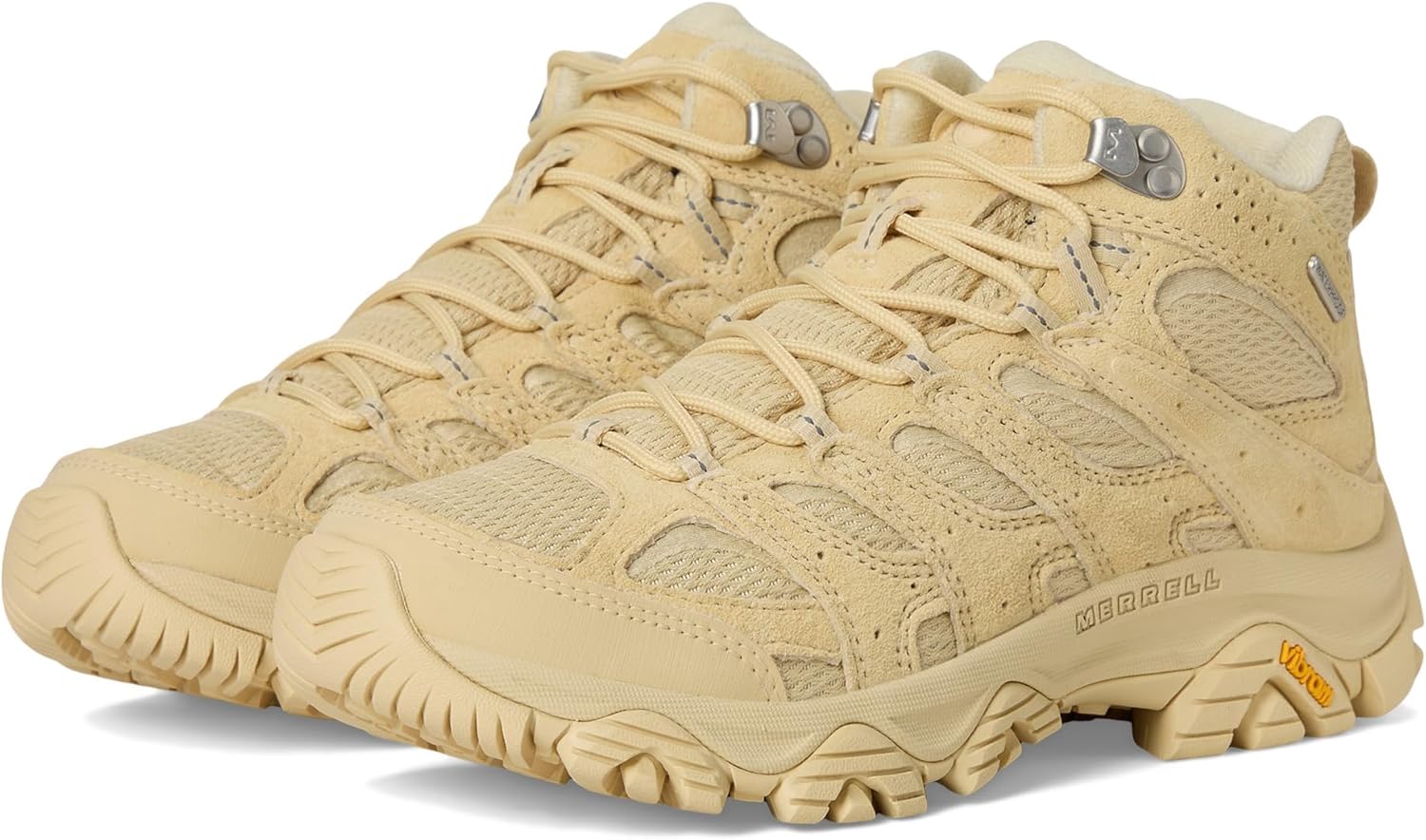
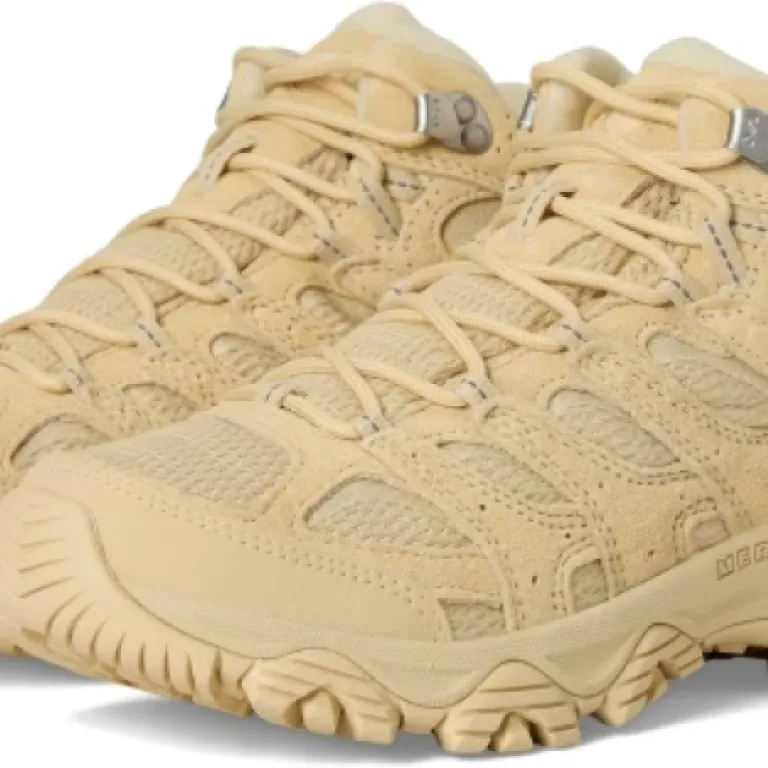
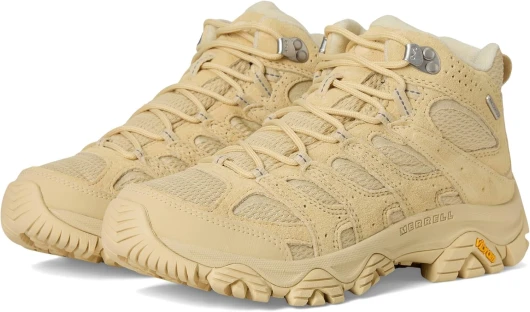
Design-wise, the Moab 3 Mid Waterproof doesn’t try to be flashy. The Reed color is pretty neutral, kind of a greenish/brownish tone that hides dirt well. After a couple of muddy hikes and some dust, they still looked decent with just a quick wipe. If you like loud colors, this isn’t that. If you prefer something that doesn’t scream “new gear,” it’s actually pretty nice. The overall shape is a bit chunky, but that’s normal for this type of boot and helps with protection.
The layout is very functional: suede leather around the main stress areas, breathable mesh panels where you need some airflow, and a rubber toe bumper that actually takes hits. I kicked more than a few rocks, roots, and concrete edges, and the toe cap did its job. No pain in the toes, no peeling of the rubber so far. The heel area has a solid counter that keeps your foot locked in, and the ankle collar is padded enough that I didn’t get any rubbing on the sides of my ankles.
The lacing system is simple but works. You’ve got regular eyelets/loops down low and metal hooks up top for quick tightening. I like that you can really crank down the top hooks if you want more ankle lock for going downhill, or leave them a bit looser for flat, easy walking. The tongue is reasonably thick and padded, so you don’t feel the laces digging into your foot. It’s also attached high enough to help with water resistance, which matters when you’re stepping in shallow puddles or wet grass.
Overall, the design is practical and user-focused, not fashion-focused. On the downside, they’re not exactly stylish if you want one shoe that can pass as casual city wear and a hiking boot. They look like hiking boots, period. If that bothers you, you might prefer something more sleek. But if your priority is function on the trail, the design choices here make sense and don’t get in the way.
Comfort: genuinely good out-of-the-box, with one caveat
Comfort is where the Moab 3 Mid Waterproof stands out. I wore them straight out of the box on a 5+ mile moderate loop with some elevation and mixed terrain. I was expecting at least some hot spots or heel rub, but I finished the hike with no blisters and no major soreness. The out-of-the-box comfort is real. The ankle collar is well padded, and the tongue doesn’t dig into the top of your foot, which is something that bugged me with my older Salomon boots.
Underfoot, the cushioning is on the softer side for a hiking boot, especially in the heel. You feel supported, but not like you’re walking on wood. On rocky parts of the trail, sharp stones didn’t poke through the sole, and I didn’t feel like my feet were getting beaten up. Compared to my old cheap big-box boots, these are way less tiring on longer walks. I also like the arch support in the stock insole; it’s medium, not super aggressive, but enough that my feet didn’t feel flat or fatigued after a couple of hours.
That said, they’re not perfect for everyone. One Amazon user mentioned a blister on the little toe, and I can see how that could happen if you have a very wide forefoot. The toebox is reasonable, but not super wide. I felt a tiny bit of pressure on my pinky toes the first two hikes, but it went away as the upper softened slightly. If you have wide feet, I’d strongly suggest trying the wide version (these come in wide sizes) or sizing up half a size. Once dialed in, though, I found them comfortable enough to wear all day, even off-trail.
Another small thing: they run a bit warm. The waterproof membrane and padding mean they don’t breathe like a mesh trail runner. On cooler days and in the forest, it’s great. On hot, sunny days on exposed trails, my feet definitely felt warm but not soaked in sweat. In short, comfort is a strong point, as long as you pick the right size and don’t expect ultra-breathable summer sneakers.
Materials and build: sturdy enough, with some recycled touches
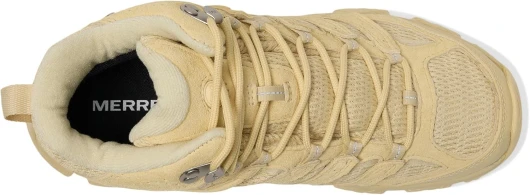
The upper is a mix of pig suede leather and breathable mesh, with a waterproof membrane underneath. In practice, this combo feels fairly tough without being rigid. The suede panels cover the high-wear zones around the toe, sides, and heel, while the mesh fills in the gaps for ventilation. After several muddy and wet outings, the suede has some marks (normal), but nothing that looks like it’s going to tear or separate. The mesh hasn’t snagged or frayed yet, even after brushing against branches and rocks.
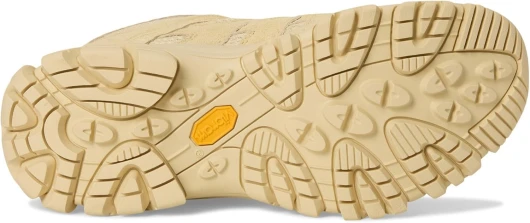
The outsole is Vibram TC5+ rubber, which is a compound made specifically for Merrell. The lugs are medium-depth, not as aggressive as some winter or mountaineering boots, but deep enough to bite into dirt, gravel, and light mud. I walked on wet rock, damp roots, and loose gravel, and the grip felt pretty solid. On smooth, wet concrete or very slick rock, you still need to watch your step, but that’s the case with most boots. The rubber feels durable rather than soft, so it should wear slower over time, though that also means it’s not as sticky as some super soft compounds.
Inside, you get the Kinetic Fit ADVANCED removable insole with extra cushioning in the heel area. The insole is decent: not the best I’ve ever felt, but better than the thin foam you get in cheap boots. The midsole is a softer, cushioned foam compared to older Moab versions, and you can feel that when you land on rocks or hard-packed trail. There’s also the Merrell Air Cushion in the heel, which is basically a shock-absorbing insert. You don’t really notice it as a separate feature, but the overall heel feel is cushioned and stable.
Merrell mentions partially recycled fabrics, which is nice from an eco point of view, but in daily use you don’t really feel that difference. Build quality on my pair is good: even stitching, no loose threads, no weird bulges. If I nitpick, the suede could stain a bit easier than full-grain leather and might need occasional cleaning and waterproofing spray to stay in good shape. But for the price bracket, the materials feel honest and appropriate, not cheap.
Durability: feels built to last, but not indestructible
Durability is always tricky to judge after only a few weeks, but there are some early signs. After several hikes on rocky trails, some mud, and a fair bit of walking on pavement and gravel, the outsole lugs show only light wear. No chunks missing, no noticeable flattening yet. The Vibram rubber feels like it will hold up well for normal hiking use. It’s not that soft, sticky rubber that disappears after a season, which I appreciate. I’ve had cheaper boots where the sole started smoothing out way too quickly; this doesn’t feel like that.
The suede leather and mesh upper are also holding up nicely. The suede has a few scuffs and mud stains, which is normal, but the stitching is tight, and there are no signs of the panels separating. I paid attention around the toe cap and where the sole meets the upper, because that’s where cheaper boots often start to fail. So far, everything is still snug with no gaps. The mesh panels haven’t torn or frayed despite brushing against rocks and branches. I haven’t babied them; they’ve been thrown in the trunk, stepped on, and kicked off with my other foot like any normal user would do.
Inside, the padding around the ankle and the insole still feel the same as day one. No collapsing of the heel cushion, no weird creases that cause hot spots. Of course, every boot will pack out a bit with time, but the internal structure seems solid. The laces and eyelets also feel sturdy; no bending hooks or frayed lace tips yet, which I’ve seen on some budget boots fairly quickly.
I’d say the Moab 3 Mid Waterproof gives a good sense of long-term reliability, but you still need to maintain them a bit: clean off heavy mud, let them dry properly, and maybe hit the suede with a waterproofing spray now and then. They’re not indestructible mountaineering boots, but for regular hikers and casual outdoor use, they feel like they’ll last more than one season without falling apart. Considering the price range, that’s pretty good.
Trail performance: solid grip, reliable waterproofing, good support
On the trail, the Moab 3 Mid Waterproof does exactly what you want a general hiking boot to do. The Vibram TC5+ outsole has a lug pattern that handled dirt, gravel, and forest floor without any drama. On steep dirt descents, the heel lugs bit in well enough that I didn’t feel like I was skiing down. On climbs, the forefoot traction was good, and the midsole felt supportive when pushing off. I’d call the grip reliable rather than aggressive, which is perfect for day hikes and light backpacking.
The waterproof membrane actually works. I walked through wet grass, shallow puddles, and some mud that came up near the bottom of the boot. My socks stayed dry. I also rinsed them off under a hose after one particularly dirty hike, and as long as the water didn’t go over the tongue height, nothing leaked. Of course, like all waterproof boots, if you submerge them too deep, water will get in from the top. Breathability is decent for a waterproof boot, but again, it’s still a membrane: they’re better suited to cool to mild conditions than very hot weather.
Support-wise, the mid height gives a bit of ankle reassurance without locking your ankle completely. I’m not someone who constantly rolls their ankles, but I do like some extra support when carrying a small daypack or walking on uneven rocks. These gave enough structure that I felt stable, especially with the heel cushioning and firm heel counter. On long days, my knees seemed happier than with flatter shoes, likely due to the added cushioning and support.
On the downside, if you’re planning heavy backpacking with a big load, the support might not be enough compared to a stiffer, higher-cut boot. And if you’re doing fast, high-output hikes or trail runs, these will feel a bit slow and chunky. But for typical use—5 to 10 mile hikes, mixed terrain, maybe a light overnight—they perform very well. They’re basically the “default” boot you can trust in most conditions without thinking too much about it.
What you actually get with the Moab 3 Mid Waterproof
On paper, the Merrell Moab 3 Mid Waterproof ticks a bunch of boxes: mid-height ankle, Vibram TC5+ outsole, waterproof membrane, pig suede leather with mesh panels, and a removable Kinetic Fit insole. The pair I have is the Reed color, which is basically a muted earthy tone with some darker accents. The boot shaft height is at the ankle, with about a 4-inch circumference, so it sits in that classic mid-boot category: more support than a shoe, less coverage than a full-on backpacking boot.
The boot is not super bulky. Dimensions listed are 12 x 8 x 4.5 inches and the weight on mine is right around what Merrell claims (they feel like a normal mid hiking boot, not ultra-light but not bricks either). You get a rubber toe cap, decent heel support, and a tongue that is gusseted high enough to help with water splashes. The laces run through a mix of fabric loops and metal hooks at the top, very standard setup. Everything about the layout is familiar if you’ve worn hiking boots before.
Out of the box, the presentation is straightforward: just the boots and some paper stuffing. No fancy extras, no extra laces, no care kit. Honestly, I’m fine with that. I’d rather they put the cost into the sole and materials than into packaging. The stitching looked clean on my pair, no obvious glue mess or misaligned panels, and the outsole was firmly attached with no gaps where water could sneak in.
In terms of position, I’d put these as a “daily driver” hiking boot. Not ultra-technical mountaineering gear, not a super cheap entry boot either. More like: the boot you grab for weekend hikes, light backpacking, yard work, and travel where you’ll walk on mixed surfaces. If that’s the use case you have in mind, the overall package makes sense. If you’re planning very heavy loads or snow and ice all winter, you might want something beefier than this.
Pros
- Very comfortable out of the box with good cushioning and heel support
- Vibram outsole provides reliable grip on most trail surfaces
- Waterproof membrane keeps feet dry in rain, puddles, and wet grass
Cons
- Can run a bit warm and slightly narrow in the toe for wider feet
- Not the lightest option for fast hikes or very long-distance treks
Conclusion
Editor's rating
Overall, the Merrell Men’s Moab 3 Mid Waterproof is a reliable, comfortable mid hiking boot that does exactly what most people need on the trail. It’s comfortable right out of the box, has solid grip thanks to the Vibram TC5+ outsole, and the waterproofing actually keeps your feet dry in normal rainy and muddy conditions. The materials feel sturdy, the build quality is clean, and the support is good enough for day hikes and light backpacking. It’s not the lightest or the most stylish boot out there, but it’s one of those pairs you can put on and trust for a wide range of outdoor activities.
Who is it for? It’s ideal if you do regular day hikes, weekend trips, or just want a dependable boot for mixed terrain, dog walks, and travel where you’ll be on your feet a lot. If you value comfort and don’t want a long break-in period, this fits the bill. Who should skip it? If you have very wide feet and don’t want to bother with wide sizing, you might struggle with toe space. If you’re into ultralight hiking or trail running, it will feel a bit heavy and warm. And if you’re carrying big loads over very rough terrain, you may want something stiffer and more technical.
For most hikers, though, the Moab 3 Mid Waterproof is a pretty solid all-rounder: not flashy, not perfect, but dependable and comfortable enough that you stop thinking about your feet and just get on with your hike.