
Summary
Editor's rating
Value: good comfort and waterproofing for the money, with clear trade-offs
Design: outdoorsy look without the clown colors
Comfort: feels more like a beefy sneaker than a stiff boot
Materials: functional, a bit plasticky, built to a budget
Durability: holds up for casual and light work, but not built like a tank
Trail and daily performance: good grip, decent waterproofing, not a heavy-duty work boot
What you actually get with these Columbia boots
Pros
- Very comfortable out of the box with almost no break-in
- Light for a boot, easy to wear all day for walking or light work
- Decent waterproofing and grip for everyday use and light to moderate hikes
Cons
- Softer outsole rubber may wear faster with heavy daily use on concrete
- Breathability is average; feet can get warm in mild or hot weather
- Cemented (glued) sole and coated leather limit long-term durability and repair options

Specifications
View full product page →| Brand | Columbia |
Light hiking boots I actually keep wearing off the trail
I’ve been using the Columbia Newton Ridge Plus II Waterproof Hiking Boots (men’s, size 12, Deep Olive/Desert Sun) as my main boots for a mix of weekend hikes and everyday wear. I’m not sponsored, I paid for them, and I mainly bought them because I was tired of heavy work boots killing my feet after a full day. I wanted something lighter than a classic leather work boot, but more supportive and weatherproof than sneakers.
The first thing that stood out is how they feel straight out of the box. There’s basically no break-in period. I walked a full day in them on pavement and gravel the first weekend, and I didn’t get hot spots or blisters. Compared to my older, stiffer leather boots that chew up my heels for a week, these felt more like chunky trail shoes than old-school boots.
I’ve worn them for grocery runs, dog walks in the rain, and a couple of 8–10 km hikes on dirt and rocky trails. They’re clearly built more for light to medium hiking and everyday use than for hardcore construction work or carrying a 60 lb pack up a mountain. The grip is decent, the waterproofing is mostly reliable, and the comfort is the main selling point.
They’re not perfect though. The leather is clearly coated and feels a bit plastic, breathability is just okay, and I don’t expect the outsole to last as long as a true work boot if you beat on them daily on concrete. But for the price and the comfort, they make sense if you want a boot that pulls double duty: casual city/rain boot plus weekend trail shoe.
Value: good comfort and waterproofing for the money, with clear trade-offs
Price-wise, these usually sit in that mid-range hiking boot zone. Not bargain-bin cheap, but definitely less than a lot of big-name leather work boots or high-end hiking brands. For what you pay, you’re mostly getting comfort, light weight, and basic waterproofing. If those are your main priorities, the value is pretty solid. You can wear them all day without killing your feet, they keep you dry in most normal situations, and they look decent enough to wear off the trail.
Where the value dips a bit is if you’re expecting maximum durability or premium materials. The coated leather and cemented sole are fine for a few seasons of regular use, but they’re not in the same league as rebuildable boots or thicker, uncoated leather that can be conditioned and revived. If you’re the kind of person who buys one pair of boots and wants them to last 8–10 years of heavy use, this probably isn’t the smartest choice. In that case, spending more up front on a more robust boot might actually be cheaper in the long run.
Compared to cheaper no-name hiking boots I’ve tried, the Columbia pair feels better designed, more comfortable, and more consistent in sizing. Compared to pricier hiking boots from brands like Salomon or Lowa, you’re giving up some refinement, better materials, and sometimes better breathability, but you’re also paying less. So it’s a classic middle-ground product: good value if you know what you’re getting, average value if you push it beyond its intended use.
If your use case is: daily commuter boot in bad weather, weekend trail boot, occasional light work around the house or warehouse, then I’d say the price makes sense. If your use case is: hardcore work boot or serious multi-day backpacking, you’ll probably outgrow these pretty quickly and wish you’d put the money toward something heavier-duty.
Design: outdoorsy look without the clown colors
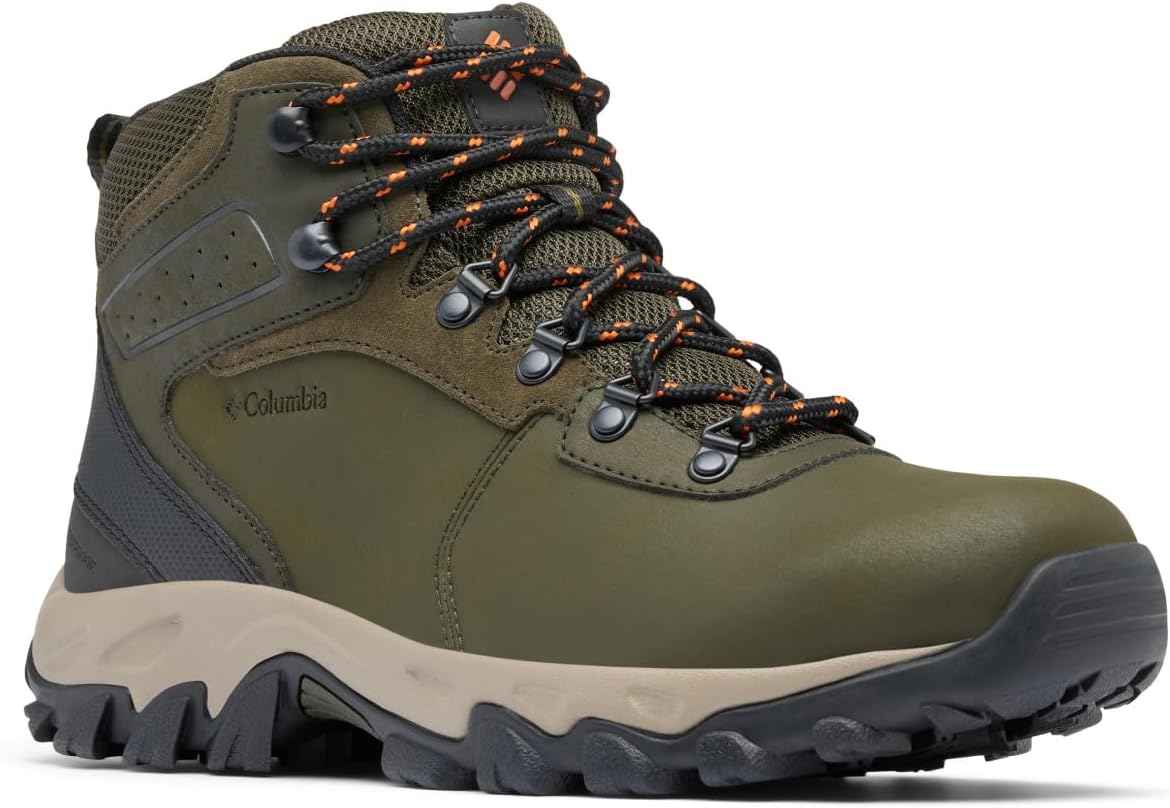
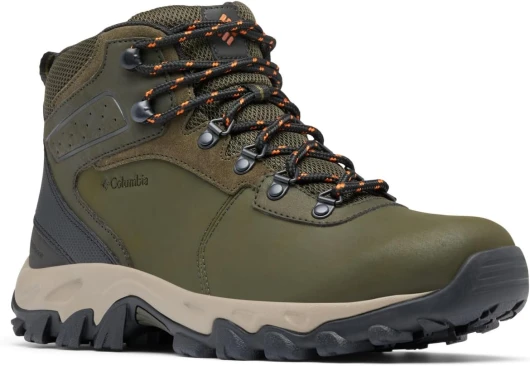
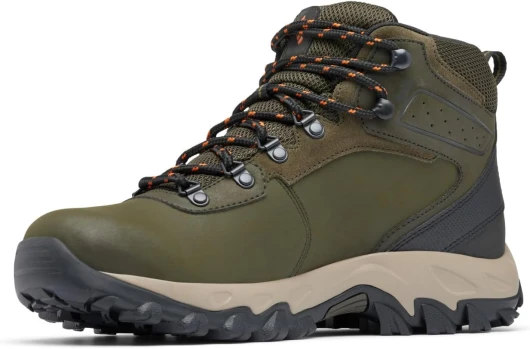
Design-wise, these boots sit in a nice middle ground. The Deep Olive/Desert Sun color combo is actually pretty easy to live with. The upper is mostly dark greenish-brown, and the contrast hits are more muted tan/orange than bright safety orange. That means you can wear them with jeans, cargo pants, or even darker chinos and not look like you’re on a sponsored trail run. I liked that there’s no wild patterns, reflective strips, or loud branding all over the place. It looks like a normal hiking boot, which is what I wanted.
The shape is fairly standard: rounded toe, slightly athletic profile, and a mid-height shaft that just covers the ankle. It doesn’t have that huge, bulky, brick-on-your-foot vibe that some work boots have. On my feet, they look more like a chunky sneaker-boot hybrid than a big combat boot. That makes them easier to wear all day without feeling like your feet are wrapped in armor.
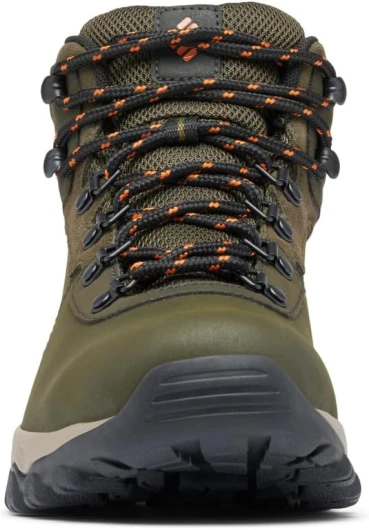
The lacing system uses a mix of standard eyelets and open hooks at the top. The metal hardware feels okay, not premium but not flimsy either. The tongue has enough padding that the laces don’t dig into the top of your foot, even when you cinch them pretty tight. There’s a moderate amount of padding around the ankle too, which helps with comfort and makes the boot feel snug without being stiff.
One thing I did notice is that the design is clearly more focused on comfort and waterproofing than breathability. The coated leather and mesh combination, plus the padded lining, trap some heat. In cooler weather it’s fine; in a warm indoor environment or mild summer day, your feet will feel a bit warm. So in terms of design, they nailed the low-key outdoorsy look and day-to-day usability, but you do pay for it with some extra warmth and a slightly synthetic feel.
Comfort: feels more like a beefy sneaker than a stiff boot
This is the main reason I keep reaching for these boots: they’re genuinely comfortable out of the box. I usually wear size 12 in sneakers and boots, and the size 12 in these felt true to size. No weird squeezing, no need to size up. The toe box isn’t super wide like some wide-fit boots, but it’s not narrow either. I have slightly wide forefeet and didn’t feel cramped, even after several hours of walking. If you have very wide feet, you might want the wide version, but for average-to-slightly-wide, regular sizing is fine.
The midsole cushioning hits a good middle ground. There’s enough padding that you don’t feel every rock or crack in the pavement, but it’s not so soft that your feet feel unstable. Compared to heavy work boots with hard soles, these feel much kinder on your knees and lower back after a long day. I’ve done full workdays around 10,000 steps on mixed surfaces (warehouse floor, asphalt, gravel) and my feet were definitely less tired than in my old steel-toe boots.
Around the ankle, the padding does its job. When you lace them up tight and use all the hooks, the boot holds your heel in place and gives decent ankle support without digging in. I tried deliberately rolling my ankle a bit on uneven ground, and the boot resisted that movement reasonably well. It’s not a mountaineering boot, but for normal hiking trails and city potholes, it’s enough. Inside, the lining is smooth, and I didn’t notice any seams rubbing, even with thinner socks.
The downside is heat buildup. These are not super breathable. On cooler days or rainy weather, they feel great. On warmer days or indoors for long stretches, my feet felt warm and slightly sweaty. Not horrible, but noticeable. So from a comfort standpoint: very good cushioning and no break-in, good support for light to moderate use, but expect warm feet if you run hot or wear thick socks in mild weather.
Materials: functional, a bit plasticky, built to a budget
Let’s be clear: the materials here are built for function and price, not for people who obsess over leather quality. The upper is “full-grain leather” according to the product info, but in hand it’s obviously coated. It has that slightly plastic feel and uniform finish you see on a lot of mid-priced hiking boots. That coating helps with waterproofing and durability against mud and scrapes, but it doesn’t feel like soft, rich leather. If you’re used to nicer leather boots, this will feel pretty basic and a bit stiff at first touch, even if it doesn’t feel stiff on foot.
The mesh panels and tongue are standard synthetic mesh, with a tighter woven lining inside. The lining runs throughout the boot and adds comfort, but also holds some heat. On the plus side, there are no rough seams or weird ridges inside that rub. I wore them with thin hiking socks and didn’t feel any hot spots from stitching. The tongue mesh is treated or layered enough to be somewhat water resistant, but under steady rain it will slowly let moisture creep in, especially where the tongue meets the upper.
The sole is a cemented rubber outsole with Columbia’s “Omni-Grip” pattern. The rubber compound feels on the softer side; you can flex and slightly bend the thinner lugs with your thumb. That’s good for traction on rock, wet sidewalks, and light snow, but it usually means the lugs will wear faster if you grind them on concrete every day. The midsole is their lightweight foam, which gives a bit of bounce and cushion. It’s not super squishy like some running shoes, it’s more of a firm-but-comfortable feel.
Overall, the materials are practical and in line with the price, but nothing here screams high-end. You get coated leather, synthetic mesh, a softish rubber outsole, and a glued construction. It gets the job done for light hiking and daily use, but if you want something you can resole and keep for 10–15 years, this isn’t that boot.
Durability: holds up for casual and light work, but not built like a tank
Durability so far has been decent for how I’m using them. With regular wear (a few hikes a month, plus several days a week as everyday boots), the outsole shows some light smoothing on the heel edges, but nothing dramatic yet. The softer rubber does mean I expect the lugs to round off quicker than on a really hard, heavy-duty work boot. If you’re pounding concrete all day, every day, I’d be surprised if the tread looked sharp after a year. For mixed use (pavement, dirt trails, grass), I think you can reasonably expect a couple of good years, maybe more if you rotate shoes.
The upper has handled scuffs and mud well. The coated leather doesn’t scratch deeply as easily as softer, uncoated leather. Most scrapes just wipe off or fade with a quick clean. The downside is that when it eventually cracks or peels (which happens with coated leather over time), it won’t age nicely like natural leather. Right now, after months of wear, mine still look pretty clean with just some creasing in the usual flex points.
The cemented sole construction is standard for this price point. It helps with waterproofing, but it also means that once the sole is done, you’re basically replacing the boot, not resoling it. There’s no Goodyear welt or anything meant for easy rebuilding. Stitching around the upper and along the tongue gussets has held up fine so far; no loose threads or split seams. The metal eyelets and hooks haven’t bent or popped out, and the laces are still intact, though I wouldn’t be shocked if the laces are the first thing to fail with heavy use.
In short, durability is good enough for casual wear, light-to-medium hiking, and moderate work use, but I wouldn’t call these lifetime boots. If you treat them as lighter hikers and everyday bad-weather boots, they’ll likely last a few seasons without drama. If you treat them like industrial work boots and grind them on concrete and steel all week, you’ll burn through the soles faster and start seeing the limits of the materials.
Trail and daily performance: good grip, decent waterproofing, not a heavy-duty work boot
On the trail, these boots do pretty well for what they are. The Omni-Grip outsole has a tread pattern that bites into dirt and loose gravel better than a flat-soled work boot or sneaker. On dry trails and packed earth, no issues at all. On wet rock and muddy patches, the softer rubber helps, and I felt more secure than in harder-soled boots that tend to slip. I’ve used them in light snow and slush, and the traction was acceptable for short walks and errands. They’re not ice cleats, but they handle typical winter sidewalks and parking lots fine.
Waterproofing is mostly solid, with one caveat: the tongue. The leather parts and the bootie construction do a good job. I walked through wet grass, shallow puddles, and light to moderate rain, and my feet stayed dry for regular use. The gusseted tongue helps keep splashes out up to the first hook. But if you keep them in direct steady rain for a long time, or stand in water deep enough to soak the tongue, moisture eventually creeps through the mesh area. You’ll feel dampness around where the tongue connects to the upper after a while. For normal city rain, quick puddle crossings, or a wet hike with pauses, they’re fine. For all-day downpours or stream wading, they’re not perfect.
As for stability and support, they’re solid for day hikes with a light pack or for walking/standing at work. The heel counter is fairly rigid, which keeps your foot from sliding around inside the boot. Laced up tight, ankle roll is reduced, but again, this is a light hiking boot, not a mountaineering boot. I wouldn’t rely on these for serious backpacking with heavy loads on very rough terrain. For that, you’d want something stiffer and more supportive.
For warehouse or construction work, I’d say they’re okay but not ideal. The outsole rubber feels like it will wear faster on rough concrete if you’re putting in 8–10 hours a day, 5 days a week. Also, there’s no safety toe. As casual “work around the house, light shop work, walking all day” boots, they’re great. As full-on workhorses in harsh environments, they’re more of a backup option than a primary tool.
What you actually get with these Columbia boots
The Newton Ridge Plus II is basically Columbia’s idea of a light hiking boot that can also be worn as an everyday boot. This specific color (Deep Olive/Desert Sun) looks like a dark greenish-brown upper with warm tan/orange accents. On foot, it reads more as an outdoor boot than a fashion piece, but it doesn’t scream “technical gear” like some neon trail stuff. You can wear it with jeans and not feel weird walking into a bar or office on casual Friday.
Specs-wise, it has an ankle-height shaft, rubber sole, and a waterproof full-grain leather and mesh upper with a mesh tongue. Columbia uses their usual tech names: a lightweight cushioned midsole for comfort and “Omni-Grip” rubber for traction. The tongue is gusseted up to around the first hook, so it helps keep out splashes and light rain, but it’s still mesh, not a solid rubber tongue like a full-on rain boot.
Out of the box, the boots come laced, stuffed with paper, nothing fancy. No extra insoles or laces. It’s the typical imported hiking boot build: cemented sole (glued on, not stitched), coated leather, mesh lining inside, and metal eyelets/hooks. If you’re used to high-end leather boots with Goodyear welts, this is not that. It’s more in line with mid-range hiking boots you’d grab at a big-box store, just a bit better thought out than the really cheap stuff.
Overall, the presentation matches the price: practical, reasonably clean design, no luxury vibes. If you want something that just works and doesn’t look goofy, this fits the bill. If you’re into premium leather and rebuildable boots, you’ll find it a bit basic and clearly more functional than "nice" in the traditional sense.
Pros
- Very comfortable out of the box with almost no break-in
- Light for a boot, easy to wear all day for walking or light work
- Decent waterproofing and grip for everyday use and light to moderate hikes
Cons
- Softer outsole rubber may wear faster with heavy daily use on concrete
- Breathability is average; feet can get warm in mild or hot weather
- Cemented (glued) sole and coated leather limit long-term durability and repair options
Conclusion
Editor's rating
Overall, the Columbia Newton Ridge Plus II Waterproof Hiking Boot is a comfortable, light, and practical boot for people who split their time between city, light work, and easy to moderate trails. The big strengths are the out-of-the-box comfort, the relatively low weight for a boot, and the mostly reliable waterproofing in normal conditions. It feels more like wearing a sturdy sneaker-boot than a stiff, clunky work boot, which is a nice change if you’re on your feet all day.
On the flip side, it’s not built like a tank. The coated leather and softer rubber outsole are fine for mixed use, but they’re not ideal if you’re going to abuse them on concrete or in heavy labor every day. Breathability is just okay, so your feet will run warm in mild or hot weather. And since the sole is glued, not stitched, you’re basically tossing them once you wear through the tread. So they’re better seen as a solid mid-priced option you’ll use hard for a few seasons, not a long-term “one boot to last forever.”
If you want a comfortable waterproof boot for daily wear, bad weather, and weekend hikes, these make sense and feel like good value. If you’re a warehouse worker, contractor, or serious backpacker looking for a true workhorse, you’ll probably want something heavier-duty and more rebuildable, even if it costs more up front.