
Summary
Editor's rating
Value: good for wide, sensitive feet, average if you only care about lifespan
Design: wide, chunky, and built more for function than looks
Comfort: great for wide feet and sore feet, with a firm, supportive feel
Materials: solid leather and mesh, with one potential weak spot
Durability: decent lifespan, but watch the toe flex area and glue
Performance: reliable on trails and wet ground, better for day hikes than hardcore expeditions
What you actually get with these Targhee III boots
Pros
- Very comfortable fit for wide feet with plenty of toe room
- Firm, supportive sole that helps with foot pain and uneven terrain
- Reliable waterproofing and solid traction in mud and on wet rock
Cons
- Potential weak point at the toe flex area and glue bond over time
- Runs warm due to waterproof membrane, not ideal for hot climates

Specifications
View full product page →| Brand | KEEN |
Solid wide hiking boots that feel like workhorses
I’ve been using the KEEN Men’s Targhee III Waterproof Mid (Black Olive/Golden Brown, size 10 Wide) as my main pair of boots for a mix of day hikes and everyday use. I’ve got fairly wide feet and a bit of nagging foot pain, so I was looking for something that didn’t crush my toes but still felt stable on rough ground. I didn’t buy these to baby them – I wanted something I could wear for trails, yard work, and running around town when the weather is sloppy.
From the first couple of days, the main thing that stood out is the room in the toe box and the firm sole. These don’t feel like soft running shoes; they feel more like a proper boot that guides your foot instead of bending all over the place. If you’re coming from flexible sneakers, they’ll feel a bit stiff at first, but in my case that actually helped with foot pain, similar to what some reviewers mentioned about podiatrist recommendations.
I used them in light rain, on wet grass, and on rocky trails with some mud. The waterproofing did its job, and the traction felt predictable, not slippery. I also wore them all day on concrete and indoors, and they didn’t leave marks on the floor, which lines up with the non-marking sole claim. No one yelled at me for scuffing up the gym or grocery store floors, so that’s a plus.
They’re not perfect though. The leather and mesh combo looks and feels solid, but there are a few weak points in the flex area over the toes that worry me, especially after reading that review about the upper cracking in a week. Mine haven’t failed yet, but I can see how, if quality control is hit-or-miss, some pairs might wear faster there. Overall, my first impression is: pretty solid wide hiking boot that leans more toward comfort and support than super long-term tank-like durability.
Value: good for wide, sensitive feet, average if you only care about lifespan
In terms of value, these KEEN Targhee III Mids sit in that middle price range for hiking boots. They’re not bargain cheap, but also not top-shelf expensive. What you’re mainly paying for here is the combination of a wide, comfortable fit, reliable waterproofing, and decent trail performance. If you have wide or problem feet and struggle to find boots that don’t hurt by the end of the day, these make more sense financially because they actually let you use them for hours without suffering.
Compared to cheaper hiking boots I’ve owned, the Targhee III feels more supportive and better built, especially around the heel and arch. The firm sole and shank give you that stable platform that budget boots often lack. On the other hand, if you compare them to some higher-end leather boots that last for many years and can be resoled, these KEENs probably won’t go as far. The reports of glue separation after a few hundred miles and the occasional upper failure show that they’re not indestructible.
Where they really earn their keep is for people with foot pain, neuropathy, or wide feet. Multiple reviewers mentioned relief from foot issues, and I felt the same benefit with my own aches. That kind of comfort and support is hard to put a price on if you’re on your feet all day. If you just have normal feet and want something that lasts forever, you might find better long-term value in a heavier, more traditional leather boot.
So overall, I’d call the value good but context-dependent. If you want a comfortable, supportive, waterproof wide boot for regular hiking and everyday use, they’re worth the money. If your only priority is maximum durability per dollar, there are tougher options, but they might not feel this comfortable out of the box. For my use – mixed hiking and daily wear with wide feet – I’m okay with what I paid.
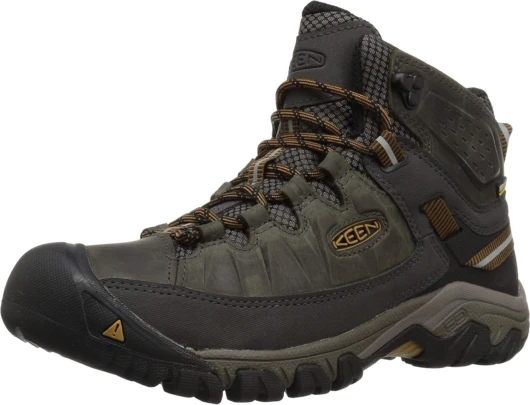
Design: wide, chunky, and built more for function than looks
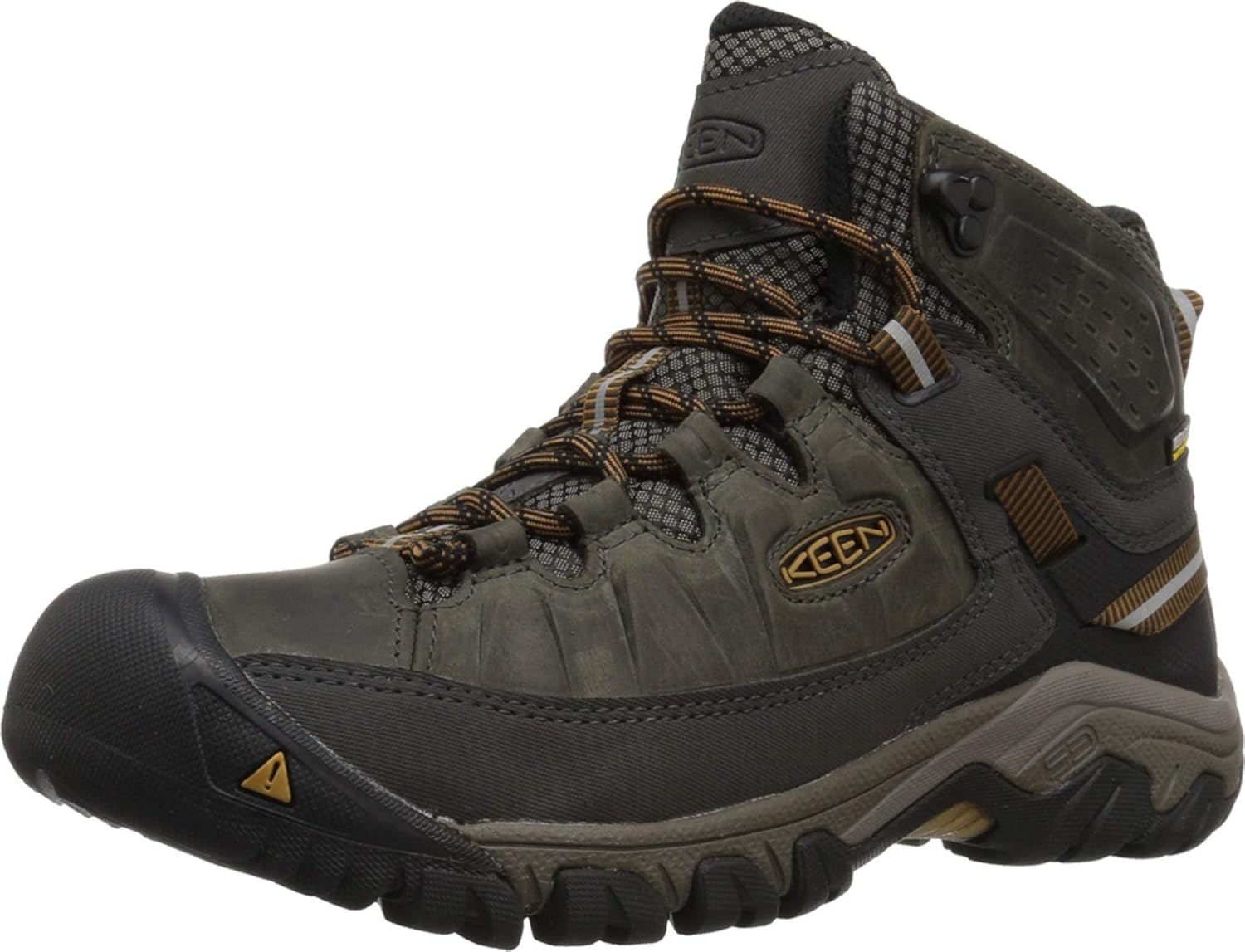
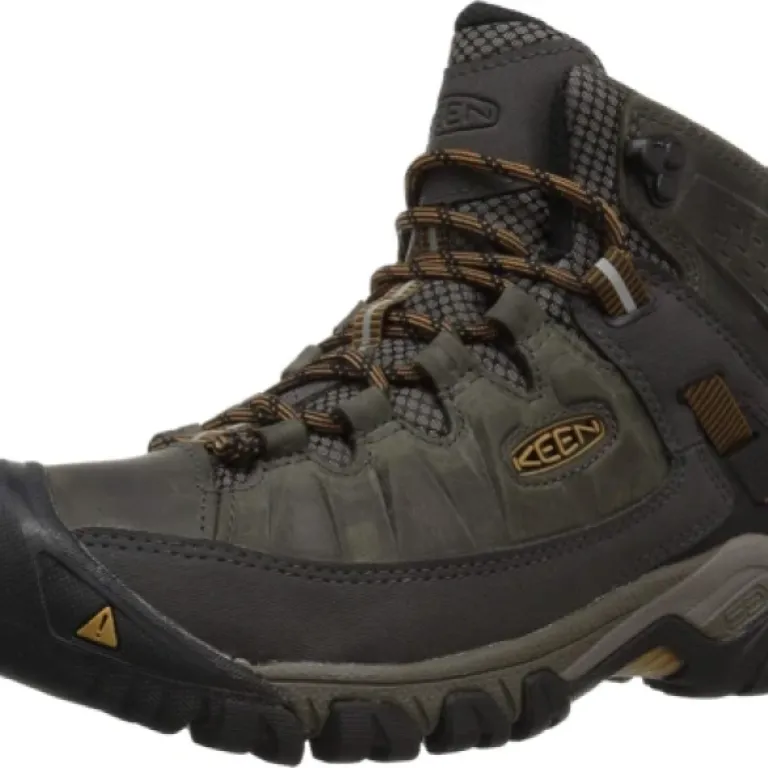
Design-wise, these Targhee III Mids are pretty straightforward: chunky, wide, and obviously meant for the trail. The Black Olive/Golden Brown colorway is low-key. The olive upper hides dirt well, and the darker sole and toe bumper keep scuffs from standing out. So if you’re tired of light-colored boots that look trashed after one muddy hike, this color is practical. They’re not the kind of boots you wear to dress up, and that’s fine – they look like hiking/work boots, which is exactly what they are.
The mid-cut design covers the ankle without feeling like a ski boot. The padded collar and tongue give a decent cushion around the top, so you don’t get that hard edge digging into your leg. The lacing system uses standard eyelets and a couple of speed hooks near the top. Nothing fancy, but it works. I can lock my heel in pretty well by tightening the top hooks, which helps on descents. The heel cradle design is noticeable; my heel feels seated and doesn’t slide up and down like in some cheaper boots I’ve owned.
One key design point is the toe bumper and overall toe shape. KEEN is famous for that big, rounded toe with a rubber cap, and it’s definitely here. It doesn’t look sleek, but on rocky trails I’ve kicked plenty of roots and rocks and just felt a dull tap instead of a sharp pain. That rubber toe guard is not just cosmetic; it actually saves your toes. The downside is the boot looks bulkier from the top, so if you’re used to narrow hiking boots, these will look a bit like tanks on your feet.
My only real concern with the design is the flex zone over the toes where the leather and mesh meet. That’s where one Amazon reviewer said their pair cracked and frayed within a week. On mine, that area is where most of the creasing happens when you walk. So far, it’s holding up, but it’s clearly the most stressed part of the upper. In short: design is practical, not pretty, with good protection and fit, but I wouldn’t be shocked if long-term wear shows up first in that flex area.
Comfort: great for wide feet and sore feet, with a firm, supportive feel
Comfort is where these boots actually shine for me. I have wide feet and mild foot pain if I walk all day in flimsy shoes. The KEEN “Original Fit” with extra toe room is legit – my toes can spread out instead of getting squeezed. In a 10 Wide, I don’t feel any pinching on the sides, even after hours of walking. If you’re used to narrow boots, the fit will feel different, more like your foot is sitting naturally instead of being clamped in.
The sole is firm rather than squishy, which matches what that podiatrist-recommended review said. At first, it can feel a bit stiff if you’re used to soft sneakers, but after a couple of outings, I actually appreciated it. Instead of the shoe flexing with every little rock, your foot just rolls forward. This helped my arches and reduced fatigue after longer walks. Another reviewer mentioned neuropathy and being able to wear these for multiple days without pain; I don’t have neuropathy, but I get how the stable platform and cushioning help sensitive feet.
The stock insole has some arch support and a bit of cushioning. It’s fine, but not mind-blowing. One Amazon reviewer suggested swapping it for a better insole for longer life and more comfort, and I agree. After a while, the insole packs down a bit. I ended up putting in my own aftermarket insoles with stronger arch support, and the boots felt even better, especially on long days. The good thing is the boot itself has enough volume to handle a thicker insole without squashing your foot.
Around the ankle, the padding is decent and doesn’t rub. The mid height adds some support, but it’s not a brace – you still need decent ankle strength. Weight-wise, you do feel them after a full day, but not in a way that bothered me. I’d describe the comfort as: stable, roomy, and supportive, not pillow-soft. If you want that plush, running-shoe feeling, this won’t give you that. If you want your feet to feel controlled and protected on uneven terrain, with room for wide feet, they do the job very well.
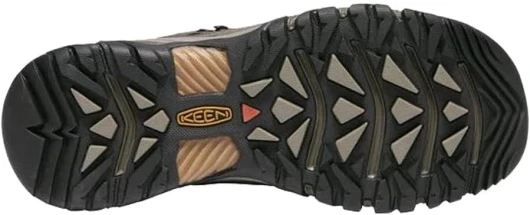
Materials: solid leather and mesh, with one potential weak spot
The upper is a mix of premium leather and breathable mesh, with some synthetic overlays. The leather panels feel thick enough to take a beating, especially around the sides and heel. The mesh sections help with ventilation, which you notice once you’ve been walking for a couple of hours – your feet still get warm, but not as swampy as in a full-leather boot. KEEN also says the leather comes from Leather Working Group-certified tanneries and uses an eco-friendlier DWR treatment. That doesn’t change the comfort directly, but at least it’s not bargain-bin leather.
Inside, there’s a quick-dry lining and the KEEN.DRY waterproof membrane. The lining feels smooth against socks and hasn’t caused any hot spots for me. The waterproof membrane has held up to wet grass, puddles, and light rain. I haven’t fully submerged the boots in a creek for minutes on end, but for normal hiking, the materials do keep water out. Like most waterproof boots, they run a bit warmer, which is the trade-off. If you hike in hot, dry climates, the same membrane that helps in the rain will make your feet sweat more.
The outsole is KEEN ALL-TERRAIN rubber with 4 mm lugs. The rubber compound feels grippy enough on wet rock and mud, and it doesn’t feel like cheap plastic that slides on smooth surfaces. I’ve walked through a bit of oil in a parking lot, and like one reviewer said, traction still felt okay – not like ice skates. The sole is also non-marking, and I haven’t left black streaks on indoor floors, which matters if you wear these into shops or at work.
The one material concern is that joint where the upper flexes over the toes. That’s a combo of leather, stitching, and maybe a thinner layer underneath. On my pair, it’s where the most visible creasing is happening. I haven’t had it crack, but someone else clearly did, and I can see why: every step bends that exact spot. If KEEN cheaped out on the thickness or bonding there on some batches, those pairs will fail early. Overall though, materials feel decent and aligned with the price, just not bulletproof. You’re getting good leather, decent mesh, and a solid sole, but I wouldn’t treat them like indestructible work boots for years on end.
Durability: decent lifespan, but watch the toe flex area and glue
Durability is a bit mixed based on my experience and what other buyers report. On the positive side, one reviewer mentioned getting 3 years and over 500 miles out of their first pair before the glue between the shell and sole started to fail. That’s pretty respectable for a mid-priced hiking boot used regularly. The leather on mine so far has handled scuffs, mud, and abrasion without any serious damage. The toe bumper and heel areas look barely worn after a good amount of use.
The outsole wear has been normal. The lugs are still pronounced, and I don’t see any chunks tearing off. I’ve worn them on concrete, dirt, and rocky trails, and the rubber seems to be holding up as you’d expect. If you mainly hike on rough rock all the time, you’ll obviously wear them down faster, but for mixed use, the sole feels pretty solid. The stitching around the main panels also looks tight, with no loose threads yet.
Where things get less reassuring is the upper flex point near the toes and the glue bond. That one reviewer who had the upper crack and fray within a week clearly got a bad pair, and they’re not alone – I’ve seen similar complaints on other KEEN models in the past. On my boots, the creasing is noticeable in that same area. It hasn’t split yet, but if something fails down the road, that’s where I’d bet it happens. Also, the 500-mile reviewer mentioned the glue between the sole and upper starting to separate after a few years. That’s not shocking for this type of boot, but it means these aren’t lifetime boots.
Overall, I’d rate durability as good but not bombproof. If you use them for regular day hikes and general outdoor work, you’ll probably get a few solid seasons out of them, especially if you clean and condition the leather once in a while. If you expect them to survive constant abuse like heavy-duty work boots or multi-year thru-hikes, you might be disappointed. For the price bracket, they’re decent, but there are tougher boots out there if long-term durability is your main concern.
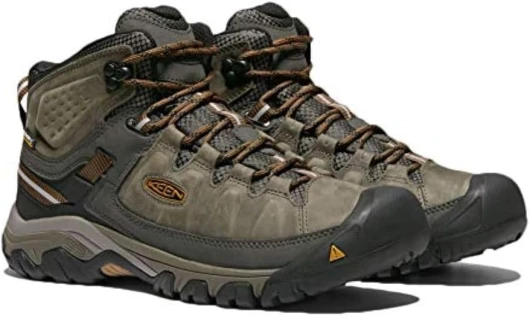
Performance: reliable on trails and wet ground, better for day hikes than hardcore expeditions
On the trail, these Targhee III boots perform consistently well for day hikes and moderate backpacking. I’ve taken them on rocky, rooty paths, some muddy sections, and a mix of gravel and forest floor. The traction from the 4 mm multi-directional lugs is solid. They bite into soft ground and don’t feel sketchy on wet rocks, as long as you’re not doing anything crazy. They’re not mountaineering crampons, but for normal hiking and rough day trails, the grip feels trustworthy.
The external shank and firm midsole make a real difference when you’re stepping on uneven rocks or sharp edges. Instead of feeling every pointy rock through the sole, your foot stays fairly level. That bruise plate and heel cradle they talk about aren’t just buzzwords; on steep downhills, my heels stayed locked in and I didn’t get that sliding-forward feeling that gives you black toenails. One reviewer mentioned toe, heel, and sole protection for rough terrain, and I’d agree with that description. You can stomp around without babying your feet.
Waterproofing performance has been good so far. I’ve walked through wet grass, standing puddles, and light rain, and my socks stayed dry. The KEEN.DRY membrane seems to do its job, letting some moisture out while blocking water from getting in. Like all waterproof boots, your feet will get warmer, and if you’re in hot weather, you might feel that heat buildup. But for wet or cold conditions, I’d rather have these than a non-waterproof mesh shoe. Just don’t expect them to breathe like trail runners.
In terms of use case, I’d place these in the day hiking / moderate load backpacking category. They’re great for weekend hikes, walking the dog in bad weather, and even as everyday boots if you’re on your feet a lot. If you’re carrying a heavy multi-day pack in rough alpine terrain, you might want something stiffer and more technical. On the flip side, if you just need light shoes for fast summer hikes, these might feel overbuilt and warm. They hit a middle ground: stable, protective, and reliable, but not specialized for extreme ends of the spectrum.
What you actually get with these Targhee III boots
On paper, these KEEN Targhee III Mids are sold as a waterproof, mid-height hiking boot with a wider fit and a firm, supportive sole. That’s basically what you get in real life. They come in the Black Olive/Golden Brown color, which looks like a muted olive green with brown and black accents. It’s not flashy, more of a practical outdoor look, which I prefer because I also wear them in town without feeling like I’m in neon mountaineering gear.
The boot sits at a mid-calf height, so it covers the ankle well but doesn’t feel like a full-on mountaineering boot. The weight is around 15.9 oz per shoe, which is noticeable compared to a running shoe but normal for a leather hiking boot. You’ve got a mix of leather panels and breathable mesh, with a rubber toe bumper and a chunky rubber outsole. KEEN pushes the “Original Fit” idea – basically: wider forefoot, more space for toes to spread. As someone who usually needs wide sizes, I can confirm this doesn’t feel narrow at all.
In terms of features, there’s a KEEN.DRY waterproof membrane, a removable insole with some arch support, an external shank for stability, and multi-directional lugs on the sole for grip. None of that is groundbreaking, but it’s the standard package you expect from a mid-range hiking boot. They also mention Leather Working Group-certified leather and an eco-friendlier water-repellent treatment; that doesn’t change how they feel on foot, but if you care about that side of things, it’s there.
Overall, the presentation matches the description: a practical, wide, waterproof hiking boot for people who want support and comfort more than ultra-light speed. It’s not a sleek city boot and not a hardcore alpine boot either. It sits in the middle: day hikes, moderate backpacking, and all-purpose outdoor use. If that’s the use case you’re after, the specs make sense. If you want ultra-light or super rigid mountaineering boots, this isn’t it.
Pros
- Very comfortable fit for wide feet with plenty of toe room
- Firm, supportive sole that helps with foot pain and uneven terrain
- Reliable waterproofing and solid traction in mud and on wet rock
Cons
- Potential weak point at the toe flex area and glue bond over time
- Runs warm due to waterproof membrane, not ideal for hot climates
Conclusion
Editor's rating
The KEEN Men’s Targhee III Waterproof Mid in a wide fit is a practical choice if you’ve got wide or sensitive feet and need a boot that can handle real trails and daily use. The big wins are the roomy toe box, the firm and supportive sole, and the reliable waterproofing. They feel stable on uneven ground, grip well in mud and on wet rock, and protect your toes and heels from hits. For day hikes, dog walks in bad weather, and general outdoor work, they do exactly what you want without any drama.
They’re not perfect though. Durability is decent but not legendary. Some users, and the creasing I see on mine, point to that flex area over the toes and the glue bond as the likely failure points after enough miles. If you’re expecting a boot that will last half a decade of heavy use, this might fall short. Also, they run warm because of the waterproof membrane, so they’re not the best choice for hot, dry climates if you run warm already.
I’d recommend these boots to people who: have wide feet, deal with foot pain or neuropathy, or want a supportive, waterproof boot for regular hiking and everyday wear. If you’re more focused on ultra-long durability or super lightweight summer hiking, you might want to look elsewhere. For what they are – comfortable, supportive, wide-fit hiking boots that handle real-world use pretty well – I’m satisfied, with a few realistic expectations about how long they’ll last.