
Summary
Editor's rating
Value: good comfort and features, but not the toughest for the price
Design: more hiking shoe with ankle than classic boot
Comfort: good out of the box, but on the narrow side
Materials: decent leather, soft midsole, with some longevity questions
Durability: fine for regular hiking, less ideal for daily pounding
Performance on the trail: grip, support and waterproofing
What you actually get with the Mercury IV Mid GTX
Pros
- Comfortable out of the box with good cushioning and ankle padding
- Reliable waterproofing with GORE-TEX lining and gusseted tongue
- Lightweight for a leather mid boot, making long walks less tiring
Cons
- Forefoot runs narrow, not ideal for wide feet
- Sole and heel wear relatively quickly with heavy daily use

Specifications
View full product page →| Brand | Mammut |
Light boots, real hikes: how these Mammut Mercury IV Mid GTX actually feel
I’ve been using the Mammut Mercury IV Mid GTX as my main hiking boots for a few weeks, mostly on 10–15 km day hikes, a mix of wet forest tracks, rocky trails, and muddy fields. I’m not a gear nerd, I just want boots that don’t wreck my feet and don’t fall apart after one season. I’ve used Merrell and Salomon mid boots before, so that’s my reference point. I went for the black / hot red version in 9 UK, standard width, straight from Amazon.
Out of the box, my first reaction was that they felt more like a solid hiking shoe with a bit of ankle than a big mountain boot. They’re fairly light in the hand, and once on the feet they don’t have that heavy, clunky feel some leather boots have. I could walk around the house in them without feeling like I was wearing ski boots, which is a good start. Still, light usually means some trade-offs in long-term durability and protection, so I kept that in mind.
On the first proper outing, a 12 km loop with wet grass, compact dirt and some rocky sections, they behaved well. No hot spots, no rubbing, no heel lift. I did notice the forefoot felt a bit on the narrow side, especially compared to my Salomon X Ultra boots. Not painful, but I felt the sides of the boot more than I’m used to. If you’ve got wide feet, that’s something to flag straight away. They do loosen a bit after a couple of walks, but they’re not a wide-fit boot by any stretch.
Overall, my first impression was: good comfort, decent grip, light on the foot, but with some question marks on long-term sole wear and the narrowish fit. If you want a tank for heavy backpacking or scree bashing, these are probably not that. If you mostly do day hikes in mixed UK-style weather and like a lighter boot, they start to make sense. The rest of this review is basically me going through those points in more detail: fit, materials, performance, durability, and whether the price really matches what you get.
Value: good comfort and features, but not the toughest for the price
In terms of value, the Mercury IV Mid GTX sits in that mid-to-high price range where you start expecting solid comfort, decent materials, and at least reasonable durability. You’re paying for GORE-TEX, Vibram, branded leather, and a known outdoor name in Mammut. On those fronts, you do get what’s advertised: waterproofing works, grip is decent, and comfort is clearly better than cheaper, stiffer boots. If you mostly do day hikes and light treks, the price is justifiable.
Where the value becomes more debatable is if you want something that will last several years of very heavy use. The feedback about the soles wearing relatively quickly and the leather starting to separate at the toe after daily pounding tells me these are not the best choice if durability is your top priority. In that case, you might be better off with a slightly heavier and more robust boot from brands like Meindl, Lowa, or Scarpa, even if they cost a bit more upfront. Those often have stiffer soles and thicker uppers that cope better with constant abuse.
Compared to similar boots from Merrell or Salomon, I’d put these roughly in the same league: comfy, good for day hikes, but not bulletproof. Some people will like the Mammut fit and padding more, others will prefer Salomon’s wider toe box or Merrell’s softer feel. If you can catch the Mercury IV Mid GTX on sale, then the value looks much better. At full RRP, it’s still fair, but you need to know what you’re buying: a light, comfortable hiking boot, not a long-term workhorse.
So overall, I’d say the value is pretty solid if your priority is comfort, waterproofing and weight, and you’re okay with the idea that the soles might not last forever. If you want a boot to use hard every single day, I’d either look at something tougher or accept that you’ll be replacing these after a year or so of very heavy use. For the average weekend hiker, though, the price vs performance balance is decent.
Design: more hiking shoe with ankle than classic boot
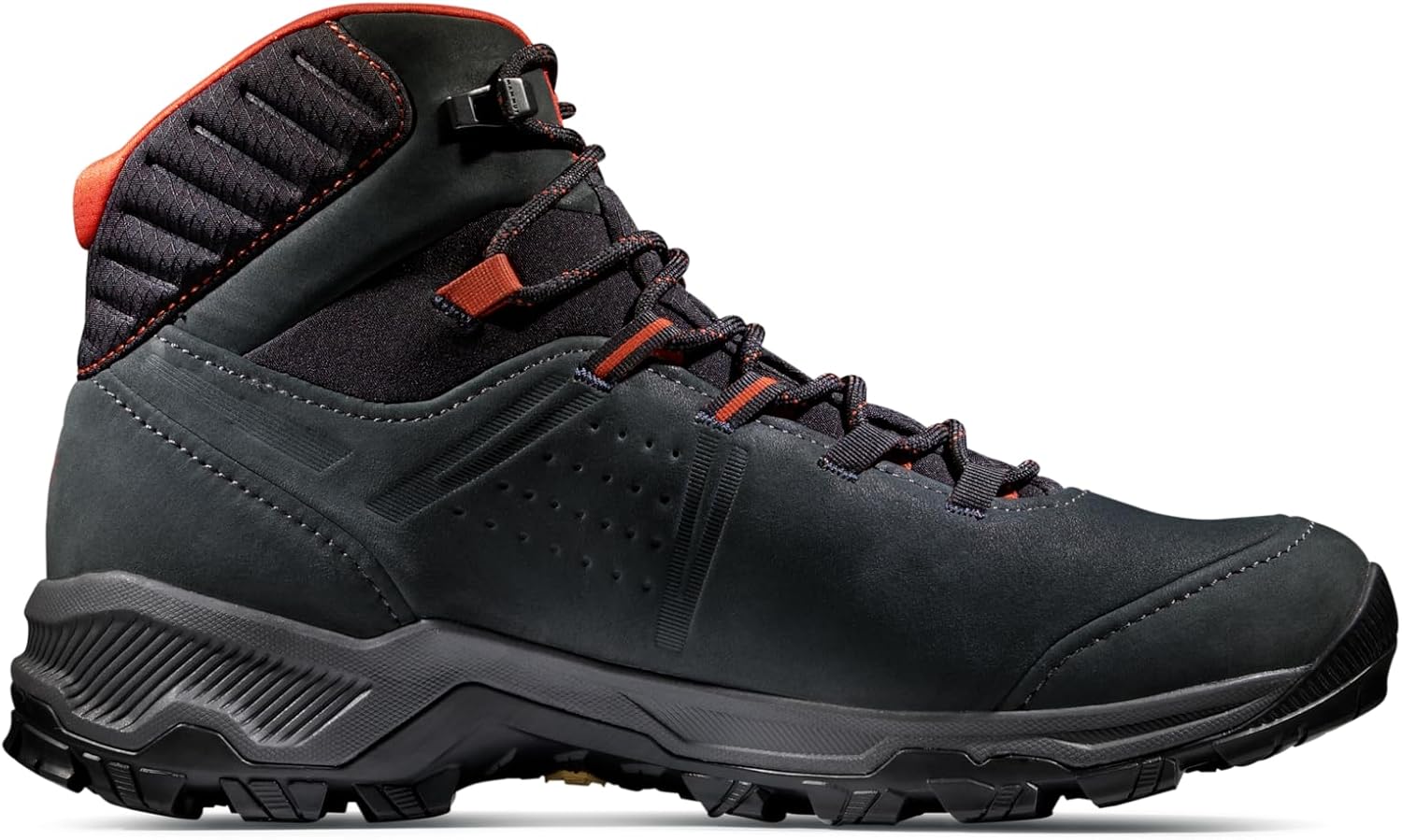
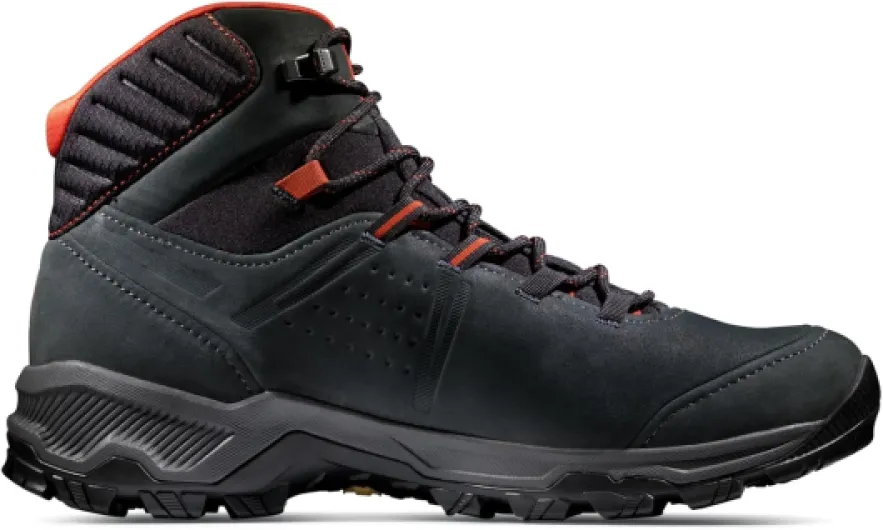
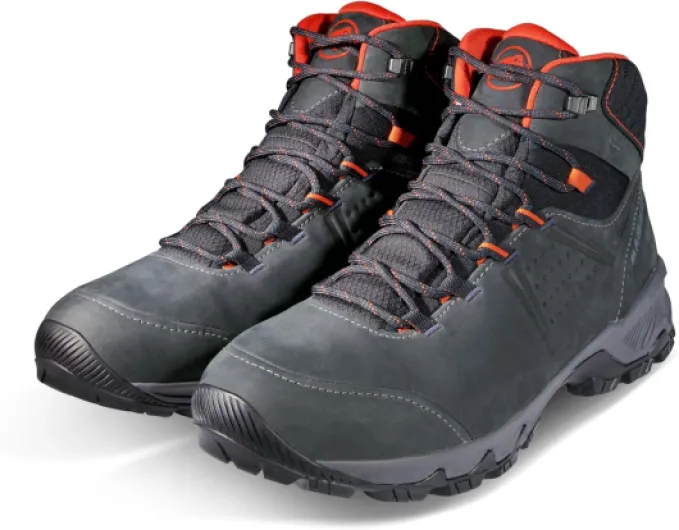
Design-wise, the Mercury IV Mid GTX sits in that middle ground between trainer and boot. They look fairly low-profile, not bulky. The black with red accents is pretty neutral; you can walk into a pub after a hike and not feel like you’re wearing climbing gear. The branding is there but not screaming in your face. If you like simple, slightly technical-looking footwear, you’ll probably be fine with these. If you want something that looks like an old-school leather boot, this isn’t it.
The ankle cut is mid-height. That means you get some support and protection from stones and mud, but it doesn’t lock your ankle the way a stiff high boot would. Around the ankle, the padding is quite generous, almost like a trail running shoe. Several users mentioned a tight fit around the ankle when new, and I felt that too. It feels snug at first, then breaks in after a couple of walks. Once it settles, it gives a decent level of support without feeling restrictive. Just don’t expect hardcore ankle bracing for heavy backpacking on rough terrain.
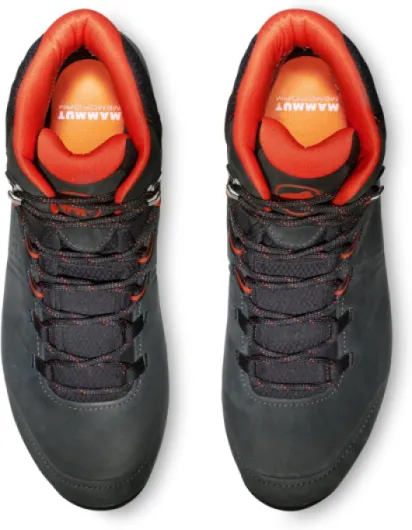
The lace system is straightforward: fabric eyelets down low, then metal hooks for the top two rows. It’s easy to get a secure lock over the instep and then a bit looser above if you like that. The tongue is gusseted (elastic GORE-TEX tongue), which helps keep water and debris out. In practice, that part works well: I walked through wet grass and shallow puddles, and nothing got in from the top as long as I didn’t fully submerge the boot.
One thing I noticed is the toe protection is moderate. There is a rubberized area over the toe, but it’s not a huge bumper. It’s fine for light to medium hiking, but if you often kick rocks or do a lot of scrambling, you’ll feel that it’s not as protective as some chunkier boots. Same story with the heel: shaped well, but not massively armored. For me, the design hits a good balance for day hikes and light trekking. If your idea of hiking is more like approach to climbing routes or multi-day rough backpacking, I’d probably look for something more reinforced and beefier.
Comfort: good out of the box, but on the narrow side
Comfort is where these boots do pretty well, with a couple of caveats. Out of the box, they were wearable straight away. I did a 6–8 km walk on day one, and then a 12 km hike a few days later, and I didn’t get any blisters or serious hot spots. That’s already better than some full-leather boots that need a long break-in. The 3D Memo Foam around the ankle and heel really helps create a snug, cushioned feel. It almost feels like a trail shoe with a bit more structure and ankle padding.
The main downside for me is the fit in the forefoot. The boot runs a bit narrow, especially at the ball of the foot. I have average-width feet and I could feel the sides slightly pressing on the first hike. It wasn’t painful, but I was aware of it. After two or three outings, the leather loosened a bit and it got more comfortable, but it still doesn’t feel wide. If you have wide feet or like a roomy toe box, you might find these too tight unless you size up or play with thinner socks. Some users mentioned wearing two pairs of socks and still being fine, but that depends a lot on your foot shape.
Cushioning underfoot is on the soft side for a hiking boot. On hard-packed tracks, gravel roads, or when you have to walk a few kilometers on tarmac to reach the trail, that softness is a real benefit. My knees and hips felt less beaten up compared to stiffer boots. The trade-off is less precision and less ground feel on rocky technical terrain. You don’t feel every stone, which is nice for comfort, but you also don’t get that solid, planted sensation you get with a stiffer sole. For day hikes and mixed terrain, I’d say it’s a decent compromise.
Breathability is okay for a GORE-TEX boot, but let’s be realistic: any waterproof boot with leather and membrane will get warm if you push hard or in summer. On cool, damp days, my feet stayed dry and reasonably comfortable. On a warmer day, my socks were a bit sweaty, but not worse than other GTX boots I’ve used. Overall, comfort is a strong point if your feet fit the last. If your feet are wide or very sensitive, I’d be cautious. For most average-footed people who do day hikes, they’ll probably feel pretty good once you’ve done a couple of walks to soften them up.
Materials: decent leather, soft midsole, with some longevity questions
The materials are one of the selling points here. You’ve got terracare nubuck leather on the upper, which is supposed to be responsibly produced and more eco-friendly, plus synthetic panels to reduce weight and add some flexibility. In hand, the leather feels decent: not super thick mountaineering-grade, but not flimsy either. After several wet and muddy walks and a basic hand wash, the leather has held up fine so far. No cracks, no weird delamination, just some scuffs that you’d expect from normal use.
Inside, there’s a GORE-TEX lining and some 3D Memo Foam in the lining and insole area. The memo foam is basically cushioning that shapes a bit to your foot. You notice it around the ankle and heel especially – it gives a cushy, snug feel, more like a running shoe than a stiff boot. The downside is that this style of padding can pack down over time. Right now, it’s comfortable, but I wouldn’t be surprised if in a year of heavy use it feels a bit less plush. Still, for the first months, it’s definitely on the comfy side.
The EVA midsole is where I have mixed feelings. It’s comfortable and gives good shock absorption, especially on hard paths and tarmac sections. On the other hand, EVA tends to compress and the lugs on the Vibram outsole can wear faster than on a more rigid boot. One of the Amazon reviewers mentioned the soles not being very durable, and that matches what I’ve seen with similar Mammut and other light boots: heel wear shows up fairly quickly if you walk a lot on abrasive surfaces. So if you’re doing daily 10k+ in them, expect the heel lugs to go down well before the upper dies.
Overall, materials are solid for a light mid boot, but they’re clearly chosen for comfort and weight rather than maximum lifespan. The bluesign and sustainability side is nice, but from a pure user point of view, I’d summarise it like this: good quality leather, decent lining, comfy midsole, but don’t expect the sole to last forever if you hammer them every day. They feel more like a premium day-hiking boot than a boot you’ll keep for ten years of hard use.
Durability: fine for regular hiking, less ideal for daily pounding
Durability is where you need to be a bit realistic with these boots. They are lightweight mid boots with soft cushioning, not brick-like trekking boots. Based on my usage and what other buyers report, the uppers hold up reasonably well: the terracare leather doesn’t seem to crack quickly, and the stitching looks clean and solid. One reviewer mentioned that after a year of daily 10k+ use, the leather started to separate around the toe cap and the welt. Honestly, if you hammer any light leather boot every single day, that kind of wear isn’t shocking.
The more obvious weak point is the sole wear at the heel. Soft EVA midsoles and fairly grippy rubber usually mean you get comfort and traction at the cost of longevity. If you mainly hike on dirt tracks, forest paths and grassy hills, you’ll probably get a good couple of seasons before the heel lugs are noticeably worn. If you walk a lot on tarmac or very abrasive gravel, expect the heel to go down faster. The reviewer whose heel wore out in about a year of daily long walks is a good benchmark: that’s heavy use, and the boots lasted, but they were clearly at the end of their life.
The GORE-TEX membrane so far hasn’t leaked for me, but membranes can be hit or miss over several years. With light boots like this, I usually expect 2–3 years of regular weekend use before waterproofing starts to get less reliable, either from tiny holes or from the outer material wetting out more. Keeping the leather treated and clean helps a bit, but it’s not a magic fix.
So, are these tanks that will last forever? No. For moderate use – weekend hikes, some travel, light trekking – they’re fine and should last a decent amount of time if you don’t abuse them on concrete every day. If your plan is to wear one pair of boots for daily long dog walks, commuting, plus all your hikes, I’d say expect around a year or so of heavy use before the sole and maybe the toe area start showing serious wear. There are tougher boots out there, but they’re usually heavier, stiffer, and often more expensive.
Performance on the trail: grip, support and waterproofing
On the trail, the Mercury IV Mid GTX behaves like a light, flexible hiking boot. Grip from the Vibram sole is decent: on wet forest soil, wet grass, and rocky paths, I didn’t have any scary slips. The lugs aren’t super aggressive, but they clear mud reasonably well and give enough traction for typical day hikes. On very slick mud or wet rock, they’re no miracle, but that’s true for most boots. Compared to my Salomon boots, I’d say grip is similar, maybe slightly less bite in deep mud but better cushioning on harder surfaces.
Support-wise, the ankle gives a moderate amount of stability. I twisted my foot slightly on some uneven ground and the boot helped keep it under control, but it’s not like a rigid backpacking boot. The flex in the sole makes walking feel natural, especially on rolling terrain. When you’re side-hilling on steep slopes, you do feel that flex, so if you’re carrying a heavy pack on rough ground, you might want something stiffer. For day hikes with a light to medium pack, it’s more than enough.
Waterproofing has been good so far. I walked through wet grass, shallow puddles, and muddy tracks, and my feet stayed dry. The GORE-TEX membrane plus the gusseted tongue do their job. The limiting factor is the boot height: if water gets above the ankle, it will eventually come in from the top, but that’s normal. Breathability is acceptable for GTX – not airy, but not a sauna either. Socks came out damp from sweat on longer walks, not soaked.
Where performance is a bit more questionable is long-term sole durability. One Amazon reviewer mentioned that the soles are not very durable, and another said their first pair lasted about a year of daily 10k+ walking before splitting around the welt and wearing the heel down. For a boot at this price, a year of heavy daily use is not terrible, but it’s also not what I’d call long-lasting. So in practice: for weekend hikers and occasional trips, performance will feel strong. If you plan to use them as everyday walking boots on concrete and tarmac, expect the soles to go quicker than on a heavier-duty model.
What you actually get with the Mercury IV Mid GTX
On paper, these boots tick a lot of boxes: GORE-TEX membrane, Vibram sole, EVA midsole, nubuck leather upper, ankle height, and a weight that’s closer to a sturdy shoe than a classic leather boot. The pair I got is made in China, which is standard now even for big outdoor brands, so nothing surprising there. The shaft height is ankle, not high-cut, so you get some ankle protection and support but it’s not a full-on mountaineering style.
The upper is a mix of terracare nubuck leather and synthetic panels. Mammut pushes the sustainability angle: terracare leather from Germany, bluesign-certified, plus the GORE-TEX membrane is also bluesign-certified. That’s nice to read, but in practice what matters is: does the leather hold up, does it crease badly, and does it stay reasonably water-resistant together with the membrane. After a few muddy and wet outings, the leather has picked up the usual marks but nothing crazy. No peeling, no weird wrinkles, just normal wear.
The sole is a Vibram unit with a fairly classic hiking pattern: medium-depth lugs, not super aggressive like a mountaineering boot, but enough for forest trails, wet grass and rocky paths. The midsole is EVA, so the cushioning feels more like a running shoe than a stiff boot. If you’re used to old-school leather boots with hard midsoles, this will feel much softer underfoot. Personally, I like that for day hikes, but it usually means the sole wears down faster, especially at the heel.
In the box, you basically get the boots and that’s it. No extra insoles, no fancy accessories. The laces are standard flat-ish hiking laces, not too thin, not super beefy. Eyelets are a mix of fabric loops and metal hooks at the top. Overall, the presentation is simple and functional: you’re paying for the boot, not for frills. It feels like a mid-to-high range product, not cheap, but also not in the same league as very heavy-duty boots that cost a lot more. Whether that price is justified depends mainly on how long the sole and leather last, which I’ll get into later.
Pros
- Comfortable out of the box with good cushioning and ankle padding
- Reliable waterproofing with GORE-TEX lining and gusseted tongue
- Lightweight for a leather mid boot, making long walks less tiring
Cons
- Forefoot runs narrow, not ideal for wide feet
- Sole and heel wear relatively quickly with heavy daily use
Conclusion
Editor's rating
For me, the Mammut Mercury IV Mid GTX is a comfortable, light mid-height hiking boot that works well for day hikes, mixed terrain, and wet conditions, as long as you don’t expect it to be indestructible. The big positives are the out-of-the-box comfort, the decent grip from the Vibram sole, and the reliable waterproofing from the GORE-TEX lining. The memo foam around the ankle and heel gives a nice snug feel, and the overall weight makes longer walks less tiring compared to heavier leather boots.
On the downside, the fit runs a bit narrow in the forefoot, so wide-footed people should be cautious or consider sizing up. Durability is okay for regular weekend use but not outstanding for heavy daily wear. Reports of soles wearing down and some separation around the toe after a year of hard, daily 10k+ walks match what I’d expect from a light EVA-based boot, not a heavy-duty trekking model. So it’s not bad, but it’s not a long-term tank either.
If you’re a casual to regular hiker doing mostly day hikes, light backpacking and general outdoor use, and you want a boot that’s comfy, waterproof, and not too heavy, these are a solid option, especially if you find them at a discount. If you have very wide feet, carry heavy loads on rough terrain, or want something that will survive years of daily abuse, I’d look at more robust alternatives. Overall, I’d give them a 4/5: good boots that do the job well, with some trade-offs in fit and long-term toughness.