
Summary
Editor's rating
Value for money: where these boots sit in the market
Design: looks, fit, and those lace hooks everyone talks about
Comfort: out-of-the-box feel, support, and real-world walking
Materials and build: what you’re actually standing in
Durability: how they hold up after real use
Trail performance: grip, stability, and real waterproofing
What these boots actually are (and aren’t)
Pros
- Genuinely waterproof in real use (streams, wet grass, rain) while keeping feet warm
- Good grip and stability on wet, uneven terrain thanks to the chassis and outsole
- Comfortable out of the box with a roomy toe box and secure heel lock
Cons
- Average arch support; many users will want aftermarket insoles
- Runs a bit snug with thick socks, so sizing can be tricky
- Warmer and heavier than a lightweight trail shoe, not ideal for hot climates

Specifications
View full product page →| Brand | Salomon |
Mid-cut hikers you can actually wear all day
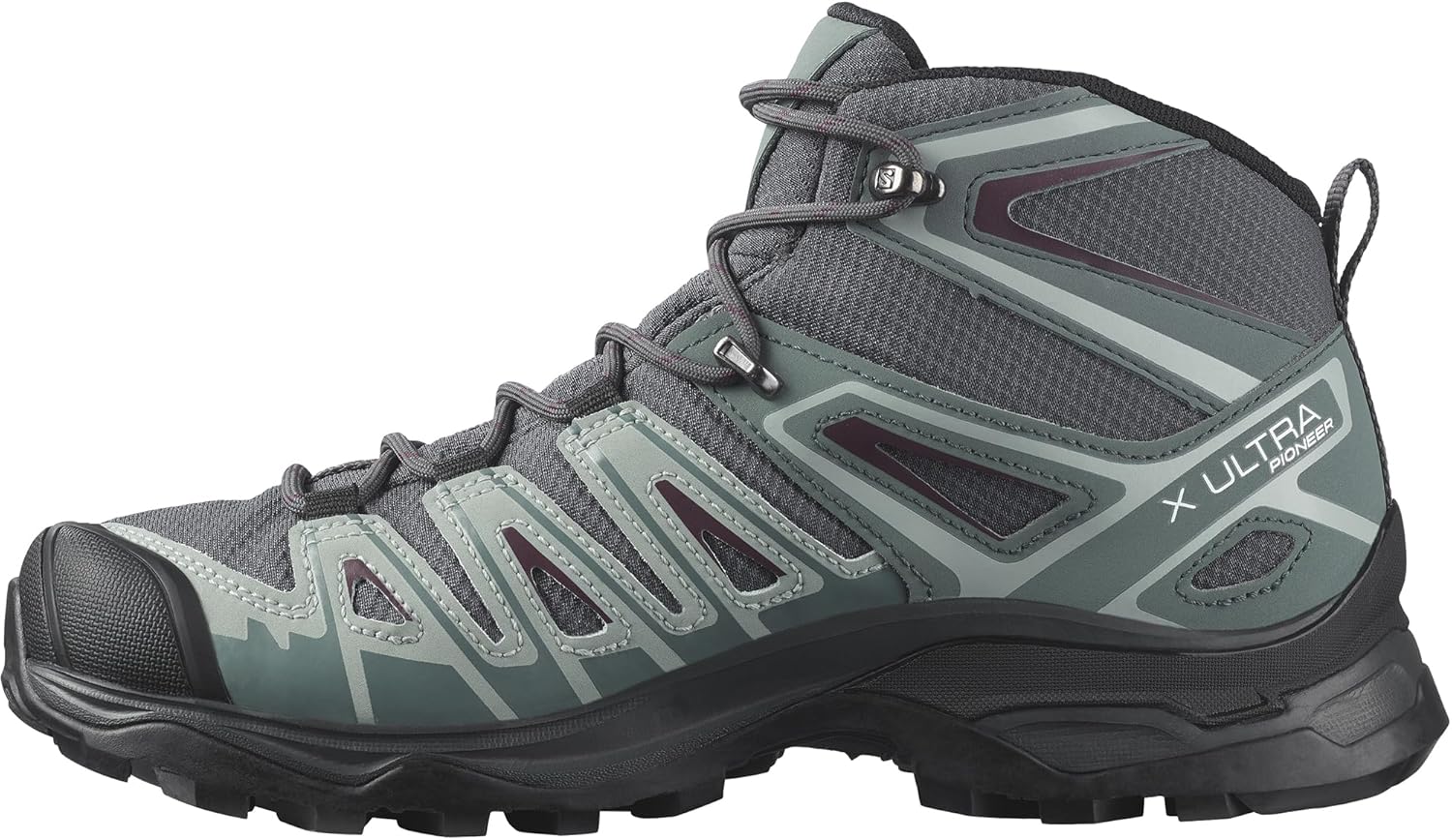
I’ve been using the Salomon Women's X Ultra Pioneer Mid Climasalomon Waterproof boots (the Ebony/Stormy Weather/Wine Tasting color in size 9) for a mix of weekend hikes and normal city walking. So this is not a lab test, just how they behaved in real life: pavement, mud, wet grass, a couple of rocky trails, and a few long days on my feet. I’ve owned other hiking boots from Merrell and The North Face, so I have some points of comparison.
The short version: they’re comfortable, properly waterproof, and grippy, but not perfect. They run a touch snug with thick socks, the arch support is nothing special, and they’re not the lightest thing if you’re used to trail runners. But they feel secure, and I never felt like my ankles were about to roll, even on uneven terrain.
I didn’t baby them. First weekend, they went through wet leaves, shallow puddles, and some sloppy park trails. Then I wore them to run errands and commute, which is where you really notice hotspots or annoying pressure points. No blisters for me, but I did feel the weight at the end of the first long day. After a week or so, my feet got used to them.
If you want a mid-cut boot that can handle proper hiking but still looks normal enough for everyday use, these are pretty solid. If you’re chasing ultra-light gear or have very specific arch or width needs, you might want to think twice or plan on swapping the insoles. I’ll break everything down below.
Value for money: where these boots sit in the market
In terms of price, these sit in that mid-range hiking boot zone. They’re not bargain-basement cheap, but they’re also not at the top-end price of some premium leather or ultra-technical boots. For what you pay, you’re getting a known brand, a proper waterproof membrane, decent materials, and a design that works both on trails and in town. That’s already a decent package.
Comparing them to other boots I’ve used: versus my older Merrell mid hikers, the Salomons feel more stable and a bit more precise in fit, with better grip on wet terrain. Versus a The North Face Hedgehog-type shoe, these feel slightly roomier in the toe box and a bit more forgiving for all-day wear. They’re heavier than some lightweight hiking shoes, but you’re trading that for extra ankle coverage and a more boot-like feel. So you’re not getting ripped off; you’re paying for a certain balance of comfort, protection, and brand reliability.
The main areas where the value could be better are the stock insoles and the weight. For the price, I would have liked slightly better arch support out of the box. As it stands, many people (me included) will end up buying aftermarket insoles. Also, if you’re only doing easy flat trails, you might be paying for more boot than you actually need and carrying extra weight for no reason. In that case, a lighter trail shoe might give you better value.
But if you’re someone who hikes regularly, walks a lot, and needs something that will actually keep your feet dry and stable in mixed conditions, these are good value for money. They’re the kind of boot you can wear for work, dog walks, and weekend hikes without worrying too much. Not a bargain steal, but a fair price for a reliable tool.
Design: looks, fit, and those lace hooks everyone talks about
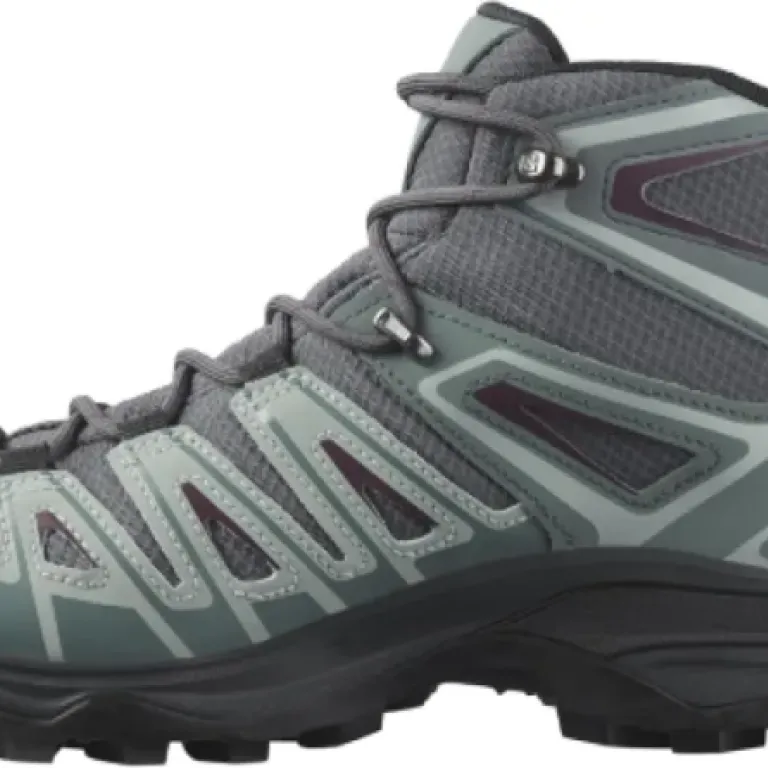
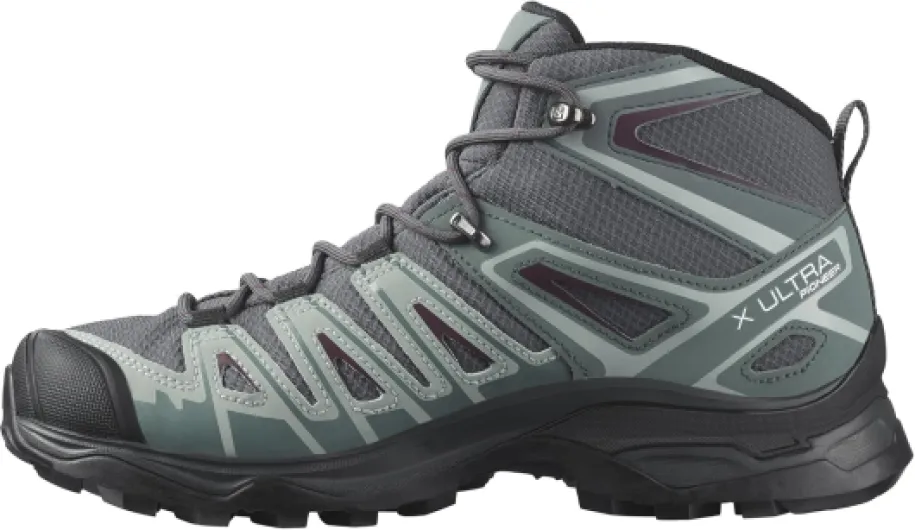
Design-wise, these are pretty low-key. The Ebony/Stormy Weather/Wine Tasting combo is mostly dark grey/black with some muted wine accents. It’s not flashy, which I liked. You can wear them with jeans or hiking pants and they don’t look out of place in either situation. The branding is visible but not shouting at you. If you hate neon outdoor gear, this colorway is fine.
The cut is mid-height, so it covers the ankle bone but doesn’t climb too high up the leg. That gives a decent sense of ankle support without feeling like a rigid ski boot. The lacing system is traditional, with regular eyelets lower down and hooks at the top. Some people online complain that the hooks catch the other boot’s laces. I tried to reproduce that: I laced them normally, walked, did stairs, even tried to purposely drag one boot across the other. I didn’t manage to get them to hook, same as one of the Amazon reviewers. My guess is if you leave the top hooks unused or let the lace loops dangle too long, you might run into that problem, but laced all the way up and snug, I had no issue.
The overall shape: the forefoot has a reasonably wide toe box, especially compared to older Salomon models that were quite narrow. My toes had space to splay and I didn’t get any rubbing on descents. The heel is more locked-in, which is what you want to avoid heel lift and blisters. If you have very wide feet, you might still find them a bit snug, but for my average-width foot, they felt balanced. I did notice they run just a little short if you wear thick hiking socks, so half a size up would not be crazy.
From a style and usability standpoint, the design gets the job done: practical, stable, and subtle-looking. Nothing about it blew me away, but nothing annoyed me either, which is kind of what you want from boots you plan to abuse in mud and rocks.
Comfort: out-of-the-box feel, support, and real-world walking
Out of the box, the first thing I noticed was that they didn’t really need a break-in period. I wore them straight for a few hours around the house and then for a 6–7 km city walk. No blisters, no hot spots, just a bit of that “I’m wearing boots” fatigue at the end. Compared to some heavier leather boots I’ve owned, these were much easier on day one. Compared to trail runners, obviously they feel bulkier and warmer.
The fit for me (true size, medium-width foot) was on the slightly snug side with thick socks. With normal hiking socks, they felt fine. If you love thick wool socks or your feet swell a lot on long hikes, I’d seriously consider going up half a size, which lines up with what one reviewer said about them feeling a bit tight with thicker socks. The toe box is forgiving enough that my toes didn’t hit the front on descents, which is crucial. Heel lockdown was good; I didn’t feel my heel sliding up and down on steep sections.
Arch support is where these are just “okay”. For short hikes and daily walking, I was fine. But once I pushed past about 10–12 km in a day, I started to feel that the stock insoles are a bit flat. Swapping to my own insoles fixed that. If you have neutral feet and don’t usually worry about arch support, you’ll probably be fine. If you’re picky about support, just factor in the cost of aftermarket insoles.
Breathability and warmth are also part of comfort. These boots run on the warm side, which can be good or bad. On cool and wet days, I liked it—my feet stayed warm and dry. On a mild sunny day walking around the city, my feet felt a bit warm by the afternoon. I wouldn’t choose these for hot summer hikes unless staying dry is more important than staying cool. But for shoulder seasons, rain, and light winter use, the comfort level is very good, as long as you manage expectations about support and maybe tweak the insoles.
Materials and build: what you’re actually standing in
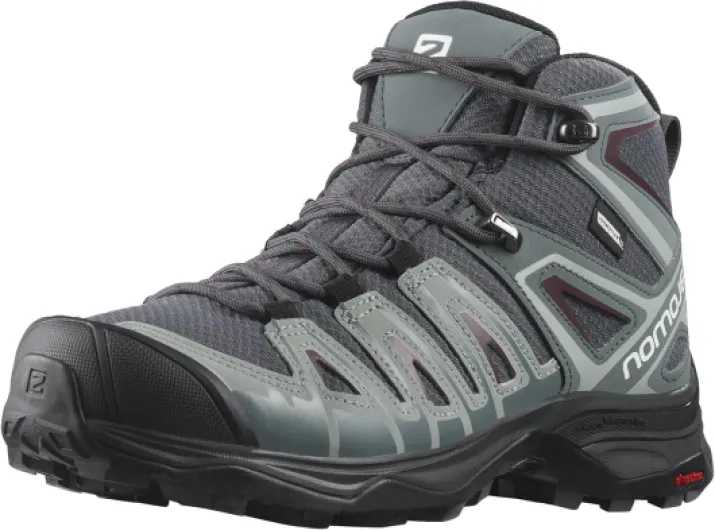
These boots use a mix of synthetic fabrics, some leather, and a rubber sole, plus the ClimaSalomon waterproof membrane inside. You’re not getting full-grain leather like an old-school backpacking boot, but that also means less break-in time and lower weight. The outer feels like a combination of coated textiles and small leather panels in the higher-wear areas, which is pretty standard in this price range.
The outsole is a grippy rubber with a decent lug pattern. It’s not super aggressive mountaineering-style lugs, but it’s enough for most trail conditions: dirt, roots, wet rocks, and even some light snow or slush. There’s an Advanced Chassis sandwiched between the outsole and midsole, which basically adds stiffness and stability underfoot. You don’t really “see” this, but you feel it when you step on pointy rocks: they don’t poke through much, and your foot doesn’t fold around them like with softer shoes.
Inside, the lining and padding feel decent but not luxurious. The ankle collar and tongue have enough cushioning to prevent rubbing, but they’re not overstuffed. The stock insole is basic foam—nothing special, nothing terrible. If you rely on strong arch support or have plantar fasciitis, you’ll probably want to drop in your own insoles. A couple of reviewers mentioned limited arch support, and I agree: it’s average at best. I swapped in my usual aftermarket insoles and that made a noticeable difference on longer hikes.
Overall build quality out of the box looked good: clean stitching, no glue blobs, no weird seams. After multiple wet hikes and city walks, I haven’t seen any peeling or seams starting to go. For imported mid-range hiking boots, I’d call the materials solid and appropriate for the price, but not premium. They feel like gear you can use hard without feeling precious about every scratch.
Durability: how they hold up after real use
Durability is always tricky to judge long-term, but I can at least talk about how they’re holding up after weeks of mixed use. I’ve worn them in rain, mud, light snow, and on abrasive city sidewalks. So far, the outsole shows minimal wear, just some smoothing on the very edges of a few lugs, which is normal. No chunks missing, no separation between the sole and the upper.
The upper material has taken some scuffs from rocks and branches but nothing serious. The synthetic parts are easy to wipe clean; dried mud brushes off pretty quickly. The small leather sections picked up a bit of marking, but that’s cosmetic. Stitching is still intact everywhere I checked: around the toe cap, heel, and lace area. No fraying or loose threads yet. This matches the vibe from reviewers who say they’ve used them heavily for walking and they last over a year. I can see these going at least a full hiking season, probably more, if you’re not brutal with them.
The waterproof membrane is still doing its job after multiple soakings. I specifically re-tested it after a few weeks by standing in a shallow stream and then walking through soaked grass for about 20 minutes. Feet stayed dry, which tells me the seams and membrane haven’t given up yet. Over time, you’ll need to reapply a DWR spray if the outer starts soaking water instead of beading it, but that’s normal maintenance for any waterproof boot.
Inside, the padding hasn’t packed down much. The ankle collar still feels cushioned, and the tongue hasn’t gone flat. The stock insoles look fine but, like I said, they’re basic. If anything is going to show wear first, it’ll probably be those insoles and maybe the laces. But overall, for the price and the fact these are not full-leather tanks, durability seems good and in line with what I’d expect from a mid-range Salomon boot. Not bombproof, but definitely not flimsy.
Trail performance: grip, stability, and real waterproofing
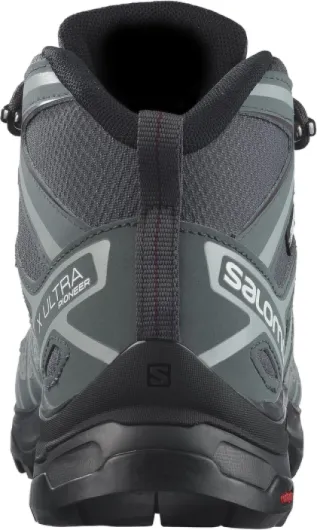
On the trail, these boots are reliable more than flashy. The grip is honestly one of the best points. On wet dirt, roots, and some slick rocks, I felt secure. I did a couple of hikes with friends wearing different brands (Merrell and cheap Amazon boots), and I noticed I slipped less often on muddy sections. That matches what one Amazon reviewer said about never slipping, even while others in the group did. On compacted snow and icy patches, you still need to be careful—they’re boots, not crampons—but I had decent traction for normal winter walking.
Stability is solid thanks to the Advanced Chassis and the mid-cut design. Side-to-side support is good; my ankles felt supported when stepping on uneven rocks or off small ledges. The sole is stiff enough underfoot that sharp stones don’t punch through, but there’s still some forefoot flex so walking doesn’t feel robotic. For day hikes with a light to medium pack, this balance works well. With a heavy backpack over several days, I’d personally want something beefier, but that’s beyond what these are meant for.
Waterproofing is where they perform really well. I walked through wet grass, shallow puddles, and small streams where the water came up close to the lower part of the laces. My socks stayed dry every time. One reviewer mentioned wading through streams with dry feet, and I can back that up within reasonable depth. If you fully submerge past the tongue gusset, you’ll obviously get water in, but that’s true for most boots. The trade-off is they run warm and don’t vent moisture out as quickly, so if you sweat heavily, your socks can still get damp from the inside.
For longer use, after several full days on my feet (mix of trail and city), I didn’t feel wrecked at night. Another reviewer mentioned not having tired or bruised feet after tough hikes, and that lines up with my experience: the combination of cushioning, support, and waterproofing is good enough that you can push decent distances without feeling destroyed, assuming you dial in the fit and insoles. They’re not performance race shoes, but as a dependable hiking boot, they do their job well.
What these boots actually are (and aren’t)
On paper, the X Ultra Pioneer Mid Climasalomon Waterproof is a mid-cut hiking boot aimed at people who do regular day hikes or light backpacking but still want something they can wear around town. It borrows from Salomon’s X Ultra line, which is more trail-shoe focused, but adds more ankle coverage and weather protection. The key features are the ClimaSalomon waterproof membrane, the Advanced Chassis between outsole and midsole, and a traditional lace system with hooks at the top.
In practice, I’d describe them as a hybrid between a hiking boot and a chunky outdoor sneaker. They’re not as stiff and tank-like as classic leather backpacking boots, but they’re clearly more supportive than a basic trail runner. You get enough structure to feel protected on rocky sections, but they still flex enough in the forefoot so walking on pavement doesn’t feel like you’re wearing ski boots.
Salomon markets them as versatile enough for “daily life,” and that’s partly true. I wore them to the grocery store, commuting, and walking the dog. They don’t scream “I’m going on an expedition,” especially in this muted colorway, so you don’t look out of place. That said, they’re still boots: you feel the height and the weight compared to normal sneakers. If you’re sensitive to heavy footwear, you’ll notice that by the end of the day.
What they are not: they’re not ultralight fastpacking shoes, and they’re not hardcore mountaineering boots. They sit in that middle ground: good for day hikes, travel in wet/cold weather, and regular walking, but I wouldn’t pick them for multi-day technical backpacking with a heavy pack or for super hot climates where breathability is more important than waterproofing.
Pros
- Genuinely waterproof in real use (streams, wet grass, rain) while keeping feet warm
- Good grip and stability on wet, uneven terrain thanks to the chassis and outsole
- Comfortable out of the box with a roomy toe box and secure heel lock
Cons
- Average arch support; many users will want aftermarket insoles
- Runs a bit snug with thick socks, so sizing can be tricky
- Warmer and heavier than a lightweight trail shoe, not ideal for hot climates
Conclusion
Editor's rating
Overall, the Salomon Women's X Ultra Pioneer Mid Climasalomon Waterproof boots are solid, no-nonsense hikers that do what they’re supposed to do. They’re comfortable enough out of the box, properly waterproof, and have good grip on wet and uneven terrain. The mid-cut design and Salomon’s chassis give a nice feeling of stability without turning them into stiff bricks. If you hike regularly, walk a lot, or just want one boot that can handle rain, mud, and everyday wear, they’re a sensible choice.
They’re not perfect. The stock arch support is average, the weight is noticeable if you’re used to lighter shoes, and the fit can feel a bit snug with thick socks, so sizing up half a size is worth considering. But none of these are deal-breakers if you know what you’re getting. Drop in better insoles and you’ve got a very capable all-round boot. The Amazon rating around 4.5/5 feels justified based on my experience and the other user reviews: not flawless, but clearly more good than bad.
Who are these for? People who want reliable, mid-range waterproof boots for day hikes, travel, and everyday wet-weather use. Who should skip them? Ultralight hikers who hate weight on their feet, people who need strong custom support and don’t want to mess with insoles, or anyone living in very hot, dry climates where waterproof boots are overkill. If you fit the first group, these are a pretty safe bet and should serve you well for a long stretch of trails and rainy days.