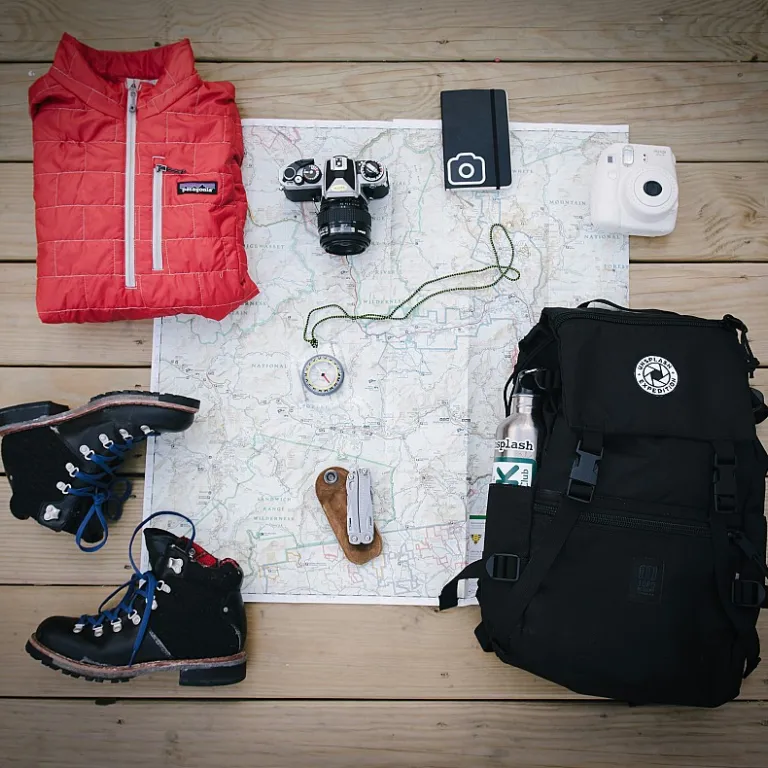

Understanding the appeal of hiking cowboy boots
Why Outdoor Enthusiasts Are Drawn to Cowboy-Style Hiking Boots
There’s a certain rugged charm to cowboy boots that appeals to many outdoor enthusiasts. The classic western silhouette, with its pointed or square toe and distinctive stitching, stands out on the trail. For some hikers, the idea of combining the iconic look of cowboy boots with the technical features of hiking footwear is intriguing. It’s not just about style — it’s about finding a pair of boots that can handle both the demands of mountain hiking and the unpredictability of camping trips.
Many brands, including Ariat, have responded to this interest by offering boots that blend the aesthetics of western boots with the performance of hiking boots. These hybrid options often feature waterproof materials, composite or steel toe protection, and soles designed for traction on varied terrain. The goal is to create a boot that’s as comfortable on a muddy trail as it is in a work setting or even while riding.
- Style meets function: Western-inspired hiking boots let you express your personality while tackling tough terrain.
- Versatility: Some models are marketed as ideal for both work and trail, making them appealing for those who want one pair for multiple uses.
- Shop for features: Look for waterproof boot options, soft or composite toe work protection, and soles built for grip.
- Options for everyone: There are boots for men and women, with choices ranging from classic riding boots to modern hiking footwear.
Price is another factor. While some western boots can be expensive, there are affordable hiking cowboy boots that still offer good support and durability. Whether you’re searching for boots men prefer for tough jobs, or boots hiking enthusiasts trust for long trails, it’s important to find the right fit for your feet and your adventures.
If you’re curious about how these boots stack up in wet conditions, check out this guide to top waterproof boots for outdoor use. It’s a helpful resource for anyone considering a new pair for their next trail or camping trip.
Key differences between hiking cowboy boots and traditional hiking boots
Construction and Materials: What Sets Them Apart
When comparing cowboy boots designed for hiking with traditional hiking boots, the first thing to notice is the difference in construction and materials. Classic western boots often feature tall shafts, decorative stitching, and a pointed or square toe. Hiking boots, on the other hand, are built for function over form, prioritizing ankle support, grippy outsoles, and a snug fit around the foot.
- Toe Design: Cowboy boots frequently have a pointed or square toe, which can limit toe splay and comfort on rugged terrain. Hiking boots usually offer a rounded, roomier toe box, ideal for long distances and uneven trails.
- Waterproofing: While some cowboy boots for hiking now come with waterproof membranes, most traditional hiking boots are specifically engineered to keep feet dry in wet conditions. If you’re looking for a good waterproof boot, hiking-specific footwear generally outperforms western boots.
- Support and Fit: Hiking boots are designed with reinforced ankle collars, cushioned midsoles, and supportive footbeds. Cowboy boots, even those marketed for hiking, often lack this level of support, which can be crucial for mountain hiking or long camping trips.
- Outsole Grip: The tread on hiking boots is optimized for traction on slippery or rocky terrain. Western boots tend to have smoother soles, which can be less reliable on challenging trails.
- Toe Protection: Many hiking boots and work boots offer composite toe or steel toe options for added protection. Cowboy boots may have a reinforced toe, but it’s rarely as robust as what you’ll find in hiking or work footwear.
Style Versus Function: Choosing the Right Pair
For those who value the classic look of western boots, brands like Ariat offer hybrid models such as the Ariat Terrain, which blend cowboy style with hiking functionality. However, these boots still differ from dedicated hiking footwear in terms of weight, flexibility, and overall trail performance. When shopping for boots men and women can rely on for serious outdoor use, it’s important to weigh style against the practical needs of your feet and the terrain you plan to tackle.
In summary, while cowboy boots can be adapted for hiking, traditional hiking boots remain the ideal choice for most outdoor enthusiasts who prioritize comfort, support, and durability on the trail.
Performance on various terrains
How Cowboy Boots Handle Trails, Rocks, and Mud
When it comes to tackling diverse terrain, the differences between cowboy boots and traditional hiking boots become clear. Experienced hikers and mountaineers know that the right footwear can make or break a trip, especially when the trail throws unexpected challenges your way. Cowboy boots, especially those designed for work or riding, often feature a square toe or composite toe for added protection. However, these boots typically have a higher heel and a less aggressive tread compared to hiking boots. This means that while they might perform well on dry, flat trails or during light camping trips, they can struggle on rocky, uneven, or muddy ground. The lack of a deep lug sole makes it harder to grip slippery surfaces, which is a key consideration for mountain hiking or technical terrain. Traditional hiking boots, including models like the Ariat Terrain, are engineered with terrain waterproof features and a sole designed for traction. These boots are ideal for wet, steep, or loose surfaces, offering stability and reducing the risk of slips. Waterproof boot options are especially important when crossing streams or hiking in unpredictable weather. For those who value versatility, some hiking footwear even blends the western style with modern hiking technology, but pure cowboy boots rarely match the performance of dedicated hiking boots on challenging trails.| Feature | Cowboy Boots | Hiking Boots |
|---|---|---|
| Tread | Minimal, smooth | Deep, aggressive |
| Toe Protection | Square/composite toe, some steel toe | Reinforced, often rubberized |
| Waterproofing | Occasional, not standard | Common, especially in waterproof work boots |
| Support | Good for riding, less for hiking | Designed for hiking support |
Comfort and support for long-distance hikes
How Do Cowboy Boots Stack Up for All-Day Comfort?
When it comes to long-distance hiking, comfort and support are non-negotiable. Traditional hiking boots are engineered with features like padded collars, cushioned midsoles, and ergonomic footbeds to keep your feet happy mile after mile. But how do cowboy boots, even those marketed as hiking or work boots, compare for extended treks?
- Foot Support: Most cowboy boots, including popular western and riding boots, have a higher shaft and a stiffer construction. While this design offers decent ankle protection, it can restrict natural movement and may not provide the same level of arch or heel support as dedicated hiking footwear. Some brands, like Ariat, have introduced models with improved insoles and softer linings, but the overall support still tends to lag behind that of hiking boots.
- Toe Box and Fit: Square toe and composite toe cowboy boots are popular for work and riding, but the toe box can be narrow compared to hiking boots. This can lead to discomfort or even blisters on longer trails, especially for hikers with wider feet. A snug fit is crucial for mountain hiking, and many find that traditional hiking boots offer a better fit for varied terrain.
- Waterproofing and Breathability: While some cowboy boots are marketed as waterproof work boots, the level of water resistance often falls short of what you’d expect from a dedicated waterproof boot designed for hiking. Hiking boots for men and women typically use advanced membranes to keep feet dry while allowing sweat to escape, which is essential for comfort during camping trips or multi-day hikes.
- Weight and Flexibility: Cowboy boots, especially those with steel toe or composite toe features, can be heavier and less flexible than hiking boots. This extra weight can contribute to fatigue over long distances, making them less ideal for those who prioritize lightweight footwear hiking options.
For those who value the western style or need a boot that transitions from trail to work, some hybrid models exist. However, for most serious hikers, a pair of boots designed specifically for hiking will deliver better comfort, support, and overall performance on the trail. Shop carefully and try on multiple pairs to find the boots ideal for your feet and your adventures.
Durability and maintenance in harsh conditions
How Well Do Cowboy Boots Stand Up to Tough Trails?
When it comes to durability, hiking cowboy boots and traditional hiking boots take different approaches. Western boots, often made with thick leather and robust stitching, are built to last on ranches and in the saddle. However, the demands of mountain hiking and rugged trails can be a different story. Cowboy boots, especially those designed for work, may feature a composite toe or even a steel toe for added protection. This can be a plus for toe safety on rocky terrain. Yet, the pointed or square toe shape, common in western boots, sometimes limits comfort and toe splay during long hikes. Hiking boots, on the other hand, usually offer a roomier toe box and reinforced toe work for better stability and comfort on uneven ground. Waterproofing is another key factor. While some cowboy boots are marketed as a waterproof boot, most are not as reliable as dedicated hiking footwear when it comes to keeping feet dry during stream crossings or in wet weather. Brands like Ariat offer terrain waterproof models that bridge the gap, but traditional cowboy boots may require extra care and maintenance to stay water-resistant. Regular conditioning and cleaning are essential to prevent leather from cracking or losing its protective qualities. For those who shop for boots ideal for both trail and work, it’s important to consider sole construction. Hiking boots often use aggressive tread patterns for grip on slippery or loose surfaces, while cowboy boots typically have smoother soles designed for riding. This difference can impact traction and safety on steep or muddy trails. Here’s a quick comparison to help you find the right pair for your next camping trip or mountain adventure:| Feature | Cowboy Boots | Hiking Boots |
|---|---|---|
| Material | Thick leather, sometimes waterproof | Leather, synthetics, waterproof membranes |
| Toe Protection | Composite/steel toe (some models), square/pointed toe | Reinforced toe, roomy toe box |
| Sole | Smooth or lightly treaded | Aggressive tread for traction |
| Waterproofing | Varies, often requires maintenance | Engineered for wet terrain |
| Maintenance | Regular conditioning, cleaning | Low to moderate upkeep |
Who should consider hiking cowboy boots?
Who Benefits Most from Hiking Cowboy Boots?
For outdoor enthusiasts considering a new pair of boots, the choice between cowboy boots and traditional hiking boots depends on your specific needs, preferences, and the type of terrain you plan to tackle. While cowboy boots have a unique appeal, they are not universally ideal for every hiking scenario.- Western Style Lovers: If you appreciate the classic western look and want your footwear to reflect that style, cowboy boots can be a good fit for casual trail walks, camping trips, or light hiking. Many brands, such as Ariat, offer western boots with modern features like waterproof materials and composite toe protection, blending style with some functionality.
- Work and Trail Versatility: Some boots are designed to transition from work to trail. If you need a pair that serves as both work boots and hiking footwear, certain cowboy boots with reinforced toe work features and durable soles may suit your needs. However, for mountain hiking or rough terrain, traditional hiking boots or waterproof work boots are generally more supportive and protective.
- Comfort Prioritizers: Those with experience in both cowboy and hiking boots know that comfort is crucial. Soft insoles, square toe designs, and waterproof boot construction can make cowboy boots more comfortable for short hikes, but for long-distance treks, hiking boots with specialized support and cushioning are often better for your feet.
- Men and Women Seeking Unique Footwear: Both men and women can find cowboy boots that cater to their style and functional needs. Brands like Ariat Terrain offer options for both, but it’s essential to shop carefully and compare features, especially if you’re looking for boots ideal for hiking or riding.