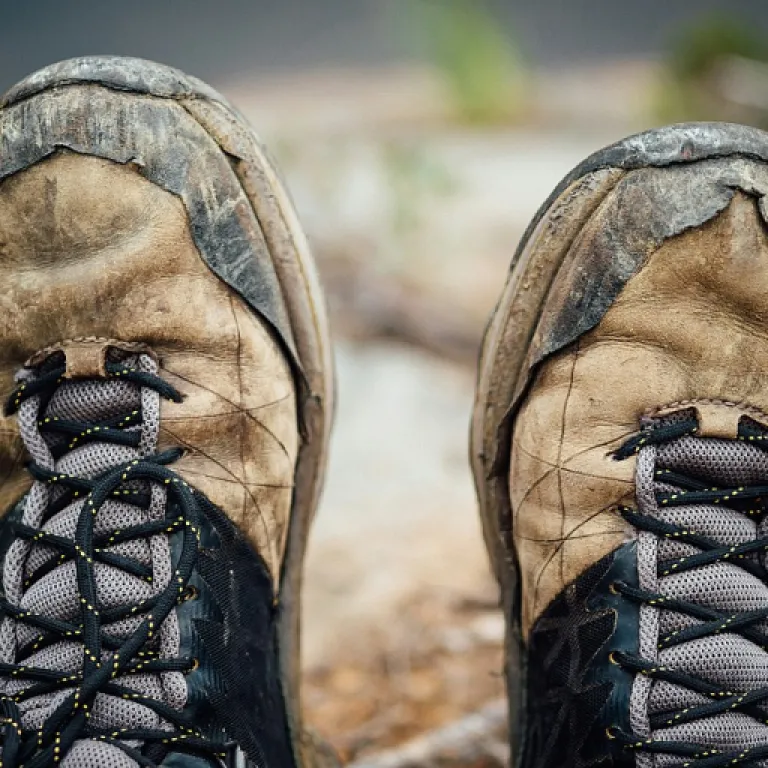
Why climbing gloves matter for serious rock and alpine objectives
For committed climbers, the right climbing gloves are not an accessory but essential protection. A well designed climbing glove preserves dexterity while shielding skin from sharp rock, icy belay stations, and abrasive ropes during long outdoor missions. When routes stretch over several pitches, a durable pair of leather gloves or synthetic crack gloves can be the difference between confident movement and shredded hands.
Experienced alpinists often carry both full finger and half finger gloves to adapt to changing conditions. A lightweight pair of black leather gloves might handle warm rock climbing approaches, while insulated belay gloves manage cold weather at shaded stances and windy ridges. Matching glove length and finger coverage to the route’s character, from granite crack climbing to mixed alpine climbing, ensures that protection never compromises precise gear handling.
Many climbers now treat climbing gloves as seriously as they treat boots, ropes, and helmets. Brands such as Black Diamond, Metolius, and Petzl Cordex have refined each climbing glove model to balance price, durability, and tactile feedback on rock. Whether you are belaying on a busy crag, aid climbing on a remote wall, or guiding clients on alpine climbing traverses, the right gloves and climbing techniques work together to reduce fatigue and improve safety.
Materials, leather construction, and the role of dexterity
Material choice defines how climbing gloves feel on the hand and on the rope. Traditional leather gloves remain popular because quality leather molds to the finger and palm, offering reliable grip on rock and metal hardware. Many climbers still regard leather gloves as the best option for repeated belaying, aid climbing, and long days at the crag where abrasion is relentless.
Modern synthetic designs compete closely with classic leather gloves on weight and breathability. A lightweight pair of crack gloves or finger gloves made from synthetic fabrics can provide impressive dexterity while keeping bulk low for technical rock climbing. When comparing any climbing glove, evaluate how the glove length, stitching, and panel layout affect your ability to tie knots, clip carabiners, and operate belay devices.
Black Diamond and Metolius both offer leather and synthetic belay gloves that target different climbing styles. The Black Diamond Crag Half Finger model, often called a crag half finger glove, emphasizes ventilation and rope feel for warm weather belaying. In contrast, the Metolius Belay glove and Petzl Cordex gloves prioritize robust leather construction for intensive belaying and guiding, which many consider among the best climbing options for high volume use on popular Washington DC area hikes and crags described in this regional climbing and hiking guide.
Finger coverage, length, and performance in varied conditions
Choosing between full finger and half finger climbing gloves is a strategic decision. Full finger gloves protect every finger joint from sharp rock and cold weather, which is crucial for alpine climbing and long multi pitch rock climbing. Half finger gloves, including many crack gloves and crag half finger models, expose the fingertips to maintain maximum dexterity on small holds and intricate gear placements.
For pure crack climbing, specialized crack gloves or finger gloves wrap the back of the hand and knuckles while leaving the palm mostly free. This design allows the glove to slide into parallel sided cracks while the climber still feels subtle rock textures through the uncovered skin. When combined with a thin leather glove or synthetic liner, these systems can handle both warm desert rock climbing and cooler shoulder season conditions.
Belay gloves such as the Petzl Cordex and Metolius Belay models often use a hybrid length, with reinforced leather on the palm and partial finger coverage. Many climbers pair a lightweight Black Diamond Crag Half Finger glove with a warmer full finger glove for high altitude or shoulder season alpine climbing. This layering approach mirrors how mountaineers manage hiking boots and socks on long approaches to objectives like Sol Duc Falls and other rugged routes in Olympic National Park, as detailed in this technical hiking overview.
Brand ecosystems, model comparisons, and assessing real value
Within the crowded market of climbing gloves, a few brand ecosystems dominate serious rock and alpine climbing. Black Diamond offers a spectrum from the lightweight Black Diamond Crag Half Finger glove to more robust full finger belay gloves for cold weather. Metolius focuses on durable Metolius Belay gloves that withstand repeated lowering and top rope belaying at busy outdoor crags.
Petzl Cordex gloves occupy a respected niche among guides who belay and rappel all day. The Petzl Cordex glove uses supple leather on the palm and a breathable back, balancing dexterity with rope handling security. Many professionals consider Cordex gloves a benchmark for belay gloves, especially when comparing price, durability, and comfort across multiple climbing seasons.
When evaluating the best climbing glove or best climbing gloves for your needs, avoid relying solely on online amazon ratings or promotional claims. Instead, handle several gloves in person, test how each pair grips a rope, and note how the glove length and finger pattern affect your ability to operate belay devices. Climbers who regularly transition between rock climbing, aid climbing, and alpine climbing may ultimately own several pairs of gloves, including crack gloves, finger gloves, and insulated belay gloves, each optimized for a specific style and environment.
Technical use cases from crag belays to alpine climbing faces
On a busy sport crag, climbing gloves primarily protect against rope burn and repetitive wear. A lightweight pair of half finger belay gloves, such as the Black Diamond Crag Half Finger or similar Metolius Belay models, allows precise belaying while keeping the hand cool. In these settings, price and comfort often matter more than extreme durability, because the climbing is close to the ground and retreat is simple.
On long trad routes and crack climbing lines, gloves must handle sustained jamming and complex rope work. Many climbers combine thin crack gloves or finger gloves with a more robust leather glove at belays, swapping as they move between leading, following, and belaying. This modular approach ensures that dexterity remains high on the sharp end, while the belay gloves absorb most of the rope friction during lowering and rappelling.
Alpine climbing raises the stakes further, demanding gloves that manage cold weather, snow covered rock, and long periods of belaying in harsh wind. Here, a full finger climbing glove with leather reinforcements and a snug fit becomes essential, often backed up by a warmer over mitt for static belays. Planning glove systems with the same care given to hiking boots, crampons, and layering strategies is crucial for safety on remote ridges and mixed faces described in detailed alpine route and hiking analyses such as this technical trail planning resource.
Fit, color, and practical buying strategies for serious climbers
Fit determines whether climbing gloves enhance or hinder performance on rock and ice. A glove that is too tight restricts blood flow and reduces dexterity, while an overly loose glove can snag on gear and slip on the rope. When trying any climbing glove, check that each finger moves freely, the glove length covers vulnerable skin, and the wrist closure sits securely without pressure points.
Color may seem cosmetic, yet many climbers deliberately choose black gloves or neutral tones for durability and discretion. Black Diamond and Metolius both offer black leather gloves and synthetic options that hide dirt and chalk, which is useful for guides and instructors who use the same pair daily. However, some prefer lighter colors in belay gloves and crack gloves to reduce heat absorption on sun baked rock climbing days.
Serious buyers should compare price against expected lifespan, especially for leather gloves used in intensive belaying or aid climbing. Reading detailed product descriptions for models like the Black Diamond Crag Half Finger, Metolius Belay glove, and Petzl Cordex gloves helps clarify whether a pair is optimized for cragging, alpine climbing, or all round rock climbing. Ultimately, owning several pairs of climbing gloves, including full finger and half finger designs, allows experienced climbers to tailor protection and dexterity to each route, season, and objective.
Care, maintenance, and long term performance of climbing gloves
Proper care extends the life of climbing gloves and preserves performance on demanding routes. After long days of rock climbing or alpine climbing, allow each glove and pair of gloves to dry fully away from direct heat sources. Leather gloves in particular benefit from gentle cleaning and occasional conditioning, which keeps the leather supple and maintains reliable grip on ropes and hardware.
Inspect every climbing glove regularly for worn stitching, thinning leather, or damage around high stress zones. Belay gloves, crack gloves, and finger gloves all experience concentrated wear at the palm, thumb crotch, and first finger, especially during intensive belaying or aid climbing. Replacing a compromised pair before a major objective is a small price compared with the risk of glove failure during a critical lower or rappel.
Storing climbing gloves in a breathable bag, separate from sharp gear, prevents unnecessary abrasion and deformation. Many climbers rotate between multiple pairs, using lightweight half finger gloves for warm cragging and more robust full finger gloves for cold weather or alpine climbing. This rotation strategy mirrors how experienced mountaineers manage hiking boots and other outdoor equipment, ensuring that each glove, glove pair, and specialized model such as Petzl Cordex gloves or Black Diamond Crag Half Finger gloves remains ready for the next demanding route.
Key statistics on climbing glove use and performance
- Data not available in the provided dataset for quantitative statistics on climbing gloves.
Common questions about climbing gloves
How tight should climbing gloves fit for technical routes ?
Climbing gloves should fit snugly without restricting circulation or finger movement. You should be able to make a full fist and manipulate carabiners without fabric bunching in the palm. If the glove pulls painfully across the knuckles or leaves deep marks at the wrist, the size is too small.
Are leather gloves always better than synthetic models for climbing ?
Leather gloves excel in durability and rope handling, which suits frequent belaying and aid climbing. Synthetic gloves often provide better breathability and faster drying, making them attractive for warm weather rock climbing and lightweight alpine climbing. Many experienced climbers own both leather and synthetic pairs, choosing according to route length, conditions, and expected abrasion.
When should I choose half finger instead of full finger gloves ?
Half finger gloves are ideal when maximum dexterity and fingertip sensitivity are essential, such as sport belaying or technical crack climbing. Full finger gloves offer superior protection in cold weather, on abrasive rock, or during alpine climbing with snow and ice. If you climb across seasons, carrying both styles allows you to adapt quickly to changing conditions.
Do I really need dedicated belay gloves for indoor and outdoor use ?
Dedicated belay gloves significantly reduce rope burn risk and extend the life of your skin, especially during repeated lowering or top roping. Indoor climbers who belay frequently benefit from a durable pair, while outdoor climbers gain extra protection from dirty or wet ropes. Over time, the modest price of belay gloves is offset by improved comfort, safety, and control.
How should I clean and maintain my climbing gloves safely ?
Most climbing gloves can be gently hand washed in lukewarm water with mild soap, then air dried away from direct sunlight or heaters. Leather gloves may require occasional conditioning with a product compatible with climbing gear to prevent stiffness and cracking. Always check manufacturer instructions, and avoid harsh detergents or machine drying, which can damage stitching and reduce glove lifespan.