
Understanding the Terrain of Colorado Hikes
Getting Acquainted with Colorado's Diverse Terrain
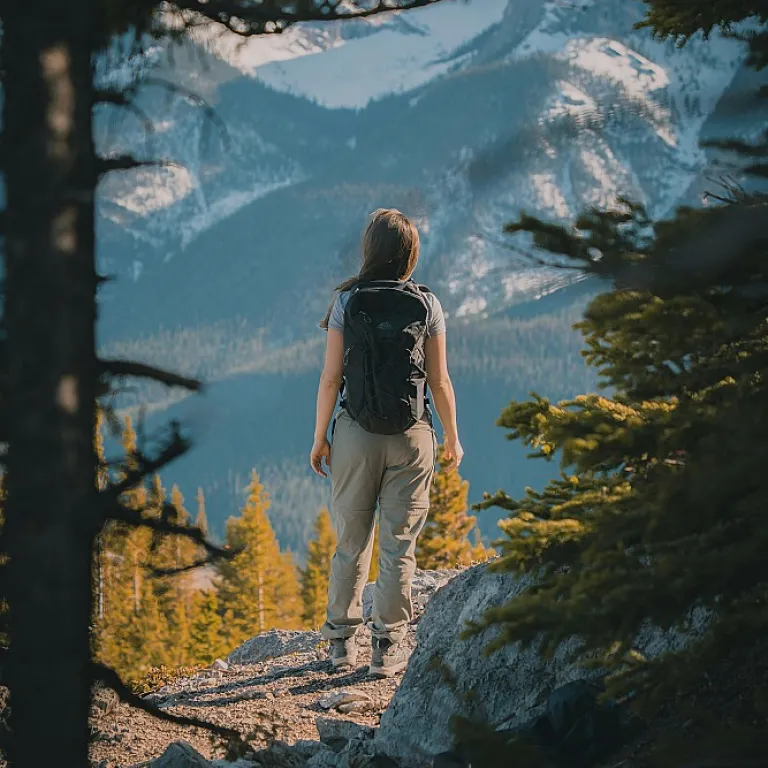
Exploring the remarkable trails of Colorado offers outdoor enthusiasts a wide variety of landscapes, each with its own challenges and rewards. This state is renowned for its top trails, providing everything from gentle meadows to rugged mountain paths, all with mesmerizing views that make every step worthwhile.
When it comes to terrain, Colorado is home to iconic features such as the Rocky Mountain National Park, which showcases an impressive array of trails suited for both epic day hikes and leisurely strolls. Hikers can expect to encounter diverse natural elements from alpine lakes like Emerald Lake to the panoramic vistas from Guanella Pass. Each trail is unique, featuring varying degrees of difficulty and elevation gain.
For those who appreciate friendly hikes closer to urban areas, there are numerous trails within hours of Denver. These trails often connect to expansive landscapes where you might start among lush forests and soon find yourself overlooking serene lakes.
The elevation and unpredictable weather can also present unique challenges that require careful planning. Dog-friendly trails, for instance, may require extra preparation given the often steep climbs and rocky paths. Hikes Colorado are about more than just miles gained; they're about adapting to the conditions and pacing yourself in a way that preserves the thrill while keeping safety a priority.
Understanding the terrain is not just about knowing the miles elevation but also recognizing the beauty of Colorado hikes, from the impressively white-capped peaks to the tranquility of lake trails. Whether you're mesmerized by the highs of Glacier Gorge or captivated by the serene beauty of Sky Pond, each hike delivers its own slice of natural grandeur.

Key Features to Look for in Hiking Boots
Essential Features for Elevation and Weather
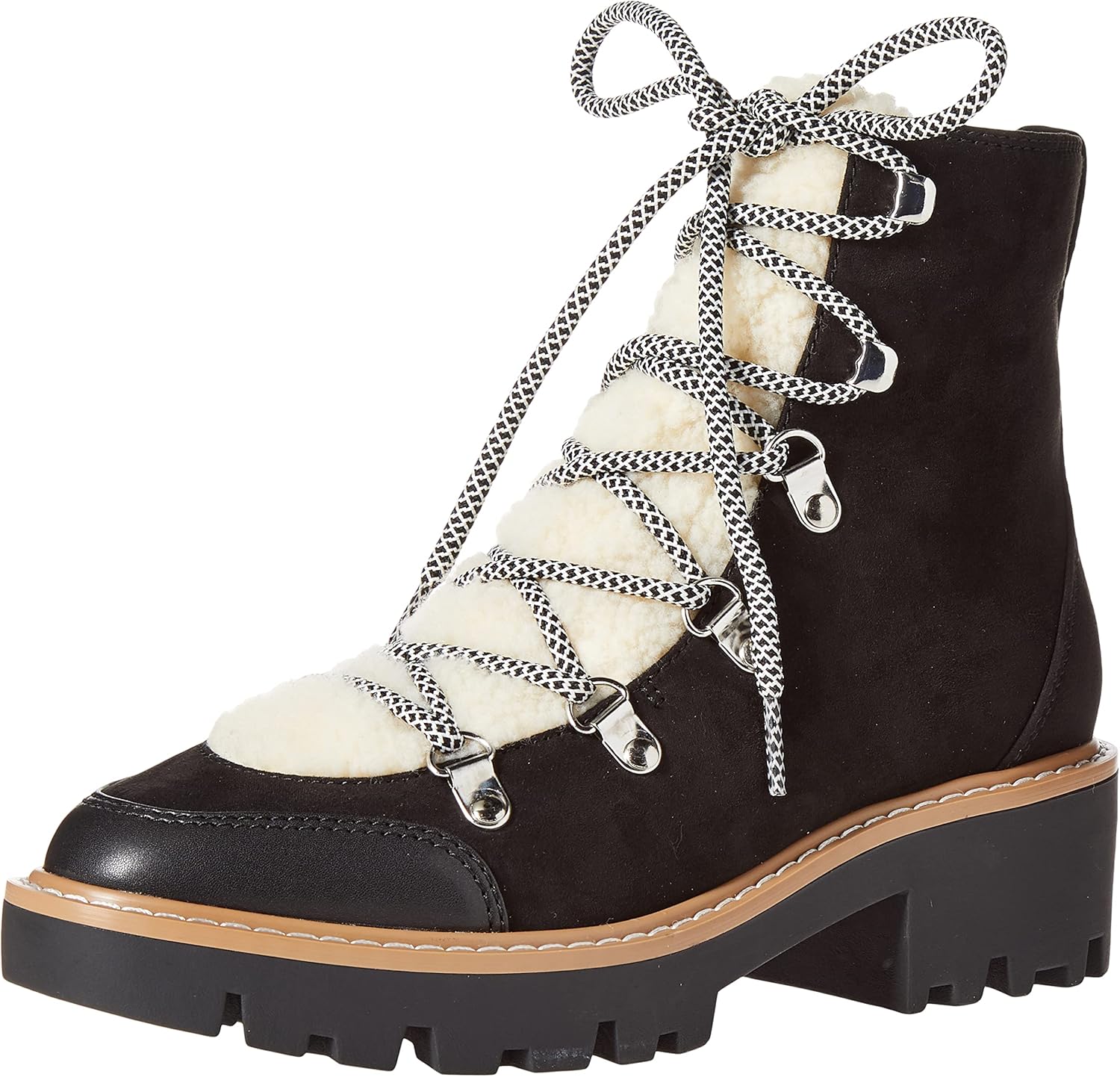
In the diverse terrains of Colorado, from the majestic Rockies to serene alpine lakes, selecting the right hiking boots can make all the difference. When covering miles of trails with significant elevation gain, certain features in hiking boots are essential to ensure both safety and comfort. A good pair of hiking boots should have:- Durable Soles: Look for thick, non-slip soles, which provide excellent traction on various terrains, whether in the rocky paths of the Rocky Mountain National Park or the smooth trails of the Canyon State.
- Ankle Support: With fluctuating elevations and uneven trails, ankle support is crucial to prevent injuries. Boots that provide ample ankle coverage help stabilize your steps as you navigate through challenging grounds or steep passes like the ones found in Guanella Pass.
- Waterproof Material: Colorado weather can be unpredictable. Waterproof boots keep your feet dry, especially on trails near bodies of water like Emerald Lake or Glacier Gorge.
- Breathability: Ensure your boots are breathable to keep your feet comfortable, especially during day hikes at higher elevations where the air is thinner.
The Importance of Fit and Comfort
Ensuring Optimal Fit and Comfort on the Trail
Finding the right fit is crucial when it comes to selecting hiking boots for the diverse and challenging terrain of Colorado. With trails offering varying degrees of difficulty, from the gentle slopes of canyon state parks to the steep ascents found in Rocky Mountain National Park, the proper fit is what will keep you comfortable over miles of exploration. When selecting hiking boots:- Consider the Elevation Gain: Colorado hikes often involve significant elevation changes, and the strain of these climbs on your feet can be substantial. A snug, yet comfortable fit ensures that your feet can withstand the pressure without unnecessary movement inside the boot.
- Weight Distribution Matters: The weight of your hiking boots plays a critical role. A lightweight boot is suitable for shorter, less demanding day hikes around state parks, while heavier boots provide the necessary support and protection for longer treks across rocky trails. Understanding the type of hikes you'll be undertaking, such as the challenging ascent to Sky Pond or the dog-friendly trails at Guanella Pass, can guide your choice.
- Adaptability to Terrain: Boots should offer the flexibility to adapt to various landscapes, from alpine lakes with muddy paths to the dry terrains leading to Emerald Lake. Proper fit helps in maintaining stability and reducing the risk of blisters.
Material Choices: Leather vs. Synthetic
Leather versus Synthetic: What’s the Best Choice for Colorado’s Trails?
Navigating the trail-rich landscapes of Colorado demands well-chosen hiking boots that can keep up with the diverse terrains. When exploring places such as the Rocky Mountain National Park or the scenic paths leading to Emerald Lake, the choice of material in your hiking boots becomes crucial. One of the primary decisions hikers face is whether to choose leather or synthetic materials. Each comes with its own set of pros and cons to consider:- Leather:
- Durability: Leather is well known for its durability, which is beneficial in rugged terrains like those found on hikes through Glacier Gorge or Sky Pond. Over time, leather boots can mold to your feet, offering a snug fit.
- Support: Particularly on longer treks with significant elevation gain, such as those experienced in Canyon State Park, leather boots provide superior support.
- Water Resistance: While leather is naturally water-resistant, it often requires regular maintenance and treatment to ensure it stands up to the moisture encountered on alpine lake trails.
- Synthetic:
- Weight: Synthetic materials tend to be lighter, making them ideal for day hikes over miles of elevation change in areas like Guanella Pass.
- Breathability: During warmer months, synthetic boots offer better breathability, which benefits hikes on trails where elevation gain leads to potential temperature changes.
- Drying Time: Synthetic materials generally dry faster, vital when crossing streams or wandering through dewy Colorado meadows.
Caring for Your Hiking Boots
Essential Maintenance for Long-Lasting Hiking Boots
When you're venturing through the remarkable landscapes of Colorado, maintaining your hiking boots is crucial. The diverse terrains, from the lush greenery of Rocky Mountain National Park to the rugged paths of Colorado hikes like Sky Pond and Glacier Gorge, demand resilient footwear. Here's how you can care for your hiking boots to ensure they last the miles, from trails by alpine lakes to the elevated views atop Guanella Pass.- Cleaning Regularly: After a day hike exploring the stunning parks or the secluded corners of state parks, make it a habit to clean your boots. Remove dirt and mud with a brush, particularly focusing on the outsoles. This not only preserves the boot material but also enhances grip for your next adventure.
- Drying Appropriately: If your trail takes you through water-filled paths like those around Emerald Lake or along challenging lake trails with substantial elevation gain, drying your boots is essential. Avoid direct heat sources; instead, use newspaper to fill the boots and absorb moisture naturally.
- Conditioning Leather Boots: For those who prefer leather boots for their durability on rocky terrains, conditioning is vital. A quality leather conditioner keeps the material supple, preventing cracks that can occur in dry mountain environments.
- Inspecting Outsoles and Laces: After covering several miles elevation through hiking trails, inspect the outsoles for signs of wear or damage. Similarly, check your laces; worn laces can suddenly give out, affecting your safety on steep climbs such as those found at higher elevation hikes.
- Waterproofing: Whether tackling the snowy white peaks or the wet weather conditions at higher altitudes, maintaining waterproofing is key. Use a reliable waterproofing spray or wax, suitable for the material of your boots, to keep moisture out.
Top Hiking Boot Recommendations for Colorado Trails
Top Rated Hiking Boots for Colorado Adventures
When embarking on the diverse trails of Colorado, from the serene paths of Glacier Gorge to the challenging ascents near Guanella Pass, selecting the right hiking boots is crucial for both safety and comfort. With Colorado's varied elevation gains and terrain types, choosing the best boots can significantly enhance your hiking experience. Here are some of the top hiking boot recommendations tailored for the demands of Colorado's trails.
- Boot Durability: For the rugged landscapes encountered in areas like Rocky Mountain National Park, a sturdy boot that withstands the test of time is essential. Durable boots can handle rocky paths and the occasional muddy terrain.
- Waterproofing: As you traverse alpine lakes and unpredictable weather patterns, especially around Emerald Lake and other high-altitude paths, opting for waterproof boots ensures dry and comfortable feet.
- Traction and Grip: Colorado trails, known for their elevation gain and scenic vistas, demand boots with exceptional grip, particularly if you're hiking on steep slopes near destinations like Sky Pond.
- Ankle Support: Trails with significant elevation changes, such as those found at canyon state parks, can be strenuous, so boots providing excellent ankle support are recommended to prevent injuries.
Among these key factors, fit and comfort remain paramount. After all, a boot that fits well supports all types of hikes, whether it's a day hike near Denver or a multi-day trail expedition in national parks. Consider trying boots on at the end of the day when your feet might be slightly swollen to ensure the best fit. Remember to break them in with shorter walks before taking on more ambitious hikes such as those leading to panoramic views of Guanella Pass.