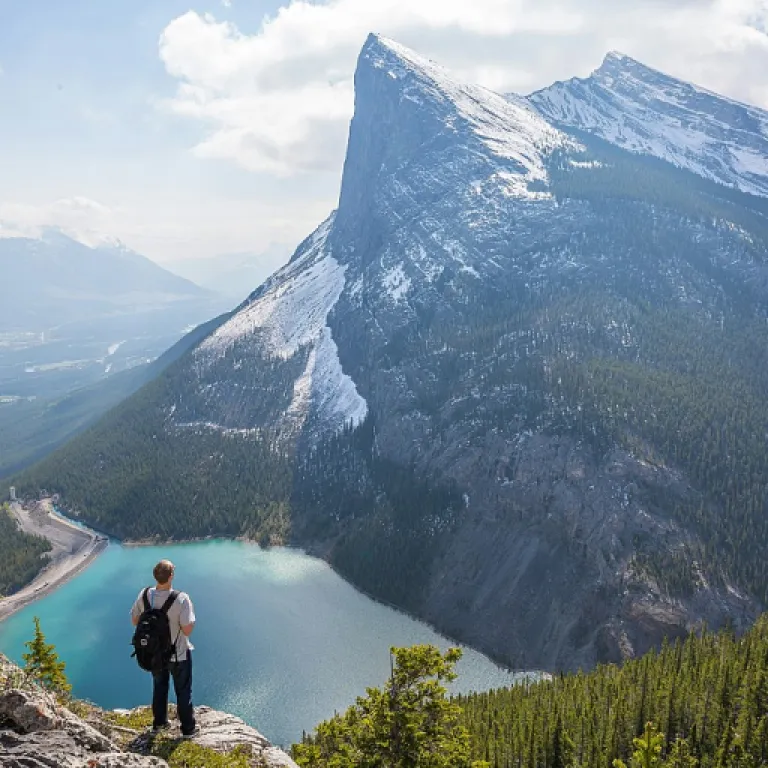
Why parks jackets matter for serious mountain travel
Parks jackets sit at the crossroads of performance, ethics, and terrain. For outdoor enthusiasts who move from a local park trail to a glaciated mountain, a single jacket must adapt to shifting weather, changing altitude, and variable pace. When hikers treat a jacket as long term gear rather than a disposable product, they also reduce waste on fragile public lands.
Experienced mountaineers often compare the regular price of a technical parka with its projected lifespan in harsh conditions. That calculation goes beyond a simple unit price, because a failed zipper or soaked fleece lining can end a trip early and increase rescue risks. Evaluating the real price unit over thousands of vertical metres helps justify a higher price regular when the jacket is designed for durability.
Many brands now align their parks jackets lines with specific national park partnerships and conservation goals. A parks project capsule might channel a portion of each sale price into trail restoration, while a halfdays parks collaboration could fund avalanche education for local guides. When a shop highlights these initiatives beside the rating and technical specs, buyers can support public lands while upgrading their mountain gear.
For hikers who log long days, pocket layout and classic fit matter as much as membrane performance. A high low hem that covers the harness, a chest pocket that stays clear of the hip belt, and a park vintage print that remains visible under a pack all influence safety and comfort. Thoughtful design will keep things simple on the move, allowing users to skip content that feels like marketing and focus on function.
Balancing insulation, weight, and weather in parks jackets
Choosing insulation for parks jackets is a delicate balance between warmth, weight, and moisture management. In damp mountain environments, many experienced hikers prefer synthetic fill or hybrid fleece panels over pure down, especially when multi day storms threaten to soak every layer. A parka that is designed with mapped insulation can keep the core warm while allowing the arms to vent during steep ascents.
Some brands treat their parks project collections as laboratories for new fabrics and baffle constructions. A limited run product may appear at a higher regular price, then transition to a broader sale once field testing confirms durability and comfort. When a shop lists both the price sale and the original regular price, it helps buyers understand whether they are seeing a genuine discount or a standard seasonal adjustment.
Weight conscious mountaineers often compare unit price to grams per square metre of protection. A jacket with a slightly higher unit price but better breathability can reduce sweat buildup, which in turn keeps the inner fleece drier and more efficient. Over a long approach like the routes described in this Salkantay trekking adventure guide, that comfort difference can prevent chafing and cold stress.
Retailers sometimes group these advanced shells among best sellers, but experienced users read beyond the rating stars. They examine whether the high low hem interferes with a climbing harness, how the park vintage print holds up to abrasion, and whether the classic fit layers cleanly over midweight fleece. In a well curated accessories shop, staff will explain how each jacket’s design keeps things efficient from valley park trailheads to exposed mountain ridges.
Fit, mobility, and layering strategy for demanding terrain
Fit is the quiet variable that determines whether parks jackets perform in real mountain weather. A classic fit that seems comfortable in a city park can feel bulky once you add a loaded pack, climbing harness, and winter gloves. Experienced hikers test mobility by reaching overhead, twisting under an overhang, and simulating pole plants before committing to a purchase.
Layering strategy turns a single parka into a versatile system for different parks and elevations. Many mountaineers pair a light fleece with a weatherproof shell, then add a belay parka during long, cold pauses on exposed ridges. This approach spreads the price unit across several pieces of gear, but it allows each product to excel at a specific thermal or moisture management role.
When comparing price regular and price sale tags, it helps to think in terms of cost per active day. A jacket that survives hundreds of outings in multiple national park environments will often beat a cheaper sale price option that delaminates after one hard season. Long distance hikers planning routes similar to those discussed in this analysis of multi month hiking distances should prioritise durability over short term savings.
Shops that respect public lands increasingly highlight repairability and pre loved options alongside new best sellers. A parks project initiative might offer discounted repairs, while a halfdays parks program could resell inspected park vintage jackets at a fair unit price. This ecosystem helps keep things circular, reduces textile waste, and ensures that functional gear remains in circulation rather than abandoned near a remote mountain park trail.
Materials, sustainability, and the ethics of public lands gear
Materials used in parks jackets carry ethical weight for hikers who care about public lands. Recycled face fabrics, PFC free water repellent treatments, and responsibly sourced insulation all influence the real environmental price of a parka. When a product page lists these details beside the regular price, it allows buyers to align their values with their gear.
Some parks project collaborations channel a portion of each unit price into trail maintenance, habitat restoration, or visitor education. A halfdays parks capsule might fund seasonal rangers, while another line supports indigenous led stewardship of a specific national park. Clear reporting on how much of the sale price reaches these projects builds trust and encourages long term support.
Vintage inspired designs can also carry a message about continuity and care. A park vintage print that references historic maps or classic fit silhouettes can remind users that today’s best sellers stand on decades of hard learned mountain experience. When shops highlight pre loved jackets with strong rating histories, they show that durability and repairability are as important as a fresh colourway.
Responsible retailers avoid manipulative tactics like urging customers to skip content that explains environmental impact. Instead, a transparent accessories shop will keep things clear by listing unit price, price regular, and price sale alongside lifecycle information. For hikers planning routes similar to those described in this Hamilton Mountain trailhead guide, such honesty helps match gear choices to the realities of erosion, crowding, and changing weather patterns.
Evaluating performance, rating systems, and real world testing
Performance claims for parks jackets only matter when they hold up under real mountain pressure. Laboratory tests can estimate waterproof ratings and breathability, but only repeated trips across different parks reveal how a parka ages. Experienced hikers pay attention to seam tape wear, zipper reliability, and how quickly the inner fleece dries after a storm.
Online rating systems often compress complex experiences into a single number. A jacket might earn high marks for warmth yet hide complaints about pocket placement that interferes with a hip belt. Reading full reviews, especially from users who log regular days in national park terrain, offers a more nuanced picture than a simple best sellers badge.
Field testing also exposes how a classic fit interacts with different body types and layering schemes. A high low hem that works for one hiker may ride up on another, particularly when carrying technical gear. Shops that encourage returns or exchanges at the original regular price, rather than only at sale price, show confidence in their product and respect for the buyer’s project of building a reliable kit.
Some brands now run structured parks project programs where guides and rangers test jackets across multiple public lands. Their feedback influences pocket design, hood volume, and fabric choice, often leading to subtle but important updates between unit price runs. When a retailer’s accessories shop shares these stories instead of asking customers to skip content, it helps keep things grounded in real world use rather than marketing slogans.
Buying strategies, budgets, and long term gear planning
Strategic buying helps outdoor enthusiasts align parks jackets purchases with both budget and ambition. Rather than chasing every new park vintage print, many mountaineers focus on one primary parka that can handle their coldest expected conditions. They then add lighter fleece layers or wind shells as their project list expands to new parks and higher mountain ranges.
Understanding pricing language prevents confusion when comparing offers across shops. Terms like regular price, price regular, unit price, price unit, sale price, and price sale all describe different aspects of the same product, but they can obscure real value. Careful hikers track these numbers over time, waiting for a sale that respects the jacket’s worth without signalling that it is being cleared out due to performance issues.
Many retailers now integrate gift cards, shop arrivals feeds, and curated best sellers lists into their online experience. While these tools can be helpful, serious users should resist prompts to skip content that explains materials, warranty, and repair options. A thoughtful accessories shop will keep things balanced, highlighting both new arrivals and pre loved options that extend the life of well designed gear.
When planning multi year objectives across several national park regions, it helps to treat a parka as a central investment rather than an impulse buy. A durable jacket that maintains its rating, protects public lands through responsible sourcing, and adapts from city park walks to exposed mountain ridges will justify its regular price over time. In this context, parks project collaborations and halfdays parks initiatives become part of a broader commitment to moving through wild places with respect and preparedness.
Key statistics on technical outerwear and mountain safety
- Up to 80 % of hypothermia incidents in mountain parks involve inadequate or saturated outer layers rather than a complete lack of clothing.
- Technical shells with properly maintained water repellent treatments can shed light rain for approximately 20 to 30 minutes before saturation, depending on fabric weight and construction.
- Layering a breathable fleece under a waterproof shell can improve perceived warmth by 15 to 25 % in windy conditions compared with a single heavy parka.
- Repairing a damaged zipper or seam on a quality jacket typically preserves 60 to 70 % of the garment’s remaining service life, significantly reducing textile waste.
- Pre loved technical jackets that are professionally inspected and reproofed can retain more than 70 % of their original weather protection performance.
Questions hikers often ask about parks jackets
How many layers should I wear under a parks jacket in winter mountains ?
Most experienced hikers use a three layer system under parks jackets in cold mountain conditions. They combine a moisture wicking base layer, an insulating fleece or light synthetic parka, and the weatherproof shell on top. This approach allows quick adjustments as effort level and weather change throughout the day.
Is a lightweight shell enough for multi day trips in national park terrain ?
A lightweight shell can work for multi day trips if it is paired with adequate insulation and tested for durability. In exposed national park environments with strong wind and wet snow, many mountaineers prefer a slightly heavier parka with a robust face fabric. The key is ensuring that the jacket’s rating for waterproofing and breathability matches the worst conditions you expect.
When should I replace a parks jacket instead of repairing it ?
Replacement becomes sensible when the membrane delaminates widely, seam tape peels across large areas, or the fabric thins to the point of frequent tearing. If repairs cost more than half the current regular price of a comparable product, many hikers choose a new jacket. However, small issues like zipper sliders, cuffs, and minor tears are usually worth repairing, especially on high quality park vintage pieces.
Do I need different jackets for local parks and high mountain routes ?
Some hikers maintain separate jackets for casual park walks and serious mountain routes, but a well chosen technical shell can bridge both. Look for a classic fit that layers comfortably, a high low hem for harness compatibility, and a hood that fits over a helmet. If budget is limited, prioritise the jacket that will keep you safe in the harshest environment you visit.
How can I assess value when comparing regular price and sale price offers ?
Start by checking whether the sale price reflects a seasonal promotion or a clearance of underperforming stock. Compare materials, warranty, and field tested feedback rather than focusing only on the discount percentage. A slightly higher unit price for a durable, repairable parka often delivers better long term value than a deep discount on a jacket with a short service life.