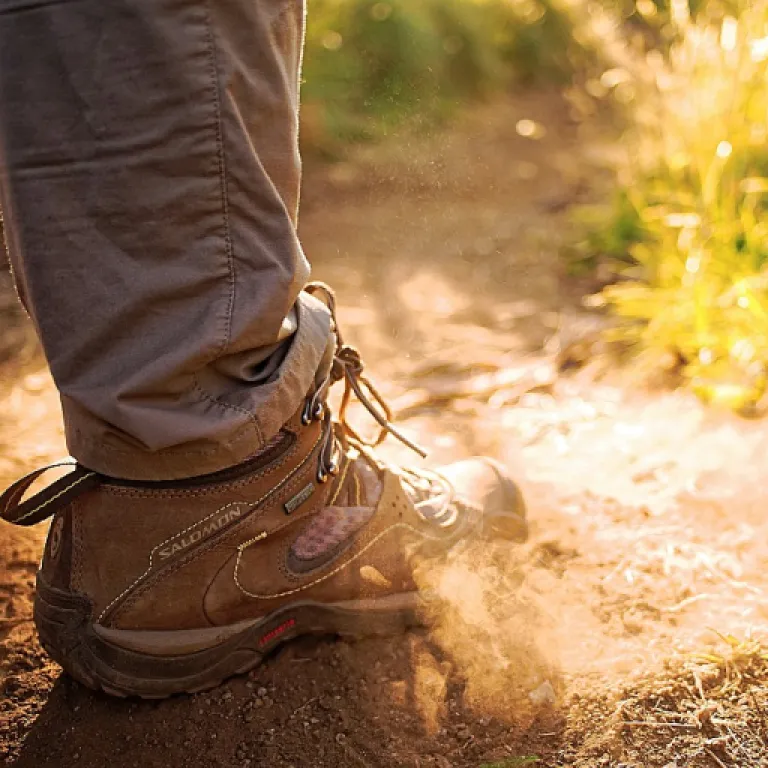

Understanding the demands of fall hiking
What Makes Fall Hiking Unique?
Autumn hiking brings a mix of beauty and challenge. The crisp air, changing leaves, and quieter trails make it a favorite season for many outdoor enthusiasts. But fall also means unpredictable weather, slippery terrain, and rapidly shifting temperatures. Choosing the right hiking outfit is essential for comfort and safety on rugged trails.- Weather Variability: Fall weather can shift from warm sun to cold rain in hours. Outfits need to adapt, with layers that are easy to add or remove. A lightweight rain jacket and moisture wicking base layers help manage sudden showers and sweat.
- Trail Conditions: Wet leaves, mud, and early frost make trails more challenging. Water resistant hiking boots with good traction are crucial for stability and keeping feet dry. Durable hiking pants protect against brush and cold wind.
- Temperature Swings: Mornings can be cold, afternoons warm, and evenings chilly again. Outfits for fall hikes should include a puffy jacket or fleece for insulation, paired with breathable hiking clothes to avoid overheating.
- Daylight Hours: Shorter days mean less time on the trail. Packing a headlamp and planning your hike to finish before dusk is wise.
Key features to look for in hiking boots for fall
What Sets Fall Hiking Boots Apart
When autumn arrives, trails transform. Wet leaves, slick rocks, and unpredictable weather demand more from your hiking boots than in summer. The right pair is the foundation of any reliable fall hiking outfit, whether you’re heading out for a long day hike or a weekend backpack trip. Here’s what to look for when choosing boots that will keep you comfortable and safe through the season’s challenges.
- Water Resistance: Fall weather can be wet, with rain and morning dew soaking the trail. Opt for boots labeled as water resistant or waterproof. This keeps your feet dry and warm, especially when paired with moisture wicking merino wool socks.
- Traction: Autumn trails are often covered in slippery leaves and mud. Look for outsoles with deep lugs and grippy rubber compounds. Good traction is essential for both women and men, especially on rugged or steep terrain.
- Fit and Comfort: Your boots should fit snugly but not tight. There should be enough room for thicker fall hiking socks, but not so much that your foot slides. Try on boots with the socks and hiking pants you plan to wear hiking to ensure the best fit.
- Support and Stability: Ankle support is crucial for uneven autumn trails. Mid or high-cut boots help prevent twists and sprains, especially when carrying a backpack or navigating rocky sections.
- Breathability and Warmth: Fall weather can swing from cold mornings to warm afternoons. Lightweight boots with breathable membranes help regulate temperature, while insulated options are better for cold weather hikes.
- Durability: Autumn hiking can be tough on gear. Choose boots with reinforced toe caps and sturdy construction to withstand long hikes and rough conditions.
For those building a complete fall hiking outfit, consider how your boots pair with other essentials like hiking pants, a rain jacket, and layers for warmth. If you’re looking for inspiration on combining boots with hiking outfits for women, check out this guide to the best dark brown hiking shorts for women—a great resource for autumn hiking style and function.
Remember, the right boots are an investment in comfort and safety. Take the time to try different styles and prioritize features that match your favorite trails and the unpredictable fall weather. Your feet will thank you on every hike.
Layering strategies for comfort and safety
Smart Layering for Unpredictable Fall Weather
When you’re planning your hiking outfit for autumn trails, layering is your best defense against the season’s unpredictable weather. Fall hikes often start chilly, warm up by midday, and can end with a sudden drop in temperature or a surprise rain shower. The right layers keep you comfortable, dry, and ready for whatever the trail throws at you.- Base Layer: Start with a moisture wicking base, like merino wool or synthetic blends. These fabrics pull sweat away from your skin, keeping you dry and reducing the risk of chafing on long hikes. Cotton is best avoided, as it retains moisture and can leave you cold.
- Mid Layer: A lightweight fleece or a thin puffy jacket adds warmth without bulk. This layer should fit comfortably over your base and under your outer shell. For women, mid layers designed with a tailored fit can prevent bunching and improve mobility.
- Outer Layer: A water resistant or rain jacket is essential for autumn hiking. Look for jackets with adjustable hoods and ventilation zips. This shell protects you from wind and rain, and can be easily stowed in your backpack when not needed.
Choosing the right socks for fall hikes
Why Your Sock Choice Matters for Fall Hiking
When planning your fall hiking outfit, socks are often underestimated. Yet, the right pair can make or break your comfort on the trail. As temperatures drop and trails get wetter, socks become your first line of defense against blisters, cold, and moisture. They work in tandem with your hiking boots and pants, ensuring your feet stay warm and dry, even on long hikes in unpredictable autumn weather.
- Material is key: Merino wool socks are a favorite among experienced hikers. They offer excellent moisture wicking, keeping your feet dry even when you sweat or encounter rain. Merino wool is also naturally warm and resists odors, making it ideal for cold weather hikes.
- Thickness and fit: For fall, look for medium-weight socks. They provide enough insulation for chilly mornings but are still breathable for when the sun comes out. A snug fit helps prevent friction and blisters, especially when paired with well-fitted hiking boots.
- Height matters: Crew-length socks are a smart choice for autumn hiking. They protect your ankles from debris, cold, and rubbing from your hiking pants or boots. If you wear hiking pants that are lightweight or water resistant, crew socks add an extra layer of warmth.
- Layering for extreme conditions: On particularly cold or wet hikes, some hikers layer a thin liner sock under a thicker hiking sock. This can help manage moisture and reduce the risk of blisters during long autumn hikes.
Women’s hiking outfits often include socks designed specifically for a women’s fit, which can enhance comfort and reduce bunching. For all hikers, avoid cotton socks, as they retain moisture and can quickly lead to cold feet and discomfort. Instead, prioritize technical fabrics like merino wool or synthetic blends for your fall outfit.
Remember, your socks are just as important as your hiking boots, rain jacket, and pants when it comes to staying comfortable and safe on the trail. Invest in quality hiking socks to complete your autumn hiking clothes and ensure every hike is a warm, dry, and enjoyable experience.
Accessories that make a difference in autumn
Smart Accessories for Autumn Trail Comfort
Autumn hiking is all about adapting to unpredictable weather and changing trail conditions. The right accessories can make a huge difference in your comfort, safety, and overall hiking experience. Here’s what to consider when rounding out your fall hiking outfit:- Gloves and Beanies: Cold weather can sneak up quickly, especially on long hikes or at higher elevations. Lightweight, moisture wicking gloves and a warm beanie help retain body heat without adding bulk to your backpack.
- Neck Gaiters and Buffs: These versatile pieces protect against wind, rain, and sudden temperature drops. Merino wool options are popular for their warmth and breathability, making them ideal for autumn hiking outfits.
- Gaiters: Trail conditions in fall often mean wet leaves, mud, and even early snow. Gaiters keep debris and moisture out of your hiking boots, helping your feet stay dry and comfortable on rugged trails.
- Rain Gear: A water resistant rain jacket is essential for unpredictable fall weather. Look for jackets that pack down small and fit easily in your backpack, so you’re always prepared for a sudden shower.
- Trekking Poles: Wet, slippery trails are common in autumn. Trekking poles provide extra stability and support, especially when carrying a heavier load or navigating uneven terrain.
- Sunglasses and Sunscreen: Even in cooler weather, UV exposure can be significant. Sunglasses and a small tube of sunscreen should always be part of your hiking clothes kit.
- Headlamp: Shorter daylight hours in fall mean you might finish your hike in low light. A lightweight headlamp ensures you can safely navigate the trail if dusk falls earlier than expected.
Maintaining your hiking boots after fall adventures
Keeping Your Boots Trail-Ready for the Next Adventure
After a long autumn hike, your hiking boots have likely faced mud, rain, and rugged terrain. Proper care ensures they stay water resistant, comfortable, and ready for your next cold weather outing. Here’s how to maintain your hiking boots and keep your fall hiking outfit complete:- Clean Off Dirt and Debris: After each hike, remove mud and debris with a soft brush. Pay attention to seams and treads, where grit can hide and wear down materials over time.
- Dry Thoroughly: Never leave boots wet in your backpack or by the door. Remove insoles and laces, then let them air dry at room temperature. Avoid direct heat, which can damage leather and synthetic uppers.
- Condition and Waterproof: For leather boots, use a conditioner to keep the material supple. Reapply a water resistant treatment as needed—especially after hiking in rain or wet autumn trails. This helps maintain the boot’s ability to keep your feet warm and dry.
- Inspect for Wear: Check soles for uneven wear and uppers for cracks. Address issues early to prevent bigger problems on your next hike. Well-maintained boots are crucial for long hikes in cold or unpredictable weather.
- Store Properly: Store boots in a cool, dry place. Stuff them with newspaper or use boot trees to help maintain their fit and shape, especially after wearing them with thick merino wool socks or moisture wicking hiking pants.