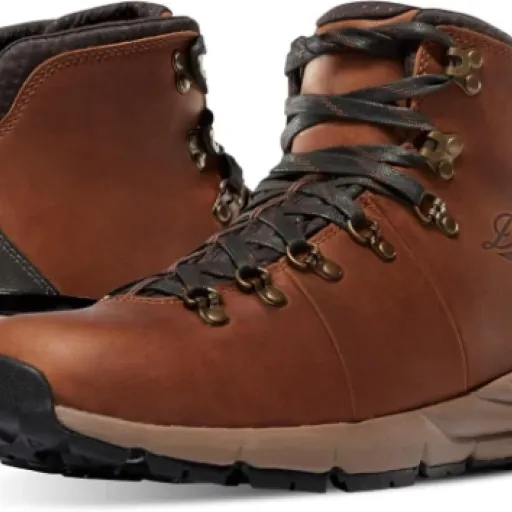
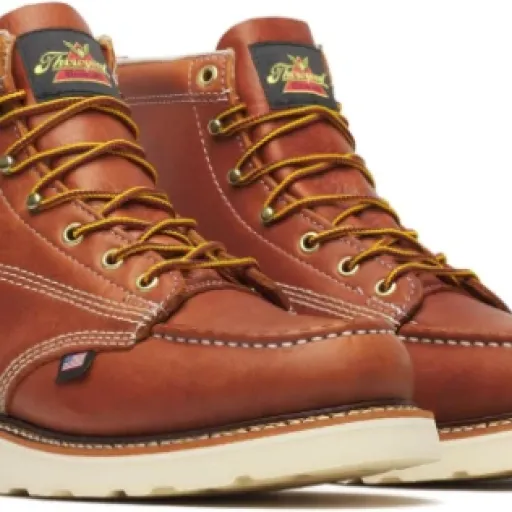
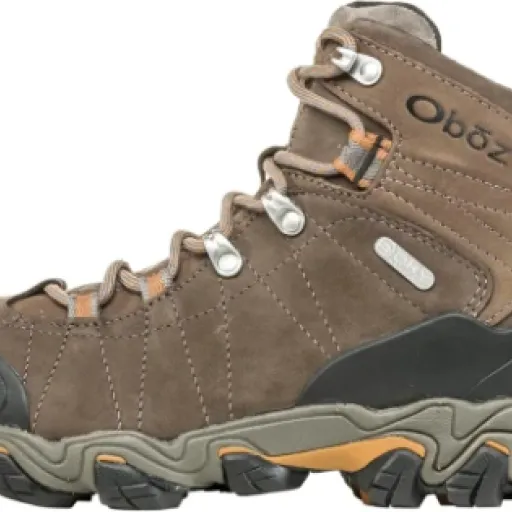
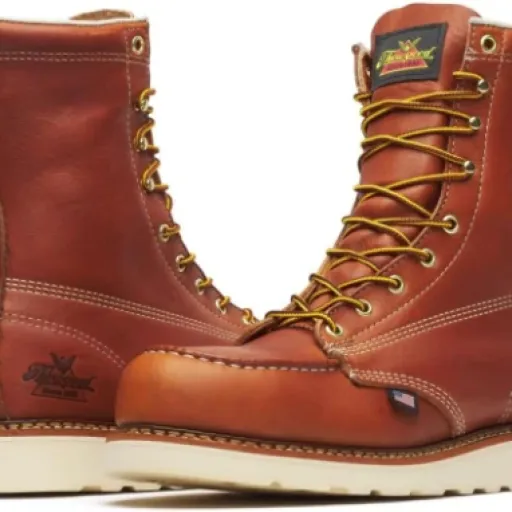
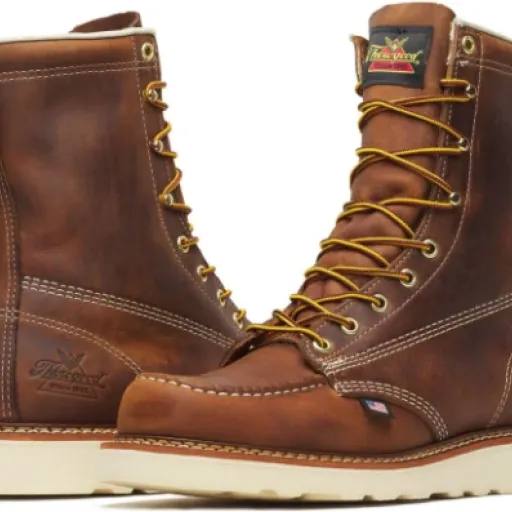
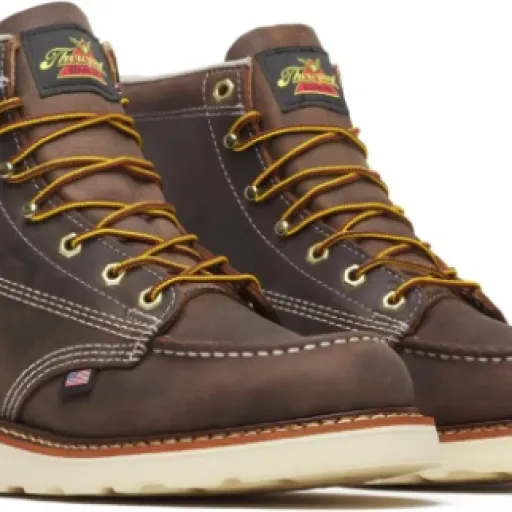
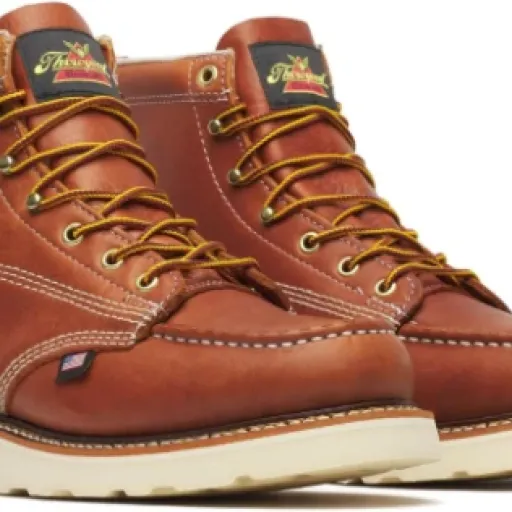
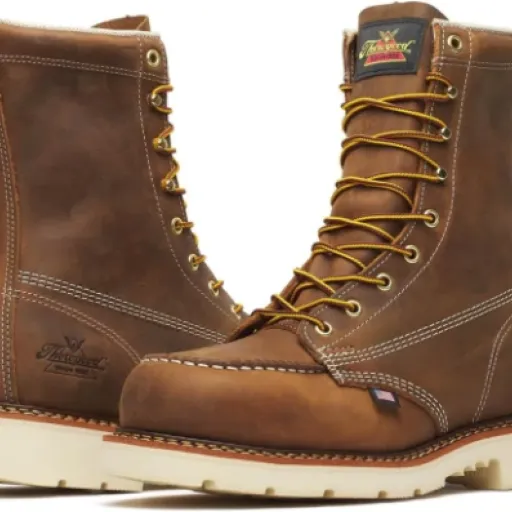
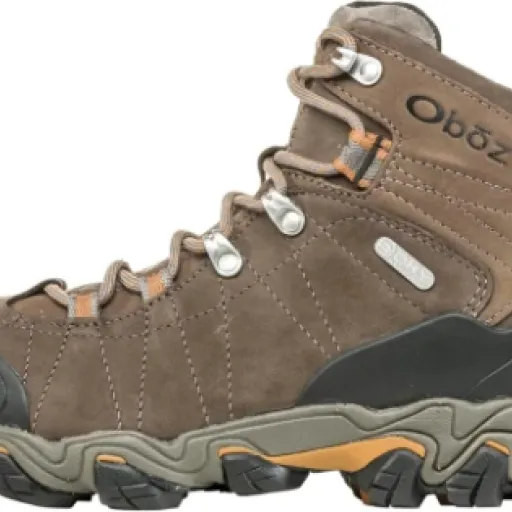
Key benefits of full grain leather for outdoor activities
Why Full-Grain Leather Excels in the Outdoors
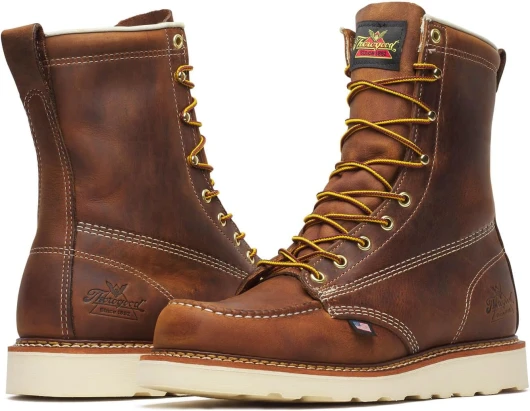
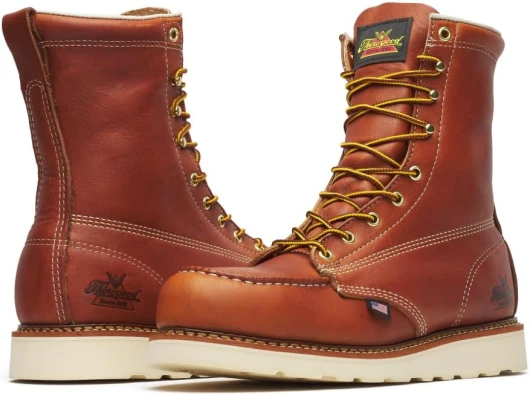
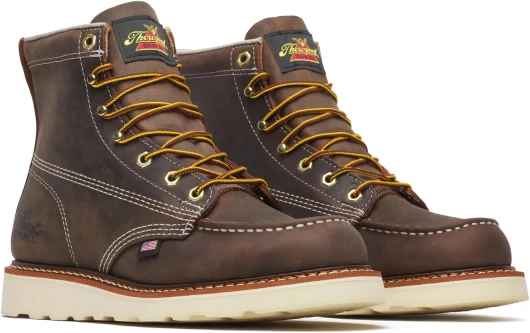
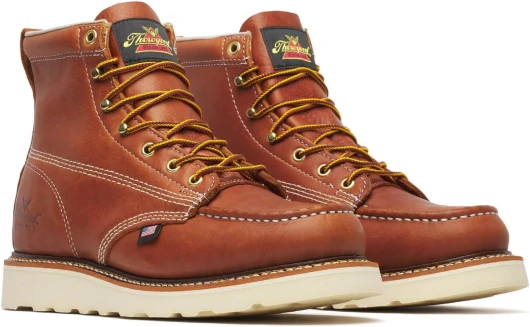
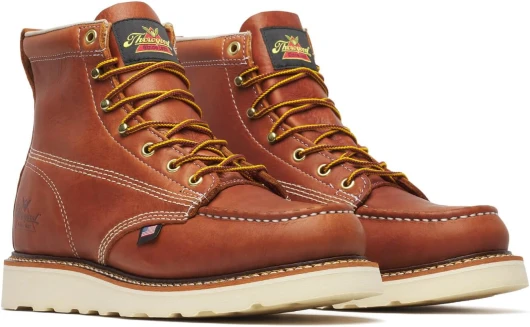
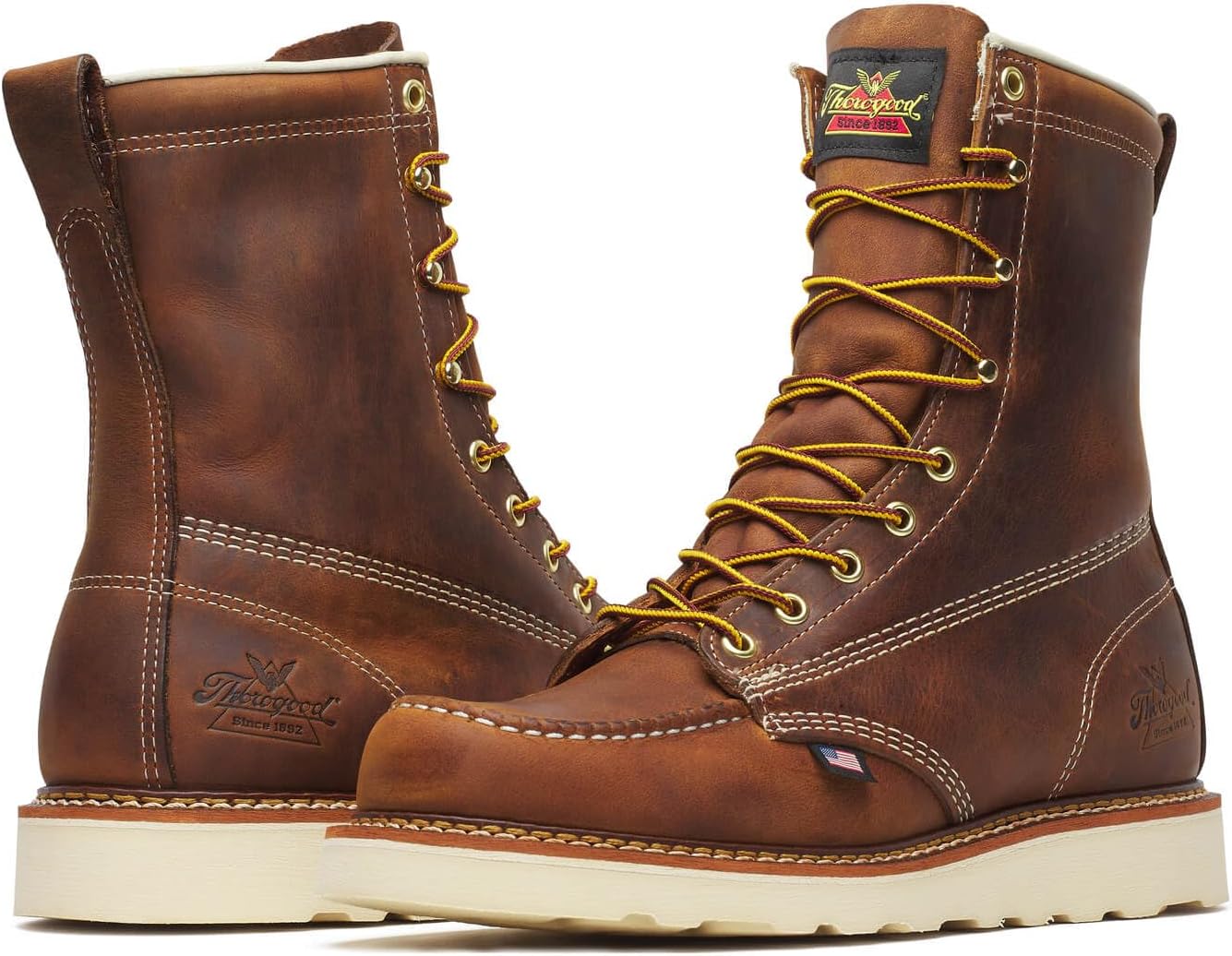
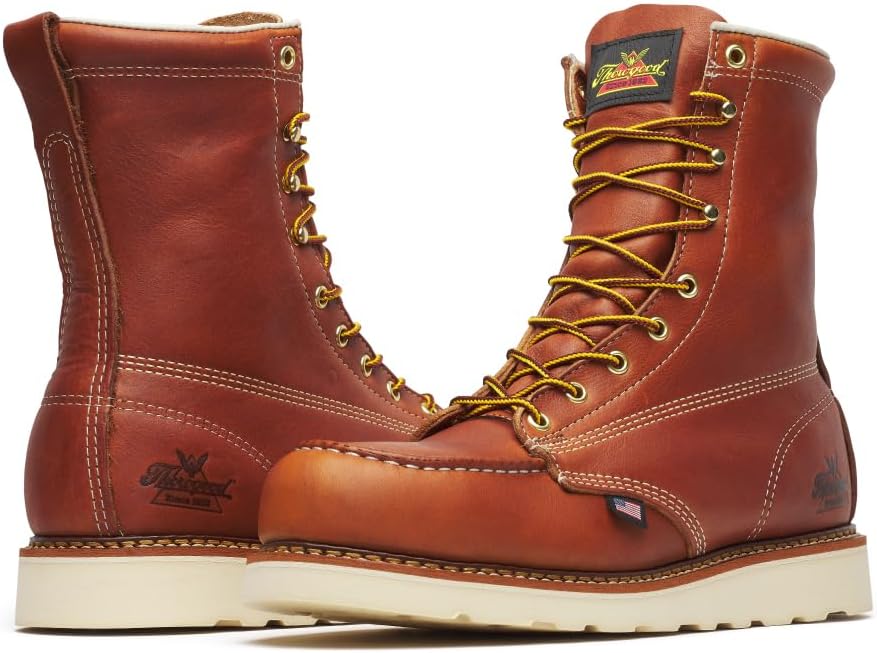
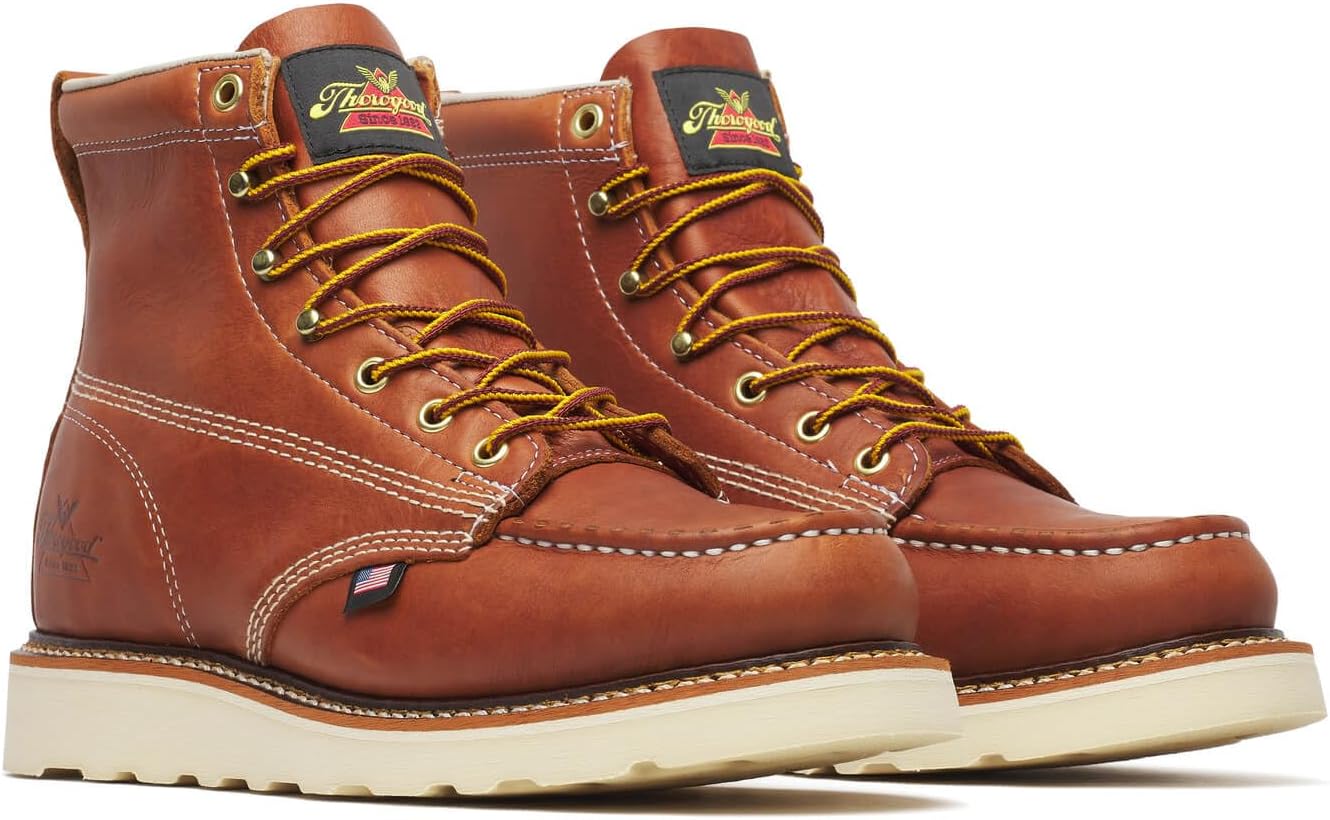
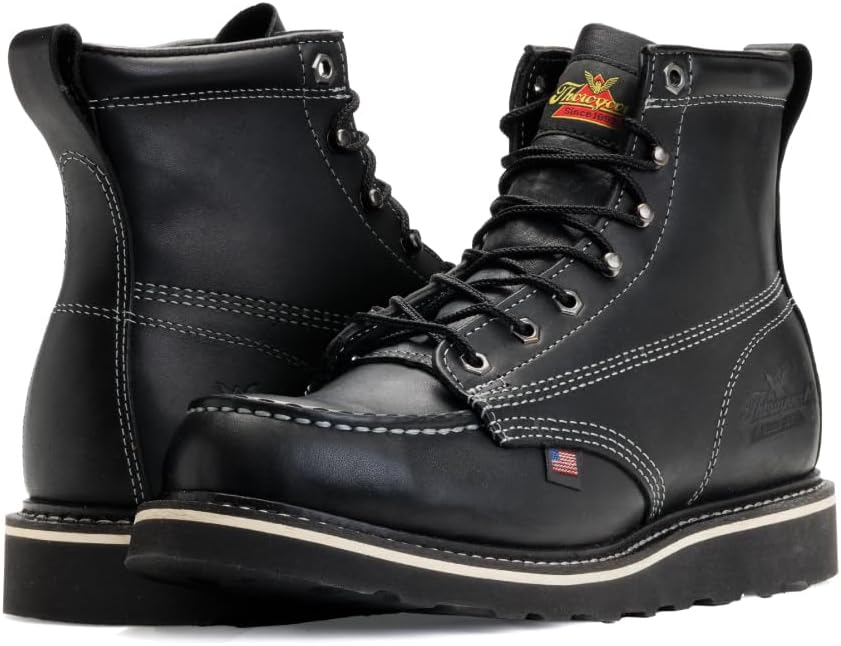
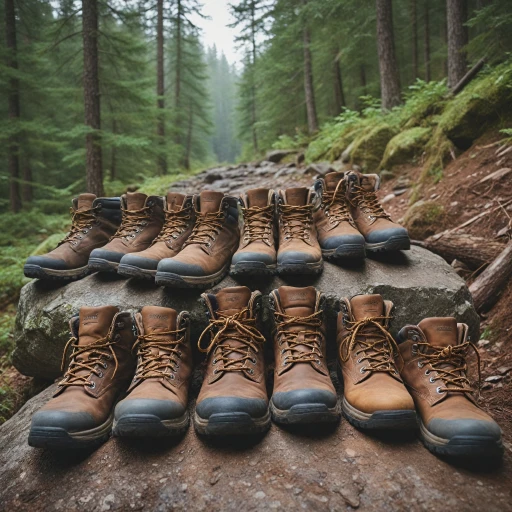
Full-grain leather stands out as a top choice for hiking boots, and for good reason. Unlike corrected grain or bonded leather, full-grain retains the natural grain and strength of the hide. This means it offers exceptional durability and resistance to abrasion, which is crucial when tackling rugged trails or unpredictable weather. Many outdoor enthusiasts notice that boots crafted from full-grain leather develop a unique patina over time, adding character while maintaining their robust performance.
Benefits That Matter on the Trail
- Water Resistance: Full-grain leather, especially when vegetable tanned and properly treated, naturally repels water. This helps keep your feet dry during river crossings or sudden downpours. While not fully waterproof without a membrane, its performance is superior to most grades leather, including top grain and bonded leather.
- Breathability: Despite its toughness, full-grain leather allows for some airflow, reducing sweat buildup and discomfort on long hikes. This balance of protection and comfort is hard to match with synthetic materials or lower quality leather goods.
- Support and Structure: The natural grain top of full-grain leather provides excellent ankle support and maintains its shape over time. This is a key reason why many mountaineers and experienced hikers prefer these boots for demanding terrains.
- Longevity: With proper leather care, full-grain boots can last for years, often outliving boots made from genuine leather, corrected grain, or bonded leather. The investment in quality leather products pays off with extended use and reliability.
Versatility Beyond the Trail
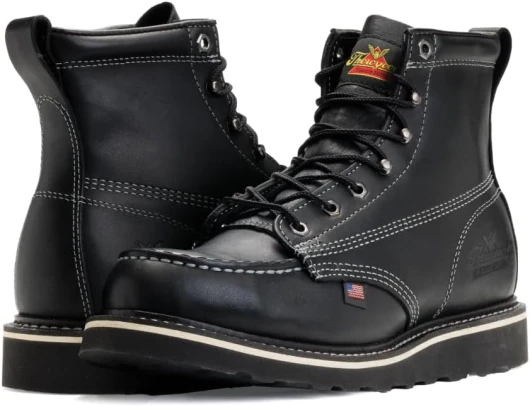
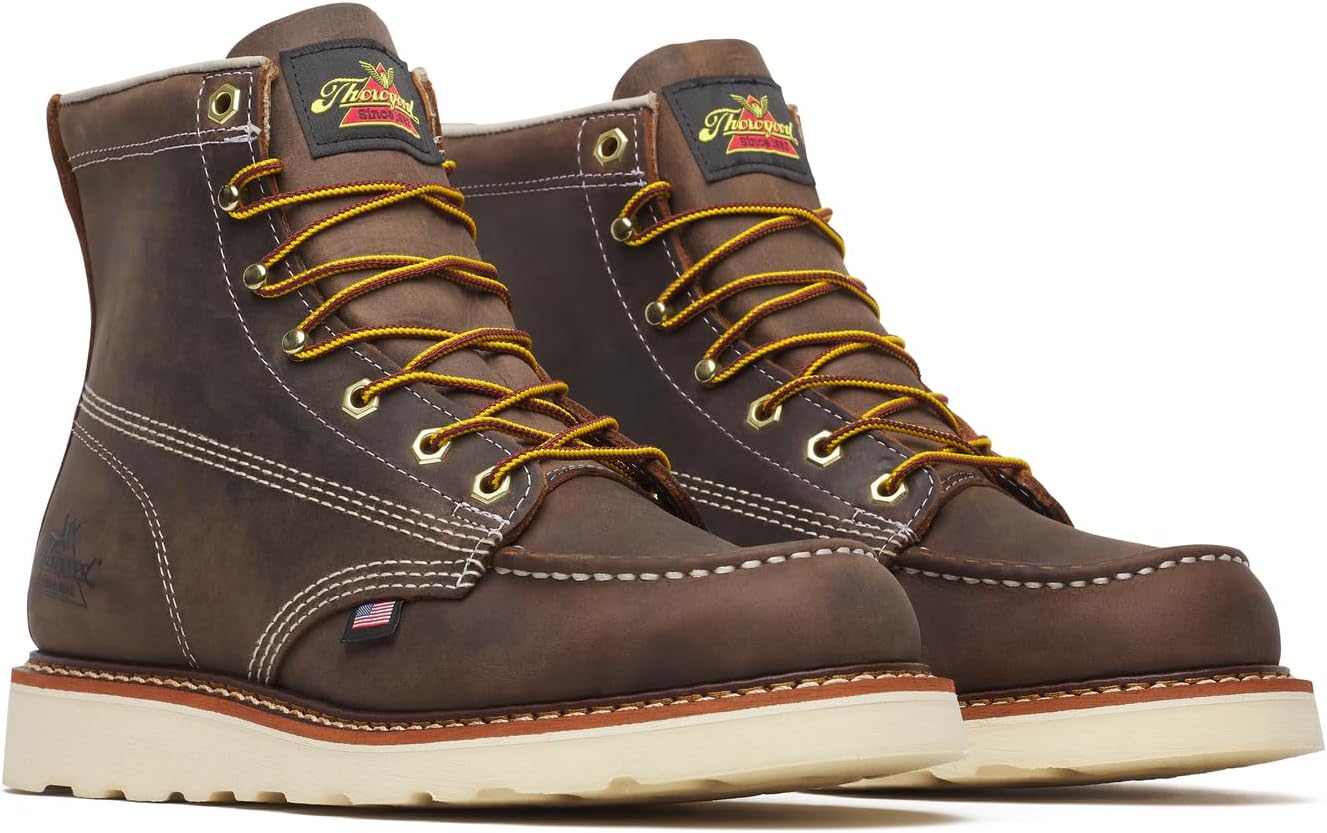
Full-grain leather isn’t just about performance. Its classic look—whether in brown leather, black, or dark brown—makes it a favorite for those who value style as well as substance. Many brands offer a collection of boots, belts, bags, and accessories crafted from full-grain or top grain leather, reflecting its versatility in outdoor and everyday settings. The same qualities that make it ideal for hiking boots also apply to leather belts, jackets, and even furniture, where durability and appearance matter.
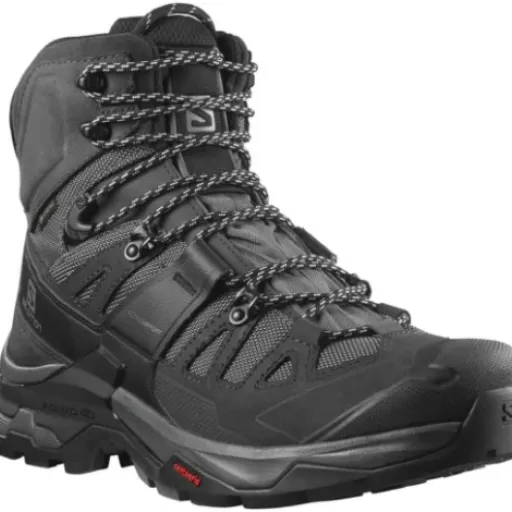
For a closer look at how full-grain leather compares in real-world conditions, check out this detailed field test of a top hiking boot.
Challenges faced by outdoor enthusiasts and how full grain leather helps
How Full-Grain Leather Tackles Outdoor Challenges
Outdoor enthusiasts, experienced hikers, and mountaineers face a unique set of challenges on the trail. From unpredictable weather to rugged terrain, the right gear can make a significant difference. Full-grain leather hiking boots are often chosen for their ability to address these demands, offering a blend of durability, comfort, and protection that stands out among other materials.
- Weather Resistance: Full-grain leather, especially when vegetable tanned, naturally repels water and resists wind. Its dense, natural grain structure keeps feet dry during sudden downpours or when crossing shallow streams. This is a key advantage over corrected grain or bonded leather, which may absorb moisture more easily and compromise comfort.
- Durability on Tough Trails: The top quality of full-grain leather comes from its unaltered hide, making it more resistant to abrasions and punctures. Whether you’re trekking over rocky paths or navigating dense underbrush, this grade of leather maintains its integrity, outlasting many synthetic alternatives and even some top grain leather products.
- Support and Comfort: Over time, genuine leather boots conform to the shape of your foot, offering personalized support. This is especially important for long hikes or multi-day expeditions where comfort can impact performance and safety.
- Temperature Regulation: Full-grain leather’s natural breathability helps regulate foot temperature, reducing the risk of overheating or excessive sweating. This is a notable benefit compared to bonded leather or lower quality leather grades, which may trap heat and moisture.
For those venturing into remote areas, reliable communication is also essential. Consider pairing your high-quality leather boots with a lightweight satellite communicator to stay connected in case of emergencies.
When evaluating your next purchase, remember that not all leather goods are created equal. Full grain and top grain leather boots offer superior protection and longevity, making them a smart investment for serious outdoor activities. Look for products that highlight genuine leather, natural grain, and quality construction to ensure you’re getting the best value for your adventures.
Comparing full grain leather to other materials
How Full Grain Leather Stacks Up Against Other Boot Materials
When it comes to hiking boots, the choice of material can make or break your outdoor experience. Full grain leather stands out for its durability and natural grain, but how does it compare to other popular options like top grain, genuine leather, and synthetics?
- Full Grain Leather: This is the highest quality leather, featuring the complete hide with all its natural markings. Its dense fibers make it exceptionally tough, water-resistant, and long-lasting. Many outdoor enthusiasts prefer full grain for its ability to mold to the foot over time, offering a custom fit and superior comfort on long treks.
- Top Grain Leather: Slightly sanded to remove imperfections, top grain is more uniform in appearance but loses some of the strength and breathability of full grain. While it’s still a quality leather, it doesn’t develop the same rich patina or offer the same level of protection against the elements.
- Genuine Leather: Often used in lower-priced products, genuine leather is made from the layers beneath the top grain. It’s less durable, more prone to stretching, and doesn’t have the same natural grain or resistance to wear. For serious hiking, genuine leather boots may not stand up to rugged conditions.
- Bonded Leather: Made from leftover leather scraps bonded together, this material is the lowest grade. It’s commonly found in belts, bags, and furniture, but rarely in high-performance hiking boots due to its poor durability and tendency to peel or crack.
- Synthetics: Materials like nylon and polyester are lightweight and often more affordable. They dry quickly but don’t offer the same support, protection, or longevity as full grain leather. For those prioritizing weight over durability, synthetics might be appealing, but they lack the classic feel and resilience of leather full boots.
| Material |
Durability |
Water Resistance |
Comfort Over Time |
Price Range |
| Full Grain Leather |
Excellent |
High (with proper leather care) |
Improves with use |
$$$ |
| Top Grain Leather |
Very Good |
Moderate |
Good |
$$ |
| Genuine Leather |
Fair |
Low |
Average |
$ |
| Bonded Leather |
Poor |
Very Low |
Poor |
$ |
| Synthetics |
Good (for weight) |
Moderate |
Stable |
$-$$ |
For those investing in the best hiking boots, full grain leather remains the top choice for quality, longevity, and performance. Its natural grain and vegetable tanned options are favored in premium collections, from brown leather boots to black leather accessories. While the price may be higher, the value over time—especially with proper leather care—makes it a smart investment for serious hikers. Whether you’re eyeing leather belts, bags, jackets, or furniture, understanding leather grades helps you choose products that match your needs and expectations.
Care and maintenance tips for full grain leather boots
How to Keep Your Full Grain Leather Boots in Top Shape
Full grain leather hiking boots are prized for their durability and classic look, but they demand proper care to maintain their quality and performance. Whether you own brown leather, black, or dark brown boots, a regular maintenance routine will help your footwear last through countless outdoor adventures. Here’s what you need to know about leather care for your collection of genuine leather products.
- Clean After Every Hike: Remove dirt and mud with a soft brush or damp cloth. Avoid soaking the leather full boots, as excess water can damage the natural grain and reduce the lifespan of your footwear.
- Dry Properly: Always air dry your boots at room temperature. Keep them away from direct heat sources, which can cause the hide to crack and the grain top to stiffen. Stuffing boots with newspaper helps absorb moisture and maintain their shape.
- Condition Regularly: Use a conditioner designed for full grain or top grain leather. Conditioning prevents the leather from drying out and keeps it supple. For vegetable tanned boots, opt for natural conditioners to preserve the unique characteristics of the leather.
- Protect Against Water: Apply a waterproofing treatment suitable for quality leather. This step is essential for outdoor enthusiasts who encounter wet conditions. Products made for genuine leather or top grain leather are best for maintaining breathability and protection.
- Store Correctly: When not in use, store your boots in a cool, dry place. Avoid plastic bags, which can trap moisture. Instead, use a breathable bag or box to protect your boots from dust and light.
Choosing the Right Leather Care Products
Not all leather care products are created equal. Look for cleaners and conditioners that specify compatibility with full grain, top grain, or genuine leather. Avoid harsh chemicals that can strip the natural oils from the hide. For those who own a range of leather goods—such as belts, jackets, bags, or accessories—using the right products will help maintain the quality and appearance of your entire collection.
| Leather Grade |
Recommended Care |
Common Products |
| Full Grain |
Gentle cleaning, regular conditioning, waterproofing |
Leather balm, natural wax, waterproof spray |
| Top Grain |
Conditioning, occasional cleaning |
Leather lotion, mild soap |
| Corrected Grain |
Light cleaning, minimal conditioning |
Leather cleaner, protective spray |
| Bonded Leather |
Avoid excess moisture, gentle cleaning |
Soft cloth, mild cleaner |
Proper care not only extends the life of your hiking boots but also preserves their appearance and comfort. Investing time in maintaining your leather boots ensures they remain a reliable part of your outdoor gear, whether you’re exploring rugged trails or adding to your collection of quality leather goods.
What to look for when choosing the best full grain leather hiking boots
Essential Features to Evaluate in Full-Grain Leather Hiking Boots
When searching for the best full-grain leather hiking boots, it’s crucial to focus on specific features that ensure durability, comfort, and long-term value. The quality of the leather, the construction methods, and the fit all play a role in how well the boots will perform on the trail.
- Leather Quality and Grade: Look for boots made from genuine full-grain leather, which is the highest grade leather available. This type of leather retains the natural grain, making it more durable and resistant to wear than top grain or corrected grain options. Avoid bonded leather, as it lacks the strength and longevity of full grain.
- Construction and Stitching: Examine the stitching and how the upper is attached to the sole. Goodyear welt or direct attach construction methods are known for their reliability and ease of resoling. Quality leather boots often feature reinforced seams and double stitching, which help prevent separation and extend the life of the footwear.
- Fit and Comfort: A proper fit is essential. Full-grain leather will mold to your foot over time, but initial comfort matters. Try on boots with the socks you plan to wear on hikes. Pay attention to the heel cup, arch support, and toe box space. Some collections offer wide or narrow options to accommodate different foot shapes.
- Water Resistance and Breathability: While full-grain leather is naturally water-resistant, some boots are treated with additional waterproofing agents or lined with breathable membranes. Consider your hiking environment—wet, dry, or mixed conditions—when evaluating these features.
- Outsole and Traction: The outsole should provide reliable grip on various terrains. Look for deep lugs and quality rubber compounds. The best boots balance flexibility and stability, supporting both technical climbs and long-distance treks.
- Weight and Break-In Period: Full-grain leather boots tend to be heavier than synthetic or top grain alternatives. Assess whether the added weight is justified by the support and protection offered. Remember, a break-in period is normal for quality leather boots, but excessive discomfort may indicate a poor fit or low-quality materials.
Additional Considerations for Outdoor Enthusiasts
- Accessories and Leather Care: Investing in proper leather care products—such as conditioners, waterproofing sprays, and brushes—will extend the life of your boots. Consider pairing your boots with a quality leather belt or bag for a cohesive outdoor gear collection.
- Color and Style: Brown leather and black leather are classic choices, but some brands offer dark brown or natural grain finishes. Choose a style that fits your personal preference and intended use.
- Price and Value: High-quality full-grain leather boots come at a premium price, but their longevity and performance often justify the investment. Compare products within your budget, focusing on genuine leather grades and reputable brands.
Summary Table: What to Look For
| Feature |
Why It Matters |
What to Check |
| Full-Grain Leather |
Maximum durability and natural grain texture |
Look for genuine, uncorrected grain leather |
| Construction |
Longevity and repairability |
Goodyear welt, double stitching |
| Fit |
Comfort and support |
Try with hiking socks, check sizing options |
| Water Resistance |
Protection in wet conditions |
Treated leather, waterproof membranes |
| Outsole |
Traction and stability |
Deep lugs, quality rubber |
| Leather Care |
Maintains appearance and function |
Use conditioners, waterproofing products |
Choosing the right full-grain leather hiking boots means balancing quality, comfort, and long-term value. Prioritize genuine materials, robust construction, and proper care to ensure your boots become a trusted part of your outdoor gear collection.