
Understanding the unique terrain of mount monadnock
Monadnock’s Terrain: More Than Just a Walk in the Woods
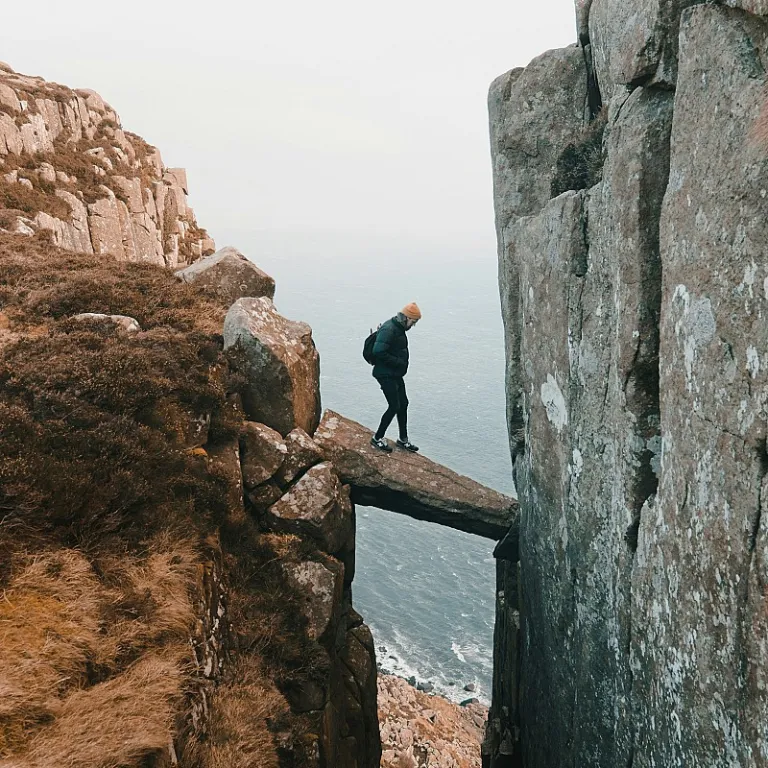
Mount Monadnock, rising prominently in southern New Hampshire, is a classic destination for outdoor enthusiasts and seasoned hikers. The mountain’s reputation is built on its rugged, rocky trails and sweeping summit views, making it a magnet for those seeking a challenge. But what truly sets Monadnock apart is its varied terrain—each trail offers a unique experience, demanding careful consideration when it comes to footwear.
The most popular routes, like the White Dot Trail and White Cross Trail, are known for their steep, rocky ascents. These trails quickly transition from packed earth to exposed granite slabs, especially as you approach the summit. The Pumpelly Trail offers a longer, more gradual climb, weaving through forested sections before breaking out onto open ledges. Meanwhile, the Birchtoft Trail and Lost Farm Trail provide quieter, less-traveled alternatives, but still feature their share of roots, rocks, and occasional muddy patches.
Trail junctions, like those connecting the Red Dot Trail or Cascade Link, can be confusing, especially in foggy or wet conditions. The Cliff Walk and Cross Trail sections add even more variety, with narrow ledges and abrupt elevation changes. The Toll Road offers a less technical, but still demanding, route to the summit for those looking for a different challenge.
- Elevation gain: Most trails climb over 1,700 feet in just a few miles, with the summit of Mount Monadnock at 3,165 feet.
- Surface variety: Expect a mix of packed dirt, loose gravel, slick granite, and occasional muddy sections, especially after rain.
- Exposure: Above the tree line, wind and weather can change rapidly, making traction and stability crucial.
Monadnock State Park manages the mountain and its network of trails, ensuring a well-marked but still wild experience. The sheer number of visitors—over 100,000 annually—means trails can be worn and uneven in places, adding to the challenge. Whether you’re tackling the White Dot or exploring the Pumpelly or Birchtoft approaches, understanding the terrain is essential for choosing the right hiking boots and preparing for a safe, rewarding ascent.
For those interested in exploring other challenging hikes with similar rugged features, check out this guide on exploring the challenges of Eagle Rock Loop.
Key features to look for in hiking boots for mount monadnock
Boots Built for Monadnock’s Demanding Trails
Mount Monadnock’s rugged landscape is a true test for any hiking boot. The mountain’s popular White Dot and White Cross trails, along with the steep Pumpelly Trail and rocky Cliff Walk, all present unique challenges. Hikers encounter granite slabs, exposed roots, loose scree, and often slick surfaces, especially near the summit. Choosing the right boots is essential for safety and comfort.- Traction: The granite ledges and forested paths of Monadnock State Park demand boots with aggressive, sticky outsoles. Deep lugs help grip both dry and wet rock, especially on the White Dot and Cascade Link trails.
- Support: Ankle support is crucial. The elevation gain and uneven terrain, especially on the Red Dot and Lost Farm trails, can strain your joints. Mid- or high-cut boots help prevent twists and fatigue.
- Protection: Toe caps and reinforced sides shield your feet from sharp rocks and roots, which are common on the Cross Trail and at trail junctions.
- Water Resistance: Monadnock’s weather can change fast. Waterproof membranes keep your feet dry when crossing muddy sections or after rain, particularly on the lower miles of the Birchtoft Trail and near the Toll Road.
- Breathability: While protection is key, breathability matters too. Long hikes up the mountain, especially in warmer months, can lead to sweaty feet. Look for boots that balance waterproofing with ventilation.
Fit and Comfort for Long Miles
The hike to the summit of Mount Monadnock, whether via the White Dot, Pumpelly, or Birchtoft trails, covers several miles and involves significant elevation gain. Ill-fitting boots can quickly turn a rewarding walk through the state park’s forest into a painful ordeal. Prioritize a snug heel, ample toe room, and a secure midfoot. Remember, your feet may swell during the hike, so try boots on with the socks you plan to wear.Durability for Repeated Use
Monadnock is one of the most climbed mountains in the world. If you plan to return for multiple hikes or explore different trails like the Red Dot or Link Trail, invest in boots with durable uppers and sturdy soles. Quality materials withstand the abrasion from rocks and roots, especially on the steeper sections near the summit mount. For those interested in how boots perform on other iconic climbs, check out this guide to exploring the allure of Camp Muir for a comparison of gear needs on different mountains. The right hiking boots are your foundation for tackling Monadnock’s diverse and demanding trails, from the forested approach to the exposed summit.Common mistakes hikers make with footwear on mount monadnock
Footwear Pitfalls on Monadnock’s Trails
Mount Monadnock’s rugged terrain, from the rocky White Dot Trail to the exposed summit, demands more from your hiking boots than many realize. Too often, hikers underestimate the mountain’s diverse surfaces and pay the price with sore feet, blisters, or worse. Here’s where many go wrong:- Choosing the Wrong Sole: Trails like the Pumpelly Trail and Cliff Walk feature granite slabs and loose scree. Boots with shallow tread or worn-out soles can slip, especially near trail junctions or on the steep White Cross Trail. A deep-lugged, grippy outsole is essential for traction on Monadnock’s varied surfaces.
- Ignoring Ankle Support: The mountain’s rapid elevation gain and uneven paths, particularly on the Cascade Link and Lost Farm trails, put ankles at risk. Low-cut shoes or trail runners may be tempting, but mid or high-cut boots offer the stability needed for rocky scrambles and root-laden sections.
- Poor Fit and Break-In: Many hikers hit the state park’s trails in new boots, only to suffer blisters by the time they reach the summit. Properly breaking in boots before tackling Monadnock’s 3.8-mile White Dot ascent is crucial. Ill-fitting boots can also cause toe bang on descents, especially on the steep Toll Road or Red Dot routes.
- Overlooking Waterproofing: Monadnock’s forested lower miles, especially after rain, can be muddy and slick. Non-waterproof boots may leave feet soaked before you even reach the mountain’s open ledges, making the rest of the hike uncomfortable and increasing the risk of blisters.
Learning from the Trail
Experienced hikers know that Monadnock’s state park trails—whether you’re on the Birchtoft Trail, crossing the Red Dot or White Cross, or linking up with the Pumpelly—test your gear as much as your endurance. The right boots can make the difference between enjoying sweeping summit views and limping back to the parking lot. If you’re planning to tackle Monadnock or explore other challenging routes, check out this guide to top hiking trails and boot tips for more insights on choosing the right footwear for demanding hikes.How to break in new hiking boots before your hike
Getting Your Boots Ready for Monadnock’s Demanding Trails
Breaking in new hiking boots is essential before tackling the rugged terrain of Mount Monadnock. The mountain’s network of trails—like the White Dot, Pumpelly, and Cliff Walk—are known for their rocky surfaces, steep inclines, and sudden changes in elevation. Unprepared boots can turn a rewarding summit attempt into a painful ordeal.- Start with Short Walks: Begin by wearing your boots around the house, then progress to short walks on local trails or roads. This helps the material flex and adapt to your foot shape.
- Simulate Monadnock’s Terrain: Seek out rocky paths or forested trails that mimic the White Cross or Cascade Link trails. This prepares your boots for the real conditions you’ll face in Monadnock State Park.
- Gradually Increase Distance: Work up to longer hikes, ideally covering several trail miles. Try to include elevation changes similar to those found on the Red Dot or Lost Farm trails.
- Pay Attention to Pressure Points: If you notice discomfort or hot spots, address them early. Adjust lacing, try different socks, or use insoles to prevent blisters during your hike up the mountain.
- Test with Your Hiking Gear: Wear the same socks and carry the same pack weight you’ll use on your Monadnock hike. This ensures your boots fit well under real trail conditions, especially on steep sections like the Pumpelly Trail or near trail junctions.
What to pack for your feet: socks, insoles, and aftercare
Choosing the Right Socks for Monadnock’s Demanding Trails
When tackling the varied terrain of Mount Monadnock, from the rocky White Dot Trail to the forested stretches of the Pumpelly Trail, your choice of socks is just as important as your boots. Opt for moisture-wicking, cushioned hiking socks made from merino wool or synthetic blends. These materials help manage sweat and reduce the risk of blisters, especially on longer hikes covering several trail miles. Avoid cotton, as it retains moisture and can lead to discomfort or hotspots during steep ascents to the summit.
Insoles: Custom Comfort for Every Step
Even the best hiking boots can benefit from upgraded insoles, particularly on Monadnock’s rugged routes like the White Cross or Cliff Walk. Insoles with good arch support and shock absorption can make a significant difference when navigating rocky junctions or descending the Toll Road. Consider bringing an extra pair if you’re prone to foot fatigue or have specific support needs. Test insoles on shorter trails, such as Lost Farm or Cascade Link, before committing to them for your summit attempt.
Aftercare Essentials for Happy Feet
After a challenging day on the mountain, proper foot care is crucial. Pack a small kit with blister pads, moleskin, and a travel-size foot balm. At the end of your hike, especially after traversing multiple state park trails or the steep grades of the Red Dot or Birchtoft Trail, remove your boots and socks to let your feet breathe. Clean and dry your feet as soon as possible to prevent irritation. If you’re staying overnight in the Monadnock State Park area, bring a pair of camp shoes to give your feet a break from your hiking boots.
- Bring at least one extra pair of socks for longer hikes or if you expect wet conditions on the mountain.
- Consider lightweight gaiters if you plan to explore less-traveled routes or cross muddy sections near trail junctions.
- Don’t forget to check your boots and insoles for debris after each walk—small stones from the White Cross or Link Trail can cause discomfort if left inside.
Preparing your feet with the right gear and aftercare will help you enjoy the sweeping views from the summit of Mount Monadnock and make every mile on the trail more comfortable.
Real experiences: hikers share their mount monadnock boot stories
Boots That Made the Difference on the White Dot Trail
Many hikers tackling Mount Monadnock’s White Dot and White Cross trails quickly learn how much their choice of hiking boots matters. One experienced hiker recounted how the rocky, steep ascent on the White Dot trail tested the grip and ankle support of their boots. They noted that a sturdy outsole and a snug fit helped them navigate the granite slabs near the summit, especially where the trail meets the cliff walk and cascade link junctions.Lessons Learned on the Pumpelly and Birchtoft Trails
Those who opt for the longer Pumpelly trail or the forested Birchtoft trail often mention the importance of comfort over miles. A hiker who completed the 4.4-mile Pumpelly approach described how their well-broken-in boots prevented blisters during the long walk through mixed forest and exposed ledges. They emphasized the value of testing boots on shorter hikes before attempting the full summit mount route.Common Pitfalls: Wet Feet and Poor Traction
Several hikers shared stories about underestimating Monadnock’s unpredictable weather. One group encountered slick rocks on the red dot and lost farm trails after a sudden rain. Those with waterproof boots and aggressive tread fared better, while others struggled with wet socks and slips. The consensus: always check the forecast and choose boots with reliable traction for the varied terrain, from the toll road to the cross trail junctions.Aftercare and Recovery: What Hikers Wish They Knew
After a challenging day in Monadnock State Park, hikers often reflect on foot care. Many recommend packing extra socks and insoles, especially for longer routes like the cascade link or east side trails. A few mentioned that quick aftercare—removing boots at the trailhead and letting feet breathe—helped prevent soreness after tackling the mountain’s demanding trails.- Sturdy, well-fitted boots are crucial for rocky ascents and descents
- Waterproofing and traction make a difference on wet sections
- Proper break-in and aftercare can prevent blisters and fatigue