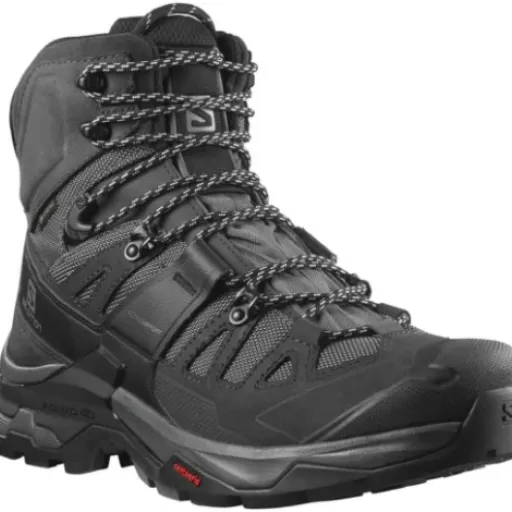
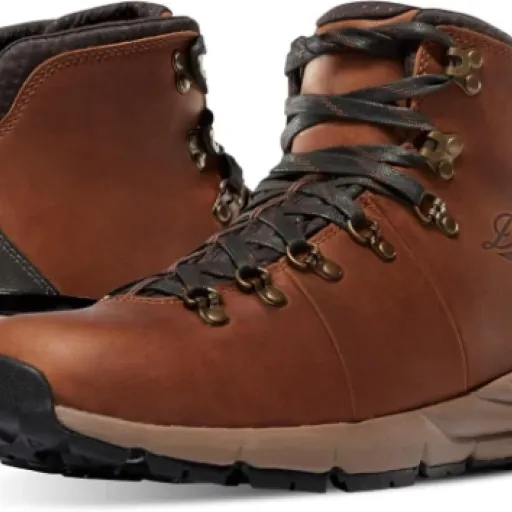
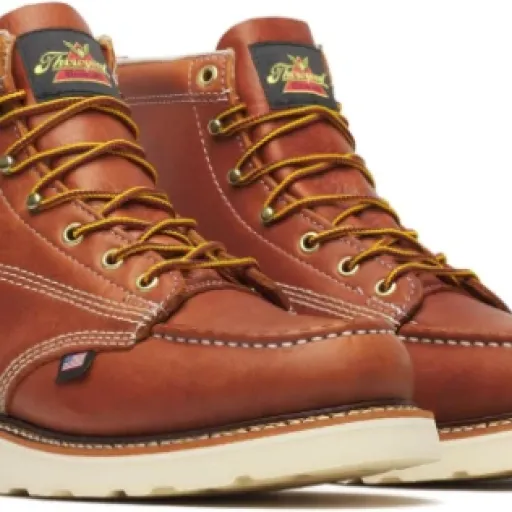
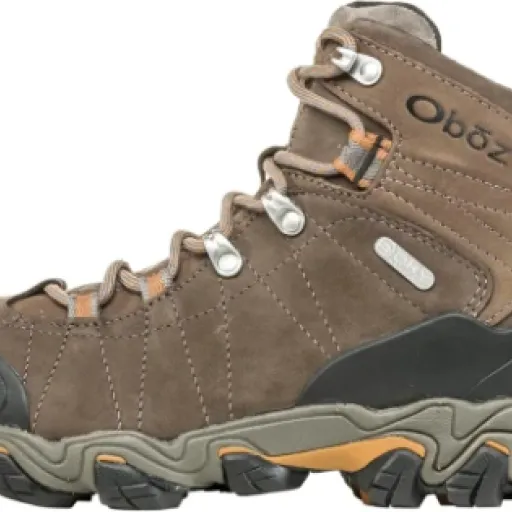
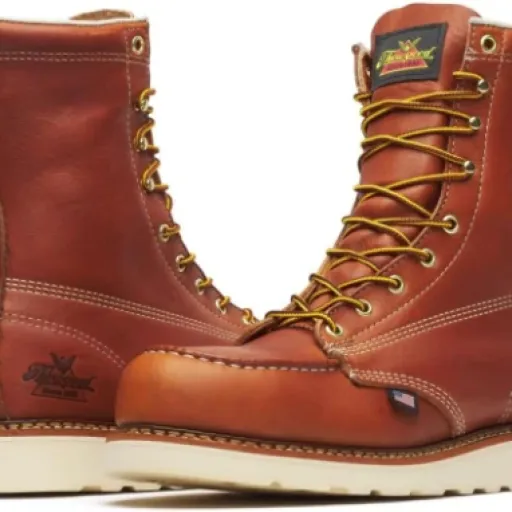
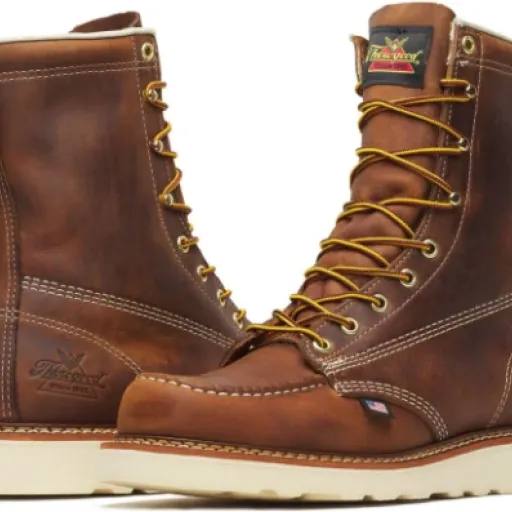
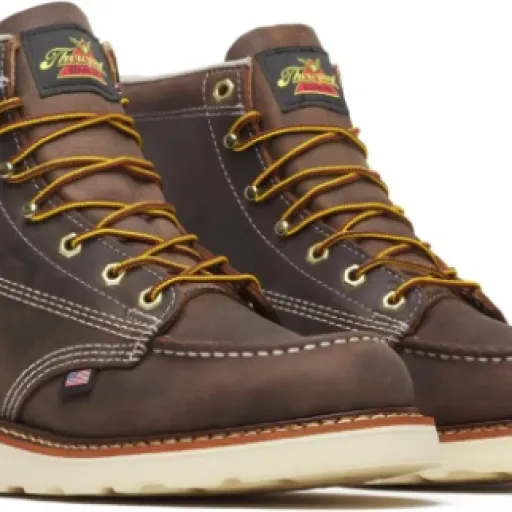
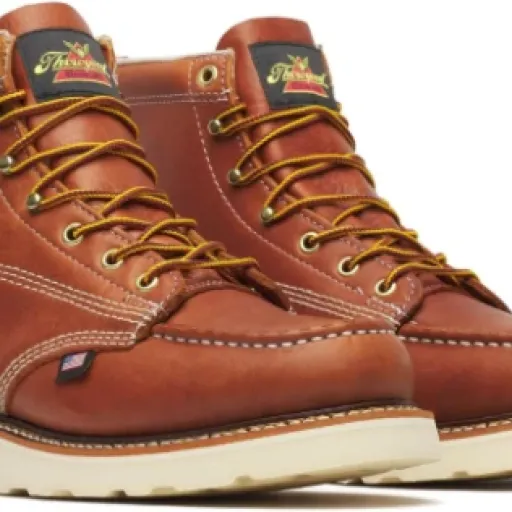
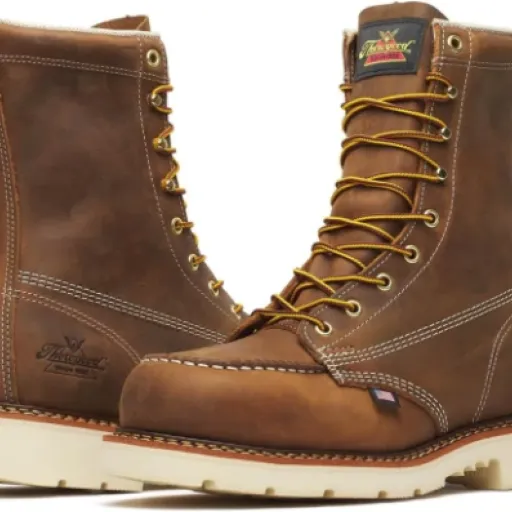
Key features to look for in insulated trail boots
What Makes a Great Insulated Trail Boot?
When searching for the best winter boots or insulated hiking boots, it’s crucial to focus on features that directly impact your comfort and performance on the trail. Whether you’re tackling snow-covered paths or icy winter hikes, the right combination of materials and design can make all the difference. Here’s what to look for:
- Insulation Type and Weight: The core of any insulated boot is its ability to trap warmth. Popular insulation technologies like Thinsulate, PrimaLoft, and proprietary foams (as seen in models like the Columbia Bugaboot III or Oboz Bridger) offer varying levels of warmth without excessive weight. Consider the insulation’s thickness and the boot’s overall weight in lbs, especially for longer hikes.
- Waterproof Protection: Wet feet quickly lead to discomfort and even danger in cold conditions. Look for boots with waterproof breathable membranes such as Gore Tex or proprietary technologies from brands like North Face and Keen Revel. A mid waterproof or high waterproof hiking boot ensures your feet stay dry when crossing streams or trudging through snow.
- Upper Materials: Durable uppers, like full-grain leather, nubuck leather, or synthetic blends, offer both protection and longevity. Leather upper boots provide natural water resistance and support, while synthetic options can reduce weight and improve breathability.
- Fit and Comfort: A comfortable fit is essential for winter hiking. Boots should have enough room for thicker socks but not be so loose that your foot slides. Many insulated boots men’s models come in a range of sizes, so always check size charts and try on with your preferred hiking socks. For more on optimizing comfort, see this guide on choosing the right outdoor socks for hiking boots.
- Traction and Outsole: Winter conditions demand reliable grip. Look for aggressive lug patterns and compatibility with traction devices. Boots like the Hoka Kaha or Columbia Bugaboot excel in icy or snowy terrain.
- Price and Value: Price often reflects the quality of insulation, waterproofing, and materials. While premium boots may cost more, they often deliver better comfort, protection, and durability for frequent winter hiking.
Balancing these features ensures your hiking boot or winter boots are ready for the challenges of cold-weather adventures. Whether you’re eyeing the latest Oboz Bridger, Keen Revel, or a classic leather boot, prioritize insulation, waterproofing, and fit for the best winter experience.
Challenges faced by outdoor enthusiasts and experienced hikers
Common Obstacles on the Trail
Outdoor enthusiasts and experienced hikers know that winter hiking and cold-weather hikes present unique challenges. Insulated hiking boots are essential, but even the best winter boots can be put to the test by snow, water, and freezing temperatures. One of the main issues is keeping feet dry and warm, especially when crossing streams or trekking through deep snow. Waterproof hiking boots with a leather upper or advanced waterproof breathable membranes like Gore Tex are crucial for protection, but not all boots perform equally in wet conditions.
Balancing Weight and Comfort
Another challenge is finding a boot that balances insulation, weight, and comfort. Heavy boots can provide more warmth and protection, but they may also cause fatigue on longer hikes. For example, boots that weigh over 2 lbs per pair can slow you down, especially on steep terrain. Models like the Columbia Bugaboot III or Keen Revel aim to offer a lighter profile without sacrificing insulation. Still, the trade-off between weight and warmth is something every hiker must consider, particularly on multi-day winter hikes.
Fit, Sizing, and Performance
Getting the right size is critical for comfort and performance. A boot that is too tight can restrict circulation, making your feet colder, while a loose fit can lead to blisters. Insulated boots often have a thicker upper, so it’s important to try them on with the socks you plan to wear. Some brands, like Oboz Bridger and Hoka Kaha, are known for their comfortable fit, but sizing can vary. Checking the price and reading reviews can help, but nothing replaces trying boots on in person when possible.
Traction and Protection in Icy Conditions
Winter trails can be unpredictable, with ice, slush, and packed snow. Traction devices may be necessary for added grip, but the outsole of your hiking boot plays a big role. Deep lugs and a solid rubber sole are essential for stability. Some boots, like the North Face winter boots, are designed with aggressive tread patterns for better traction. Nubuck leather uppers and reinforced toe caps also add protection against rocks and ice.
Durability and Value
Finally, the price and durability of insulated boots are always a concern. Leather boots tend to last longer but may require more maintenance. Synthetic uppers can be lighter and more affordable, but might not offer the same longevity. When comparing options like the Bugaboot III or mid waterproof boots, consider how often you’ll use them and in what conditions. For those tackling especially challenging terrains, it’s worth checking out how to choose good cross-country spikes for challenging terrains to complement your insulated boots.
Comparing popular insulation technologies
Insulation Materials: What Sets Them Apart?
When it comes to insulated hiking boots, the type of insulation used can make a significant difference in warmth, weight, and overall comfort. Outdoor enthusiasts and experienced hikers often compare insulation technologies to find the best winter boots for their needs. Here’s a breakdown of the most common insulation materials you’ll encounter in men’s trail boots:
- Thinsulate™: Known for its lightweight profile and high warmth-to-weight ratio, Thinsulate™ is a synthetic fiber insulation found in many waterproof hiking boots. It’s popular in models like the Columbia Bugaboot and Keen Revel, offering reliable protection without adding unnecessary weight (often keeping boots under 2 lbs per pair).
- PrimaLoft®: This synthetic insulation is praised for its water resistance and compressibility. PrimaLoft® is often used in high-end winter hiking boots, providing warmth even when wet. Its performance is comparable to down, but it dries much faster, making it a favorite for snow hikes and wet winter conditions.
- Shearling and Wool: Natural insulations like shearling and wool are found in some leather upper boots. They excel at moisture-wicking and temperature regulation, but can add bulk and weight. These materials are often chosen for their comfort and breathability during long winter hikes.
- Down: While less common in hiking boots due to its sensitivity to water, down insulation is sometimes used in high, waterproof winter boots for extreme cold. It’s exceptionally warm and lightweight, but requires a waterproof breathable membrane like Gore Tex to maintain its insulating properties in wet conditions.
Performance Factors: Warmth, Weight, and Water Resistance
Choosing the right insulation isn’t just about warmth. It’s about balancing protection, comfort, and weight for your specific winter hiking needs. For example, boots like the Oboz Bridger and Hoka Kaha use advanced synthetic insulation paired with waterproof membranes to keep feet dry and warm on snow-covered trails. Meanwhile, the North Face and Columbia Bugaboot III offer mid waterproof options with a leather or nubuck leather upper for added durability and support.
When comparing boots, consider:
- Weight: Lighter insulation materials help reduce fatigue on long hikes, but may sacrifice some warmth.
- Waterproofing: Look for boots with a waterproof membrane (such as Gore Tex) to ensure insulation stays dry and effective.
- Comfort: Insulation should not compromise fit or flexibility. A comfortable boot is essential for winter hiking, especially in challenging terrain.
- Price: Advanced insulation technologies can increase the price, but often deliver better performance and longevity.
Popular Models and Their Insulation
Here’s a quick comparison of some top insulated men’s trail boots and their insulation technologies:
| Boot Model |
Insulation Type |
Waterproof |
Weight (lbs) |
Upper Material |
| Columbia Bugaboot III |
200g Thinsulate™ |
Yes |
2.0 |
Leather/Nubuck |
| Keen Revel IV Mid Waterproof |
KEEN.WARM (Synthetic) |
Yes |
2.2 |
Leather Upper |
| Oboz Bridger 10" Insulated |
400g 3M™ Thinsulate™ |
Yes |
2.4 |
Nubuck Leather |
| Hoka Kaha GTX |
Lightweight Synthetic |
Yes (Gore Tex) |
2.1 |
Leather/Synthetic |
Ultimately, the best winter hiking boots for you will depend on your priorities: warmth, weight, waterproof protection, and comfort. Always check price and fit before making a decision, and consider traction devices for added safety on snow and ice.
Fit and comfort: finding the right insulated boot
How to Ensure the Best Fit for Insulated Trail Boots
Finding the right fit in insulated hiking boots is crucial for both comfort and performance, especially during winter hikes or when tackling snow-covered trails. Ill-fitting boots can lead to discomfort, blisters, and even compromise the insulation’s effectiveness. Here’s what experienced hikers and mountaineers should keep in mind:
- Try Boots with the Right Socks: Always try on boots with the same thickness of socks you’ll use on your hikes. Insulated boots, like the Columbia Bugaboot or Keen Revel, are designed to accommodate thicker winter socks, but sizing can vary between brands and models.
- Check the Toe Box and Heel: Your toes should have enough room to wiggle, but not so much that your foot slides forward on descents. The heel should stay secure to prevent rubbing and blisters, especially in high or mid waterproof hiking boots.
- Consider the Boot’s Weight: Insulated boots often weigh more due to added materials. For example, some winter boots can reach over 2 lbs per boot. While heavier boots offer more protection and warmth, they may feel cumbersome on longer hikes. Balance weight with your comfort needs and hiking style.
- Test for Flexibility and Support: The upper, whether it’s waterproof nubuck leather or a synthetic leather upper, should flex with your foot but still provide enough support for rough terrain. Brands like Oboz Bridger and Hoka Kaha are known for blending comfort with stability.
- Waterproof and Breathable Features: Look for boots with waterproof breathable membranes, such as Gore Tex, to keep your feet dry without overheating. This is especially important in insulated boots, where trapped moisture can reduce warmth and comfort.
- Try Different Sizes: Sizing can differ between brands and even between models like the North Face winter boots or Bugaboot III. Don’t hesitate to try a half size up or down, especially if you plan to use traction devices or double up on socks for extra protection in deep snow.
A comfortable fit is not just about size—it’s about how the boot feels during movement, the support it provides, and how well it keeps water and cold out. Take your time, check price comparisons, and prioritize comfort and protection for the best winter hiking experience.
Maintenance tips for insulated trail boots
Keeping Your Insulated Boots in Top Shape
Regular maintenance is essential to extend the life and performance of your insulated hiking boots. Whether you own a pair of waterproof leather boots, mid waterproof hiking boots, or high winter boots with advanced insulation, proper care ensures they remain comfortable, protective, and ready for any winter hiking adventure.
- Cleaning: After hikes in snow, mud, or wet conditions, remove dirt and debris from the upper and outsole. Use a soft brush and lukewarm water. Avoid harsh detergents, especially with nubuck leather or leather upper boots, as these can damage waterproof breathable membranes like Gore Tex.
- Drying: Never dry boots directly on a heater or in direct sunlight. Instead, remove the insoles and let them air dry at room temperature. Stuffing boots with newspaper can help absorb excess water, especially after winter hikes.
- Waterproofing: Even the best winter boots, such as the Columbia Bugaboot or Oboz Bridger, benefit from periodic reproofing. Use products designed for your boot material—wax for leather, spray for synthetic uppers. This step maintains water resistance and breathability, crucial for winter protection.
- Inspecting: Regularly check for signs of wear, especially on seams, soles, and the waterproof membrane. Early detection of issues helps prevent bigger problems on long hikes.
- Storage: Store boots in a cool, dry place. Avoid leaving them in damp environments, which can degrade insulation and leather. Use boot trees or stuff them with paper to help maintain their shape and size.
Tips for Longevity and Comfort
- Rotate between pairs if you hike often. This allows boots to fully dry and reduces wear.
- Use traction devices when hiking on icy trails to protect the outsole and improve safety.
- Pay attention to the weight of your boots (measured in lbs) and how it affects comfort on longer hikes.
- For boots men prefer for winter hiking, such as the Keen Revel or Hoka Kaha, regular maintenance preserves insulation and fit, ensuring comfort and protection.
A well-maintained pair of insulated hiking boots—whether mid, high, or low—will keep you comfortable and protected through snow, water, and rugged terrain. Investing time in care not only justifies the price but also ensures your boots are ready for every adventure.