
Understanding the terrain of mount waumbek new hampshire
What Makes Mount Waumbek’s Terrain Unique?
Mount Waumbek, nestled in the White Mountain National Forest of New Hampshire, offers a distinctive hiking experience that challenges even seasoned trekkers. The journey to the summit mount begins at the Starr King trailhead, located near the parking lot off Starr King Road. This route, known as the Starr King Trail, is the most popular path to the peak mount, winding through dense forest, mossy ridges, and over the historic remains of the old Starr King cabin.
Elevation, Footers, and Trail Conditions
The ascent covers roughly 7 miles round trip, with a steady but manageable elevation gain of about 2,650 feet. Hikers cross the lower slopes of Mount Starr King before reaching the ridge trail that leads to Waumbek’s summit. The trail map reveals a mix of packed dirt, exposed roots, and rocky footers, especially as you approach the higher elevations. In spring and fall, expect mud and slick surfaces, while winter brings snow and ice, making traction devices or ice cleats for shoes essential for safety.
Weather and Seasonal Factors
Weather in the White Mountains can shift rapidly. The summit mount is often cooler and windier than the trailhead, with fog and precipitation common. The dense forest canopy on the lower Starr King Trail gives way to more exposed ridges as you near the top, so be prepared for changing conditions. The proximity to the Presidential Range and other peaks like Mount Cabot, Mount Osceola, and Mount Jackson means that storms can roll in quickly from the north or south.
Why Terrain Matters for Boot Selection
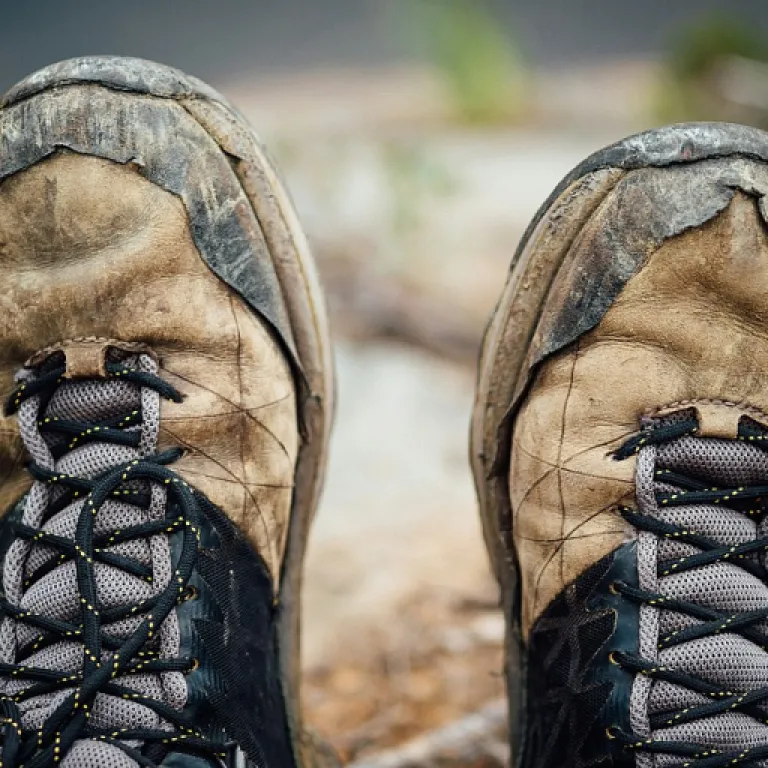
Understanding the unique mix of packed earth, rocky outcrops, and variable weather on Mount Waumbek is crucial for choosing the right hiking boots. The terrain demands footwear with solid ankle support, reliable grip, and weather resistance. These features become even more important if you plan to explore beyond Waumbek, tackling the Kilkenny Ridge or venturing toward the Carter Mountains and the broader White Mountain range. The right boots can make the difference between a comfortable hike and a challenging ordeal, especially when navigating the unpredictable conditions of this mountain national forest.
Key features to look for in hiking boots for mount waumbek
Choosing Boots That Stand Up to Waumbek’s Demands
Mount Waumbek’s trail network, including the Starr King Trail and the Kilkenny Ridge, presents a mix of rocky footing, muddy patches, and occasional snow or ice—especially as you approach the summit mount. The White Mountain National Forest is notorious for unpredictable weather and rugged terrain, so your hiking boots need to be up for the challenge.- Traction and Outsole: Look for deep, aggressive lugs that grip well on wet rocks and loose soil. The ascent from the parking lot up Starr King and across the ridge trail to Waumbek’s peak often includes slick roots and granite slabs. Vibram or similar high-traction soles are a must for the White Mountains.
- Waterproofing: Streams, snowmelt, and muddy stretches are common on the King Trail and along the north and south approaches. Waterproof membranes, like Gore-Tex, help keep your feet dry without sacrificing breathability. This is crucial for longer hikes in the presidential range or when tackling multiple four thousand footers like Cabot or Osceola.
- Ankle Support: The elevation gain and uneven surfaces on Mount Waumbek and neighboring peaks such as Mount Starr King and Mount Jackson demand boots with solid ankle collars. This support helps prevent sprains, especially when descending toward the trailhead or navigating the ridge trail.
- Fit and Comfort: A snug, secure fit prevents blisters during the 7+ miles round trip. Ample toe room is important for steep descents from the summit. Try on boots with the socks you’ll use on the hike and consider any foot swelling that can occur on longer mountain days.
- Durability: White Mountain trails are tough on gear. Reinforced toe caps and abrasion-resistant uppers extend the life of your boots, especially when scrambling over rocks on the King Kilkenny route or the Carter-Moriah range.
Matching Your Boots to the Waumbek Experience
The right boots make a difference whether you’re tackling the summit mount on a brisk fall day or navigating the muddy stretches of the King Road after spring rains. Prioritize boots designed for the rigors of the White Mountains and always consult a trail map before heading out. Your choice of footwear can be the difference between a memorable hike and a painful one, especially on the remote stretches of the Kilkenny Ridge or the approach to Mount Waumbek’s summit.Common mistakes experienced hikers make with boots
Overlooking Fit and Sizing for Challenging Terrain
Even seasoned hikers sometimes underestimate the impact of proper boot fit when tackling the varied terrain of Mount Waumbek. The summit route via Starr King Trail, with its mix of rocky stretches, root-laced paths, and occasional muddy patches, demands boots that fit snugly but allow for toe splay and swelling. Too-tight boots can cause blisters on the ascent toward the summit mount, while loose boots may lead to instability on the descent toward the parking lot or along the ridge trail. Always try boots on with the same socks you plan to use on the mountain, and walk around to check for any pressure points, especially before a long hike in the White Mountains range.
Neglecting Traction and Outsole Quality
Many hikers focus on ankle support but overlook the importance of outsole grip. The trails around Mount Waumbek, including the Kilkenny Ridge and Starr King, can be slick with wet leaves or snow, especially in the shoulder seasons. A boot with a durable, aggressive tread is essential for maintaining footing on the steep sections near the summit and along the range. Choosing a boot with a subpar outsole can turn a rewarding hike into a risky scramble, particularly on the north-facing slopes or when crossing icy patches near the summit mount or along the Carter and Cabot connectors.
Forgetting About Waterproofing and Breathability
Mount Waumbek’s weather can shift quickly, with rain or snow even in late spring. Some experienced hikers mistakenly opt for boots that are either too waterproof (leading to sweaty feet) or not waterproof enough (resulting in soaked socks and cold toes). The key is to find a balance: look for boots with waterproof membranes that still allow for breathability. This is especially important on longer hikes across the White Mountain National Forest, where wet feet can lead to blisters and discomfort over several miles.
Ignoring the Importance of Gaiter Compatibility
On trails like Starr King and Kilkenny Ridge, debris, mud, and snow can easily find their way into your boots. Some hikers neglect to check if their boots are compatible with gaiters, which can make a big difference on muddy or snowy stretches near the summit or along the ridge. Ensuring your boots work well with gaiters helps keep your feet dry and comfortable, especially during early spring or late fall hikes in the White Mountains.
Using the Wrong Boot for the Season or Terrain
It’s tempting to stick with a favorite pair of boots, but not all hiking boots are suited for every season or trail condition. For example, lightweight summer boots may not provide enough insulation or grip for a winter ascent of Mount Waumbek or a traverse toward Mount Starr King. Conversely, heavy winter boots can be overkill for a dry, late summer hike. Assess the trail map, expected weather, and your route—whether heading toward Mount Osceola, Mount Jackson, or the Presidential Range—and choose your boots accordingly. For those who also enjoy waterfowl hunting or wetland hikes, consider reading about choosing the right duck hunting waders for demanding outdoor adventures.
How to break in your hiking boots before hitting the trail
Steps to Ensure a Comfortable Fit Before Your Waumbek Adventure
Breaking in hiking boots is essential before tackling the varied terrain of Mount Waumbek and the surrounding White Mountains. Even experienced hikers sometimes overlook this step, leading to discomfort on the trail, especially along the rocky stretches of the Starr King Trail or the forested ridges of the Kilkenny Ridge Trail. Here’s how to prepare your boots for the miles ahead:- Start Indoors: Wear your new boots around the house or during short walks on flat surfaces. This helps your feet adjust to the fit and allows you to spot any pressure points before you hit the trail map for a longer hike.
- Gradually Increase Distance: Take your boots on short hikes, ideally on local trails with similar conditions to the Mount Waumbek area. Progress from easy walks to more challenging terrain, such as the rolling footers near the parking lot or the rocky sections leading to the summit mount.
- Use the Right Socks: Always wear the same hiking socks you plan to use on the King Trail or when summiting peaks like Mount Cabot or Mount Osceola. This ensures the fit remains consistent and reduces the risk of blisters.
- Pay Attention to Lacing: Experiment with different lacing techniques to secure your heel and prevent slipping, especially on steep sections of the ridge trail or when descending from the summit of Mount Starr King.
- Monitor for Hot Spots: If you feel any discomfort or hot spots during your break-in hikes, address them immediately. Use moleskin or adjust your lacing to prevent blisters before attempting the full ascent of Mount Waumbek or the longer routes through the White Mountain National Forest.
Boot maintenance tips for mount waumbek adventures
Keeping Your Boots Trail-Ready on Mount Waumbek
Mount Waumbek’s rugged terrain, shifting weather, and varied surfaces—from the mossy stretches of the Starr King Trail to the rocky outcrops near the summit—demand more from your hiking boots than just comfort. Proper maintenance is crucial for both safety and longevity, especially when tackling the White Mountains or planning a multi-peak hike across the Kilkenny Ridge.- Clean After Every Hike: Dirt, mud, and grit from the Waumbek Starr King route or the Carter-Moriah range can break down boot materials. Use a soft brush and lukewarm water to remove debris. Avoid harsh detergents, as they can damage waterproof membranes.
- Dry Boots Thoroughly: After a day on the trail, especially in the damp forests of the White Mountain National Forest, remove insoles and let boots air dry away from direct heat. Stuffing with newspaper helps absorb moisture, which is common after crossing streams or hiking in wet conditions near the summit mount area.
- Condition and Waterproof: Regularly apply a suitable conditioner or waterproofing treatment, especially before tackling longer routes like the Kilkenny Ridge Trail or when planning to summit Mount Cabot or Mount Osceola. This preserves leather and synthetic uppers against the unpredictable mountain weather.
- Inspect for Wear: Check soles for uneven wear, especially after hikes on rocky stretches near the summit or along the King Road. Replace laces and eyelets as needed to avoid issues mid-hike, particularly on remote sections of the range.
- Store Properly: Keep boots in a cool, dry place between adventures. Avoid leaving them in your car at the parking lot, where temperature swings can degrade materials.
Recommended hiking boots for mount waumbek new hampshire
Top Picks for Tackling Mount Waumbek’s Demanding Trails
Choosing the right hiking boots for Mount Waumbek and the surrounding White Mountains is crucial for a safe and enjoyable trek. The terrain on the Starr King Trail, Kilkenny Ridge, and up to the summit of Mount Waumbek can be unpredictable—think rocky stretches, muddy patches, and root-laden sections. Here are several boots that consistently perform well for experienced hikers and mountaineers tackling this range:- Salomon Quest 4 GTX: Known for its stability and support, this boot handles the uneven footing along the King Trail and the wet conditions often found near the summit mount. The Gore-Tex lining keeps feet dry, even on the soggy stretches near the parking lot or along the ridge trail.
- La Sportiva Nucleo High II GTX: Lightweight yet durable, these boots are ideal for longer hikes across the White Mountain National Forest. The Vibram outsole grips well on the rocky outcrops of Mount Starr King and the mossy sections of the Kilkenny Ridge.
- Lowa Renegade GTX Mid: A favorite among those who frequent the 4,000 footers, this boot offers a balance of comfort and ankle support, perfect for the elevation gain from the trailhead on Starr King Road to the summit of Mount Waumbek.
- Scarpa Zodiac Plus GTX: For those who venture beyond Waumbek to peaks like Mount Cabot, Mount Osceola, or Mount Jackson, this boot’s rugged construction and precise fit make it a solid choice for technical sections and extended mileage.
- Keen Targhee III Waterproof Mid: If you’re looking for a boot that handles the mud and stream crossings often encountered on the north and south approaches to the mountain, the Targhee’s waterproofing and roomy toe box are hard to beat.
What Sets These Boots Apart for the Waumbek Starr King Experience
- Traction: Essential for the sometimes slippery rocks and roots along the King Kilkenny route and the approach to the summit.
- Waterproofing: The White Mountains’ weather can change quickly, so a reliable waterproof membrane is key, especially on the ridge trail and near the mountain national forest boundaries.
- Support: Ankle support is vital for the uneven terrain and elevation changes, particularly on the steeper sections of the trail map leading to the peak mount.
- Comfort: With miles to cover from the parking lot to the summit, comfort and fit can make or break your hike.