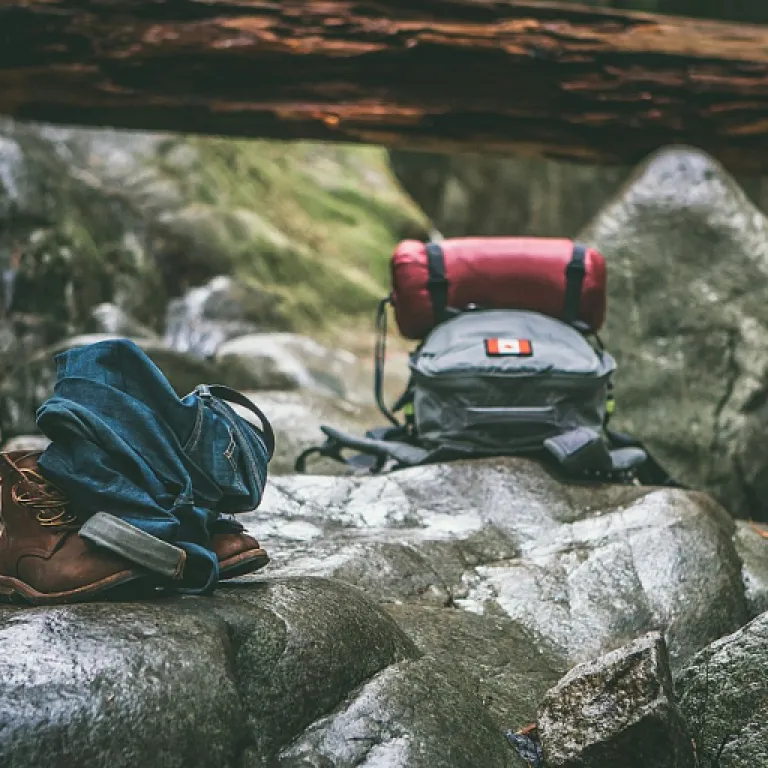

Why hiking boots matter on DC-area trails
Why Proper Footwear Shapes Your DC Hiking Experience
Hiking near Washington, DC offers a surprising variety of trails, from the rocky overlooks of Great Falls Park to the forested paths of Mason Neck State Park and the challenging Billy Goat Trail along the Potomac River. Each location presents its own set of challenges, whether it’s slippery rocks, muddy creek crossings, or steep inclines. The right hiking boots are more than just gear—they’re your foundation for comfort, safety, and enjoyment on every hike.
Many trails in the area, like those at Shenandoah National Park or Harpers Ferry, feature uneven terrain and variable conditions. Even moderate hikes, such as Buzzard Rock or Cunningham Falls, can become difficult if your footwear isn’t up to the task. Proper hiking boots provide essential traction, ankle support, and protection from sharp rocks or sudden changes in trail difficulty. This is especially important on popular hikes near DC, where high foot traffic can make paths slick or eroded, increasing the risk of slips and falls.
Choosing the best boots isn’t just about comfort—it’s about matching your footwear to the specific demands of each trail. For instance, a hike with a longer distance in miles or a route that passes through a nature preserve with muddy sections may require waterproof boots with aggressive tread. Trails with rocky overlooks or steep climbs, like those near the visitor center at Great Falls, benefit from boots with reinforced toe caps and sturdy soles.
It’s also worth noting that many DC-area hikes start at busy parking lots and visitor centers, so you’ll want boots that are comfortable enough for both the approach and the main trail. If you’re looking for a detailed breakdown of what to expect at a popular trailhead, check out this guide to the Hamilton Mountain Trailhead for practical tips.
Ultimately, investing in the right hiking boots can make the difference between a memorable adventure and an uncomfortable trek. As you explore the best hikes near DC, from state parks to national park overlooks, your boots are your most reliable partner on the trail.
Top features to look for in hiking boots for local hikes
Key Elements for Choosing Reliable Hiking Boots
When exploring the best hikes near DC, from the rocky overlooks of Great Falls Park to the forested paths of Mason Neck State Park, your hiking boots are your foundation. The right pair can make all the difference on trails with varying terrain, distance, and difficulty. Whether you are tackling the moderate climbs at Buzzard Rock or the scenic routes along the Potomac River, consider these essential features before your next adventure.
- Traction and Outsole: DC-area trails can be muddy, rocky, or covered in loose gravel, especially after rain. Look for boots with deep lugs and a grippy rubber outsole to handle the changing surfaces at locations like Harpers Ferry or Cunningham Falls State Park.
- Water Resistance: Many hikes near Washington, including those in Shenandoah National Park and along the Billy Goat Trail, cross streams or pass through wet areas. Waterproof membranes or treated leather help keep your feet dry and comfortable over several miles.
- Support and Stability: For hikes with uneven ground or moderate difficulty, such as the overlooks at Great Falls or the rocky stretches near the visitor center at national parks, ankle support is crucial. Mid- or high-cut boots provide stability, reducing the risk of twists and sprains.
- Fit and Comfort: A great fit prevents blisters and fatigue on longer hikes. Try boots on with the socks you plan to wear, and ensure there is enough room in the toe box for descents on steep trails. Adjustable lacing systems can help customize the fit for different foot shapes.
- Breathability: On warm days or longer distances, breathable materials help manage moisture and heat. Mesh panels or moisture-wicking linings are ideal for hikes in nature preserves and state parks near DC.
- Weight: Lightweight boots are best for shorter hikes or well-maintained trails, while heavier, more protective models are suited for rocky, technical routes or longer distances, such as those found in Shenandoah National or along the Appalachian approach trails.
Each trail and park near DC presents its own challenges, from the length in miles to the type of terrain and available parking. Matching your boots to the hike distance and difficulty ensures you get the best experience, whether you are exploring the falls at Great Falls Park or the scenic overlooks near the parking lot at Buzzard Rock. For more insights on preparing for your next hike, check out what to know before starting your hike at Mt Osceola Trailhead.
Common mistakes experienced hikers make with footwear
Footwear Missteps Even Seasoned Hikers Make
Even experienced hikers exploring the best trails near Washington, DC—like Great Falls Park, Harpers Ferry, or the Billy Goat Trail—can fall into common traps when it comes to hiking boots. The right footwear is essential for tackling the region’s diverse terrain, from rocky overlooks to muddy state park paths. Here are some frequent mistakes to watch for, whether you’re heading to Shenandoah National Park or a quick nature walk near a local visitor center.
- Underestimating Trail Conditions: Many hikers assume that familiar trails, such as those at Mason Neck or Buzzard Rock, don’t require robust boots. However, even moderate difficulty hikes can present slick rocks, steep inclines, or unexpected mud, especially after rain. Lightweight shoes may not provide the necessary grip or ankle support, increasing the risk of slips and fatigue.
- Ignoring Boot Fit Over Time: Boots that felt great on a short hike may cause discomfort on longer distances. Feet can swell during a full day exploring the Potomac River overlooks or the length miles of Cunningham Falls. Regularly reassess fit, especially if you’re planning hikes over 10 miles or tackling more challenging national park routes.
- Neglecting Boot Maintenance: Mud, grit, and water from trails near DC can quickly degrade even the best hiking boots. Failing to clean and dry boots after a hike can lead to odor, reduced waterproofing, and premature wear—making your next adventure less comfortable and safe.
- Overlooking the Break-In Period: Even the most experienced hikers sometimes rush to use new boots on a demanding trail. Without proper break-in, hotspots and blisters are almost guaranteed, especially on longer hikes near Virginia’s nature preserves or the rocky paths of Great Falls.
- Choosing Style Over Function: It’s tempting to pick boots based on looks or brand reputation, but for the varied terrain near DC, prioritize features like traction, waterproofing, and support. The best boots for a short park loop may not be suitable for a strenuous hike distance in Shenandoah National or a challenging overlook trail.
Remember, even a hike of 200 miles over several months can take a toll on your boots and feet. Regularly inspect your footwear, match your boots to the trail’s difficulty and length, and don’t hesitate to invest in quality gear for the best experience on DC-area hikes.
How to break in new hiking boots before hitting DC trails
Getting Your Boots Ready for the Trail
Breaking in new hiking boots is essential before tackling the varied terrain found on trails near Washington, DC. Whether you’re planning a moderate hike at Great Falls Park or a longer adventure in Shenandoah National Park, comfortable boots can make the difference between a great day outdoors and a painful trek back to the parking lot. Here’s how to ensure your boots are trail-ready for any location, from the rocky overlooks of Buzzard Rock to the scenic paths at Mason Neck State Park.
- Start Slow: Wear your new boots around the house and on short walks in your neighborhood. This helps the material soften and mold to your feet before you hit longer hikes near the Potomac River or Harpers Ferry.
- Simulate Trail Conditions: Try walking on uneven surfaces, such as local parks or nature preserves. Gradually increase the hike distance and difficulty to match the conditions you’ll find at popular spots like Billy Goat Trail or Cunningham Falls State Park.
- Check for Hot Spots: Pay attention to any discomfort, especially around the heel and toes. Address issues early by adjusting lacing or using hiking socks designed for moisture control. This is crucial for longer hikes with moderate difficulty, such as those near the visitor center at Shenandoah National or the overlooks at Great Falls.
- Use the Right Socks: Pair your boots with the same socks you’ll wear on the trail. Wool or synthetic blends work best for moisture management and comfort, especially on hikes with varying length miles and terrain.
- Gradual Mileage Increase: Don’t jump straight into a 10-mile hike at a national park. Build up your mileage over several outings, exploring different trails and parks near DC to ensure your boots are fully adapted to your feet and the local environment.
Investing time in breaking in your hiking boots will help you enjoy the best views and nature experiences the DC area has to offer, from the falls at Great Falls Park to the scenic overlooks at Harpers Ferry. Proper preparation means fewer blisters and more time exploring the region’s top hikes, no matter the distance or difficulty.
Recommended hikes near DC and the best boots for each
Matching Boots to DC’s Most Popular Hikes
Choosing the right hiking boots for each trail near Washington, DC can make a huge difference in comfort and safety. The region offers a variety of terrains, from rocky overlooks to gentle riverside paths. Here’s a breakdown of some of the best hikes near DC, with suggestions for the ideal hiking boots for each location.
| Hike | Location | Distance (miles) | Difficulty | Terrain & Features | Recommended Boot Type |
|---|---|---|---|---|---|
| Billy Goat Trail (Section A) | Great Falls Park, Maryland | 4.7 | Moderate to Difficult | Rock scrambles, river views, rugged terrain | Sturdy boots with excellent grip and ankle support |
| Great Falls Overlook Trail | Great Falls Park, Virginia | 2-5 (various loops) | Easy to Moderate | Gravel paths, overlooks, waterfall views | Lightweight hiking boots or trail shoes with good traction |
| Harpers Ferry Loop | Harpers Ferry National Historical Park, West Virginia | 4.5-7.5 | Moderate | Historic town, forested trails, Potomac River views | Water-resistant boots with cushioned midsoles |
| Buzzard Rock Trail | George Washington National Forest, Virginia | 6.5 | Moderate | Rocky ridgeline, panoramic views | Mid-cut boots for ankle stability on rocky sections |
| Cunningham Falls State Park | Maryland | 2.8-7.5 (various trails) | Easy to Moderate | Waterfalls, forest, some rocky patches | Breathable boots with reliable grip for wet rocks |
| Mason Neck State Park | Virginia | 1-5 (various trails) | Easy | Flat, wooded, nature preserve, wildlife | Low-cut hiking shoes or trail runners |
| Shenandoah National Park (Old Rag Mountain) | Virginia | 9 | Difficult | Steep ascents, rock scrambles, sweeping views | High-cut boots with aggressive tread and toe protection |
- Parking: Most trailheads, such as Great Falls Park and Cunningham Falls, have a designated parking lot near the visitor center. Arrive early on weekends to secure a spot.
- Trail conditions: After rain, expect muddy or slippery sections, especially along the Potomac River and in state parks. Waterproof boots are a smart choice for these hikes.
- Nature and views: Each area offers unique views, from waterfalls to overlooks. Proper footwear ensures you can enjoy every mile safely.
Matching your boots to the hike’s terrain and difficulty helps prevent blisters and injuries, especially on longer or more challenging trails. After your hike, don’t forget to care for your boots, especially if you’ve tackled muddy or rocky areas. A little maintenance goes a long way in keeping your gear trail-ready for your next adventure near DC.
Caring for your hiking boots after muddy or rocky DC hikes
Cleaning Up After Muddy or Rocky Trails
After a day exploring the rugged terrain of Great Falls Park or the rocky overlooks along the Potomac River, your hiking boots will need some attention. Mud, grit, and moisture can quickly wear down even the best boots. Start by removing loose dirt with a soft brush. For stubborn mud, rinse gently with water—avoid soaking the boots, especially if they're leather. Let them air dry away from direct heat, which can damage the materials.Dealing with Water and Stains from Local Hikes
Many hikes near Washington, like those at Harpers Ferry or along the Billy Goat Trail, involve water crossings or muddy stretches. If your boots get wet, remove the insoles and laces to help them dry faster. Stuffing boots with newspaper can absorb moisture and help maintain their shape. For salt or mineral stains from state park trails, use a mixture of water and vinegar (in moderation) to wipe them clean.Maintaining Grip and Support for Future Adventures
The rocky paths at Buzzard Rock or the moderate difficulty trails in Shenandoah National Park can wear down your soles. Check the tread regularly for signs of wear. If the grip is fading, consider resoling or replacing your boots to ensure safety on your next hike. Conditioning leather boots helps keep them supple, while synthetic boots benefit from regular cleaning to prevent breakdown.- Store boots in a cool, dry area—avoid leaving them in your car after a long hike near the visitor center or parking lot.
- Inspect for damage after each outing, especially after challenging hikes with sharp rocks or roots.
- Reapply waterproofing treatments as needed, especially after hikes in wet areas like Cunningham Falls or Mason Neck nature preserve.