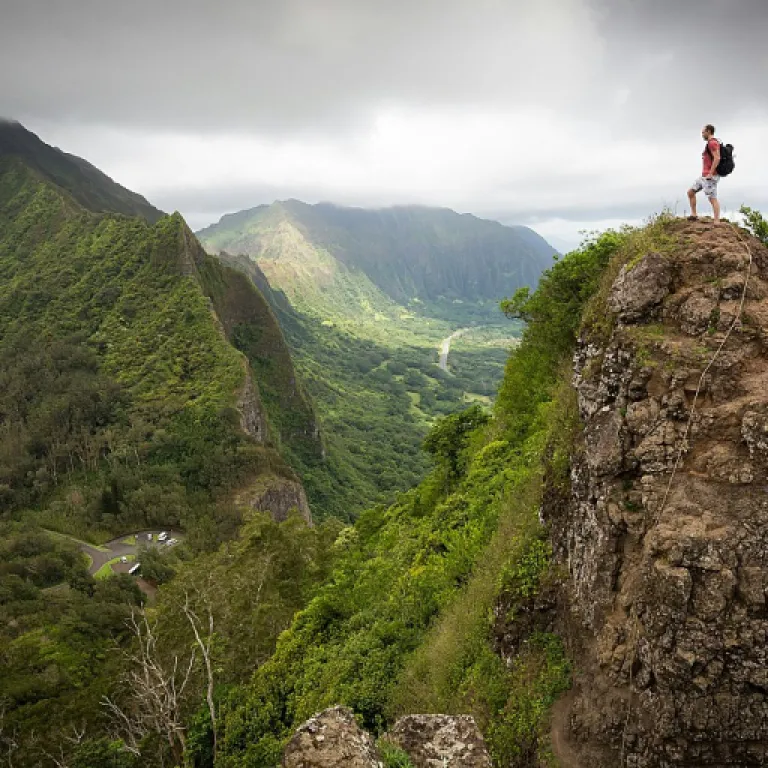

Understanding the hamilton mountain trailhead terrain
Terrain Features and Trail Layout
The Hamilton Mountain trailhead sits within the scenic Beacon Rock State Park, offering hikers a gateway to some of the most dramatic landscapes in the Columbia River Gorge. The trail itself is well-known for its varied terrain, starting with a steady climb from the parking lot and quickly introducing a mix of forested paths, rocky outcrops, and exposed viewpoints. The elevation gain is significant, with switchbacks leading up through dense woods before opening to sweeping views of the river and surrounding mountains.
Key Landmarks Along the Route
As you ascend, the route passes several notable features. Early on, Rodney Falls and Hardy Falls provide a refreshing break, with the creek trail offering close-up views of cascading water. The Hardy Creek crossing is a popular spot for a quick rest before tackling the steeper sections. Higher up, the trail skirts the edge of cliffs, rewarding hikers with great views of the Columbia River and the surrounding state parks. The falls viewpoint is a must-stop for photos, especially during spring runoff.
Trail Challenges and Considerations
The mountain loop is not just about elevation gain; hikers should be prepared for rocky sections, occasional muddy patches, and exposed ridgelines. The path can become slippery after rain, and loose rock is common near the top. Equestrian use is permitted on some sections, so sharing the trail is part of the experience. The proximity to Beacon Rock and the river gorge means weather can change quickly, impacting trail conditions.
Trail Length and Navigation
The full hike covers several miles, with options for shorter out-and-back trips or completing the entire loop. Trail junctions are generally well-marked, but carrying a map or GPS is recommended, especially for those venturing beyond the main route. Trip reports often highlight the importance of starting early to secure parking and enjoy the quieter stretches before crowds arrive.
- Elevation gain: Expect a challenging ascent, especially past Hardy Creek.
- Views: Panoramic vistas of the Columbia Gorge and river from multiple points.
- Trail surface: Mix of packed dirt, rock, and occasional roots.
- Landmarks: Rodney Falls, Hardy Falls, Beacon Rock, and the summit viewpoint.
For those interested in exploring more trails with similar features, check out this guide to top trails near Denver for further inspiration and comparison.
Choosing the right hiking boots for hamilton mountain
Boot Features That Matter on the Hamilton Mountain Trail
The Hamilton Mountain trail in Beacon Rock State Park is known for its varied terrain, including rocky paths, steep elevation gain, and occasional muddy sections near Hardy Creek and Rodney Falls. Choosing the right hiking boots is essential for tackling the mountain loop and enjoying the great views of the Columbia River Gorge.
- Traction: The trail includes loose rock, exposed roots, and slick areas near creek crossings. Look for boots with aggressive lugs and a grippy outsole to handle the park’s changing surfaces.
- Support: With elevation gain and uneven ground, ankle support is crucial. Mid or high-cut boots help prevent twists, especially on the rocky switchbacks and near falls viewpoints.
- Waterproofing: Sections near Hardy Creek and Hardy Falls can be wet, particularly in spring. Waterproof membranes keep feet dry, but ensure the boots are still breathable for comfort during the climb.
- Durability: The rocky terrain and frequent use reported in trip reports mean boots should have reinforced toe caps and sturdy construction to withstand abrasion.
- Fit and Comfort: Long hikes to the top and back to the parking lot demand a secure fit. Try boots on with hiking socks and consider the break-in period before tackling the full mountain trail.
For those planning to explore more trails near Denver or similar mountain environments, check out this guide to top trails near Denver for additional boot recommendations and trail insights.
Remember, the right boots not only protect your feet but also enhance your experience as you navigate the Columbia Gorge’s state parks, from Beacon Rock to the falls viewpoints. Proper footwear is a key part of your essential gear, especially when the trail conditions shift with the weather and elevation.
Weather considerations and trail conditions
How Weather Shapes Your Hamilton Mountain Hike
The Hamilton Mountain trail in Beacon Rock State Park is known for its dramatic elevation gain, sweeping Columbia River Gorge views, and ever-changing weather. Before heading out, it’s essential to check the latest trip reports and weather forecasts. Conditions can shift quickly, especially in the spring and fall, turning an easy hike into a more challenging adventure. Rain is common in the Columbia Gorge, making the mountain trail and creek crossings—like those near Hardy Creek and Rodney Falls—slippery. Muddy sections are frequent, especially after heavy rainfall, so waterproof hiking boots with solid traction are a must. In winter and early spring, icy patches may linger on shaded switchbacks and near the falls viewpoint, requiring extra caution. Wind is another factor to consider. The exposed ridges and open viewpoints near the top can experience strong gusts coming off the river. Layering is key, as temperatures drop with elevation gain and wind chill can make the summit feel much colder than the parking lot below. Fog and low clouds sometimes obscure the great views of the Columbia River and Beacon Rock, but they also add a unique atmosphere to the state park. However, visibility can be limited, so stay alert for trail markers, especially on the mountain loop and near creek trail junctions. If you’re planning a trip during the summer, expect dry, dusty conditions, particularly on the upper mountain. Hydration becomes crucial, as the sun can be intense on exposed sections above Hardy Falls. Always carry enough water and sun protection. For those interested in exploring gentle trails in your area, check out this guide on navigating local easy hikes for more tips on adapting to different trail and weather conditions. Staying prepared for the unpredictable weather at Hamilton Mountain will help ensure a safe and enjoyable experience, whether you’re tackling the full mountain loop or just heading up to the falls viewpoint.Common challenges faced by experienced hikers
Unexpected Obstacles Along the Hamilton Mountain Trail
The Hamilton Mountain trail in Beacon Rock State Park is known for its dramatic elevation gain, rocky outcrops, and ever-changing terrain. Even experienced hikers can encounter surprises that test their skills and preparation.- Rocky Sections and Slippery Surfaces: The trail features exposed rock, especially near the summit and around Rodney Falls. After rain, these rocks become slick, increasing the risk of slips. Proper hiking boots with solid grip are essential for navigating these areas safely.
- Steep Elevation Gain: The climb from the parking lot to the top involves over 2,000 feet of elevation gain. This steady ascent can be taxing, particularly on the legs and lungs. Hikers should pace themselves and take advantage of rest spots with great views over the Columbia River Gorge.
- Trail Erosion and Mud: Hardy Creek and sections near Hardy Falls can flood or become muddy, especially in spring. Trail erosion is common, making footing unpredictable. Staying on the main path helps protect the park and reduces the risk of injury.
- Navigation Challenges: The mountain loop includes several junctions, including the spur to the falls viewpoint and the equestrian trail. Trail markers are present, but fog or low visibility can make navigation tricky. Carrying a map or GPS is recommended.
- Variable Weather: Sudden changes in weather are typical in the Columbia Gorge. Rain, wind, and fog can roll in quickly, reducing visibility and making the trail more hazardous. Layered clothing and waterproof gear are crucial for safety and comfort.
Physical and Mental Fatigue
Long hikes on the Hamilton Mountain trail can lead to both physical and mental fatigue. The combination of steep climbs, rocky descents, and the need for constant attention to footing can wear down even seasoned hikers. Regular breaks, hydration, and energy snacks help maintain focus and stamina.Wildlife and Trail Etiquette
While the park is popular, encounters with wildlife such as deer or birds are common, especially near creek trail sections. Hikers should respect all wildlife and follow Leave No Trace principles to preserve the natural beauty of the state parks. Sharing the trail with equestrian users is also part of the experience—yielding appropriately ensures a positive trip for everyone.Trail Crowds and Parking
On weekends and holidays, the parking lot at the trailhead fills quickly. Crowds can slow progress, especially at narrow points near Hardy Creek and the falls. Starting early or visiting on weekdays can help avoid congestion and allow for a more peaceful hike. For those planning to tackle the Hamilton Mountain trail, reviewing recent trip reports can provide valuable insights into current trail conditions and any new challenges that may arise.Foot care strategies for long hikes
Keeping Your Feet in Top Shape on the Hamilton Mountain Trail
Foot care is a crucial part of any successful hike, especially on demanding routes like the Hamilton Mountain trail. The combination of elevation gain, rocky paths, and potential moisture from creek crossings can quickly turn a great hike into an uncomfortable experience if your feet aren’t properly cared for.- Choose the Right Socks: Opt for moisture-wicking, well-fitted hiking socks. Wool blends are popular for their ability to keep feet dry and reduce friction, especially on longer mountain loops or when tackling the elevation gain near Hardy Falls and Rodney Falls.
- Manage Moisture: The Columbia River Gorge region can be damp, and creek trails like those near Hardy Creek often mean wet conditions. Carry an extra pair of socks in your pack to swap out at the falls viewpoint or when you stop for a break at the beacon rock parking lot.
- Prevent Blisters: Before you set out from the state park trailhead, apply a friction-reducing balm or tape to common hotspots. Pay attention to your heels and toes, especially if your hike includes the steeper sections toward the top or the rocky switchbacks near the river gorge.
- Take Breaks: On longer hikes, such as the full Hamilton Mountain loop, take time to remove your boots and let your feet air out when you reach scenic spots like the great views above the Columbia River or the overlook near Beacon Rock. This helps prevent moisture buildup and gives your feet a chance to recover.
- Inspect Your Feet: During your trip, check for hot spots or early signs of blisters. Address any discomfort immediately—don’t wait until you’re back at the parking lot. A small issue can quickly become a bigger problem on the rugged terrain of state parks like Hamilton Mountain.
Essential gear checklist for the hamilton mountain trailhead
Gear That Makes a Difference on the Trail
- Hiking Boots: A sturdy pair of hiking boots is essential for tackling the rocky terrain and elevation gain found on the Hamilton Mountain trail. Look for boots with strong ankle support and grippy soles to handle the mix of creek crossings, steep sections, and loose rock.
- Weather-Appropriate Clothing: The Columbia River Gorge is known for sudden weather changes. Layering is key—bring a moisture-wicking base, insulating mid-layer, and a waterproof shell, especially if you plan to reach the top or explore the falls viewpoint.
- Navigation Tools: Even though the state park trails are well-marked, a map or GPS device can help you stay on track, especially if you venture onto the mountain loop or explore side trails like Hardy Creek or Rodney Falls.
- Hydration System: The elevation gain and length—several miles if you do the full loop—mean you’ll need plenty of water. Hydration bladders or bottles are both good options. Consider a filter if you plan to refill from creek sources.
- Food and Snacks: Energy bars, nuts, and dried fruit are easy to pack and provide quick fuel for the climb and descent. The views over the Columbia River and Beacon Rock make for great picnic spots.
- First Aid Kit: Minor scrapes and blisters are common, especially on rocky sections or near Hardy Falls. Include blister pads, bandages, and antiseptic wipes.
- Trekking Poles: These are helpful for stability on steep or uneven ground, particularly near the river gorge or when descending from the top.
- Headlamp or Flashlight: If your hike extends into the evening or you start early to catch sunrise views, reliable lighting is a must.
- Sun Protection: Even on cloudy days, UV exposure is possible at higher elevations. Bring sunscreen, sunglasses, and a hat.
- Emergency Whistle and Beacon: For added safety, especially if hiking solo or in less-trafficked areas of the park.
- Parking Pass: A Discover Pass is required for parking at the Hamilton Mountain trailhead in Beacon Rock State Park. Make sure it’s visible in your vehicle at the parking lot.
| Item | Purpose | Trail Relevance |
|---|---|---|
| Hiking Boots | Foot protection, traction | Rocky, uneven, and wet sections |
| Navigation Tools | Route finding | Mountain loop, creek trail, state parks network |
| Hydration System | Stay hydrated | Elevation gain, miles covered |
| First Aid Kit | Injury management | Falls, scrapes near rocky areas |
| Trekking Poles | Stability, reduce fatigue | Steep climbs, river gorge descent |
Whether you’re aiming for great views at the top, exploring the falls, or tackling the full mountain trail, having the right gear ensures a safer and more enjoyable experience in Beacon Rock State Park. Trip reports often highlight how preparedness makes all the difference, especially when conditions change quickly along the Columbia River and Hardy Creek.