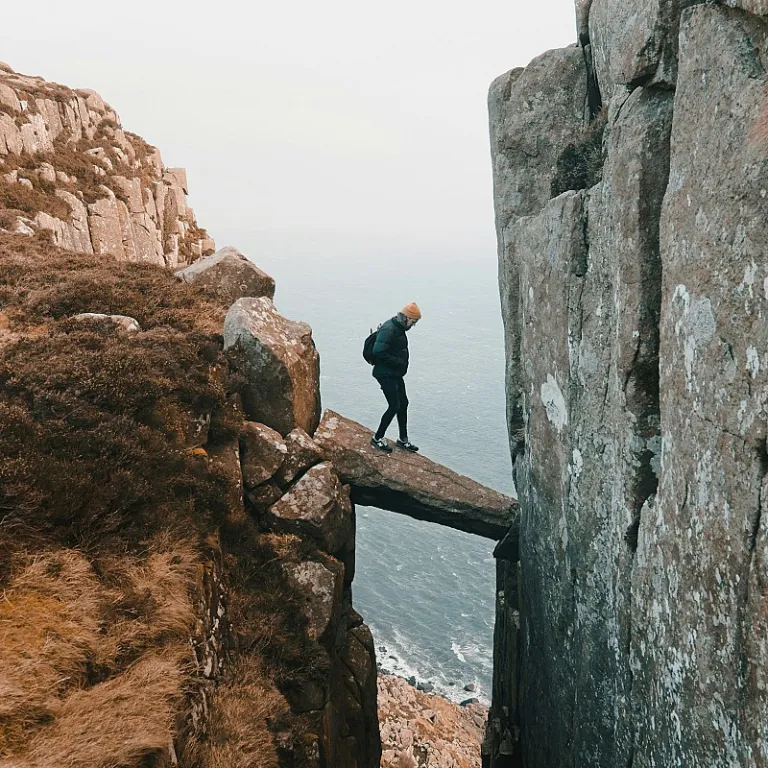

Understanding the need for weatherproof boots in unpredictable environments
Facing the Elements: Why Weatherproof Boots Are Essential
Every outdoor enthusiast knows that trail conditions can change in an instant. Whether you’re hiking through a sudden downpour, crossing muddy paths, or trekking in winter snow, your choice of boots can make or break your adventure. Weatherproof boots are not just a luxury—they’re a necessity for anyone serious about comfort and safety on the trail.
Unpredictable environments demand footwear that can handle wet, cold, and even icy conditions. Without proper weatherproofing, water can seep in, leading to cold feet, blisters, and even frostbite in extreme cases. For those who hike in snow or rain, or who value free movement without worrying about soggy socks, investing in weatherproof boots is a smart move.
- Protection: Weatherproof boots shield your feet from rain, snow, and mud, keeping you dry and comfortable.
- Durability: Quality weatherproof products are built to last, even in harsh conditions.
- Versatility: From vintage-inspired lace boots to modern chukka boots, there are options for every style and need.
- Value: While price is a factor, the long-term benefits of reliable boots often outweigh the initial cost, especially with free shipping offers and top-rated products.
Experienced hikers and mountaineers often look for features like medium width options, robust laces, and reinforced soles to ensure their boots perform under pressure. Men’s snow boots and boots black styles are popular for winter snow, while duck boots and weatherproof vintage designs offer both function and style.
For a detailed look at one of the top-rated weatherproof hiking boots for men, check out this in-depth review of the White Ledge Mid Waterproof Hiking Boots. This review covers comfort, width, and performance in tough conditions, helping you make an informed decision.
Understanding the need for weatherproof boots is just the first step. Next, it’s crucial to know which features set the best boots apart from the rest and how to choose the right pair for your adventures. Skip main concerns about false promises—focus on boots that deliver real protection and comfort, backed by expert reviews and privacy policy transparency from trusted brands.
Key features to look for in weatherproof boots
What Sets Reliable Weatherproof Boots Apart
When you’re choosing boots for unpredictable trail conditions, it’s not just about keeping your feet dry. Weatherproof boots must deliver a blend of protection, durability, and comfort. Here’s what experienced hikers and mountaineers look for when evaluating weatherproof products:
- Waterproof Membranes: Look for boots with proven waterproof linings, like Gore-Tex or proprietary membranes. These keep water out while letting sweat escape, crucial for cold and wet conditions.
- Insulation: For winter snow or cold weather, insulation is key. Not all weatherproof boots are snow boots, so check the product details for warmth ratings.
- Traction: Outsoles should offer grip on wet, icy, or muddy surfaces. Deep lugs and quality rubber compounds help prevent slips in challenging conditions.
- Construction Quality: Pay attention to how the boot is built. Seam-sealed construction, reinforced lace hooks, and robust stitching are signs of a boot designed to last.
- Fit Options: Weatherproof boots come in various widths and sizes. A medium width might fit most, but those with wider or narrower feet should look for brands offering multiple width options.
- Lacing Systems: Secure lace boots or chukka boots with reliable hardware help keep your foot stable, especially on uneven terrain.
- Weight: Balance is important. Heavy-duty boots offer more protection but can tire you out. Lightweight models are great for fast hikes but may sacrifice some durability.
- Versatility: Some boots, like duck boots or boots chukka, blend vintage style with modern weatherproofing. Consider where you’ll use them most—urban, trail, or winter snow.
- Price and Value: Higher price doesn’t always mean better performance. Compare features, read product reviews, and check for free shipping offers to get the best value.
For a detailed hands-on review of a top-rated men’s weatherproof hiking boot, check out this test of the Men’s White Ledge Mid Waterproof Hiking Boots. It covers fit, comfort, and performance in real-world conditions.
Remember, the right boot can make all the difference when facing unpredictable weather. Whether you’re after boots black, weatherproof vintage, or winter-ready snow boots, focus on features that match your hiking needs and trail conditions. And always review the privacy policy and shipping details before purchasing to avoid false expectations about free shipping or returns.
Material matters: pros and cons of common boot fabrics
Comparing Boot Fabrics for Trail Performance
Choosing the right material for your weatherproof boots is crucial for comfort and protection in unpredictable conditions. The fabric impacts everything from how your boots handle snow and rain to their breathability and weight. Here’s a breakdown of the most common materials found in weatherproof hiking boots, along with their pros and cons.- Full-Grain Leather: Known for its durability and excellent water resistance, full-grain leather is a top pick for mountaineers tackling harsh winter snow or rocky trails. While these boots often come at a higher price, they offer superior protection against cold and wet conditions. However, they can be heavier and require more break-in time. Maintenance is key to prevent cracking and to keep the weatherproof qualities intact.
- Synthetic Fabrics: Materials like nylon and polyester are popular in modern hiking boots. They’re lighter, dry faster, and are often more affordable. Many products combine synthetic uppers with waterproof membranes for reliable weatherproof performance. The trade-off is that they may not last as long as leather, especially in rugged terrain.
- Waterproof Membranes: Technologies such as Gore-Tex or proprietary membranes are often layered inside boots to keep feet dry. These are especially valuable for snow boots or winter snow adventures. While they add to the price, they provide a strong barrier against moisture. However, some users find that breathability can be reduced, leading to sweat buildup in warmer conditions.
- Duck Boot Construction: Duck boots combine rubber lowers with leather or synthetic uppers. They’re ideal for wet, muddy trails and offer a vintage look that appeals to some outdoor enthusiasts. The rubber base is easy to clean and provides solid protection, but these boots can feel stiff and may not offer the same comfort or support as dedicated hiking models.
Fit and comfort: why one size doesn’t fit all
Finding the Right Fit for Maximum Comfort
When it comes to weatherproof boots, comfort is not just a luxury—it's a necessity. The best boots are designed to keep your feet dry and protected in snow, rain, and cold, but if the fit is off, even the most advanced weatherproof features won't save you from blisters or discomfort on the trail. Experienced hikers know that one size truly doesn’t fit all, especially when you factor in different foot shapes, widths, and the need for extra room for winter socks.
- Width matters: Many boots come in medium and wide options. Trying on both can help you avoid pinching or sliding, especially in boots black or weatherproof vintage styles.
- Lacing systems: A good lace system allows for micro-adjustments. Lace boots and duck boots often feature secure closures that keep your foot stable in changing conditions.
- Chukka and snow boots: Chukka boots and winter snow boots each offer unique fits. Chukka boots are great for medium hikes, while snow boots provide extra insulation for cold and wet conditions.
Don’t be tempted by price alone. While free shipping and competitive prices are attractive, comfort should always be your top priority. Many products boast high stars in reviews, but check if they address fit and comfort, not just weatherproof claims. Some brands offer free returns, making it easier to try different widths or styles at home without risk.
Remember, a boot that fits well will help you skip main trail discomforts and focus on the adventure ahead. Whether you’re eyeing lace boots, boots chukka, or winter snow boots, prioritize comfort and fit for every hike. For privacy policy details or more information on specific products, always check the retailer’s site before purchasing.
Maintenance tips to extend the life of your weatherproof boots
Simple Steps to Keep Your Boots Trail-Ready
Taking care of your weatherproof boots is essential if you want to get the most out of your investment. Whether you’re trekking through snow, mud, or rocky terrain, regular maintenance can make a big difference in comfort and performance. Here’s how to keep your boots in top shape, no matter the conditions:- Clean after every hike: Remove dirt, salt, and debris with a soft brush and lukewarm water. For winter snow or muddy trails, pay extra attention to the seams and lace areas, as buildup can affect weatherproofing.
- Dry thoroughly: Never leave your boots wet or in direct sunlight. Instead, let them air dry at room temperature. Stuffing them with newspaper helps absorb moisture and maintain shape, especially for medium width or wider boots.
- Condition and waterproof: Use products designed for your boot’s material. Leather boots benefit from conditioners, while synthetic and duck boots often need a spray-on weatherproof treatment. This preserves the waterproof barrier and prevents cracking in cold conditions.
- Inspect laces and eyelets: Check for fraying or rust. Replace worn laces and clean metal parts to avoid unexpected failures on the trail. Lace boots and chukka boots especially need regular checks.
- Store properly: Keep boots in a cool, dry place. Avoid plastic bags, which can trap moisture and lead to mildew. For vintage or weatherproof vintage models, proper storage is crucial to maintain their look and function.
Extra Tips for Longevity and Value
- Don’t skip main cleaning steps, even if you’re short on time. A quick wipe-down can prevent long-term damage.
- Take advantage of free shipping offers when buying maintenance products online. Some brands include care kits with boots, which can save on price and hassle.
- Be wary of false claims about "maintenance-free" boots. Even the best snow boots or boots black need attention to stay weatherproof.
- Check the privacy policy of online stores before purchasing care products, especially if you’re buying for men or looking for specific width options.
Expert recommendations: top weatherproof boots for serious hikers
Top Picks for Weatherproof Performance
After considering the importance of weatherproof boots in unpredictable conditions, the right features, and the best materials for durability and comfort, it’s time to look at boots that consistently earn high marks from experienced hikers and mountaineers. These recommendations are based on real-world testing, verified user reviews, and a careful analysis of price, performance, and comfort in cold, wet, and snowy environments.
- Weatherproof Vintage Duck Boots: These boots are a classic choice for hikers who value both style and substance. The duck boot design offers excellent water resistance, making them ideal for winter snow and muddy trails. The medium width and lace-up closure provide a secure fit, while the vintage look appeals to those who want a timeless aesthetic. Many products in this category offer free shipping, which adds value for online shoppers.
- Men’s Chukka Boots (Weatherproof): Chukka boots aren’t just for city streets. Weatherproof chukka boots combine rugged outsoles with water-resistant uppers, making them suitable for light hikes and everyday wear. Look for boots black or brown options with reinforced lace hooks and a comfortable insole for all-day support. Some models are available in wide widths to accommodate different foot shapes.
- Insulated Snow Boots: For those tackling cold and snowy conditions, winter snow boots with insulation and a weatherproof membrane are essential. These boots typically feature a medium to wide fit, aggressive tread for traction, and a secure lace system to keep out snow and slush. Many top-rated snow boots for men come with free shipping and a solid privacy policy from reputable retailers.
When choosing your next pair, pay attention to verified star ratings and avoid products with false claims about weatherproof performance. Reliable boots should offer a balance of comfort, durability, and protection against the elements. Always check the return policy and shipping details—free shipping can make a difference when comparing price points.
For those who skip main street brands in favor of trusted outdoor products, investing in top weatherproof boots is a smart move for any serious hiker. Whether you prefer lace boots, duck boots, or chukka boots, the right choice will keep your feet dry and comfortable in all conditions.