
Summary
Editor's rating
Value: solid overall, especially if you prioritize light weight and comfort
Design: more trail shoe than classic boot
Comfort: great out of the box, but a bit warm and fussy with insoles
Materials: synthetic mix, solid sole, but warm and not forever-dry
Durability: holding up structurally, but waterproofing ages faster
Performance on the trail: grip and support are strong, waterproofing is the weak link
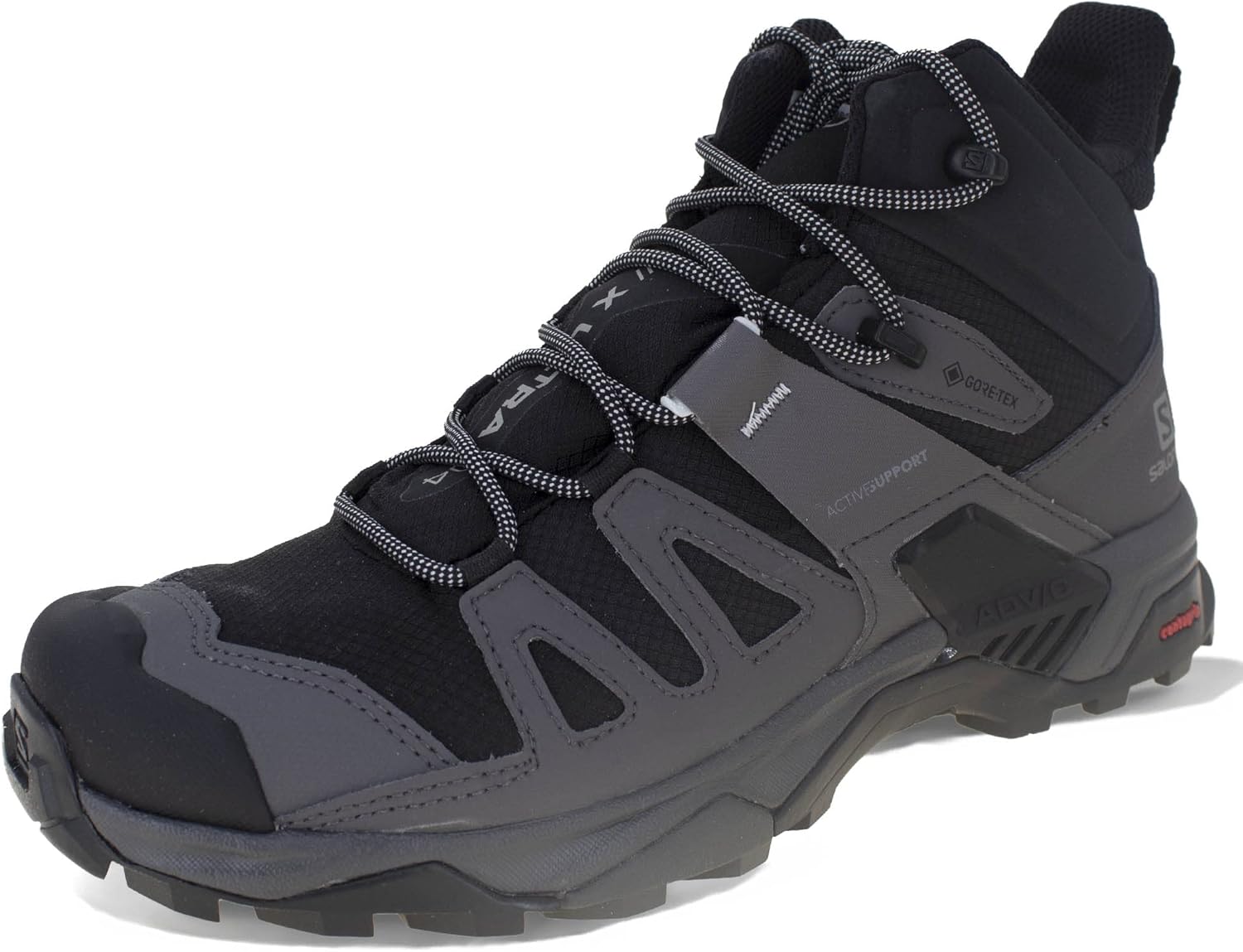
What you actually get with these Salomon X Ultra 4 Mid GTX
Pros
- Very comfortable out of the box with minimal break-in needed
- Lightweight for a mid-cut boot with good grip on mixed terrain
- Decent ankle and arch support for day hikes and light backpacking
Cons
- Waterproofing tends to weaken over time with regular wet use
- Stock insole is basic and laces are slippery and hard to keep tight
- Runs warm in hot weather and fit may be tight for wide feet

Specifications
View full product page →| Brand | Salomon |
Mid-height hikers that feel more like trail runners
I’ve been using the Salomon X Ultra 4 Mid Gore-Tex as my main hiking boots for a few months now, mostly on rocky trails, wet forest paths, and a couple of short overnighters. Mine are the Black/Magnet/Pearl Blue color in size 10.5, the same model as this listing. I’m not sponsored, I just bought them because I wanted something lighter than full leather boots but still with ankle support and waterproofing.
The first thing that stood out is how these feel more like beefed-up trail running shoes than classic hiking boots. They’re pretty light on foot for a mid boot, and out of the box I didn’t really have a break-in period. I did a 7-mile hike on day one and didn’t get hot spots or blisters, which is already better than a lot of boots I’ve owned.
Where things get more mixed is the waterproofing and long-term comfort. When new, the Gore-Tex did its job: wet grass, shallow streams, muddy puddles – no wet socks. But after a few months and a bunch of wet hikes, I started to feel some dampness seeping in during longer walks in the rain. It’s not like they turned into sponges, but they’re not as dry as they were in the beginning.
Overall, my first impression is that these are great day-hike and light-backpacking boots if you like a more athletic feel and don’t carry huge loads. But if you expect years of totally dry feet in heavy rain or snow, you might be a bit disappointed. They’re solid, just not perfect, and there are a few details that bug me, especially the laces and how warm they can get.
Value: solid overall, especially if you prioritize light weight and comfort
Price-wise, the X Ultra 4 Mid GTX usually sits in the mid-to-upper range for hiking boots. You’re paying for the Gore-Tex label, the Salomon brand, and the lighter, more athletic design. Compared to cheaper boots from brands like Hi-Tec or some entry-level Merrell models, these feel more dialed in for performance: better grip, lighter on the foot, and more precise fit. But they also don’t have the long-term tank-like durability of some heavier, more expensive leather boots.
For what you get – good comfort out of the box, strong traction, and decent support in a fairly light package – I think the value is pretty fair if you actually hike regularly. If you only go out a couple of times a year, you might be better off with something cheaper and simpler. The main thing that hurts the value a bit is the waterproofing not holding up perfectly over time. When you buy Gore-Tex boots, you kind of expect them to stay reliably dry for a long time, and that’s not fully the case here based on my experience and the reviews.
Compared to other mid-cut Gore-Tex hikers in the same price bracket, I’d say these are near the top for comfort and weight, middle of the pack for durability, and a bit below the best when it comes to long-term waterproofing. So, good value if your priorities are lightness and comfort, less so if you want something that will stay bombproof for years in the rain. If you find them on sale or discounted, then they’re an easy yes for a lot of day hikers and weekend backpackers.
In short: not the cheapest, not the toughest, but a pretty balanced option. They make sense if you want a boot that feels more like a trail shoe with ankle support, and you accept that you might eventually need to replace them once the waterproofing and cushioning start to fade.
Design: more trail shoe than classic boot
Design-wise, Salomon sticks to their usual sporty look. The Black/Magnet/Pearl Blue color is pretty low-key: mostly dark with some small color accents, so it doesn’t scream “neon trail runner” but it’s still a bit sporty. If you want boots you can wear in town without looking like you’re about to summit a peak, these pass fine with jeans or hiking pants. They’re not stylish in a city sense, but they’re not ugly bricks either.
The shape is fairly narrow through the midfoot with a toe box that’s just big enough for me. I don’t have very wide feet, and these fit true to size in length. If you have wide feet, you might find them a bit tight, especially since this particular color isn’t usually sold in wide. Compared to something like Merrell Moab in wide, these are definitely slimmer. The ankle height is mid – enough coverage to feel some support and keep debris out, but not super high like a full backpacking boot.
One design choice I don’t love is the lacing. The laces are slightly slick, and the eyelets don’t lock very well, so if you just tie them normally they can loosen over time. Another Amazon reviewer mentioned this and I had the same experience. I had to start using a runner’s knot and double-knotting to keep them tight. Not a deal-breaker, but a bit annoying when you’re on a steep trail and feel your heel starting to move.
The tread pattern is aggressive, with multi-directional lugs that handle mud, wet rock, and loose gravel pretty well. They feel secure going downhill, which is where bad designs usually show their flaws. I’ve used them on wet roots and light snow and they held up fine. Overall, the design is practical and trail-focused, but if you want a clean, leather-boot look, this isn’t it. These are more “athletic gear” than “heritage boot.”
Comfort: great out of the box, but a bit warm and fussy with insoles
Comfort is where these boots did well for me at the start. Right out of the box, I did about 7 miles with a light pack and had no blisters, no major hot spots, just a bit of normal foot fatigue. The midsole has decent cushioning, and the arch support is noticeable without being aggressive. Compared to some stiff boots I’ve owned, the break-in time was basically zero. That lines up with the Amazon review saying they were comfortable from day one and good for 15 miles with no blisters.
The ankle support is moderate. You feel some extra stability when side-hilling or walking on uneven rocks, but it’s not a rigid, locked-in feel. For me, that’s a good compromise: enough support to feel safer than in low shoes, but flexible enough that my ankles don’t feel trapped. The collar padding is comfortable and didn’t rub my Achilles, even on steeper climbs. Heel hold is decent once you get the lacing right, but again, those slippery laces mean you have to tie them properly or they’ll loosen and your heel might start to move.
One thing I didn’t love is the stock insole. It’s pretty basic: thin, not much cushioning, and not much arch structure. Another reviewer mentioned this too. When I tried swapping in a thicker aftermarket insole, I ran into the same problem they described: the volume inside the boot isn’t huge, so with a high instep or thicker insole, it can feel cramped over the top of the foot. I ended up using a slightly upgraded but still low-profile insole and that was the sweet spot. So there’s room to tweak, but not a lot of extra height inside.
Temperature-wise, these are better for cool to cold weather than hot conditions. On winter hikes with wool socks, my feet stayed dry and reasonably warm, though on very cold days my toes still got chilly after a while – nothing new there, most boots do that. In summer, they felt too warm on long days, and my socks came out pretty sweaty. So comfort is very good in terms of fit and support, but just average in terms of climate control. If your feet run hot, keep that in mind.
Materials: synthetic mix, solid sole, but warm and not forever-dry
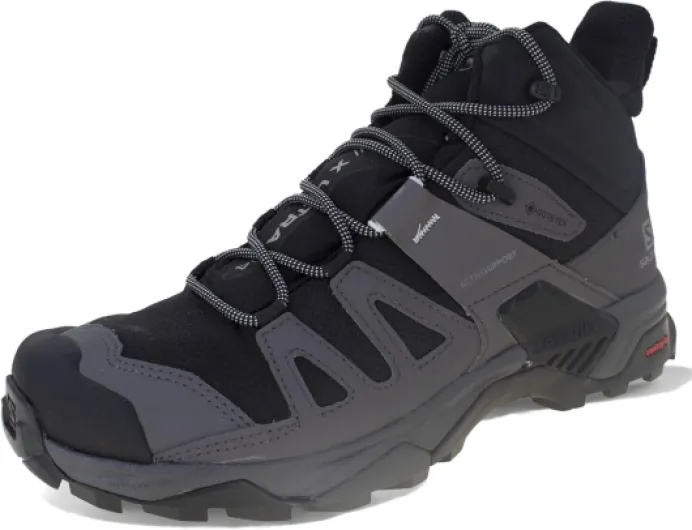
The upper is a mix of synthetic fabric with some leather overlays, plus a Gore-Tex membrane inside and a rubber toe cap and sole. The listing says “synthetic-and-rubber” and “outer material: leather” which matches what I see: most of what you touch is synthetic, with some leather parts mainly for reinforcement. The sole is full rubber with a pretty firm midsole that gives structure and arch support.
The good side of this material mix is weight and drying time. They’re lighter than full leather boots, and when they do get wet on the outside, the synthetic dries reasonably fast if you give them some air. I’ve had full leather boots stay damp for days; these usually feel mostly dry by the next day if I pull the insoles out and let them breathe. The rubber sole feels tough and has held up well against rocks and roots – no chunks missing so far.
On the downside, the Gore-Tex plus synthetic construction makes them run warm. In cool or cold weather, that’s fine, even nice. But on hot summer hikes, my feet definitely felt sweaty. Breathability is just “okay.” If you hike mostly in warm, dry climates, I’d consider a non-Gore-Tex version or a more ventilated shoe. Also, as one Amazon reviewer mentioned, the waterproofing seems to fade over time. Mine stayed properly waterproof for a few months of regular use, but after enough wet hikes, I started to feel some moisture creeping in, especially around the flex point at the toes.
So in terms of materials, I’d say they’re pretty solid for light to moderate use, but they’re not bombproof. You get a good balance of weight and protection, but don’t expect years of perfect waterproofing like some heavier all-leather boots can give if you treat them well. For the price, the material quality feels fair, just not indestructible.
Durability: holding up structurally, but waterproofing ages faster
In terms of build, my pair has held up pretty well structurally. No seams have blown out, the sole is still firmly attached, and the upper hasn’t torn despite brushing against rocks and branches. The rubber toe cap has a few scuffs, which is normal, but nothing is peeling away. The outsole lugs have worn a bit on the heels, but after around 80–100 miles, they still have plenty of life. That lines up with the review mentioning 80 miles and no serious issues yet.
Where durability is more questionable is the waterproofing. Just like the Amazon reviewer who said their waterproofing failed within 6 months, I’ve noticed a similar trend, though not as extreme. Mine didn’t suddenly stop being waterproof, but over time the protection clearly dropped. On long, wet hikes, I started to feel moisture creeping in at the flex points and around the forefoot. If you mostly hike in dry conditions and only occasionally get them wet, you might not notice this as much, but in a rainy climate it’s more obvious.
The synthetic materials themselves seem tough enough for regular hiking use. They don’t crack like old leather can, and they shrug off light abuse. But because they’re not full leather, you can’t really treat and restore them in the same way. Once the membrane and outer fabric get tired, there’s not much you can do besides using waterproof sprays, which only help so much. So for long-term, heavy use in wet conditions, I’d say these are good for a season or two of hard use, then you’ll likely see some drop in performance.
For the price, I’d call the durability decent but not outstanding. These aren’t boots you’ll hand down to your kids, but they’re also not flimsy. If you hike regularly but not obsessively, you’ll probably get a fair amount of use before they feel tired. If you’re out every weekend in rough, wet terrain, expect them to wear faster, especially in terms of staying fully waterproof.
Performance on the trail: grip and support are strong, waterproofing is the weak link
On actual hikes, these boots perform well where it matters most: grip, stability, and general trail feel. The outsole has good traction on mixed terrain. I’ve used them on wet rocks, muddy forest tracks, loose gravel, and a bit of snow. They bite into soft ground nicely and feel secure going downhill. I didn’t have any scary slips on wet roots, which is usually where cheap soles show their limits. Another reviewer said they worked well with crampons and snowshoes; I’ve only used them with microspikes, but I can confirm they pair fine with that kind of traction aid.
Support-wise, the midsole is on the firmer side, which I like for longer hikes. You feel less of the sharp rocks underfoot compared to softer trail shoes. The arch support is noticeable and helped keep my feet from getting too tired after 10+ miles. With a 20–25 lb pack, I felt stable and secure. I wouldn’t use these for very heavy loads or technical mountaineering, but for normal hiking and light backpacking, they’re more than enough. Lateral stability is decent; I rolled my ankle less in these than in some low-cut shoes I own.
The Gore-Tex performance is where things get more mixed. At first, these were solidly waterproof: walking through wet grass, shallow streams up to the lower laces, and slushy snow didn’t get my feet wet. Like the Amazon review that says they stayed dry up to the ankles, that matched my experience early on. But just like another reviewer pointed out, the waterproofing doesn’t seem to last forever. After a few months of regular use and several wet hikes, I started to feel a slight dampness on longer rainy days. Not completely soaked, but enough to notice the difference from when they were new.
Overall, I’d rate the performance as very good for grip and support, good at first for waterproofing, but only average in the long term. If you mostly hike in dry conditions with occasional rain, you’ll probably be happy. If you live somewhere very wet and expect bone-dry feet year-round, you might want something more robust or be ready to replace these more often.
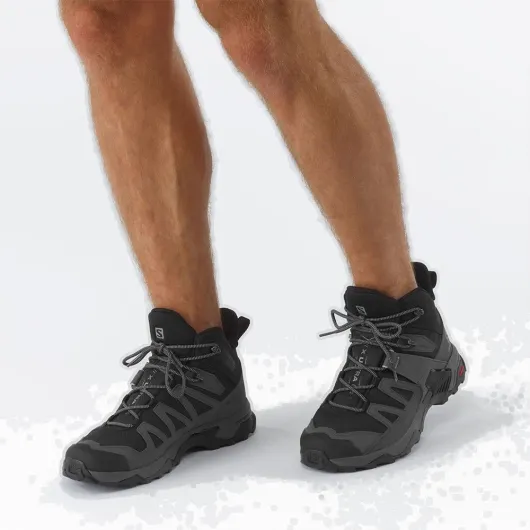
What you actually get with these Salomon X Ultra 4 Mid GTX
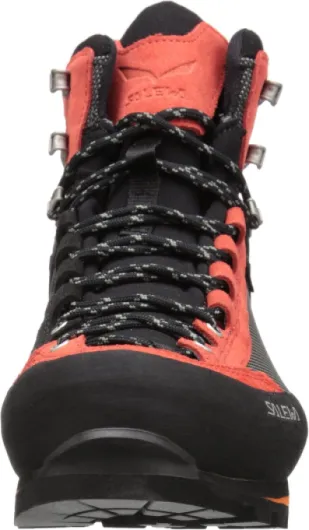
On paper, these are men’s mid-cut hiking boots with a Gore-Tex membrane, synthetic-and-rubber construction, and a rubber sole. The listing mentions synthetic & rubber, plus leather outer material, which is basically a mix of synthetic upper with some leather reinforcement, sitting on a chunky rubber outsole. They’re imported, and my pair lines up with the model number L41294600, so same family as the one described.
In the hand, they feel light for a mid hiker. Not as light as low-cut trail runners, but much lighter than full-grain leather boots like a classic backpacking boot. They’re clearly designed for people who move fast on trails: aggressive tread, fairly stiff midsole for support, but still some flex in the forefoot so you can walk naturally. There’s a toe bumper up front, some side overlays for structure, and a padded collar around the ankle.
Salomon pushes these as a kind of crossover: more support and protection than a running shoe, less weight and bulk than old-school boots. In practice, that’s accurate. When I hike with friends wearing big leather boots, I notice I’m less tired in my feet at the end of the day. But compared to a pure trail runner, these feel warmer and less breathable, mainly because of the Gore-Tex and the higher cut.
In terms of positioning, I’d say they’re ideal for someone who does a mix of day hikes, weekend trips, and maybe some travel or light hunting, like that review mentioning safari. If you’re planning heavy mountaineering or carrying 50+ lb packs over multiple days, I’d look at something beefier. If you just walk the dog on pavement, this is overkill. They sit in that middle ground that works well for a lot of regular hikers.
Pros
- Very comfortable out of the box with minimal break-in needed
- Lightweight for a mid-cut boot with good grip on mixed terrain
- Decent ankle and arch support for day hikes and light backpacking
Cons
- Waterproofing tends to weaken over time with regular wet use
- Stock insole is basic and laces are slippery and hard to keep tight
- Runs warm in hot weather and fit may be tight for wide feet
Conclusion
Editor's rating
Overall, the Salomon X Ultra 4 Mid Gore-Tex is a solid choice if you want a light, comfortable hiking boot that still gives you some ankle support and good grip. They feel great out of the box, don’t really need a break-in, and handle most trail conditions well – from mud and rocks to light snow. For day hikes and light backpacking, especially in mixed terrain, they get the job done without feeling heavy or clunky.
The flip side is that they’re not perfect. The waterproofing is good at first but seems to fade earlier than you’d hope, especially if you hike a lot in wet conditions. The laces are slippery and need careful tying, the stock insole is basic, and they can run warm in hot weather. Durability is decent but not legendary – more “a couple of solid seasons” than “boots for life.”
I’d recommend these to hikers who like a more athletic feel, do regular day hikes or weekend trips, and value comfort and low weight over maximum toughness. They’re also a good fit if you’re coming from trail runners and want a bit more ankle support without jumping to heavy leather boots. If you mostly hike in very wet, rough environments or want something that will stay bone-dry and bombproof for many years, I’d look at sturdier leather options instead.