
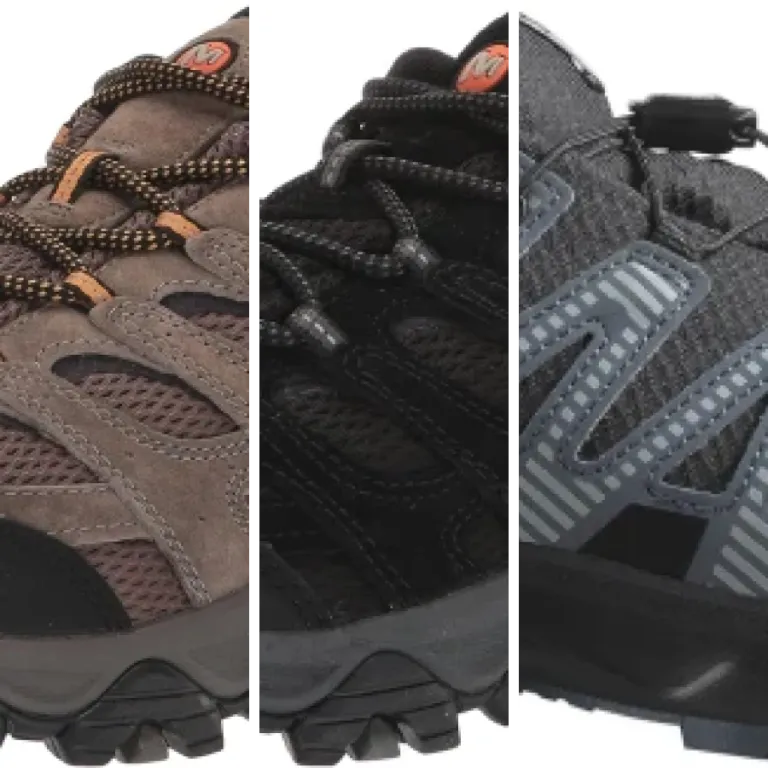
Understanding the benefits of ultralight hiking shoes
Why Go Ultralight on the Trail?
For outdoor enthusiasts and experienced hikers, the shift toward ultralight hiking shoes is more than a trend—it's a practical response to the demands of long-distance trekking and challenging terrains. Reducing the weight on your feet can make a significant difference in your hiking experience. Every extra ounce in your footwear translates to increased energy expenditure over miles, which can lead to fatigue and slower progress. Ultralight hiking shoes aim to minimize this burden, allowing you to move faster and more efficiently without sacrificing essential protection.
Advantages for Seasoned Hikers
- Enhanced agility: Lighter shoes promote quicker foot movement, which is crucial for technical trails and steep ascents.
- Reduced fatigue: Less weight means less strain on your legs and joints, especially on multi-day hikes.
- Improved pack weight balance: Choosing ultralight footwear can help offset the weight of other gear, making your overall load more manageable.
However, the benefits of ultralight hiking shoes are not just about weight. Many models incorporate advanced materials and design features that provide breathability, flexibility, and adequate support for various hiking conditions. These shoes are particularly appealing for those who prioritize speed and comfort over maximum ankle support or ruggedness.
It's important to recognize that ultralight shoes may not be suitable for every situation. The balance between weight and durability is a key consideration, especially when tackling rocky or wet environments. For a deeper look at how ultralight shoes compare in real-world use, check out this in-depth review of a lightweight hiking shoe that explores performance and comfort in demanding conditions.
As you explore the world of ultralight hiking shoes, keep in mind that the right fit, material choices, and maintenance routines all play a role in maximizing the benefits. The following sections will help you identify the key features to look for, understand how these shoes perform across different terrains, and find the ideal balance between weight and durability for your adventures.
Key features to look for in ultralight hiking shoes
Essential Elements for High-Performance Ultralight Shoes
When evaluating ultralight hiking shoes, experienced hikers and mountaineers know that every gram counts. But weight is only one part of the equation. The right combination of materials, construction, and design features can make a significant difference in both comfort and performance on the trail.
- Material Innovation: Ultralight shoes often use advanced synthetic fabrics, mesh, and engineered textiles. These materials reduce weight while maintaining breathability and flexibility. Look for reinforced areas around the toe box and heel for added protection without bulk.
- Outsole Technology: Traction is crucial, especially on varied terrain. High-quality rubber compounds and aggressive lug patterns help maintain grip on wet rocks, loose gravel, and muddy paths. Some models integrate rock plates for underfoot protection without adding significant weight.
- Midsole Cushioning: Lightweight EVA or proprietary foam midsoles provide shock absorption and energy return. The balance between cushioning and ground feel is key for long-distance comfort and stability.
- Supportive Fit: A secure lacing system and well-designed heel counter keep the foot stable, reducing the risk of blisters and fatigue. Pay attention to the shoe’s last shape and arch support, as these impact overall fit and comfort during extended hikes.
- Protective Features: Even ultralight models should offer some protection against trail hazards. Toe caps, abrasion-resistant overlays, and gusseted tongues help shield feet from debris and impacts.
- Water Management: Quick-drying uppers and effective drainage systems are important for hikers who encounter stream crossings or wet conditions. Some ultralight shoes offer water-resistant treatments, but full waterproof membranes can add weight and reduce breathability.
Finding the right balance between durability and weight is a challenge for any outdoor enthusiast. For those seeking a proven option that blends lightweight construction with robust protection, the Men's Pit Boss Steel Toe Boot stands out as a noteworthy choice. Its thoughtful design demonstrates how modern hiking boots can integrate essential features without compromising on performance.
As you compare models, remember that the ideal ultralight hiking shoe should match your specific needs, terrain, and hiking style. Prioritize features that enhance your experience, whether you’re tackling technical trails or covering long distances with minimal pack weight.
How ultralight shoes perform in different terrains
Performance Across Varied Trail Conditions
Ultralight hiking shoes have gained popularity among outdoor enthusiasts and experienced hikers for their agility and reduced fatigue. But how do they actually perform when the terrain gets tough? Understanding their strengths and limitations across different environments is crucial for making the right choice.
- Rocky Trails: Ultralight shoes often feature flexible outsoles and responsive midsoles, which provide excellent ground feel and agility. However, the lighter construction may offer less protection against sharp rocks compared to traditional hiking boots. Choosing models with reinforced toe caps and durable outsoles can help mitigate this issue.
- Muddy and Wet Conditions: Many ultralight hiking shoes incorporate quick-drying mesh uppers and drainage ports. While these features enhance breathability and reduce water retention, they may not always provide the same waterproofing as heavier boots. For hikers who frequently encounter wet environments, prioritizing shoes with water-resistant treatments or pairing with waterproof socks can be beneficial.
- Alpine and Snowy Terrain: In colder, snow-covered areas, ultralight shoes may lack the insulation and ankle support needed for safety and comfort. They are best suited for well-maintained trails or as part of a layered footwear system. Mountaineers often reserve ultralight options for summer ascents or as camp shoes.
- Long-Distance and Thru-Hiking: The reduced weight of ultralight shoes can significantly decrease fatigue over long distances. However, durability becomes a concern, especially on abrasive surfaces. Rotating between pairs or selecting models with reinforced midsoles and abrasion-resistant fabrics can extend their lifespan.
Ultimately, the right ultralight hiking shoe depends on matching its features to the terrain you plan to tackle. For those interested in optimizing performance on challenging trails, exploring the best footwear for technical routes can provide further insights into specialized options.
Fit and comfort: what experienced hikers need to know
Prioritizing Fit for Long-Distance Comfort
For outdoor enthusiasts and experienced hikers, the fit of ultralight hiking shoes is not just a matter of comfort—it’s crucial for performance and foot health. Unlike traditional hiking boots, ultralight models often feature a more flexible construction and lighter materials, which can affect how they conform to your foot over time. A snug but not tight fit helps prevent blisters, hot spots, and fatigue during extended treks.
- Toe Box: Look for a roomy toe box that allows natural toe splay, especially on descents or uneven terrain.
- Heel Lock: A secure heel prevents slippage, reducing the risk of blisters and improving stability on technical trails.
- Arch Support: Consider your arch type and choose shoes with appropriate support or compatibility with custom insoles.
Comfort Features That Matter on the Trail
Comfort in ultralight hiking shoes is influenced by several factors, including the midsole cushioning, breathability, and the overall design of the upper mesh. Many ultralight models use advanced foams or EVA midsoles to absorb shock without adding bulk. Breathable uppers help manage moisture, keeping feet dry and reducing the risk of chafing.
- Cushioning: Adequate cushioning is essential for long days on rocky or hard-packed trails.
- Breathability: Lightweight mesh panels promote airflow, which is especially important in warm or humid conditions.
- Lacing Systems: Quick-lace or traditional lacing systems can affect how well the shoe adapts to your foot shape throughout the day.
What Experienced Hikers Should Watch For
Seasoned hikers know that even small discomforts can become major issues over long distances. It’s wise to test new ultralight hiking shoes on shorter hikes before committing to multi-day adventures. Pay attention to any pressure points or areas where the shoe may rub. Remember, the break-in period for ultralight shoes is often shorter than for heavier boots, but it’s still important to allow time for adjustment.
Ultimately, the right fit and comfort features can make the difference between an enjoyable trek and a painful experience. Prioritizing these aspects ensures that your ultralight hiking shoes support your journey, no matter the distance or terrain.
Durability versus weight: finding the right balance
Weighing Strength Against Lightness
For outdoor enthusiasts and mountaineers, the balance between durability and weight in ultralight hiking shoes is a crucial consideration. While the appeal of lighter footwear is clear—less fatigue, increased agility, and easier packability—there’s always a trade-off. Ultralight models often use thinner materials and streamlined designs, which can sometimes compromise long-term toughness, especially in rugged environments.
Material Choices and Their Impact
Manufacturers typically use advanced synthetics, engineered mesh, and lightweight EVA midsoles to keep weight down. These materials are excellent for reducing bulk, but they may not offer the same abrasion resistance as traditional leather or heavy-duty nylon. If you regularly hike on rocky or abrasive terrain, pay close attention to the outsole compound and toe protection—these are common points of early wear.
- Reinforced overlays: Look for shoes with added protection in high-wear areas.
- Stitching quality: Double or triple stitching can extend the lifespan of lightweight uppers.
- Outsole durability: Vibram or proprietary rubber blends often last longer on mixed terrain.
Finding the Right Balance for Your Needs
Experienced hikers know that the right balance depends on personal priorities and typical hiking conditions. If your adventures are mostly on well-maintained trails, a lighter shoe with moderate durability may be ideal. For alpine routes or extended backcountry trips, a slightly heavier model with reinforced product_part and robust construction could be worth the extra grams.
Ultimately, the best ultralight hiking shoes combine smart material choices with thoughtful design, ensuring you don’t have to sacrifice too much durability for the sake of weight savings. Always assess your own hiking style and the demands of your favorite trails before making a decision.
Expert tips for maintaining ultralight hiking shoes
Cleaning Techniques That Preserve Performance
Keeping your ultralight hiking shoes in top condition starts with regular cleaning. After each hike, remove dirt and debris with a soft brush or damp cloth. Avoid using harsh detergents, as they can break down technical fabrics and compromise waterproof membranes. For stubborn mud, rinse with lukewarm water and let the shoes air dry away from direct heat sources. This approach helps maintain the breathability and water resistance that are essential for performance on the trail.
Drying and Storage: Preventing Odor and Degradation
Proper drying is crucial for extending the lifespan of your hiking boots. Remove insoles and laces to allow airflow inside the shoe. Stuffing the shoes with newspaper can speed up drying and help retain their shape. Never use a direct heat source like a radiator or campfire, as this can warp the midsole and damage adhesives. Store your shoes in a cool, dry place, away from sunlight, to prevent material fatigue and odor buildup.
Protecting the Outsole and Upper
The outsole and upper are critical product parts that face the most wear. Inspect the tread regularly for signs of excessive wear, especially if you hike on rocky or abrasive terrain. Clean the outsole to prevent the buildup of small stones or grit that can degrade traction. For the upper, apply a fabric-specific protector spray to reinforce water repellency and shield against stains. This step is particularly important for shoes made with lightweight mesh or synthetic materials.
Maintaining Cushioning and Support
Ultralight hiking shoes often use advanced foam midsoles for cushioning. Over time, these materials can compress, reducing comfort and support. Rotate your shoes if you hike frequently, allowing the foam to recover between uses. Replace insoles when they show signs of flattening or odor, as fresh insoles can restore comfort and help manage moisture.
When to Repair or Retire Your Shoes
Even with diligent care, ultralight hiking shoes have a finite lifespan. Watch for separation of the outsole, significant loss of tread, or tears in the upper. Small issues like loose stitching can sometimes be repaired with specialized adhesives or by a professional cobbler. However, when the shoe no longer provides adequate support or protection, it’s time to invest in a new pair to ensure safety and performance on your next adventure.
- Clean after every hike to prevent buildup of damaging debris
- Dry thoroughly and store in a cool, dry place
- Use protector sprays for the upper and check outsoles for wear
- Replace insoles regularly to maintain comfort and hygiene
- Repair minor damage promptly, but don’t hesitate to retire shoes when needed
For more detailed care instructions, consult manufacturer guidelines and consider the specific materials used in your hiking boots. Consistent maintenance not only extends the life of your footwear but also ensures you get the most out of every mile on the trail.