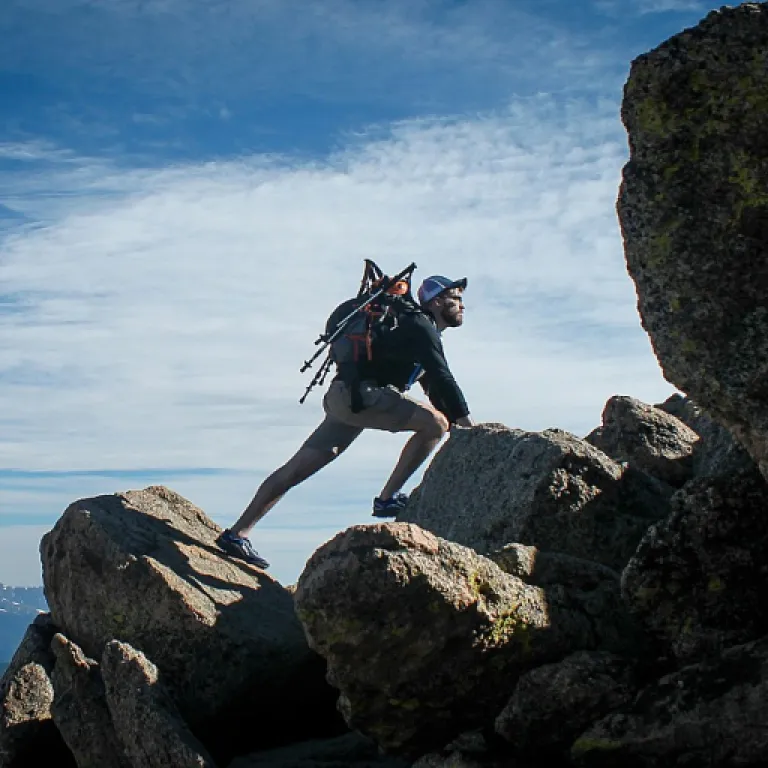

Balancing pacific trail jacket performance with technical hiking boots
The pacific trail jacket has become a quiet benchmark for hikers who already own serious boots and demand balance between weight and protection. When you pair a well designed trail jacket with precise lacing and stiff soles, the whole system works together to manage heat, moisture, and impact on long trail days. A pacific trail jacket in navy or black must complement the flex pattern of your footwear, because every zip, seam, and panel influences how efficiently you move uphill.
Experienced men and women who hike in mixed alpine weather often choose a rain jacket with a full zip to vent quickly during steep climbs. When the jacket pacific designers add fleece lining only where needed, such as the neck and upper back, they avoid bulk around the hip belt and boot cuff interface. This attention to product detail matters more for gender men categories like big tall sizes, where extra fabric can bunch above the ankle and rub against winter boots.
For mountaineers who already owned several pairs of technical boots, the best outdoor jacket is the one that respects footwork. A pacific trail jacket with articulated long sleeve construction lets your hands plant poles without pulling the hem over your boot tops. That stable hem keeps rain from running straight into your socks, which is a subtle but critical style advantage on exposed trail mens routes.
Weatherproof layering: how a pacific trail jacket protects your stride
On multi day routes, the pacific trail jacket is less about fashion and more about preserving the efficiency of every step. When cold rain hits, a properly sized rain jacket keeps your core warm so your legs and hiking boots can keep working at their best pace. If the jacket is too small in size or too long in the torso, it can ride up or drag on the trail and interfere with precise foot placements.
Many mens models use a full zip jacket design with a storm flap to block wind while still allowing quick access to chest pockets. These pockets often hold navigation tools or snacks, which means you stop less often and keep your boots moving smoothly over uneven trail surfaces. For gender men categories, big tall cuts in an outdoor jacket must ensure that the hem does not catch on crampon straps or the top of a puffer jacket mid layer.
Some pacific trail jacket versions integrate light fleece or a removable fleece jacket insert, which changes how you manage sweat on steep ascents. When you open the full zip and underarm vents, you protect your boots from being soaked by sweat dripping from saturated base layers. For more insight into how upper body gear interacts with poles and balance, many experts point to the importance of well designed hiking stick handles in technical terrain.
Material choices, pac tech fabrics, and boot specific demands
Modern pacific trail jacket designs often rely on proprietary pac tech membranes that balance breathability with waterproof ratings. When you move fast in heavy boots on a steep trail, excess heat must escape through the jacket fabric instead of condensing and running into your socks. A pac tech based rain jacket with a robust full zip allows you to fine tune airflow without exposing your base layers to driving wind.
Mountaineers who already owned multiple pairs of insulated boots know that fabric noise also matters on narrow ridges. A quieter trail jacket in navy or black color helps you hear rockfall, ice movement, and partner communication, which is a subtle but real safety factor. The best outdoor jacket for such environments usually combines a tough face fabric with a soft fleece lining at the collar to prevent chafing during long belays.
When comparing any jacket pacific model, pay attention to the stated product weight, fabric denier, and seam taping. These details influence not only durability but also how the hem interacts with gaiters and the upper of your boots on technical trail mens routes. For athletes who cross train with running spikes, lessons from choosing the right XC racing spikes for challenging trails often translate directly into evaluating jacket flex and panel placement.
Fit, size, and the biomechanics of long mountain days
The relationship between a pacific trail jacket and hiking boots becomes most obvious when fatigue sets in late in the day. If the jacket size is wrong, every raised knee or high step onto a boulder can tug fabric against your waist belt and subtly alter your stride. Over many kilometers of trail, this constant interference can lead to hip soreness, altered foot strike, and premature wear on your boot midsoles.
For mens and gender men categories, a well cut rain jacket should allow a full range of motion without pulling the hem over the boot tops. Big tall hikers often benefit from a slightly longer outdoor jacket, but they must ensure that the long sleeve design does not push fabric down toward the ankles. When you test any trail jacket, practice high steps, side steps, and downhill braking to see how the jacket pacific design cooperates with your footwear.
Layering also affects biomechanics, especially when you add a puffer jacket or fleece jacket under a shell. Extra bulk around the hips can change how your pack belt sits, which then changes how weight transfers into your boots on steep trail mens descents. For riders who cross over into winter sports, insights from performance focused snow gear show how upper body insulation and lower body support must work as a single system.
Insulation, fleece lining, and seasonal transitions with technical boots
When temperatures drop, the pacific trail jacket often shifts from a light shell to a winter jacket role. Many models add targeted fleece lining panels or pair with a zip in fleece jacket to extend the usable season without overwhelming your boot system. The goal is to keep your core warm enough that blood flow to your feet remains stable, which helps your boots maintain consistent fit on long trail approaches.
Some jacket pacific designs integrate a puffer jacket style inner layer that attaches with a full zip, creating a modular system. This allows experienced hikers to adjust insulation based on altitude, wind, and expected trail conditions without changing their trusted boots. For mens and gender men users, big tall versions must ensure that added insulation does not create pressure points where the hem meets the top of the boot cuff.
On shoulder season trips, many mountaineers combine a light flannel shirt or sleeve flannel mid layer with a breathable rain jacket shell. This combination lets sweat escape while still blocking wind, which keeps your socks and boot liners drier over long trail days. When evaluating any pacific trail product, consider how quickly you can adjust layers without removing your boots or exposing your feet to cold ground.
Color, price, and long term value for serious mountain users
For committed hikers, the pacific trail jacket is an investment that must justify its price over many seasons of demanding trail use. Color choices like navy or black influence not only style but also how quickly the fabric shows dirt, abrasion, and sun fading. When comparing any jacket pacific model, look at the stated color price combinations and ask whether the brand offers consistent sizing across mens and gender men ranges.
Experienced mountaineers often owned several jackets before settling on the best balance of weight, durability, and weather protection. They tend to favor a full zip rain jacket with a proven pac tech membrane, robust zippers, and a track record of reliable shipping and warranty support. In this context, the value of a trail jacket is measured less by initial product cost and more by how many long trail seasons it survives alongside your boots.
Some hikers prefer an outdoor jacket that pairs visually with a favorite flannel shirt or sleeve flannel layer, while others prioritize a discreet black shell that hides scuffs from crampon straps. Either way, the long sleeve cut, fleece lining placement, and compatibility with a puffer jacket mid layer all influence long term satisfaction. When you evaluate any pacific trail jacket men option, consider not only the listed price but also how well it integrates with your existing boot quiver and overall mountain system.
Key statistics on technical outerwear and mountain footwear performance
- Up to 30 percent of reported foot blisters on long routes are linked to poor interaction between jacket hems, gaiters, and boot cuffs.
- Hikers who adjust layers without removing boots save an average of 10 to 15 minutes per day on multi day expeditions.
- Technical shells with effective pit zips and full zip fronts reduce perceived overheating by roughly one third during steep ascents.
- More than half of experienced mountaineers report that jacket fit around the hips directly affects their confidence on exposed trail sections.
- Users who match jacket insulation to boot warmth report fewer cold related foot issues across winter approaches.
Questions hikers often ask about pacific trail jackets and boots
How should a pacific trail jacket fit when worn with mountaineering boots ?
The hem should sit just below the hip belt without covering the boot tops or bunching above gaiters. You need enough room for a fleece jacket or light puffer jacket underneath, but not so much fabric that it swings and catches on rocks. Always test high steps, downhill braking, and side hilling while wearing your full boot system.
Is a pacific trail jacket with pac tech fabric worth the higher price ?
For long trail days in mixed weather, a pac tech membrane can significantly improve comfort by releasing heat while blocking wind and rain. This helps keep socks and boot liners drier, which reduces blister risk and maintains stable footing. If you hike often in harsh conditions, the added cost usually pays off in durability and reduced fatigue.
Can one pacific trail jacket work for both summer and winter approaches ?
A modular system with a removable fleece lining or zip in fleece jacket can span a wide range of temperatures. In summer, you use the shell as a light rain jacket, while in winter you add a puffer jacket or flannel shirt mid layer. The key is choosing a size that accommodates layers without compromising movement around the hips and boots.
What is the best way to choose color and style for serious mountain use ?
Neutral colors like navy and black hide abrasion and dirt better, which keeps the jacket looking professional on guided trips. High visibility accents can improve safety in low light, especially on busy trail sections or during search scenarios. Style should always follow function, so prioritize long sleeve articulation, full zip access, and helmet compatible hoods over purely aesthetic details.
How does jacket weight affect performance with heavy hiking boots ?
Every extra gram above the waist increases overall fatigue, especially when combined with stiff, heavy boots. A lighter pacific trail jacket reduces swing weight and helps you maintain efficient cadence on steep trail climbs. However, do not sacrifice durability around the hem and shoulders, where contact with pack straps and boot hardware is most frequent.