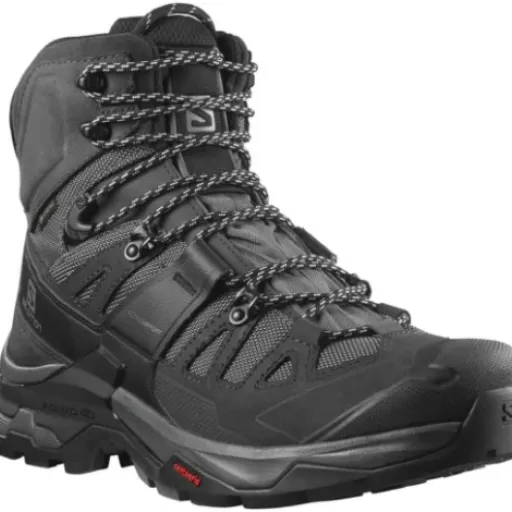
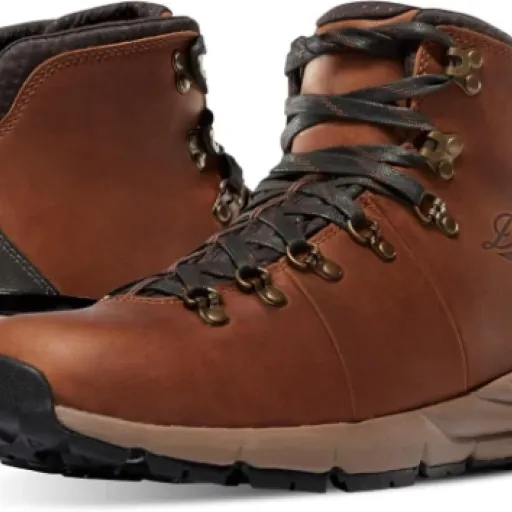
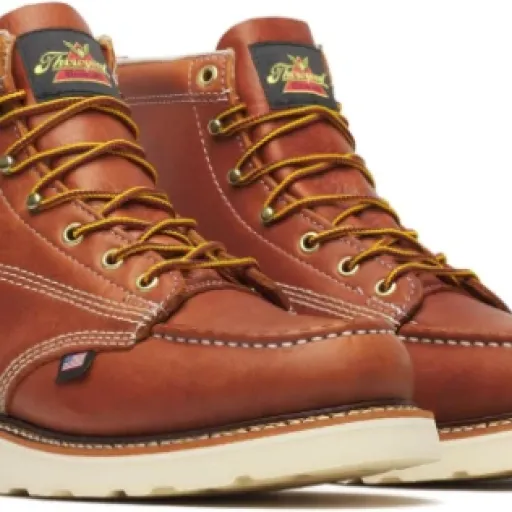
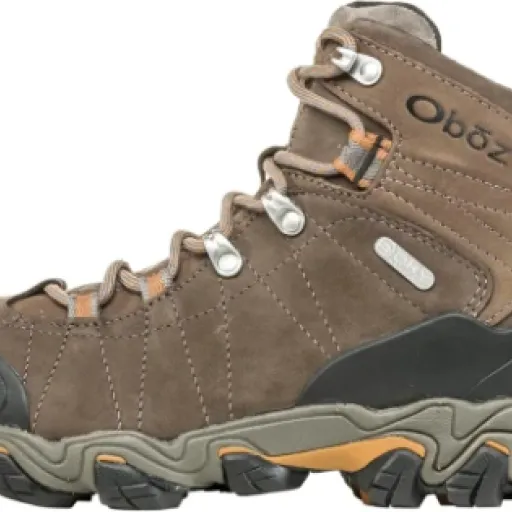
Key features to look for in wide fit hiking boots
What Makes a Wide-Fit Hiking Boot Stand Out?
For outdoor enthusiasts and experienced hikers, finding the best hiking boots often comes down to more than just looks or brand reputation. When it comes to wide feet, the right boot can mean the difference between a rewarding trek and a painful ordeal. Here’s what sets top rated wide-fit hiking boots apart from the average pair:
- Roomy Toe Box: A generous toe box is essential. It allows your toes to splay naturally, reducing the risk of blisters and black toenails on long day hikes or backpacking trips. Boots like the Merrell Moab mid waterproof and Salomon Ultra series are known for accommodating wider forefeet.
- True Wide Width Options: Not all boots labeled as "wide" are created equal. Look for brands that offer true wide or regular wide sizing, not just a slightly roomier fit. This ensures your feet aren’t squeezed, especially during descents or when your feet swell after hours on the trail.
- Supportive Midsole and Cushioning: The best hiking boots for wide feet balance support and comfort. A stable midsole helps with uneven terrain, while cushioned insoles absorb shock. Features like EVA foam or proprietary cushioning tech can make a big difference in weight pair and all-day comfort.
- Waterproofing and Breathability: Whether you’re hiking in wet conditions or crossing streams, waterproof boots with Gore Tex (GTX) membranes keep your feet dry. At the same time, breathability is crucial to avoid overheating. Models like the Merrell Moab mid GTX and Salomon Quest mid GTX offer a good balance.
- Secure Lacing and Ankle Support: A boot that fits wide feet should also lock your heel in place and provide enough ankle support for stability. Adjustable lacing systems help customize the fit, especially in boots men and boots women models designed for technical trails.
- Durable Outsoles: Look for hiking shoes and boots with grippy, durable outsoles. Vibram or Contagrip soles are common in top rated boots, providing traction on both wet and dry surfaces.
When comparing the best match for your needs, consider the weight pair, as lighter boots can reduce fatigue on longer hikes. Also, check if the brand offers both men’s and women’s wide-fit options, since the fit can differ between boots men and boots women.
For a deeper dive into how waterproofing and secure foothold technology can benefit wide feet, check out this test of the X Ultra Pioneer Gore Tex men’s outdoor shoes. It’s a great example of how modern hiking boot design addresses the needs of wide-footed hikers.
Top recommended men's wide fit hiking boots
Best Wide-Fit Hiking Boots for Men: Tried and Tested Options
Finding the best match for wide feet can be a challenge, especially when you want a boot that performs on rugged trails, supports backpacking trips, and keeps your feet comfortable during day hikes. Here’s a closer look at some top rated men’s wide-fit hiking boots and shoes, focusing on what makes each pair stand out for hikers who need extra width and a roomy toe box.
- Merrell Moab 3 Mid Waterproof Wide
The Merrell Moab series is a classic for a reason. The Moab 3 Mid Waterproof Wide offers a generous fit, especially in the toe box, making it a favorite among men with wide feet. The Vibram outsole provides reliable traction, while the waterproof membrane keeps your feet dry on wet trails. The weight per pair is reasonable for a mid boot, striking a balance between support and agility. The Moab line is also available for women, with similar wide options.
- Salomon X Ultra 4 Mid GTX Wide
For those seeking a lightweight yet supportive hiking boot, the Salomon X Ultra 4 Mid GTX Wide is a top contender. The Gore Tex membrane ensures waterproof protection, and the mid height offers ankle support without feeling bulky. This boot is known for its precise fit and stability, making it ideal for technical terrain and longer backpacking trips.
- Keen Targhee III Mid Waterproof Wide
Keen’s signature wide fit and roomy toe box make the Targhee III Mid Waterproof a go-to for hikers who need extra space. The leather and mesh upper, combined with a waterproof membrane, keeps feet dry and comfortable. The aggressive tread is excellent for muddy or rocky trails, and the overall build is durable for repeated use.
- Altra Lone Peak Hiker Wide
If you prefer a hiking shoe with a natural foot shape, the Altra Lone Peak Hiker Wide is worth considering. The zero-drop platform and wide toe box allow your feet to splay naturally, reducing pressure points. While not as protective as a traditional hiking boot, this pair is lightweight and great for day hikes or those who prioritize comfort over maximum support.
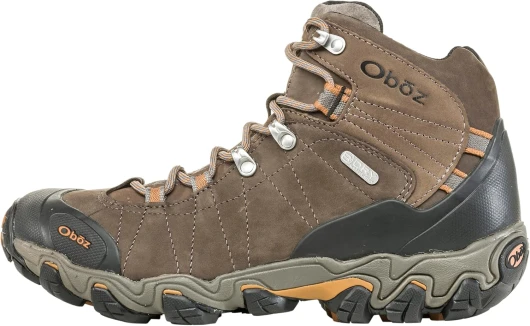
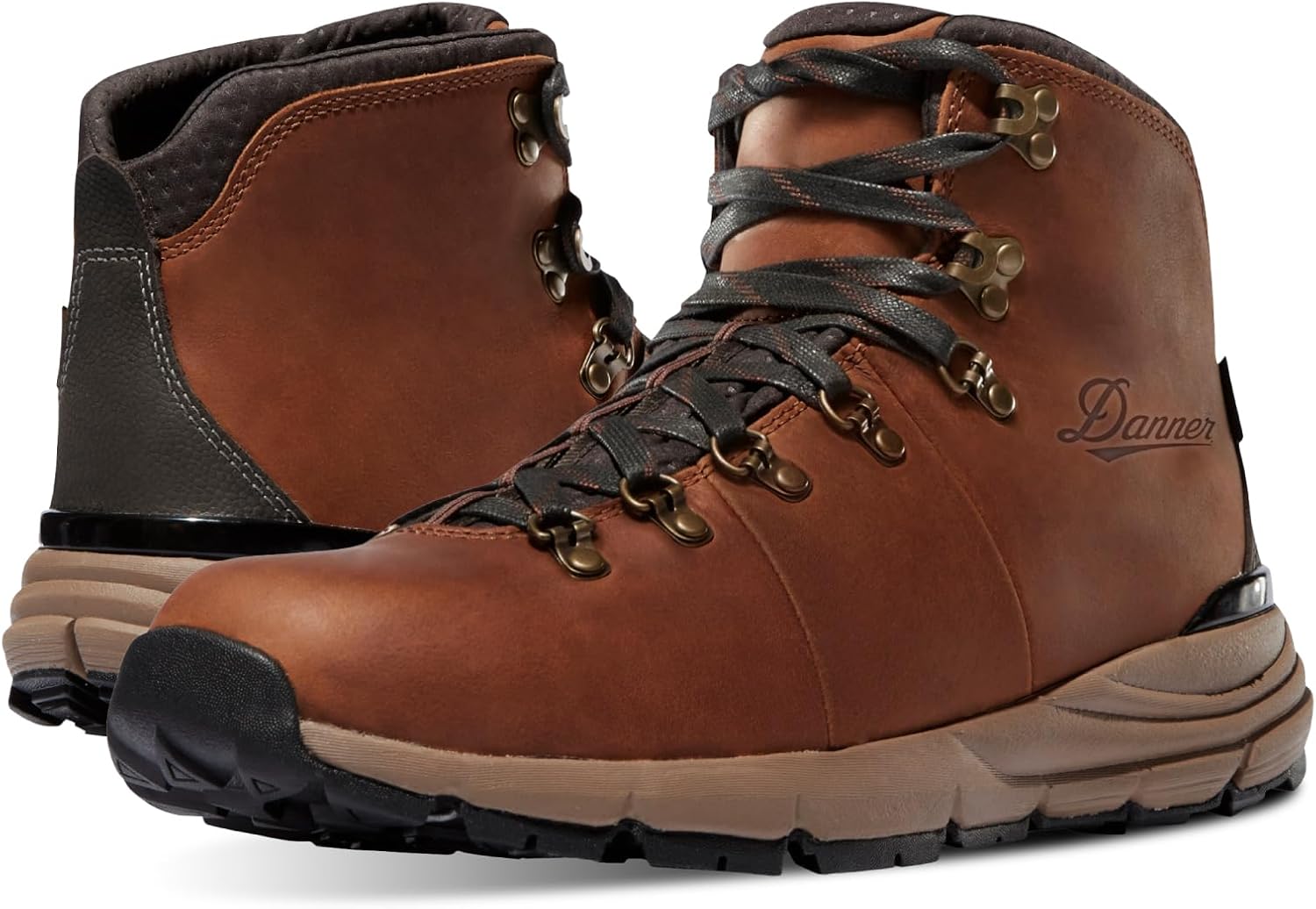
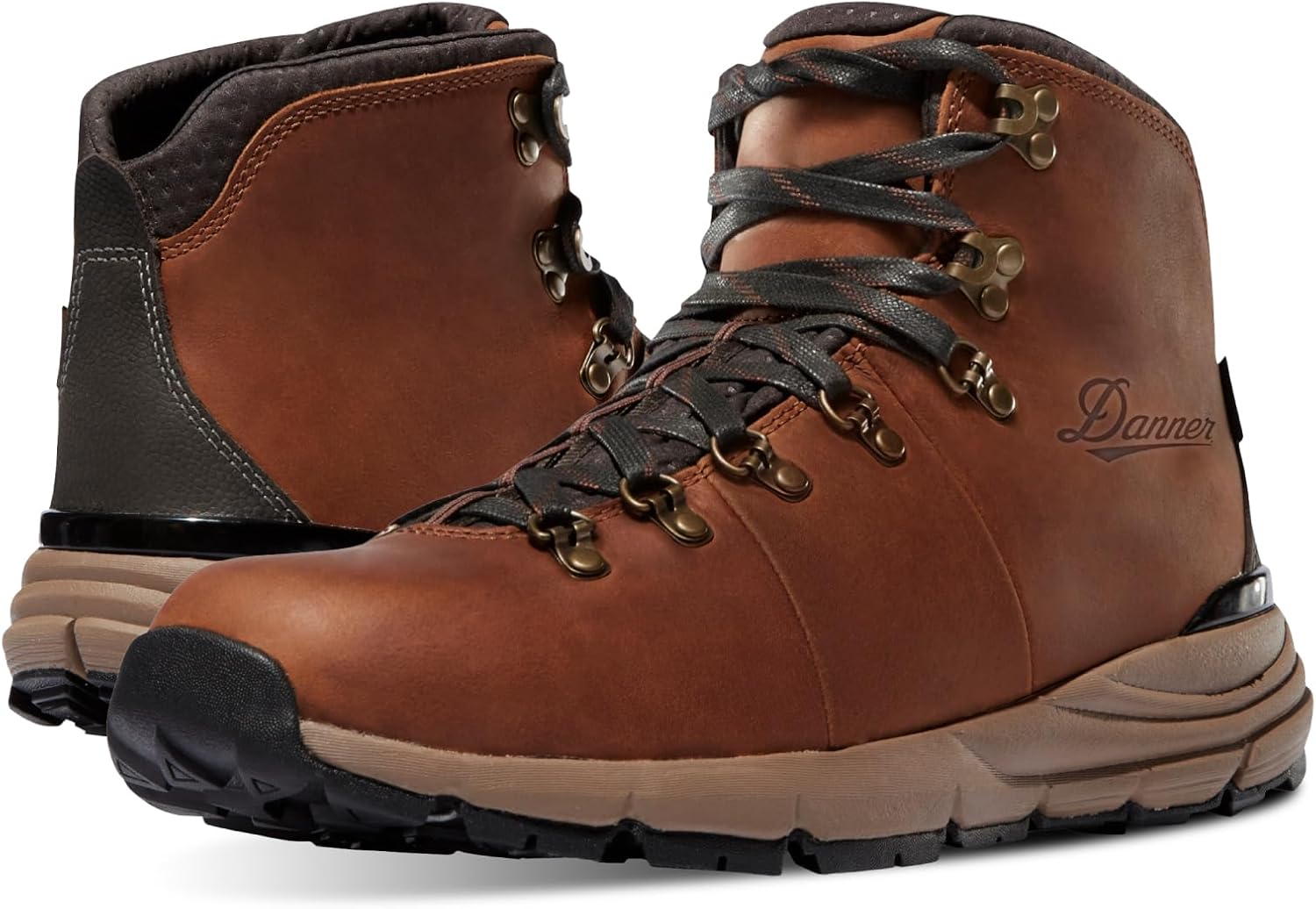
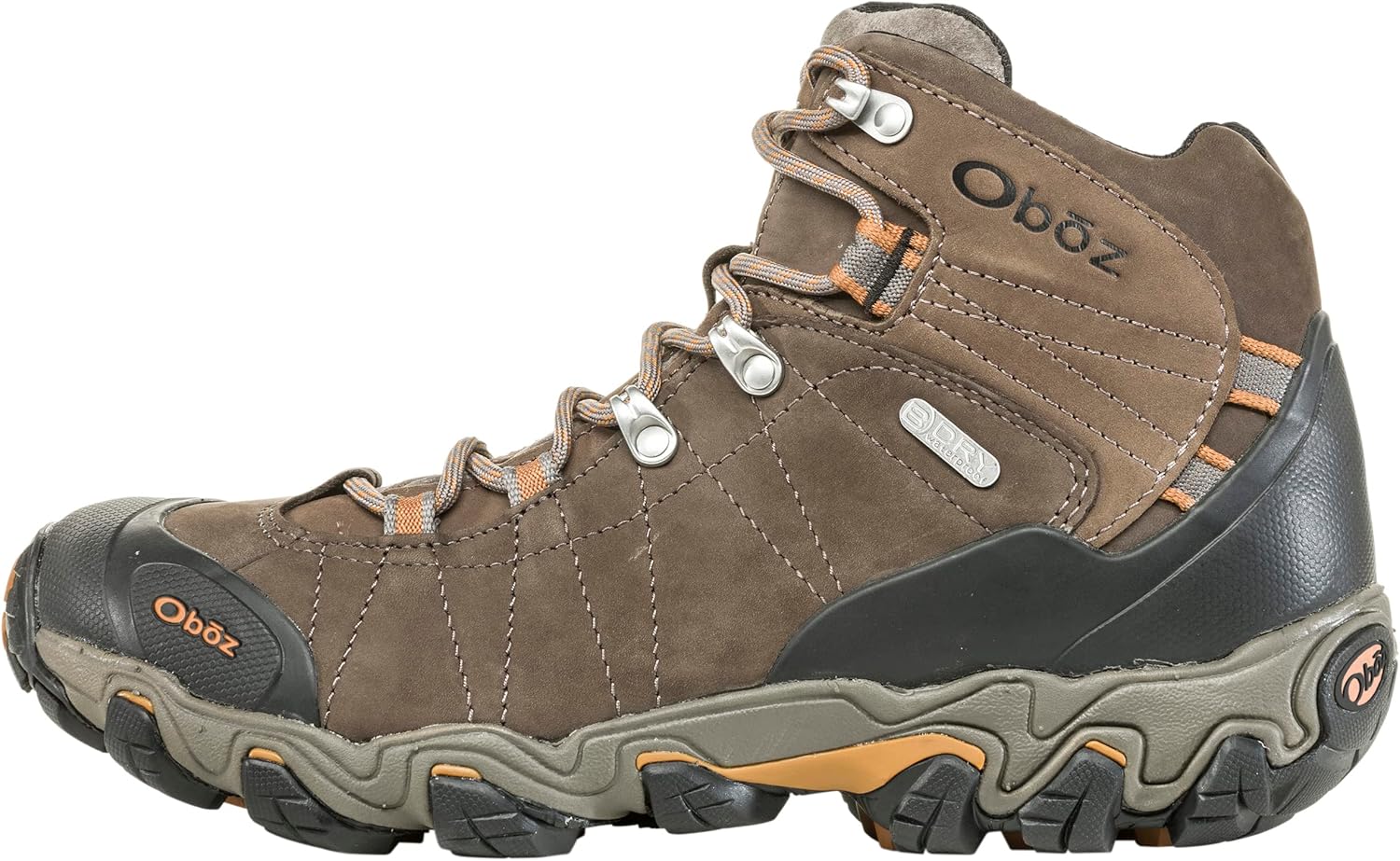
- Oboz Bridger Mid Waterproof Wide
Oboz is known for supportive hiking boots, and the Bridger Mid Waterproof Wide is no exception. The boot features a sturdy leather upper, a reliable waterproof membrane, and a supportive midsole. The wide fit accommodates broader feet without sacrificing stability, making it a solid choice for demanding trails.
Comparing Key Features
| Boot |
Width |
Waterproof |
Weight (Pair) |
Best For |
| Merrell Moab 3 Mid Waterproof Wide |
Wide |
Yes |
~2 lbs 4 oz |
Day hikes, moderate backpacking |
| Salomon X Ultra 4 Mid GTX Wide |
Wide |
Yes (Gore Tex) |
~2 lbs 2 oz |
Technical trails, wet conditions |
| Keen Targhee III Mid Waterproof Wide |
Wide |
Yes |
~2 lbs 4 oz |
Rugged, muddy terrain |
| Altra Lone Peak Hiker Wide |
Wide |
No |
~1 lb 10 oz |
Day hikes, comfort-focused |
| Oboz Bridger Mid Waterproof Wide |
Wide |
Yes |
~2 lbs 6 oz |
Backpacking, rocky trails |
Expert Insights and Further Resources
Choosing the best hiking boots for wide feet means considering not just width, but also support, waterproofing, and weight per pair. For serious hikers, pairing your boots with the right gear can make a huge difference. For example, layering with a high-performance hoody can help regulate temperature on the trail. Check out this guide on
why the Atom Arcteryx hoody is a game changer for serious hikers to see how the right apparel complements your choice of hiking boots.
Remember, the best hiking boot is the one that fits your feet, your hiking style, and your adventure goals. Always try on multiple pairs if possible, and pay attention to how your feet feel after a few miles on the trail.
How to ensure the right fit when shopping online
Tips for Finding the Perfect Wide Fit Online
Shopping for men’s wide-fit hiking boots online can be tricky, especially when you can’t try them on in person. Getting the best match for your feet is crucial for comfort and performance on the trail. Here are some practical strategies to help you make the right choice:
- Know Your Foot Measurements: Before browsing for boots, measure both the length and width of your feet. Many brands, including Merrell and Salomon, offer sizing charts that specify width options like regular, wide, and extra wide. Compare your measurements to these charts for a more accurate fit.
- Check Toe Box Dimensions: Wide-fit boots should offer a roomy toe box. Look for product descriptions that mention extra space at the front, especially if you have wider toes or need more volume for comfort during day hikes or backpacking trips.
- Read Verified Reviews: Real-world feedback from hikers with wide feet can reveal if a boot runs narrow or true to size. Pay attention to comments about the width, fit, and break-in period, especially for popular models like the Merrell Moab Mid Waterproof or Salomon Ultra Mid GTX.
- Understand Return Policies: Even the best hiking boots might not fit perfectly out of the box. Choose retailers with flexible return or exchange policies, so you can try on your new pair at home and swap them if needed.
- Compare Weight and Support: Wide-fit boots come in various weights and support levels. For longer backpacking trips, a mid GTX boot with waterproof features and a supportive sole is often preferred. For lighter day hikes, hiking shoes or boots with less weight per pair may be more comfortable.
- Look for Specific Wide Models: Some brands, like Merrell and Salomon, label their boots as “wide” or “wide fit.” Models such as the Merrell Moab Mid Waterproof Wide or Salomon Quest 4D Wide are designed specifically for wider feet, offering more comfort than average-width options.
Trying On at Home: What to Watch For
Once your boots arrive, test them indoors on clean surfaces. Wear the socks you’d use for hiking. Walk around, paying attention to:
- Room in the toe box (your toes shouldn’t feel cramped)
- Width across the ball of your foot (no pinching or pressure)
- Heel fit (secure, but not tight)
- Overall comfort and support, especially if you plan to carry a backpack
If your boots feel snug but not uncomfortable, remember that some materials—like leather—will stretch slightly with use. However, a boot that feels too tight from the start is unlikely to become comfortable over time. Prioritize a fit that feels right from the first try, especially for wide feet.
By following these steps, you’ll increase your chances of finding top-rated wide-fit hiking boots that support your adventures, whether you’re tackling rugged trails, day hikes, or multi-day backpacking trips.
Caring for your wide fit hiking boots
Simple Steps to Keep Your Boots in Top Shape
Caring for your men’s wide-fit hiking boots is essential if you want to get the best performance and longevity from your investment. Whether you’re wearing a pair of Merrell Moab Mid Waterproof boots, Salomon Quest, or another top-rated wide hiking boot, regular maintenance will help preserve comfort, waterproofing, and support for your wide feet.
- Clean after every hike: Dirt, mud, and debris can break down materials over time. Use a soft brush and lukewarm water to gently remove grime from your boots and shoes. Avoid harsh detergents that can damage waterproof membranes like Gore-Tex (GTX).
- Dry thoroughly: Never leave your boots wet. Remove insoles and laces, then let your boots air dry at room temperature. Avoid direct heat sources, which can warp the toe box and midsole, affecting the fit for wide feet.
- Condition leather uppers: If your hiking boots feature leather, use a conditioner designed for outdoor footwear. This keeps the leather supple and helps maintain waterproof properties, especially for boots men and boots women with wide width.
- Reapply waterproofing: Even the best hiking boots lose their waterproofing over time. Use a spray or wax compatible with your boot’s material—especially important for GTX and mid waterproof models.
- Inspect for wear: Check the outsole, toe, and midsole for signs of excessive wear. Wide feet can put extra pressure on seams and the toe box, so early detection of issues can prevent discomfort on day hikes or backpacking trips.
- Store properly: Keep your boots in a cool, dry place. Stuffing them with newspaper can help maintain their shape and absorb moisture after a long trek.
Why Maintenance Matters for Wide-Fit Boots
Wide-fit hiking boots are designed to accommodate a broader foot and a roomier toe box. This extra width can mean more flex and stress on the materials, especially during challenging hikes or when carrying a heavy backpacking load. Regular care ensures your boots remain supportive and comfortable, whether you’re using a mid GTX model for wet conditions or a lighter hiking shoe for day hikes.
Tips for Both Men’s and Women’s Wide Boots
- Use socks that match your hiking style and boot width. The right pair can help prevent blisters and improve comfort, especially in boots women or men with wide feet.
- Rotate between two pairs if you hike frequently. This allows each pair to dry completely and reduces wear.
- Pay attention to the weight pair of your boots. Heavier boots may require more frequent checks for sole separation or midsole compression.
Caring for your wide-fit hiking boots isn’t just about appearance—it’s about ensuring the best match between your feet and your footwear, so every adventure is as comfortable as the first.
Real-world experiences: stories from hikers with wide feet
Wide-Fit Boots in Action: Hikers Share Their Insights
For outdoor enthusiasts with wide feet, finding the best hiking boots can be a game-changer. Many hikers report that switching from regular width to wide-fit boots like the Merrell Moab Mid Waterproof or Salomon Ultra Mid GTX has made a significant difference on long day hikes and backpacking trips. The extra width and roomy toe box help prevent blisters and hot spots, especially on rugged terrain where feet tend to swell.
- Comfort on the Trail: Hikers with wide feet often mention that a properly fitted pair of wide boots eliminates pressure points. One experienced backpacker noted that after years of discomfort in standard boots, the transition to a wide-fit hiking boot allowed for longer, more enjoyable treks without the usual pain in the forefoot and toes.
- Performance in Wet Conditions: Wide-fit waterproof boots, such as those with Gore Tex linings, are praised for keeping feet dry during stream crossings and rainy hikes. Some users highlight that the best match for their needs was a mid waterproof boot, which provided both ankle support and weather protection without feeling restrictive.
- Weight and Durability: While some wide-fit boots can be heavier, many hikers feel the trade-off is worth it for the added comfort. The Merrell Moab Mid GTX, for example, is frequently cited as a top rated option that balances weight per pair and durability, making it suitable for both men and women tackling varied terrain.
Lessons Learned from the Trail
Real-world experiences underscore the importance of trying on multiple boots to find the best hiking shoes for your foot shape. Some hikers recommend ordering a couple of sizes and widths when shopping online, as fit can vary between brands and models. Others stress the value of breaking in new boots before embarking on multi-day hikes, especially if you have wide feet or require extra room in the toe box.
For those who hike regularly, investing in a quality pair of wide-fit boots men or boots women can transform the experience. Whether you prefer the stability of the Salomon Quest or the versatility of the Merrell Moab, prioritizing width and fit over style or weight alone often leads to happier, healthier feet on the trail.