
Summary
Editor's rating
Is It Worth the Price?
Design and Aesthetic
Comfort for the Long Haul
Built to Last?
Performance on the Trail
Pros
- Effective waterproofing
- Good traction on wet surfaces
- Eco-friendly materials
Cons
- Heavier than other options
- Limited breathability

Specifications
View full product page →| Brand | adidas |
Solid Gear for Wet Trails
Finding the right hiking shoe can be a bit of a hassle, especially if your hikes often lead you to soggy trails. That's where the adidas Eastrail 2.0 RAIN.RDY steps in. These shoes promise to keep your feet dry with their waterproof design. I got my hands on a pair and took them for a spin to see if they live up to the promise.
Over the past two weeks, I tested these on various terrains, from muddy trails to rocky paths. I wanted to see just how well they could keep the elements out while staying comfortable. It's a solid shoe, but there are a few things you should know before deciding if it's the right fit for you.
From first glance, the shoes have a rugged look, which speaks to their purpose. But looks aren't everything, so diving into the specifics of performance and comfort was my main goal. Here, I'll break down my experiences and observations during the testing period.
Stay tuned as I unpack the details of these hiking shoes and whether they are worth your consideration for your next outdoor adventure.
Is It Worth the Price?
Value is subjective, but here's how I see it: the adidas Eastrail 2.0 offers a good deal if you need a reliable shoe for wet conditions without breaking the bank. The waterproof features work as advertised, and the shoe is comfortable enough for medium-length hikes. With its use of recycled materials, it also aligns with a sustainable ethos, which might be appealing if you're eco-conscious.
When comparing it to other hiking shoes, particularly those from big brands like Merrell or Salomon, the Eastrail 2.0 holds its own in terms of performance but at a slightly more budget-friendly price. However, it's not the lightest or most breathable option, which might be a dealbreaker for some.
For casual hikers who don't need extreme durability or ultra-lightweight footwear, this shoe represents pretty decent value. It's also a good pick if you're looking for a secondary pair for rainy days or specific trails.
To wrap it up, if you prioritize waterproofing and decent comfort, these shoes offer bang for your buck. Just weigh the pros and cons depending on what your primary needs are.
Design and Aesthetic
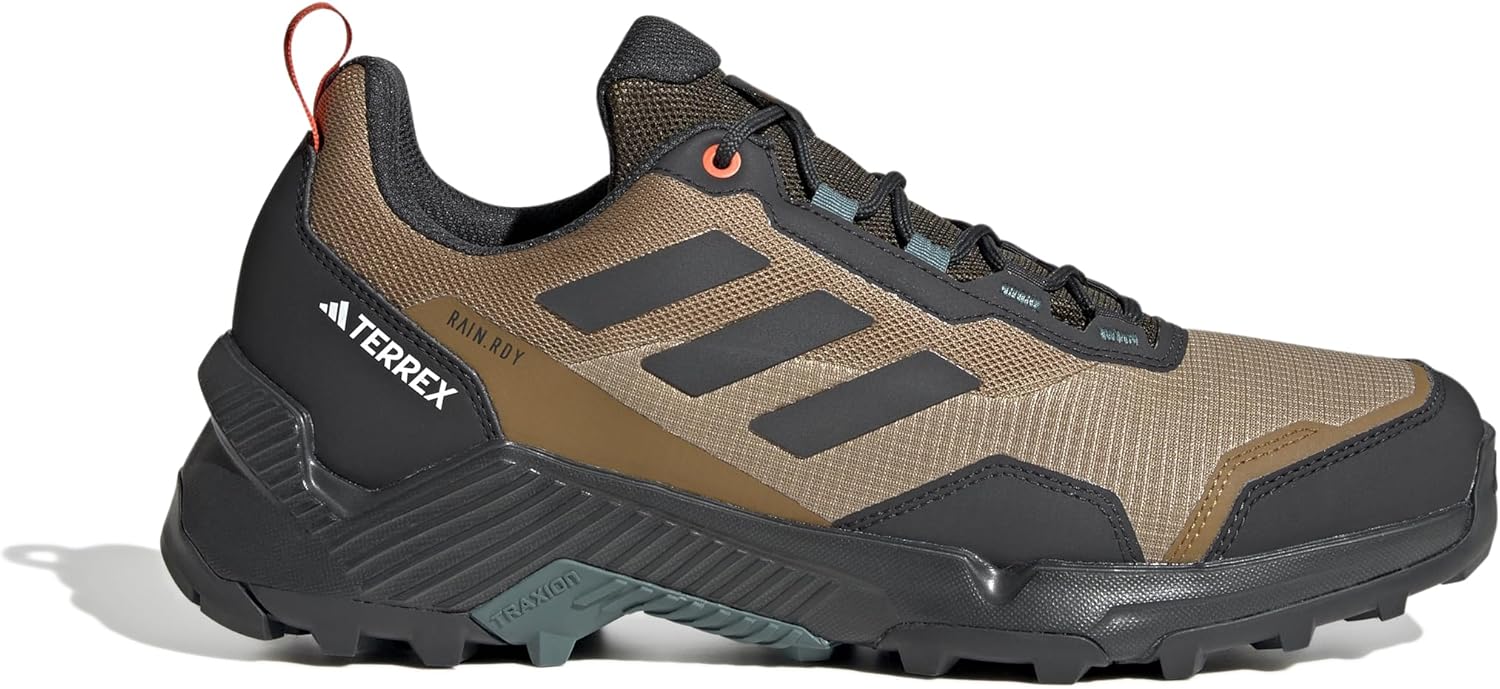
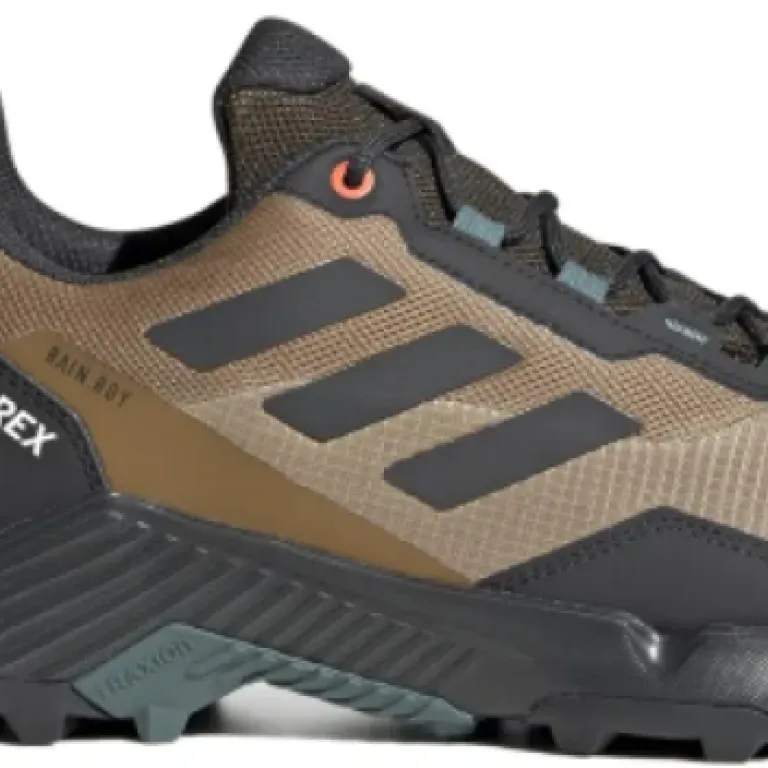
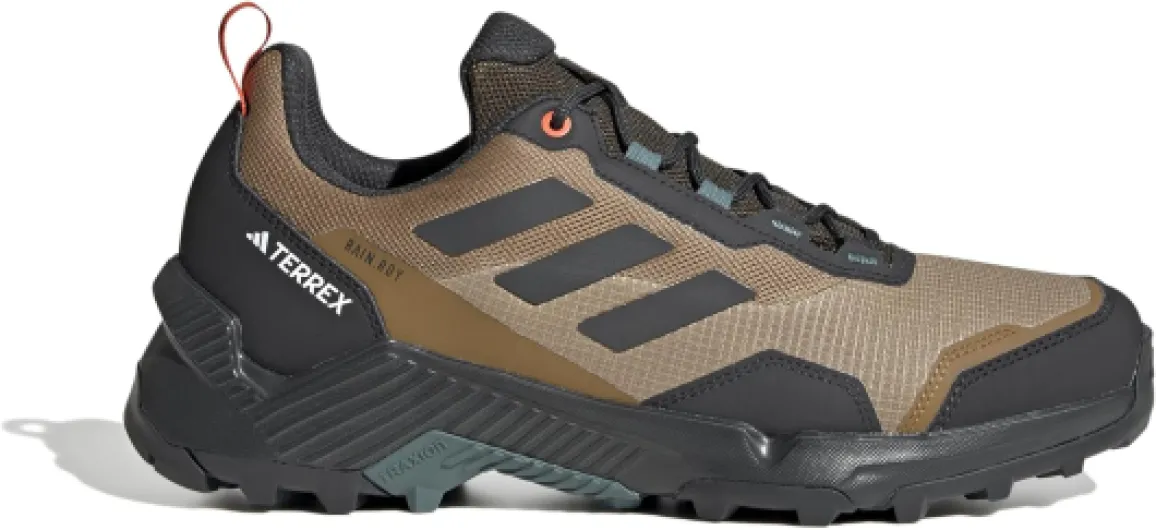
The design of the adidas Eastrail 2.0 is pretty straightforward and functional. It's got that typical hiking shoe look—nothing too flashy, which is fine if you're more about practicality than making a fashion statement on the trails. The 'Cardboard Carbon Preloved Teal' color scheme is earthy and doesn't stand out too much. It’s not likely to win any style awards, but it gets the job done.
One thing I appreciated was the use of recycled materials. The upper part of the shoe is made with at least 50% recycled content. It's a nice touch, knowing that your purchase is slightly better for the environment, even if it's just a small step. The synthetic overlays add a bit of protection and style, though they do make the shoe look a bit bulky.
In terms of structure, these shoes are designed with a gusseted tongue to keep water and mud out. I found this feature to be quite effective during a particularly muddy hike. The EVA midsole provides decent cushioning, but I wouldn't say it's anything extraordinary. Overall, the design is serviceable but may not appeal to those looking for something more modern or sleek.
In conclusion, the design of the adidas Eastrail 2.0 focuses more on function than form. It’s practical for its intended use, especially for those who care about sustainable materials.
Comfort for the Long Haul
Comfort is a key factor when it comes to hiking shoes, and the Eastrail 2.0 has a mixed bag here. On one hand, the shoes require no break-in period, which is a huge plus. Right out of the box, they felt reasonably comfortable and supportive. The EVA midsole provides decent cushioning, making it bearable for long hikes, but it's not the most plush experience I've had.
One thing to note is that these shoes are recommended to be bought one size bigger. I followed this advice, and it seemed to work well. The fit was snug but not too tight, giving enough room for my toes without feeling cramped. However, if you have wide feet, you might find them a bit narrow, so keep that in mind.
Ventilation is another point to consider. The shoes do a good job of keeping water out, but that also means they aren't the most breathable. My feet felt a bit warm after a few hours of wear, especially on warmer days. This won't be an issue in cooler conditions, but it's something to think about if you're planning summer hikes.
Overall, the comfort level is decent. It’s not perfect, but for short to medium hikes, they’re pretty solid. Just be mindful of the fit and ventilation if you're on the fence.
Built to Last?
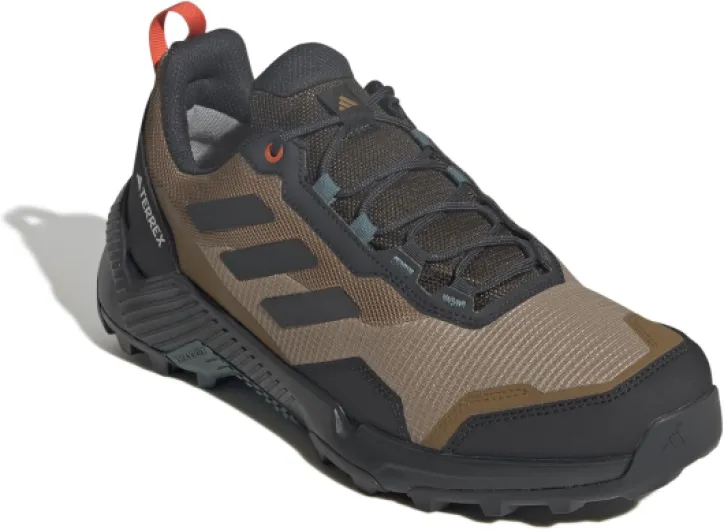
Durability is always a question mark until you've really put a product through its paces. After two weeks of fairly intense use, the Eastrail 2.0 shows little signs of wear. The abrasion-resistant mesh upper seems to live up to its promises, and the synthetic overlays add a layer of toughness that seems ready for more punishment.
The sole also appears to hold up well. I didn't notice any significant wear on the tread, which suggests they'll last for a good number of hikes. Of course, only time will tell if they can withstand the long haul, but the initial signs are promising. One thing I would keep an eye on are the laces. They seem a bit thin, and I worry they might fray faster than I'd like.
Compared to other hiking shoes in its price range, the durability seems pretty competitive. It's not the most rugged shoe I've owned, but for the price, it's good value. If you're someone who hikes occasionally and not every weekend, these should work fine for you.
In conclusion, the adidas Eastrail 2.0 seems sturdy enough for regular use, especially considering its use of recycled materials. Just keep an eye on those laces.
Performance on the Trail
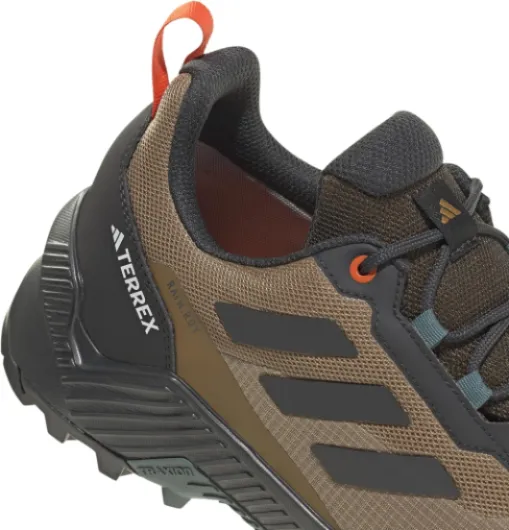
When it comes to performance, the adidas Eastrail 2.0 RAIN.RDY doesn't disappoint in handling wet and muddy conditions. The RAIN.RDY technology really does a good job of keeping your feet dry. I took these shoes out during a rainy week, and my feet stayed dry for the most part. The gusseted tongue is effective in keeping water and debris out, which is a nice touch.
The traction on these shoes is also pretty solid. The rubber sole grips well on various surfaces, including wet rocks and muddy paths. I felt confident walking over slippery surfaces, which is always a concern on wet hikes. However, on really steep inclines, I noticed a bit of slipping, so while they're good, they're not infallible.
One downside is that the shoes are a bit on the heavy side. After a few hours, I did notice the extra weight compared to some lighter hiking shoes I've used before. This might not be a deal-breaker for everyone, but if you’re planning long treks, it's something to consider.
In summary, the performance is reliable for most conditions you might encounter on the trail. They're particularly good for wet and muddy environments, though they aren't the lightest option out there.
Pros
- Effective waterproofing
- Good traction on wet surfaces
- Eco-friendly materials
Cons
- Heavier than other options
- Limited breathability
Conclusion
Editor's rating
The adidas Eastrail 2.0 RAIN.RDY hiking shoes are a solid choice for those who frequently hike in wet or muddy conditions. They provide reliable waterproofing and decent comfort without requiring a lengthy break-in period. If you’re eco-conscious, the use of recycled materials is a nice bonus.
However, they're not without their drawbacks. These shoes are a bit on the heavy side, and ventilation could be improved. They're best suited for hikers who do not prioritize having the lightest gear and can handle a bit of extra weight for the benefit of dry feet.
In summary, if you’re a casual hiker or someone looking for a specific shoe for rainy conditions, these could be a good addition to your gear. If weight and breathability are more important to you, you might want to look elsewhere.