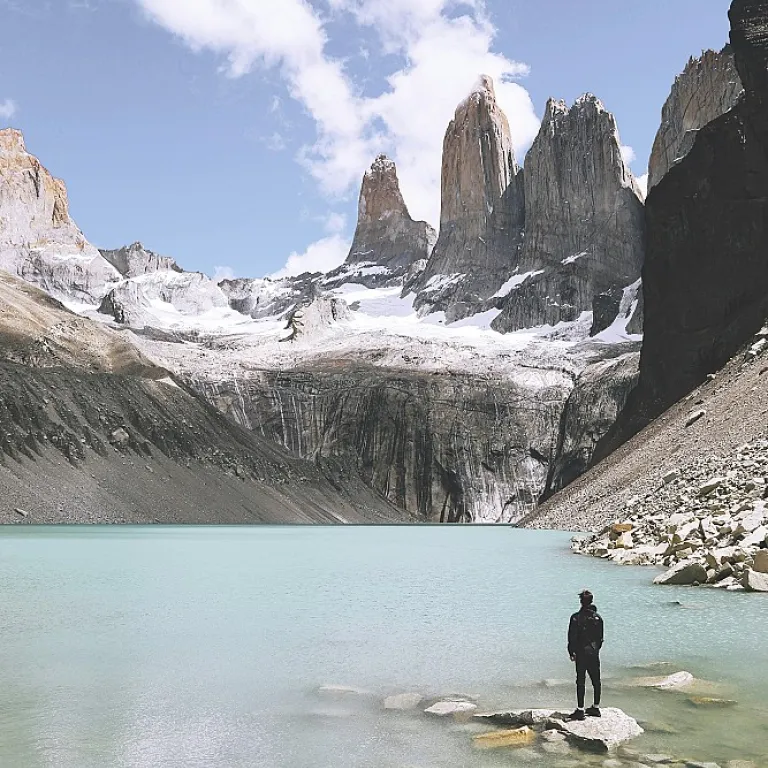

Understanding the terrain of mt israel
What Makes Mount Israel’s Terrain Unique?
Mount Israel, nestled in the Sandwich Range of New Hampshire, is a favorite among outdoor enthusiasts for its accessible yet challenging trails. The mountain rises to an elevation of 2,630 feet, offering a moderate elevation gain that can test even experienced hikers. The most popular route, the Wentworth Trail, begins at the Mead Base Conservation Center and winds through a mix of hardwood forest, rocky ledges, and root-strewn paths. This variety in terrain is what makes Mount Israel a true proving ground for hiking boots.
- Trail Conditions: The trail mount surface can shift quickly from soft forest floor to exposed granite ledges, especially near Diamond Ledge and as you approach the summit mount. Wet weather can make these rocks slick, while dry spells leave loose gravel and dust.
- Elevation Gain: The elevation gain is steady, with some steeper pitches that demand good traction and ankle support from your boots.
- Views and Exposure: As you climb, the forest opens up to sweeping views of Squam Lake, the Sandwich Range, and even Mount Osceola in the distance. The summit offers a panoramic view list that rewards the effort, but the open ledges can be windy and exposed.
- Access and Logistics: The parking lot at Mead Base Conservation Center fills quickly on busy days, and the trailhead is easily accessible from Ledge Road. Driving directions are straightforward, making this a popular day hike in the White Mountain National Forest.
These conditions mean your hiking boots need to handle a range of surfaces and weather. Hikers often compare Mount Israel’s challenges to those found on more rugged peaks, such as Mount Lincoln. For a deeper dive into how boots perform on similarly demanding trails, check out this guide to exploring the rugged trails of Mount Lincoln.
Understanding the unique mix of forest, rock, and elevation on Mount Israel sets the stage for evaluating how different hiking boots perform, what issues commonly arise, and what features matter most for this mountain adventure.
Common issues faced with hiking boots on mt israel
Boot Challenges Unique to Mount Israel
Hiking Mount Israel in the Sandwich Range of New Hampshire is a rewarding experience, but it can be tough on your boots. The trail, especially the popular Wentworth Trail, presents a mix of rocky ledges, root-strewn paths, and sections of loose gravel. These features test the durability and grip of any hiking boot, especially as you gain elevation toward the summit.- Rocky Terrain: The approach from Mead Base Conservation Center and the climb up Diamond Ledge Road expose boots to sharp rocks and uneven surfaces. This can lead to sole separation or excessive wear on the tread.
- Variable Elevation Gain: The elevation gain on the trail mount Israel can cause extra pressure on the boot’s midsole and upper, especially during the steepest sections near the summit mount Israel.
- Muddy and Wet Conditions: After rain or during spring melt, sections near the parking lot and along the trail can become muddy. Boots lacking waterproofing or proper drainage may leave your feet wet and uncomfortable for the rest of the hike.
- Loose Gravel and Roots: The path to the top, especially near the White Mountain National Forest boundary, is littered with loose gravel and exposed roots. This increases the risk of slipping if your boots don’t offer solid traction.
- Long Day Hikes: Many hikers tackle Mount Israel as a day hike, but the combination of distance and elevation can lead to foot fatigue if your boots lack adequate support or cushioning.
Real-World Wear and Tear
The constant transition from forest floor to rocky ledges and back again means boots are exposed to a full spectrum of trail hazards. Hikers often report issues such as:- Premature sole wear after just a few hikes on the Israel Wentworth Trail
- Uppers cracking or seams splitting due to repeated flexing over uneven terrain
- Loss of grip on wet rocks, especially near the summit where views of Squam Lake open up
Key features to look for in hiking boots for mt israel
Essential Elements for Tackling Mount Israel’s Demanding Trails
Mount Israel’s unique blend of rocky ledges, forested switchbacks, and steep elevation gain puts hiking boots to the test. The journey from the parking lot at Mead Base Conservation Center up the Wentworth Trail to the summit is a real challenge for both gear and hiker. Here’s what to prioritize when choosing boots for this mountain:- Traction and Outsole Grip: The trail mount Israel offers, especially along the diamond ledge and ledge road sections, can be slick and uneven. Deep, aggressive lugs on the outsole are crucial for maintaining grip on wet rocks and loose gravel, especially after rainfall or in shaded areas near the summit.
- Support and Stability: With the elevation gain and rocky terrain, ankle support is non-negotiable. A mid or high-cut boot helps prevent twists and provides stability on the uneven surfaces of the Sandwich Range and White Mountain National Forest trails.
- Waterproofing and Breathability: The mountain’s microclimates can turn a dry day into a damp one quickly. Boots with a waterproof membrane keep feet dry when crossing muddy sections or after a sudden downpour, but breathability is equally important to avoid overheating on the climb to the Israel summit.
- Durability: The abrasive granite and root-strewn paths of the Wentworth Trail demand tough materials. Reinforced toe caps and abrasion-resistant uppers help boots withstand repeated hikes from the base conservation area to the summit mount Israel.
- Cushioning and Comfort: Long days on the trail, especially if you’re planning to enjoy the view list from the top or extend your hike toward Mount Osceola, require boots with good underfoot cushioning. This reduces fatigue and protects joints during the descent back to the parking lot.
Feedback from experienced hikers and mountaineers
Real-World Insights from the Trail
Hikers and mountaineers who have tackled Mount Israel via the Wentworth Trail or the Diamond Ledge route consistently highlight the mountain’s unique demands on footwear. The combination of rocky ledges, root-strewn paths, and the steady elevation gain from the Mead Base Conservation Center to the summit means that boots are put through a true test. Many report that the trail’s varied surfaces—from muddy stretches near the parking lot to exposed granite slabs closer to the summit—quickly reveal any weaknesses in boot construction or grip.Performance Under Pressure
Feedback from experienced hikers shows that boots with strong ankle support and reliable traction are essential, especially on the steeper sections approaching the Sandwich Range views. Those who have summited Mount Israel after recent rain emphasize the importance of waterproofing, as the trail can become slick and unpredictable. The White Mountain National Forest’s changing weather adds another layer of challenge, making breathability and quick-drying materials highly valued.- Sturdy soles help manage the elevation gain and protect feet from sharp rocks.
- Good lacing systems prevent slippage on the descent back to the Mead Base parking lot.
- Comfort is crucial for longer day hikes, particularly for those extending their adventure to nearby peaks like Mount Osceola or exploring the full Sandwich Range.
Lessons from the Viewpoints
Hikers often pause at the summit for the view list—Squam Lake, the Sandwich Range, and beyond. Many note that boots with insufficient cushioning or poor fit can turn what should be a rewarding summit experience into a painful one. The consensus is clear: investing in the right hiking boots for Mount Israel’s trails not only enhances comfort but also safety, especially when navigating the ledge road sections and rocky outcrops near the top. Whether starting from the Mead Base Conservation Center or the lesser-known trailheads off Ledge Road, experienced hikers agree that Mount Israel is a proving ground for boots—and the feedback from the trail is invaluable for anyone preparing for their next hike.How to prepare your hiking boots before tackling mt israel
Getting Your Boots Ready for the Mt Israel Challenge
Before you set out for the summit of Mount Israel, a little preparation goes a long way in ensuring your hiking boots are up to the task. The varied terrain of the Wentworth Trail, from rocky ledges to forested switchbacks, can quickly expose any weakness in your footwear. Here’s how to get your boots trail-ready:- Inspect for Wear and Tear: Check the soles for uneven wear, especially if you’ve recently hiked other White Mountain trails like Mount Osceola or Diamond Ledge. Look for cracks, loose stitching, or delamination that could worsen with the elevation gain on Mount Israel.
- Clean Thoroughly: Dirt and grit from previous hikes can damage the materials. Remove insoles and laces, brush off mud, and wipe down with a damp cloth. Pay special attention to the tread, as debris can reduce traction on the rocky sections near the summit.
- Waterproofing: Even if the weather looks clear, the trail can be muddy or slick, especially near the Mead Base Conservation Center or after rain on Ledge Road. Apply a waterproofing treatment suitable for your boot material to keep your feet dry during stream crossings and wet patches.
- Check Laces and Eyelets: The elevation gain and uneven terrain demand secure lacing. Replace frayed laces and ensure all eyelets or hooks are intact to prevent mid-hike failures.
- Break Them In: If your boots are new or haven’t seen much action since your last hike in the Sandwich Range, wear them on shorter walks or around the parking lot before the big day. This helps prevent blisters and ensures comfort over the full trail length.
- Pack Spare Socks: The climb from the base conservation area to the Israel summit can be sweaty work. Fresh socks at the summit or during a break at the view list overlook can make a big difference in comfort.
When to replace your hiking boots after hiking mt israel
Recognizing When Your Boots Have Reached Their Limit
After a demanding hike up Mount Israel via the Wentworth Trail, your hiking boots may show signs of wear that go beyond the usual scuffs and dirt. The unique combination of elevation gain, rocky ledges like Diamond Ledge, and the varied terrain from the Mead Base Conservation Center to the summit means your boots endure a lot. It’s important to know when it’s time to retire your current pair before planning your next adventure in the Sandwich Range or the White Mountain National Forest.- Sole Separation and Tread Wear: Examine the outsoles after your hike. If the tread is worn smooth or the sole is starting to peel away, traction on steep sections and wet rocks will be compromised, especially on trails like the one from the parking lot up to the Israel summit.
- Loss of Waterproofing: Crossing streams or hiking in wet conditions around Squam Lake or along Ledge Road can reveal leaks. Persistent dampness inside your boots, even after reapplying waterproof treatments, is a clear sign they’re no longer up to the task.
- Midsole Compression: The midsole absorbs shock from elevation changes and rocky paths. If you notice less cushioning or increased foot fatigue after a day hike to the top, the midsole may be compressed beyond recovery.
- Upper Material Damage: Tears, deep abrasions, or separated seams—especially around flex points—can let in debris and water, reducing comfort and protection on rugged trails like those near Mount Osceola or the base conservation area.
- Fit and Support Issues: If your boots feel loose or unsupportive, even after adjusting laces, the internal structure may be breaking down. This can increase the risk of blisters or ankle injuries on uneven terrain.