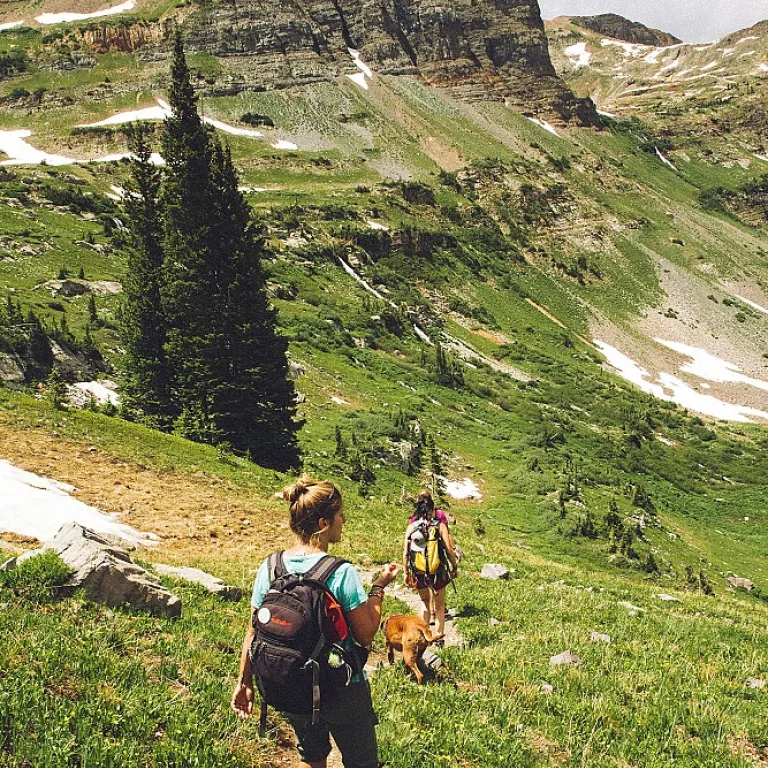

Understanding the terrain of mount israel
Getting Acquainted with Mount Israel’s Unique Terrain
Mount Israel stands as a rewarding peak in the Sandwich Range of New Hampshire’s White Mountain National Forest. The trail to the summit, most commonly accessed via the Wentworth Trail, offers a blend of forested paths, rocky ledges, and open viewpoints. Hikers often start from the Mead Base Conservation Center, where a well-marked parking lot provides easy access to the trailhead. The elevation gain is moderate, but the route covers about 4 miles round trip, making it a solid day hike for outdoor enthusiasts.
Along the way, you’ll pass through hardwood forests, cross sections of ledge road, and enjoy scenic stops like Beede Falls and Diamond Ledge. The trail mount Israel offers is known for its steady climb and occasional rocky scrambles, especially as you approach the summit. The views from the top are impressive, with sweeping vistas of the Sandwich Range, Mount Osceola, and the surrounding mountain national forest. On clear days, the view list includes distant peaks and the valley below, making the effort worthwhile.
- Trail conditions: Expect roots, rocks, and sometimes muddy patches, especially after rain or near falls.
- Elevation gain: The steady ascent challenges your legs but is manageable for most experienced hikers.
- Key landmarks: Beede Falls, Mead Base, and the conservation center are popular points along the route.
- Summit experience: The Israel summit rewards you with panoramic views and a sense of accomplishment.
Choosing the right hiking boots is crucial for tackling the varied terrain found on Mount Israel. The combination of rocky paths, forest floors, and occasional wet sections means your footwear needs to provide grip, support, and comfort. For a deeper dive into selecting boots for similar rugged trails, check out this guide on choosing the right hiking boots for rugged mountain trails.
Understanding the terrain is the first step in preparing for your hike. The next step is knowing what features to look for in hiking boots, which can make all the difference between a comfortable adventure and a challenging day on the trail.
Key features to look for in hiking boots
Essential Qualities for Tackling Mount Israel’s Trails
When preparing for a hike up Mount Israel, the right boots can make all the difference. The terrain here is a mix of rocky ledges, forest paths, and sometimes muddy sections, especially near Beede Falls and along the Wentworth Trail. The elevation gain isn’t extreme compared to some White Mountain summits, but the variety of surfaces means your footwear needs to be versatile and reliable.
- Traction: The trails, especially near Diamond Ledge and the steeper sections of the Sandwich Range, demand soles with deep lugs for grip. Slippery roots and rocks are common, particularly after rain or near water crossings by the conservation center.
- Support: Ankle support is crucial for uneven ground. Mid- or high-cut boots help prevent twists, especially when descending toward the parking lot or navigating the rocky switchbacks near Mead Base.
- Water Resistance: Weather in the White Mountain National Forest can change quickly. Waterproof membranes keep your feet dry during sudden downpours or when crossing streams near Beede Road and the base conservation area.
- Comfort and Fit: Long days on the trail—sometimes covering several miles—require boots that fit well and don’t cause blisters. Look for a snug heel, roomy toe box, and enough cushioning for the elevation gain up to the Israel summit.
- Durability: Rocky outcrops and abrasive surfaces near the summit mount and ledge road can wear down lesser boots. Reinforced toe caps and sturdy materials extend the life of your footwear.
For those comparing options, it’s worth noting that hiking boots designed for similar peaks—like those discussed in what experienced hikers need to know about hiking boots—often share these core features. The right pair will help you enjoy the sweeping views from the summit, whether you’re starting from the main parking lot or exploring the quieter side trails near Mount Osceola and the national forest boundary.
Common mistakes when selecting hiking boots
Overlooking Fit and Comfort Can Ruin Your Hike
One of the most common mistakes hikers make when preparing for a trek up Mount Israel is underestimating the importance of fit and comfort. The terrain on the Wentworth Trail, with its rocky sections and elevation gain, demands boots that fit snugly but don’t pinch or cause hot spots. A poor fit can lead to blisters, sore feet, and even cut your hike short before reaching the summit. Always try boots on with the socks you plan to wear, and walk around the store or your home to test for pressure points.
Ignoring the Terrain’s Demands
Mount Israel’s trails, including the ledge road and the approach from Mead Base Conservation Center, feature a mix of packed dirt, roots, and exposed rock. Choosing boots without adequate traction or ankle support is a frequent error. Lightweight trail runners might work for some, but for the rocky stretches near the summit and the descent past Beede Falls, a sturdier hiking boot is often safer. Consider the trail’s conditions and your planned mileage—boots that perform well in the White Mountain National Forest’s variable weather are a must.
Prioritizing Style Over Function
It’s tempting to pick boots based on looks or brand reputation, but performance should always come first. Features like waterproof membranes, durable outsoles, and reinforced toe caps are critical for the unpredictable conditions on the Sandwich Range. Don’t let aesthetics outweigh the practical needs of your hike, especially when tackling the elevation gain to the Israel summit or traversing the diamond ledge section.
Neglecting Essential Accessories
Another oversight is forgetting about the accessories that can make or break your day on the trail. Insoles, gaiters, and proper lacing techniques can enhance comfort and protection, especially on longer hikes from the parking lot to the summit mount. For a deeper dive into gear that complements your boots, check out this guide on essential boot accessories for outdoor enthusiasts and experienced hikers.
Not Considering Boot Break-In Time
Heading straight from the parking lot at Mead Base or Beede Road with brand-new boots is a recipe for discomfort. Boots need time to mold to your feet, especially if you’re planning a full day hike with significant elevation gain. Break in your boots on shorter walks or less demanding trails before tackling the full route up Mount Israel or venturing further into the mountain national forest.
Boot maintenance for challenging hikes
Keeping Your Boots Ready for Every Mile
Proper boot maintenance is essential for anyone tackling the rugged trails of Mount Israel, especially if you plan to reach the summit or explore the Sandwich Range. The combination of rocky ledges, muddy sections near Beede Falls, and the elevation gain along the Wentworth Trail can put any pair of hiking boots to the test. Here’s how to keep your footwear in top shape for every hike:- Clean After Every Hike: Dirt, sand, and grit from the mountain trails can wear down boot materials. After a day on the trail, remove insoles and laces, then brush off debris. Use lukewarm water and a soft brush for stubborn mud, especially after wet stretches near Mead Base or the Conservation Center.
- Dry Thoroughly: Never leave boots wet after a hike up Mount Israel or through the White Mountain National Forest. Stuff them with newspaper and let them air dry away from direct heat. This helps prevent odor and material breakdown, especially after rainy days or stream crossings near Beede Road.
- Condition Leather: If your boots are leather, apply a conditioner after cleaning. This keeps the leather supple and helps resist water during hikes with unpredictable weather or when traversing the ledge road sections.
- Check Soles and Seams: Inspect for wear and tear, especially after challenging hikes with lots of elevation gain. The rocky terrain around Mount Osceola and Diamond Ledge can cause sole separation or seam stress. Address issues early to avoid problems on your next summit attempt.
- Store Properly: Keep boots in a cool, dry place. Avoid leaving them in your car’s parking lot at the trailhead or in damp basements, as this can lead to mold or material fatigue.
When to Replace Your Boots
Even with the best care, boots will eventually wear out. If you notice persistent discomfort, loss of grip on the trail, or visible cracks in the upper, it may be time for a new pair. This is especially important for those who frequent the miles of trails around Mount Israel, the Sandwich Range, or the White Mountain National Forest, where reliable traction and support are crucial for safety and enjoyment. Regular maintenance not only extends the life of your boots but also ensures you’re ready for every adventure—whether it’s a quick hike to the Israel summit, a day exploring Beede Falls, or a challenging ascent from the Mead Base Conservation Center parking lot.Comparing popular hiking boot models for mount israel
Popular Boots on the Trail: Real-World Comparisons
When tackling the varied terrain of Mount Israel, hikers often debate which boots truly hold up from the parking lot at Mead Base Conservation Center to the summit views over the Sandwich Range. Here’s a look at how some of the most trusted hiking boots perform on this classic White Mountain hike, factoring in the trail’s rocky ledges, occasional muddy patches near Beede Falls, and the steady elevation gain up the Wentworth Trail.| Boot Model | Best For | Key Strengths | Considerations |
|---|---|---|---|
| Salomon X Ultra 4 Mid GTX | Day hikes, variable weather | Lightweight, excellent grip on wet ledge, waterproof | Less ankle support for heavy packs |
| Merrell Moab 3 Mid Waterproof | Mixed terrain, comfort seekers | Cushioned, reliable traction, affordable | Not as durable for frequent mountain use |
| La Sportiva Nucleo High II GTX | Steep, rocky ascents | Superior support, breathable, handles elevation gain | Break-in period required |
| Oboz Bridger Mid BDry | Wet trails, all-day hikes | Sturdy, waterproof, great for muddy sections near Beede Road | Heavier than most, less agile |
| Asolo Fugitive GTX | Backpacking, multi-day hikes | Durable, high ankle support, excels on rugged mountain national forest trails | Pricey, can feel stiff on shorter hikes |
What Hikers Notice Most on Mount Israel
- Traction is critical on the rocky ledges and diamond ledge sections, especially after rain or near falls.
- Waterproofing helps on muddy stretches and during spring melt, but breathability is just as important on warm days.
- Ankle support matters for the uneven terrain, particularly if you’re carrying a heavier pack up to the summit mount or exploring side trails toward Mount Osceola.
Choosing Based on Your Route and Needs
If your hike starts at the Mead Base parking lot and you plan a quick out-and-back to the Israel summit, lighter boots like the Salomon X Ultra or Merrell Moab are often enough. For longer days exploring the Sandwich Range or connecting to the White Mountain National Forest network, sturdier models like the Oboz Bridger or Asolo Fugitive offer more protection and durability. No single boot is perfect for every hiker or every trail mount. The best choice depends on your typical mileage, the season, and how much support you want for those last steep miles to the summit view list. Always try boots on with the socks you’ll wear and consider the specific challenges of Mount Israel’s terrain before making your pick.Advice from experienced mount israel hikers
Insights from Seasoned Hikers on Mount Israel
Drawing from the experiences of hikers who have tackled Mount Israel and its surrounding trails, several practical tips emerge for choosing and using hiking boots in this region of the Sandwich Range. The terrain here, from the base conservation center at Mead Base to the summit, offers a mix of forest paths, rocky ledges, and occasional wet sections, especially near Beede Falls and along the Wentworth Trail.- Prioritize Traction and Stability: Many hikers emphasize the importance of a boot with a grippy outsole. The ledge road sections and diamond ledge areas can be slick, especially after rain. A boot with a solid tread pattern helps maintain footing and confidence on both ascent and descent.
- Waterproofing Matters: The proximity to streams, falls, and the sometimes muddy stretches near the parking lot and conservation center mean that waterproof boots are a wise choice. Gore-Tex or similar membranes keep feet dry during the 4-mile round trip, even on longer day hikes.
- Support for Elevation Gain: The elevation gain to the Israel summit is moderate but steady. Hikers recommend boots with good ankle support, especially for those carrying a heavier pack or traversing uneven sections near the summit mount and along the trail mount.
- Comfort for Varied Distances: Whether starting from Mead Base or the Beede Road parking area, comfort is key. Some hikers report that breaking in boots before tackling Mount Israel helps prevent blisters, especially on longer hikes that include side trips to Beede Falls or the White Mountain National Forest trails.
- Consider the Season: In spring and fall, trails can be wet and slippery. In winter, ice cleats or compatible boots are recommended for safety, particularly on exposed ledges and the approach to Mount Osceola or other peaks in the Sandwich Range.
What Hikers Wish They Knew Beforehand
- Some underestimated the rocky sections near the summit and wished for more rigid soles for better protection.
- Others noted that a lightweight boot was preferable for the relatively short mileage, especially when parking at the lot near Mead Base and hiking just to the Israel Wentworth summit and back.
- Several hikers highlighted the benefit of boots with good ventilation, as the climb can be warm even on cooler days, especially in the lower forested sections of the trail.
Boots That Performed Well on Mount Israel
| Boot Model | Key Strengths | Best For |
|---|---|---|
| Midweight Waterproof Boot | Excellent traction, ankle support, waterproof | Wet seasons, rocky ledges, longer hikes |
| Lightweight Hiking Shoe | Breathability, comfort, flexibility | Dry conditions, fast day hikes, lower elevation gain |
| Stiff-Soled Mountain Boot | Protection, stability, durability | Rugged summit approaches, winter hikes, heavy packs |
Ultimately, the consensus among experienced hikers is to match your boot choice to the specific conditions of Mount Israel and your hiking style. The right pair can make the difference between a challenging slog and an enjoyable trek with rewarding views of the Sandwich Range and beyond.