
Summary
Editor's rating
Value for money: who should pay for this vs go cheaper
Looks, fit shape, and those seven eyelets
Comfort and fit: how it feels after real miles
Build quality, waterproof membrane, and outsole grip
How it holds up over rough use
Real-world performance: grip, support, and waterproofing
What this shoe actually is (and isn’t)
Pros
- Very good support and heel hold for a low-cut hiking shoe
- Durable outsole and upper that handle rough, rocky terrain
- Effective waterproof membrane that keeps feet dry in typical wet conditions
Cons
- Runs small; most people need to size up by half a size
- Runs warm in hot weather due to the waterproof lining

Specifications
View full product page →| Brand | Oboz |
Trail shoe that actually feels good after a full day
I’ve been using the Oboz Firebrand II BDry as my main hiking shoe and general weekend beater, and it’s a pretty solid mix between a hiking boot and a chunky sneaker. If you’re used to Merrell Moab, Salomon, La Sportiva and that kind of shoe, this sits in the same family but with its own twist. It’s low-cut, waterproof, and built more like a tank than a running shoe, which you really feel once you’re on rocky or wet ground.
What pushed me to try these was exactly what a lot of people mention: I was tired of feeling every rock in lighter shoes and having wet socks every time I hit a muddy trail. I wanted something that I could wear all day on a trip, go from city to trail, and not have my feet destroyed in the evening. On that point, the Firebrand II does the job. After long days walking and light hikes, my legs are tired, but my feet are still okay, which is really what matters to me.
I’m not an ultra-distance hiker, but I do 10–15 km days on mixed terrain: forest paths, gravel, wet grass, sometimes rocky stuff. In that context, these shoes feel made for exactly that use. You get proper support and grip without feeling like you’re dragging classic heavy boots around. They’re not airy like trail runners, but they’re clearly more comfortable to keep on than stiff leather boots when you’re just traveling or walking around town.
They’re not perfect, though. They run on the small side, the waterproof membrane runs a bit warm in hot weather, and the laces on some pairs seem to come undone more often than they should. But overall, if you want a tough, waterproof low hiker that still feels like a shoe and not a brick, this model is honestly a good option.
Value for money: who should pay for this vs go cheaper
In terms of value, the Firebrand II BDry sits in that mid-to-upper price range for hiking shoes. You’re paying more than a basic department-store hiker or an entry-level Merrell, but you’re still below some of the high-end mountaineering stuff. With an Amazon rating of around 4.5/5 from over 1,600 reviews, it’s clear a lot of people feel they got their money’s worth. From my point of view, the price is fair for what you get: real support, proper waterproofing, and materials that can handle rough terrain without falling apart after one season.
Where the value really shows is if you actually use the shoe in the conditions it’s built for. If you hike regularly in wet, rocky, or mixed terrain, this shoe saves you from sore feet, wet socks, and premature wear. You’re paying for the BDry membrane, the solid outsole, and the supportive midsole/shank combo. If you only walk on pavement or do easy park loops in dry weather, honestly, this is probably more boot than you need, and a cheaper, lighter shoe would be fine.
Compared to brands like Merrell, Salomon, and La Sportiva, I’d say the Firebrand II is competitive. Some people even switched from those brands and now prefer Oboz for the fit and support. You’re not getting fancy marketing features; you’re getting a straightforward, tough hiking shoe. The main downsides for value are the slightly warm feel due to waterproofing and the need to size up (and maybe replace the laces). But those are manageable issues.
So, value-wise: if you want a tough, waterproof low hiker you can rely on for multi-day trips, travel, and regular weekend hikes, the price makes sense. If you’re casual and mostly stick to dry, easy trails, you can save money with something simpler and lighter.
Looks, fit shape, and those seven eyelets
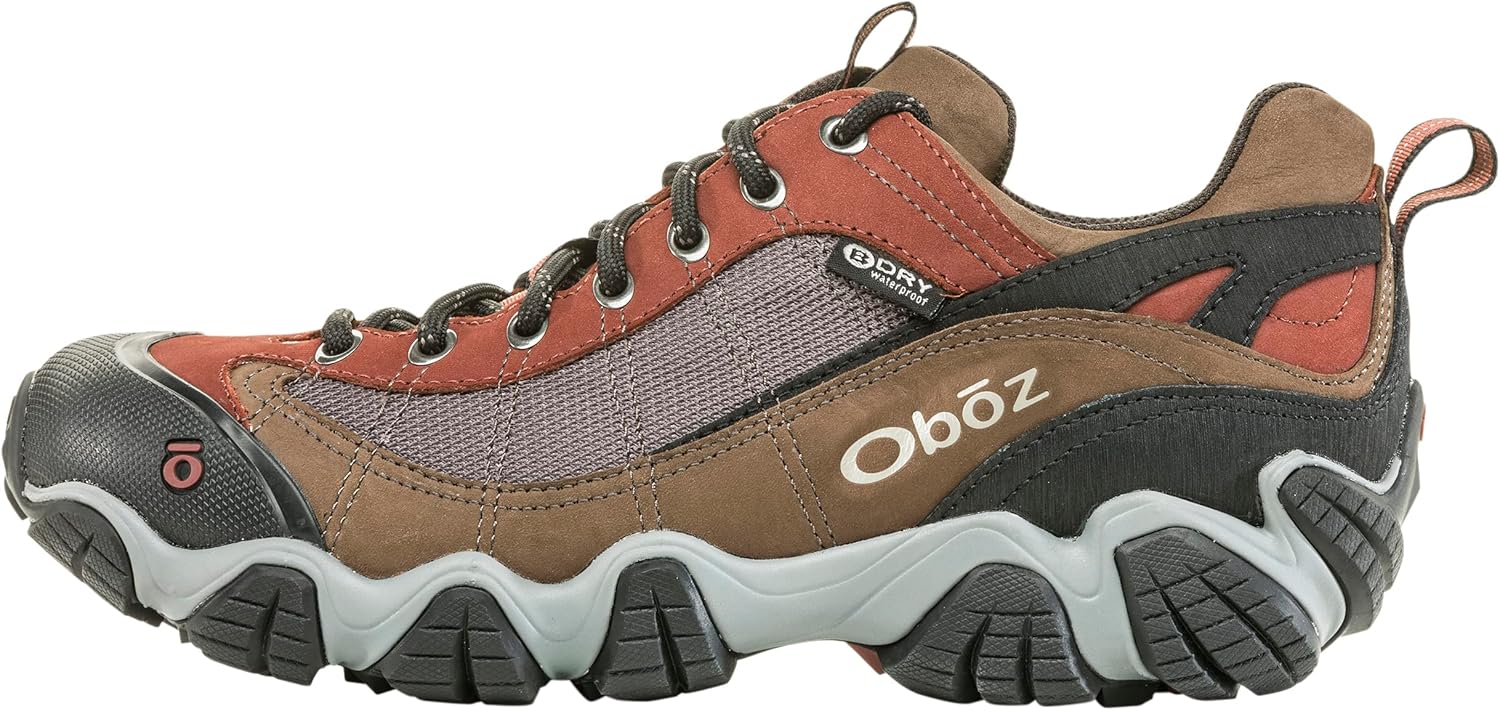
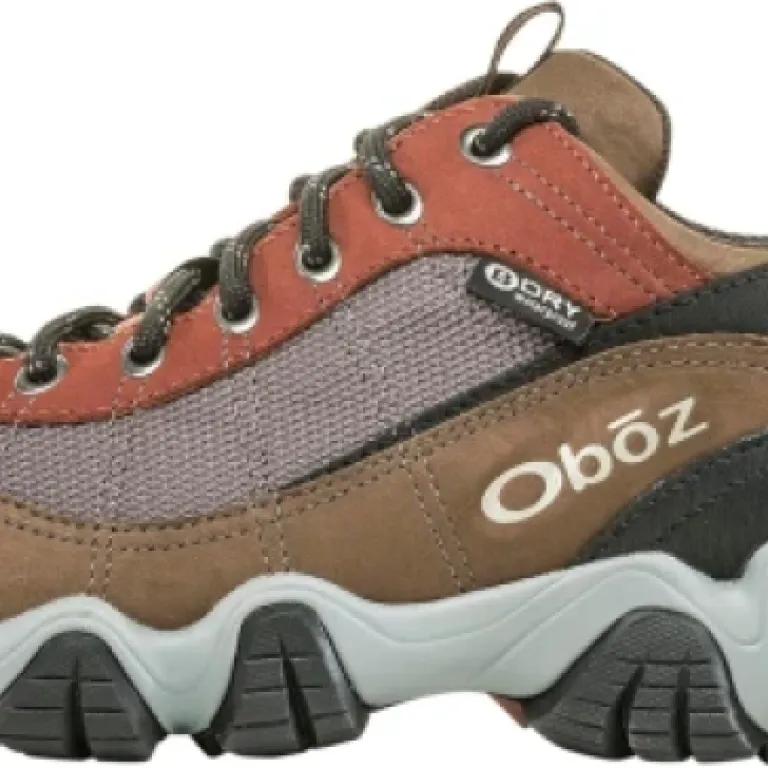
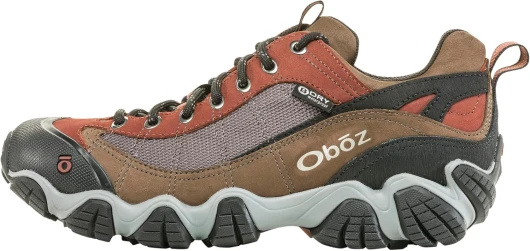
Design-wise, the Firebrand II BDry sits in that “hiking shoe that doesn’t look totally dorky” zone. The colorway like the Earth version is brown/earthy with some contrasting panels, so it blends in on the trail but still looks okay with jeans. It’s not a fashion sneaker, but it doesn’t scream “old-school hiking boot” either. The upper has quite a bit of structure and overlays, with rubber around the toe for protection, which is good for durability but does give it a slightly chunky look.
The seven eyelets setup is something a lot of people notice. It lets you fine-tune the lacing, especially over the instep. I found it useful to lock my heel in while leaving the forefoot a bit looser. The heel cup is snug, which really helps prevent heel slippage and blisters on descents. If you hate your heel moving around, this is a strong point. On the flip side, if you have a very high instep and like a super open midfoot, you might feel it holds you more firmly than some other shoes.
In terms of shape, the width is pretty standard, but the way the padding wraps around the foot makes it feel supportive without being cramped. Some users with wider feet even compare the feel to Merrell Moab, saying the Firebrand II still works for them and doesn’t squeeze too much, especially in the forefoot. The toe box is not crazy wide like some barefoot brands, but there’s enough lateral space that your toes can move a bit, and it doesn’t feel sloppy side to side on off-camber trails.
One design gripe: the stock laces. At least one user mentions they come undone a lot, and I’ve noticed they’re a bit slick. On a long hike, that can get old fast if you don’t double-knot. Swapping them for grippier laces is a simple fix, but for the price, they could have shipped better ones. Overall, though, the design is functional, looks decent on and off trail, and feels thought out from a hiker’s perspective rather than just being a generic outdoor shoe.
Comfort and fit: how it feels after real miles
Comfort is where this shoe does pretty well, especially if you’re coming from minimal or super flexible shoes and your feet are tired of getting beaten up by rocks. The cushioning is firm but not harsh. You don’t sink into it like a running shoe, but you also don’t feel every pebble. The combination of the EVA midsole, nylon shank, and that BFit footbed gives you a supportive platform that works over long days. After several 10–15 km walks and some steeper sections, my legs felt worked, but my feet weren’t screaming, which is pretty much what I’m looking for in a hiking shoe.
Fit-wise, they run a bit small. Several buyers say they went half a size up and were happy, and I agree. If you’re a 10.5, ordering an 11 seems to be the safer bet, especially if you plan to wear thicker hiking socks. The heel hold is really good; the shoe “hugs” the heel so there’s no slippage, which helps prevent blisters on descents. Over the instep (the rise of the foot), the padding and lacing are well balanced: it doesn’t pinch, and it doesn’t feel like your foot is swimming either, as long as you dial in the lacing.
Ventilation is where you pay the price for the waterproof membrane. In cooler or mild weather, no issue. In hot, humid conditions, your feet will run warmer than in a non-waterproof mesh shoe. It’s not unbearable, but if you mostly hike in hot summers and rarely see rain, I’d seriously question if you really need the BDry version. For places with regular rain, wet grass, or muddy trails, the trade-off is worth it, at least for me.
One more thing on comfort: socks matter. People pairing these with decent hiking socks like Wigwam or Fox River seem very happy with the combo. Thin casual socks don’t do the shoe justice, especially on longer days. Overall comfort rating from me is pretty high: it’s not a soft slipper, but for actual hiking and long walks, it hits a nice balance between support, protection, and all-day wearability.
Build quality, waterproof membrane, and outsole grip
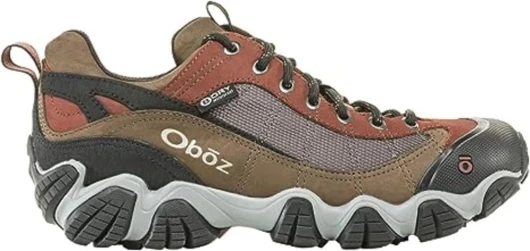
The materials on the Firebrand II BDry give a clear “built to last” vibe. The upper combines synthetic overlays with leather panels and a solid rubber toe cap. The stitching around the toe and sides looks tight and reinforced. One thing I always watch for is the toe rand glue line, because that’s where cheaper shoes start peeling after a season. On this model, the toe wrap feels well bonded; several users mention checking it closely and not seeing any weak spots or early peeling even after rough use.
The star of the show is the BDry waterproof membrane. It lines the inside of the shoe, so water doesn’t seep in easily when you’re walking through wet grass, shallow puddles, or muddy trails. In practice, it does keep your feet dry in those typical hiking situations. One guy hosing down the shoes after hiking and not worrying about water soaking through matches my experience: you can rinse mud off without immediately flooding the inside. On the downside, any waterproof membrane will trap more heat than a non-waterproof mesh shoe, and this one is no exception. In hot, humid weather, your feet will feel warmer and may sweat more.
Underfoot, you’ve got the sawtooth outsole that Oboz is known for. The lugs are fairly aggressive and feel grippy on loose gravel, dirt, and even wet rock. Multiple reviews say they didn’t slip going downhill on loose stuff, which is a big plus if you hike in areas with scree or decomposed granite. On city surfaces like wet tile or polished concrete, they’re better than some competitors (like the Merrell Moab 2 that one user says is like an ice skate on wet store floors), but they’re not magic; still, they’re noticeably more secure than a lot of basic hiking shoes.
Inside, the BFit Deluxe footbed is better than the thin foam insoles you get in many shoes. It has actual arch support and some heel cupping, so you might not need aftermarket insoles unless you have special needs. Combined with the dual-density EVA midsole and nylon shank, the whole setup feels stable and protective without being a brick. So overall, in terms of materials and construction, it leans more towards durable and supportive rather than light and airy. If you abuse your shoes on rough ground, that’s a good thing.
How it holds up over rough use
Durability is one of the stronger points of the Firebrand II BDry. People are using these on volcanic rock, ash, scoria, and cinder, which are all pretty brutal on footwear, and they’re still happy enough to buy a second pair. That says a lot. The outsole rubber is on the harder, more durable side, not soft and gummy like some trail runners. That means the lugs don’t melt away after a few rocky hikes. After repeated use on rough ground, the tread still looks in good shape, which is what you want if you’re spending this kind of money.
The upper construction also feels tough. The stitching around high-stress areas like the toe cap and sides is solid. The rubber toe bumper protects both your toes and the shoe itself from scuffing and tearing. One thing I specifically watch for is the glue line where the rubber meets the upper; on cheaper shoes, that starts to separate early. On this model, users who inspected it closely saw no signs of peeling, and I haven’t seen issues there either. The materials feel like they’re built for seasons of use, not just a single trip.
Inside, the footbed and midsole hold up reasonably well. Obviously, any insole will pack out a bit over time, but this one is better than the super-thin foam you get in many shoes. If you’re heavy or you hike a lot, you might eventually swap it for an aftermarket insole, but that’s normal. The upper fabric and leather also don’t show excessive fraying or tearing from regular use, as long as you’re not dragging your feet on sharp edges constantly.
That said, no shoe is immortal. If you’re using these as daily work shoes plus weekend hikers on sharp rock, they’ll wear faster than if you only take them out for occasional hikes. But compared to lighter, more “sneaker-like” trail shoes, the Firebrand II clearly leans towards the durable side. It’s the kind of shoe you can actually trust on a trip without worrying it will fall apart mid-hike.
Real-world performance: grip, support, and waterproofing
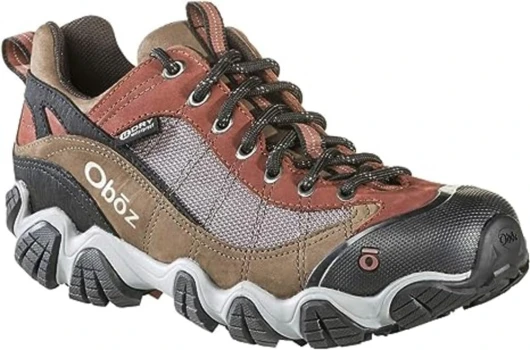
On the trail, the Firebrand II BDry behaves like a proper hiking shoe, not a casual sneaker pretending to be outdoorsy. The grip is strong on dirt, gravel, and rocky sections. That sawtooth outsole digs in nicely on climbs and, more importantly, holds well on descents. I noticed a clear difference compared to more casual shoes when going downhill on loose stuff; there’s less sliding and less need to baby-step your way down. On wet rock, it’s not perfect, but it’s definitely decent, and I didn’t have any scary slips.
The support and stability are good for a low-cut shoe. The nylon shank helps keep the midfoot from bending too much on uneven surfaces, so your arch doesn’t get hammered on long days. Lateral stability is also solid; when you’re side-hilling or walking on sloped terrain, the shoe doesn’t feel like it’s folding under your foot. If you carry a light to moderate pack, this level of support is enough. For very heavy loads, I’d still go for a mid or high-cut boot, but for normal day hikes or lightweight backpacking, this is fine.
The waterproofing is where it really earns its keep if you hike in wet areas. Walking through wet grass, shallow puddles, or muddy sections, the BDry membrane keeps your feet dry. One guy even mentions hosing down the shoes after each day and not worrying about water soaking through, which matches my experience: splashy stuff is okay; full submersion over the collar is obviously game over. Just remember that waterproofing is a double-edged sword: it keeps water out, but it also keeps sweat in more than a non-waterproof shoe. So again, great in wet or variable weather, less ideal in hot, dry climates.
In short, performance-wise, this shoe is built for real trails. It’s not the lightest, but it grips well, supports your foot, and keeps you dry in typical hiking conditions. If your hikes are mostly groomed paths in perfect weather, it might be more shoe than you need. But if you deal with rocks, mud, and unpredictable weather, it’s a reliable piece of kit.
What this shoe actually is (and isn’t)
The Oboz Men’s Firebrand II BDry is basically a low-cut hiking shoe designed for mixed terrain. Think of it as a lighter version of a hiking boot rather than a beefed-up running shoe. It has a tire-inspired sawtooth outsole, a dual-density EVA midsole, a nylon shank for stability, and the BFit Deluxe footbed that Oboz puts in a lot of their models. On top of that, there’s the BDry waterproof membrane, which is their in-house version of Gore-Tex. So the idea is simple: keep your feet dry, give you strong grip, and support your foot when you’re carrying a pack or walking all day.
Weight-wise, at around 12 oz per shoe (for a men’s size around 9–10), it’s not ultralight, but it’s far from a heavy boot. In hand it feels solid, almost overbuilt, which matches what people say about using it on volcanic rock, gravel, and rough trails. The construction is board lasted, which usually means a bit more stiffness underfoot compared to a pure running-style trail shoe. That’s good for stability and long days, less good if you want that super flexible, barefoot-style feeling.
In terms of use, I’d put it in the day hiking / light backpacking / travel category. It’s not a mountaineering boot, and it’s not a minimal shoe. If you mostly walk on pavement and only occasionally hit a park, it’s probably overkill. But if you’re doing 10–30 miles over a few days with a light pack, mixed surfaces, and possible rain or shallow puddles, this is exactly the kind of shoe it’s built for. Several buyers report doing 30 miles in three days or spending weekends on sharp volcanic rock, and that lines up with what it feels like underfoot.
So if you’re wondering what box this shoe ticks: low-cut, waterproof, supportive, built for real trails, not for running. If you want something you can jog in, look at trail runners. If you want something that protects your foot from rocks, roots, and wet conditions while still being wearable all day, this one fits that profile pretty well.
Pros
- Very good support and heel hold for a low-cut hiking shoe
- Durable outsole and upper that handle rough, rocky terrain
- Effective waterproof membrane that keeps feet dry in typical wet conditions
Cons
- Runs small; most people need to size up by half a size
- Runs warm in hot weather due to the waterproof lining
Conclusion
Editor's rating
The Oboz Men’s Firebrand II BDry is a solid, no-nonsense hiking shoe for people who actually get out on rough trails and don’t want to baby their footwear. It’s supportive, the grip is dependable, and the waterproof membrane does its job in rain, mud, and wet grass. The build quality feels trustworthy, from the toe cap to the outsole, and it’s the kind of shoe you can take on a trip without worrying it’ll fall apart halfway through. After long days, your legs might be tired, but your feet stay reasonably happy, which is exactly what you want from a hiking shoe.
It’s not perfect. It runs small, so most people will want to go up half a size. The waterproofing makes it a bit warm in hot climates, and the stock laces could be better. It’s also not the lightest option out there, so if you’re chasing that ultra-light, running-shoe feel, this isn’t it. But for hikers who value durability, support, and real-world protection over shaving a few grams, it’s a strong choice.
I’d recommend this shoe to: day hikers, light backpackers, and travelers who deal with mixed or wet terrain and want one pair they can wear all day. If you live in a hot, dry area and rarely see rain, or you mainly walk on pavement, I’d skip the BDry version and look for something lighter and more breathable. For everyone else who wants a tough, waterproof low hiker that just gets the job done, the Firebrand II BDry is a very decent option.