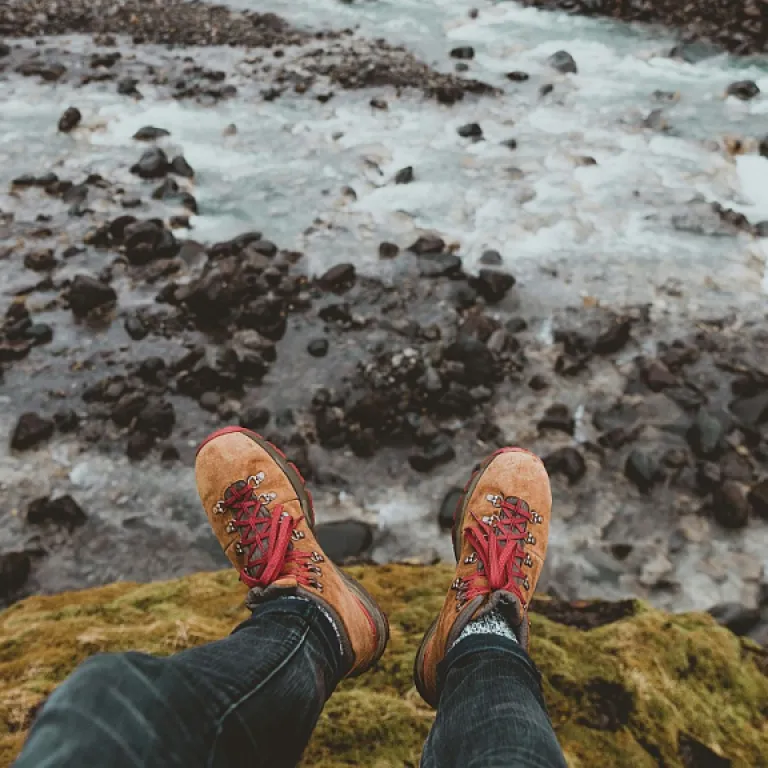

Understanding the unique needs of outdoor enthusiasts and mountaineers
Why Outdoor Enthusiasts and Mountaineers Need Specialized Trail Running Shoes
Every outdoor adventure brings its own set of challenges, whether you’re navigating rocky trails, muddy paths, or steep alpine routes. For experienced hikers, mountaineers, and trail runners, the right shoe isn’t just about comfort—it’s about safety, performance, and endurance. The demands placed on your feet during long days in the wild are far greater than what average running shoes can handle. That’s why choosing trail running shoes designed for rugged terrain is essential.
- Terrain Adaptability: Trails can shift from soft forest floors to sharp scree or slick mud. Trail shoes with advanced outsoles, like Vibram Megagrip, and aggressive lugs offer the traction needed for unpredictable surfaces.
- Fit and Comfort: Wide toe boxes, as seen in models like Altra Lone Peak, allow your toes to splay naturally, reducing fatigue and the risk of blisters. The right width and cushioning help accommodate both average and wide feet, making long distances more manageable.
- Protection and Support: Features such as reinforced toe caps, rock plates, and high-quality cushioning shield your feet from roots, rocks, and debris. Heel-to-toe drop and weight drop are also crucial considerations for stability and running efficiency.
- Durability and Materials: Modern trail running shoes use advanced materials to balance weight, breathability, and protection. Brands like Hoka (with the Speedgoat series) and Saucony Peregrine are known for their robust construction and reliable performance on the best trails.
Whether you shop men’s or women’s trail running shoes, understanding these needs helps you make informed choices. For those who experience wild environments regularly, investing in the right trail shoe can make all the difference between a memorable adventure and a painful one. For a deeper dive into why specialized footwear matters for outdoor enthusiasts and mountaineers, check out this expert analysis on hiking boots for demanding conditions.
Key features to look for in trail running shoes
Essential Elements for Trail Performance
When shopping for trail running shoes, outdoor enthusiasts and mountaineers should focus on features that directly impact comfort, safety, and performance. The right trail shoe can make a significant difference on rugged terrain, steep inclines, and unpredictable weather. Here’s what to look for when you’re at the shop or browsing online:
- Traction and Outsole: Look for aggressive lugs and durable outsoles, such as Vibram Megagrip, to ensure grip on wet, rocky, or muddy trails. Deep lugs provide better traction, especially on technical routes.
- Cushioning and Protection: The level of cushioning varies between models. Shoes like the Hoka Speedgoat offer high cushioning for long distances, while others prioritize ground feel. Consider your average trail length and personal comfort needs.
- Fit and Width: A wide toe box, as found in Altra Lone Peak, allows toes to splay naturally, reducing the risk of blisters and discomfort. Many brands offer trail shoes in different widths for both men and women, so check for options that match your feet’s shape.
- Heel-to-Toe Drop: The drop, or difference in height between the heel and toe, affects running mechanics. Altra shoes are known for zero drop, promoting a natural stride, while others like Saucony Peregrine offer a moderate drop for added support.
- Weight: Lightweight trail runners reduce fatigue on long adventures. However, balance weight with the level of protection and durability you need for your chosen trail.
- Durability and Materials: Modern trail running shoes use advanced materials for breathability, water resistance, and abrasion protection. Reinforced toe caps and robust uppers extend the life of your shoes, especially in rocky environments.
Each of these features should be considered in relation to your typical trail conditions and personal preferences. For a deeper dive into what sets certain hiking footwear apart, check out this resource on why Tecnica hiking boots stand out for outdoor enthusiasts and mountaineers. The right combination of traction, fit, cushioning, and durability will help you experience wild trails with confidence, whether you’re shopping men’s or women’s trail running shoes.
How to match shoes to your hiking environment
Choosing Trail Shoes for Your Terrain
Matching your trail running shoes to your hiking environment is crucial for both comfort and safety. The right pair can make the difference between an enjoyable adventure and a tough day on the trail. Here’s how to align your shoe choice with the terrain you’ll encounter.
- Technical Mountain Trails: For rocky, uneven ground, prioritize trail shoes with aggressive lugs and a sticky outsole like Vibram Megagrip. Models such as the Hoka Speedgoat or Saucony Peregrine offer high traction and stability, helping you stay secure on steep ascents and descents.
- Muddy or Wet Conditions: Look for shoes with deep lugs and quick-draining uppers. A wide toe box helps prevent blisters when your feet swell, and a durable outsole is essential for grip. Altra Lone Peak is a favorite among trail runners for its roomy fit and reliable traction.
- Hardpacked or Dry Trails: On smoother, drier paths, a lighter running shoe with moderate cushioning and less aggressive tread works well. Consider weight drop and heel toe drop for a natural stride. Altra and Hoka offer options with varying drop and cushioning to suit different preferences.
- Mixed Terrain: If your adventures take you across varied surfaces, versatility is key. Choose a trail shoe with balanced cushioning, average weight, and a protective toe cap. The Saucony Peregrine and Hoka Speedgoat are known for handling a range of conditions.
Always consider the width of your feet. Many brands now offer wide options for both men and women, ensuring a comfortable fit even on long runs. When you shop men’s or shop women’s trail shoes, check for width and toe box specifications to avoid discomfort.
Remember, the right trail running shoes can enhance your experience in the wild. For more inspiration on gearing up for your next adventure, check out these thoughtful national parks gift ideas for passionate hikers and mountaineers.
Top materials and technologies in modern trail running shoes
Innovative Materials for Rugged Trails
Modern trail running shoes have evolved to meet the demands of every terrain, from muddy forest paths to rocky alpine routes. The choice of materials directly impacts durability, comfort, and performance. Uppers often feature engineered mesh or ripstop nylon, balancing breathability with abrasion resistance. For those who experience wild, wet conditions, look for shoes with water-repellent coatings or integrated gaiters to keep debris out.
Outsoles and Traction Technologies
Traction is a top priority for trail runners and mountaineers. Outsoles made with Vibram Megagrip rubber are highly regarded for their grip on both wet and dry surfaces. Deep, multi-directional lugs provide bite on loose dirt and mud, while flatter patterns suit hard-packed trails. The Saucony Peregrine and Hoka Speedgoat are standout models, each offering aggressive lug patterns for superior traction. When you shop men or shop women trail shoes, check the outsole design to match your typical terrain.
Cushioning and Heel-to-Toe Drop
Cushioning varies widely among trail running shoes. High-cushion models like the Hoka Speedgoat absorb impact on long descents, while firmer shoes offer better ground feel for technical trails. Heel-to-toe drop—the difference in height between the heel and forefoot—affects your stride. Altra Lone Peak and other Altra models are known for their zero drop, promoting a natural running style. In contrast, shoes with a higher drop can provide extra support for heel strikers. Consider your running style and comfort preferences when choosing the right drop and cushioning.
Fit, Width, and Toe Box Design
Fit is crucial for comfort and injury prevention. Many brands now offer wide options to accommodate different foot shapes. Altra shoes, for example, are celebrated for their roomy toe box, allowing toes to splay naturally on uneven ground. When you shop for trail runners, pay attention to width and try on several models to find the best trail shoe for your feet. Men and women may notice differences in fit, so check for gender-specific sizing when browsing shoes men or shop women categories.
Weight and Protection Features
Weight can make a significant difference over long distances. Lightweight trail shoes help reduce fatigue, but don’t sacrifice protection. Reinforced toe caps, rock plates, and durable overlays shield your feet from roots and sharp rocks. The Altra Lone Peak and Saucony Peregrine are popular choices for their balance of weight, protection, and comfort. Always consider the demands of your trail and personal preferences when selecting your next pair of running shoes.
Common mistakes when choosing trail running shoes
Overlooking the Importance of Fit and Width
One of the most common mistakes when shopping for trail running shoes is ignoring the fit, especially the width and toe box. Outdoor enthusiasts with wide feet often settle for average-width shoes, leading to discomfort and even injury on the trail. It's crucial to try on different models, such as the Altra Lone Peak or Hoka Speedgoat, which offer wider toe boxes and varied widths. Remember, a snug heel and roomy toe area help prevent blisters and black toenails during long runs.
Misjudging Cushioning and Drop
Many runners focus solely on cushioning, overlooking the importance of heel-to-toe drop. The drop, or the difference in height between the heel and toe, affects your running mechanics and comfort. Shoes like Altra offer zero drop, while others like Hoka provide a higher drop. Choosing the wrong drop can lead to discomfort or even injury, especially if you switch abruptly from a high to a low drop shoe. Always consider your running style and previous experience before making a change.
Ignoring Outsole and Traction Needs
Another frequent error is underestimating the importance of outsole design and lugs. Trail shoes with Vibram Megagrip or aggressive lugs, such as those on the Saucony Peregrine, provide superior traction on muddy or rocky terrain. Using a road running shoe or a trail shoe with minimal lugs on technical trails can result in slips and falls. Always match the outsole and traction to your typical trail conditions for the best experience.
Prioritizing Weight Over Protection
While lightweight shoes are appealing for speed, sacrificing protection and durability can be a mistake. Ultra-light trail runners may lack sufficient cushioning or toe protection for rugged trails. Consider the balance between weight, cushioning, and protection based on your adventure. For high-mileage or technical routes, a slightly heavier shoe with reinforced toe caps and robust outsoles may be worth the extra grams.
Neglecting Gender-Specific and Environment-Specific Options
Some shoppers overlook the benefits of choosing shoes designed specifically for men or women. Shop women and shop men categories often feature differences in fit, cushioning, and support. Additionally, failing to match your shoe to your environment—such as opting for a summer shoe in wet, cold conditions—can lead to discomfort and poor performance. Always assess your needs and shop accordingly for the best trail running experience.
Expert tips for maintaining your trail running shoes
Simple Steps to Extend the Life of Your Trail Running Shoes
Keeping your trail running shoes in top condition isn’t just about looks—it’s about performance, safety, and comfort on every trail. Whether you run high alpine routes or stick to average forest paths, regular care makes a difference.- Clean after every run: Mud, grit, and debris can wear down the outsole and lugs. Rinse your shoes with cool water and use a soft brush to remove dirt, especially around the toe box and heel. Avoid harsh detergents, as they can damage the materials and cushioning.
- Dry them properly: Never use direct heat. Instead, stuff your shoes with newspaper or use a shoe-specific dryer. This helps maintain the width and shape, especially for wide or average feet. Wet shoes can break down faster, especially models like the Hoka Speedgoat or Altra Lone Peak.
- Rotate your pairs: If you run often, alternate between two pairs. This allows the midsole and cushioning to recover, preserving the drop and heel-toe structure. It’s especially helpful for those who shop men’s or women’s trail shoes and want to maximize their investment.
- Inspect for wear: Check the outsole, especially if you rely on Vibram Megagrip or similar technologies for traction. Worn lugs or a compressed midsole can affect your grip and stability on technical trails.
- Store correctly: Keep your shoes in a cool, dry place. Avoid leaving them in a hot car or damp garage, as this can warp the toe box and degrade the materials, whether you prefer Altra, Hoka, or Saucony Peregrine models.
When to Replace Your Trail Shoes
Recognizing when your trail runners are past their prime is crucial. Even the best trail running shoes—like the Altra Lone Peak or Hoka Speedgoat—have a lifespan. Most experts recommend replacing them every 300-500 miles, depending on terrain and your running style. Watch for:- Loss of traction or worn-out lugs
- Noticeable drop in cushioning or support
- Visible damage to the upper, toe, or heel
- Persistent discomfort, even after adjusting lacing or width
Quick Tips for Trail Runners
- Use a shoe bag when traveling to keep dirt contained and protect the shoe structure.
- Consider aftermarket insoles if you need extra support or a better fit for wide or average feet.
- For those who shop women’s or men’s trail shoes, always check the manufacturer’s care instructions for specific models like the Saucony Peregrine or Altra Lone Peak.