
Summary
Editor's rating
Value: fair price if you really need Gore-Tex and grip
Design: looks fine, but older Terrex felt more premium
Comfort: good daily wear, but not a couch for your feet
Materials: functional, but you can feel some cost-cutting
Durability: feels sturdy enough, but not indestructible
Performance: waterproof and grippy, which is what matters most
What you actually get with the Terrex AX4 Gore-Tex
Pros
- Reliable Gore-Tex waterproofing that actually keeps feet dry in real rain and puddles
- Continental rubber outsole with strong grip on wet and dry surfaces
- Comfortable enough for day hikes and daily urban use, with true-to-size fit for adidas
Cons
- Less premium feel and simpler design compared to older Terrex models
- Breathability is limited; feet get warm in hot or humid weather
- Basic flat laces and overall “generic” look for the price

Specifications
View full product page →| Brand | adidas |
Waterproof hikers that feel like everyday sneakers
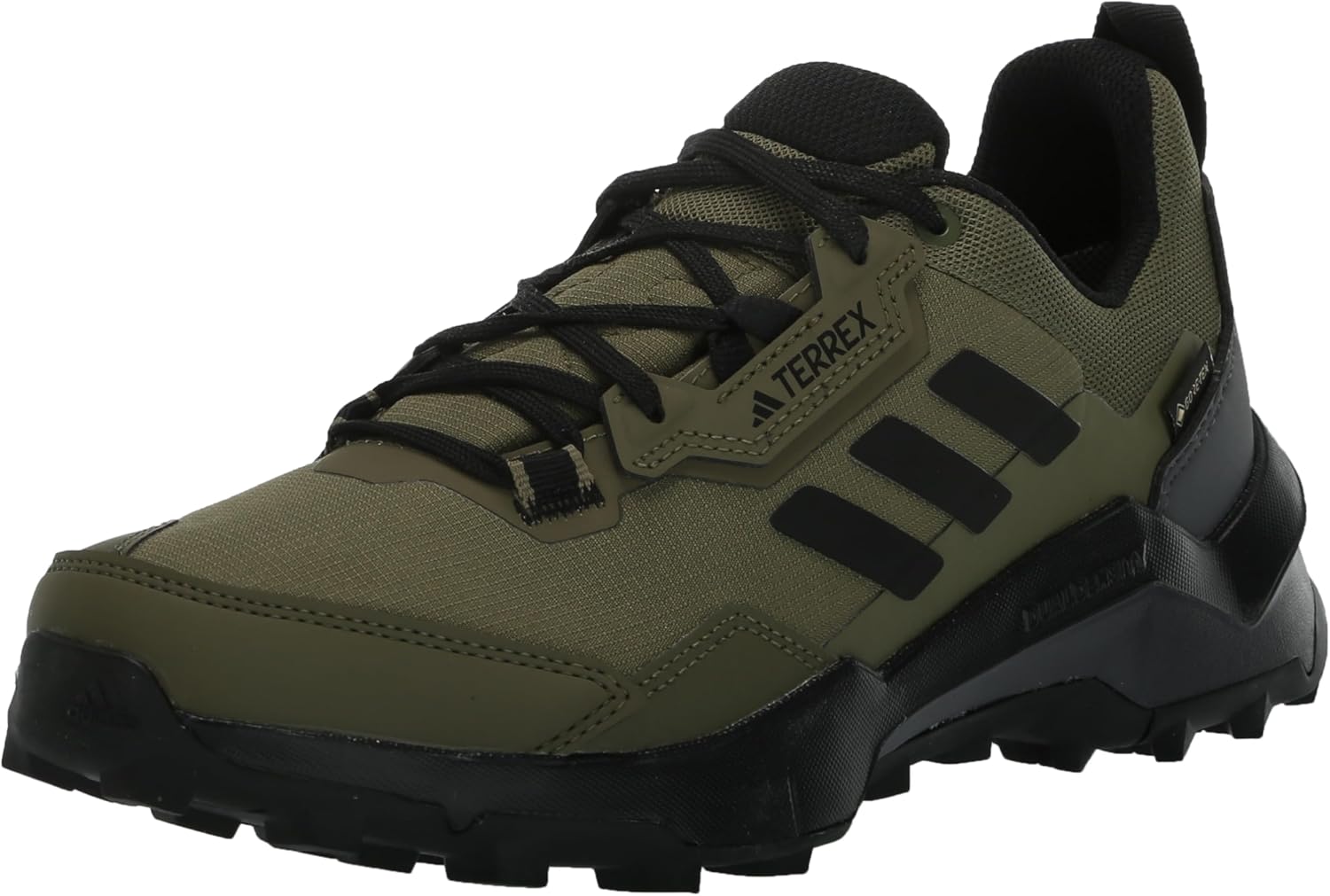
I’ve been using the adidas Terrex AX4 Gore-Tex (men’s, Focus Olive/Core Black/Grey, size 9) as my main pair for mixed use: local trails, rainy city walks, and a couple of muddy weekend hikes. I’m not sponsored, I paid for them myself, and I’m comparing them mostly to older Terrex models and some Salomon and Merrell shoes I’ve owned. I was looking for something that could handle wet trails but still look OK with jeans and not feel like heavy mountaineering boots.
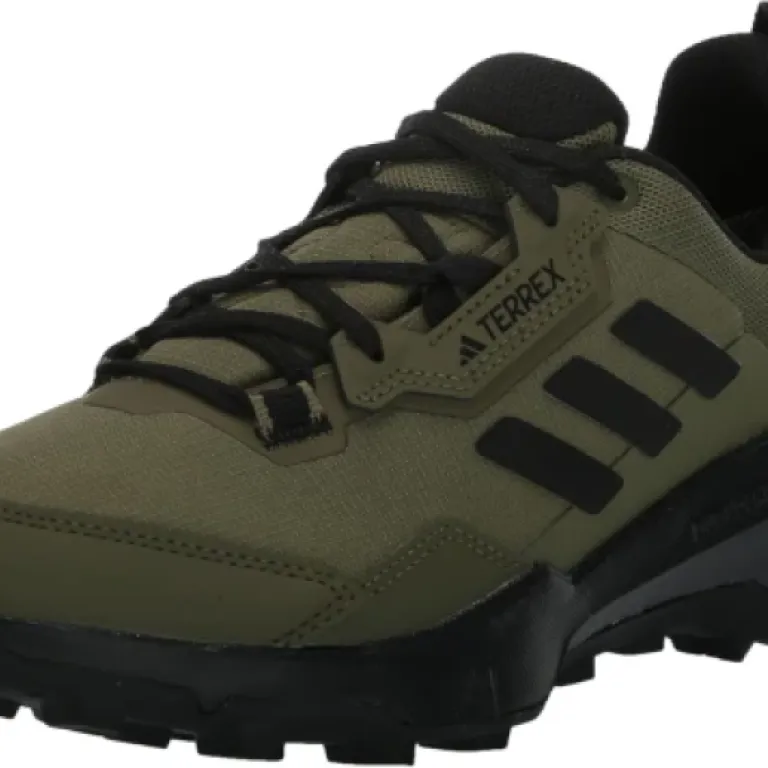
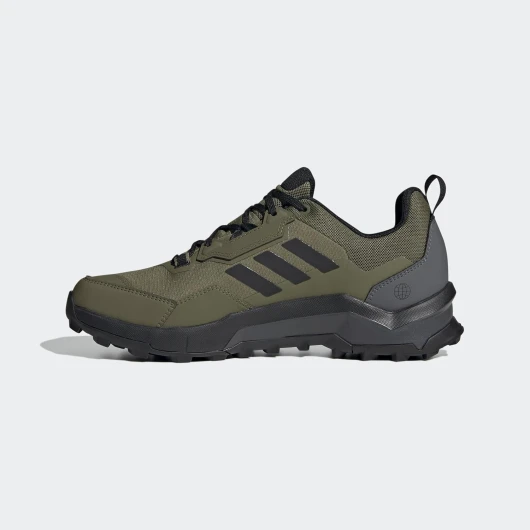
First impression out of the box: they feel more like chunky running shoes than classic hiking boots. They’re fairly light in hand for a Gore-Tex hiker, and the Continental rubber outsole looks serious, with pretty aggressive lugs. The color in real life is a bit more muted than the photos suggest – more of a dark olive/grey mix than a bright outdoorsy green. Not ugly, just low-key.
I’ve worn them in steady rain, on muddy paths, and on wet grass, plus plenty of normal day-to-day walking on pavement. I’d say around 40–50 km total so far. That’s enough to get a feel for comfort, grip, and the usual small annoyances you only notice after a few days, like heel rubbing or weird pressure points. So this isn’t a “brand new out of the box” opinion; it’s after a decent break‑in period.
Overall, they do what they promise: waterproof, good grip, decent comfort. But they’re not perfect. There are a couple of design choices and quality changes compared to older Terrex that bug me a bit, especially if you’ve owned older versions. If you just want a practical waterproof shoe and don’t care about bells and whistles, they’re pretty solid. If you’re picky about details and used to older Terrex builds, you might feel adidas has dialed things back a notch.
Value: fair price if you really need Gore-Tex and grip
On value, I’d say the Terrex AX4 Gore‑Tex sits in a “good but not crazy bargain” spot. You’re paying mainly for three things: the Gore‑Tex waterproof membrane, the Continental outsole, and the adidas brand. If you don’t actually need waterproofing, it’s worth noting there’s a non‑Gore‑Tex AX4 model that’s about $20 cheaper, as one reviewer mentioned. So if you live somewhere mostly dry or hate warm feet, that cheaper version might make more sense.
Compared to other brands, the price is in the same ballpark as mid-range Salomon or Merrell waterproof hikers. Comfort and performance are competitive: grip is strong, waterproofing works, and comfort is decent. Where adidas falls a bit short is the feeling of premium build versus some rivals and versus older Terrex models. It does feel like they’ve shaved off a few details while keeping the price more or less the same. So you’re getting a solid shoe, but not a huge sense of “wow, this is built like a tank.”
For how I used them – regular hikes, rainy dog walks, and city use in bad weather – I feel the value is acceptable. I’m not thrilled, but I don’t feel ripped off either. If they last me a couple of years of mixed use, I’ll be satisfied. If they start falling apart after one hard season, then the value drops fast. Based on early signs though, I think they’ll hold up reasonably well for typical users.
So, if you’re on a tight budget and don’t truly need waterproofing, I’d say either go for the non‑Gore‑Tex version or look for sales. If you do want a reliable waterproof low‑cut hiker with good grip that you can also wear around town, the price is fair for what you get. Not a steal, not a rip‑off – just decent value in today’s market.
Design: looks fine, but older Terrex felt more premium
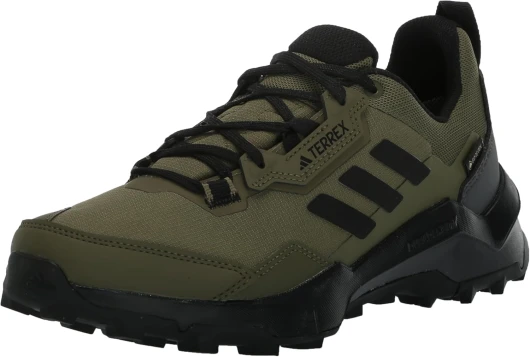
Design-wise, the Terrex AX4 Gore‑Tex is fairly low-key. The Focus Olive/Core Black/Grey colorway is discreet, which I like for city use. It doesn’t scream “I just came down from the mountain.” The small color accents (what looks orange in photos is actually more red, as one Amazon review said) are not too loud. If you want something you can wear with jeans or casual pants without looking like you’re about to hike the Appalachian Trail, this color works.
However, if you’ve owned older Terrex models, especially the ones with the quick‑lace wire system, you’ll probably notice the downgrade in design details. The laces here are just regular flat laces. They work, but they feel a bit cheap and boring compared to the older high-tech closure system. Also, some of the paneling and overlays look simpler, like adidas tried to cut production costs. It doesn’t look bad, just a bit more generic. One Amazon reviewer mentioned the older Chinese-made version looking more “classy” than this Vietnamese-made one, and I kind of get what they mean.
The outsole design is aggressive enough, with deep lugs and the Continental logo clearly visible. Honestly, the sole looks like the most serious part of the shoe. The midsole has that classic adidas sporty vibe – nothing fancy, but it looks like a crossover between a trail runner and a hiking shoe. Branding is fairly restrained: some Terrex logos but not plastered everywhere. The heel pull tab is practical and doesn’t feel flimsy.
Visually, I’d describe the shoe as practical and neutral. It’s not ugly, not really stylish either. It just looks like a modern hiking sneaker. If you care a lot about design flair, you might find it a bit bland. For me, it’s fine: it blends in, and I don’t feel weird wearing it to the grocery store after a hike. But I do miss some of the more technical-looking details from older Terrex models – this feels a bit “dumbed down” aesthetically.
Comfort: good daily wear, but not a couch for your feet
Comfort-wise, I’d put the Terrex AX4 Gore‑Tex in the “pretty solid, not mind-blowing” category. Out of the box, they felt fine – no major hot spots, no weird pressure on the top of the foot. I wore them for a full day of errands in the city right away, around 8–10 km of walking, and my feet were tired but not destroyed. For a hiking shoe with Gore‑Tex, that’s decent. They don’t have that stiff, brick-like feel some cheaper hikers have on day one.
The EVA midsole gives a good level of cushioning for walking and light hiking. It’s not as bouncy as a running shoe, but it absorbs impact well enough on pavement and dirt trails. On rocky paths, you do feel some sharper stones through the sole, but nothing extreme. If you’re planning long days on very rocky terrain, you might want something with a rock plate or a thicker midsole. For normal forest trails, gravel paths, and urban use, the balance is good.
The fit in size 9 was true for me. I could wear medium-thickness hiking socks without feeling cramped. The heel hold was okay after I played a bit with the lacing – at first I had a tiny bit of heel slip, but once I laced them a bit tighter around the ankle, it went away. The tongue is padded enough that you can crank the laces down without cutting off circulation. One downside: because of the Gore‑Tex membrane, breathability is limited. On a warmer, humid day, my feet ran noticeably warmer than in non-Gore‑Tex shoes. It’s the usual trade‑off with waterproof shoes.
Over several outings, I didn’t get blisters, which is a good sign. However, for really long days (over 15–20 km), I’d personally choose something with a bit more arch support and a slightly wider toe box. For average hikes, dog walks in the rain, disc golf (like one reviewer mentioned), and daily use in wet weather, they’re comfortable enough. Not super plush, but they get the job done without drama. If you want that “walking on clouds” feeling, you might be a bit underwhelmed, but as a practical waterproof hiker, they’re fine.
Materials: functional, but you can feel some cost-cutting
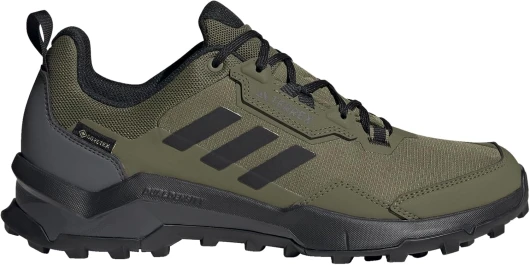
The shoe uses a synthetic upper with overlays, an EVA midsole, Gore‑Tex membrane inside, and a Continental rubber outsole. On paper, that’s a solid combo for a mid-range hiking shoe. In the hand, the upper feels reasonably tough, not paper-thin, but it doesn’t have that rugged, almost armored feel that some leather or higher-end synthetic hikers have. It’s clearly designed to save weight and cost, not to survive ten years of rock abuse.
The Continental rubber on the outsole is the highlight material-wise. It’s grippy on both wet and dry surfaces, and you can actually feel the difference versus generic rubber when you step on wet pavement or smooth rocks. The lugs are deep and spaced enough to shed mud decently. After several muddy and wet outings, the outsole shows very minimal wear, which is reassuring. This is the part of the shoe that feels most “premium.”
Inside, the padding around the ankle and tongue is decent but not plush. The insole is removable and pretty standard – nothing fancy in terms of cushioning tech. I swapped it for a slightly more supportive insole after a week because I like a bit more arch support, but if you’re used to regular sneakers you might find it fine. The Gore‑Tex membrane does its job: water stays out, but as always, that also means the shoe is less breathable than a non-membrane version. On hot days, my feet got a bit warm.
Adidas mentions at least 20% recycled content. That’s good from an environmental angle, but in real use, I couldn’t tell what exactly is recycled. It doesn’t feel cheap, but it also doesn’t feel especially premium. Overall, the materials are functional and aligned with the price bracket, but if you’re used to older Terrex or higher-end hiking shoes, you’ll notice they’ve trimmed some of the nicer touches. For casual and moderate hiking, it’s enough. For serious long-distance trekking or rocky alpine terrain, I’d personally look for something with a tougher upper and more structured build.
Durability: feels sturdy enough, but not indestructible
In terms of durability, I obviously can’t comment on years of use yet, but after several weeks and around 40–50 km, there are some early signs. The outsole still looks almost new, which is a good sign. Continental rubber usually wears well, and I don’t see any rounding of the lugs yet, even after some pavement walking and rougher trails. If you mostly hike on dirt and grass, I expect the sole to last a long time.
The upper shows minor creasing where the foot bends, which is normal. No stitching has popped, and there are no signs of the overlays peeling off yet. The toe bumper has taken a few kicks into rocks and roots without any visible damage. That said, the overall feel of the upper is more “lightweight synthetic” than “tank.” If you’re the kind of person who drags their feet over sharp rocks all day or does a lot of scrambling, I wouldn’t bet on these outlasting a full leather boot.
One thing I do notice compared to older Terrex models: the build feels a bit cheaper. Not terrible, but you can see where they simplified things – fewer fancy materials, more basic laces, a slightly more generic feel. An Amazon reviewer pointed out that the older Chinese-made Terrex felt more premium than this Vietnamese-made version, and I tend to agree. I think they’ll still hold up fine for regular use, but if you were used to the old “overbuilt” vibe, you’ll see the difference.
For the average user – weekend hikes, wet commutes, casual outdoor sports – I think the durability is good enough. The shoe feels like it will easily survive a couple of seasons of normal use. If you’re planning long thru‑hikes or very rough terrain, I’d either baby them a bit or look at something more robust. So: durable for normal life, not a lifetime boot, which is fair given the price and design.
Performance: waterproof and grippy, which is what matters most
Performance is where these shoes make the most sense. Waterproofing is solid. I’ve walked through wet grass, shallow puddles, and steady rain, and my socks stayed dry. One Amazon reviewer said they stood in ankle‑deep water with no issues, and I believe it. I didn’t go quite that deep, but I did stand in a few cm of water for a bit and nothing leaked. For rainy climates or muddy fields, that alone makes them useful.
Grip from the Continental outsole is also a strong point. On wet pavement, they feel more secure than many regular sneakers. On muddy trails, the lugs bite into the ground well, and I didn’t feel like I was skating around. On roots and rocks, they held up fine as long as I didn’t do anything too stupid. Obviously, no shoe is magic on very slimy surfaces, but compared to generic rubber soles, this is clearly better. That matches my experience with other Continental-soled adidas models.
Stability is decent. The shoe has a reasonably wide base, and the midsole isn’t too soft, so you don’t feel like you’re wobbling. There’s enough structure in the heel and midfoot to keep your foot from rolling all over the place on uneven ground. That said, it’s still a low‑cut shoe, so you don’t get any ankle support. If you’re prone to rolling your ankles or you carry a heavy backpack, you might want a mid or high‑cut boot instead.
Where performance is more “OK but not great” is long-distance comfort and breathability. After a few hours of hiking in humid weather, my feet felt warm and a bit swampy inside. That’s the usual Gore‑Tex story: water stays out, but moisture inside doesn’t escape as fast as in non-waterproof shoes. Also, the cushioning is fine for a few hours, but if you push into full‑day hikes regularly, you might feel some fatigue in the forefoot. Overall though, for day hikes, wet weather walks, and outdoor sports like disc golf, the performance is solid and reliable. It does exactly what you buy a waterproof hiking sneaker for.
What you actually get with the Terrex AX4 Gore-Tex
On paper, the adidas Terrex AX4 Gore-Tex is a low-cut hiking shoe with a waterproof membrane, EVA midsole, and Continental rubber outsole. It’s basically meant to sit between a trail running shoe and a light hiking boot. You get normal lace‑up closure (no fancy quick‑lace system), a synthetic upper, and a rubber outsole. Adidas also mentions that the shoe is made with at least 20% recycled content, which is nice, but to be honest I can’t feel any difference in use because of that.
In the hand, the shoe feels fairly compact and not overly bulky. My size 9 doesn’t feel like a brick. If you’re used to heavy leather boots, these will feel light. If you’re used to running shoes, they’ll feel a bit heavier but not crazy. The Gore‑Tex label is clearly there, and the upper feels like the usual synthetic mesh + overlays combo you see on many modern hikers. There’s enough structure around the heel and midfoot so it doesn’t feel floppy, but it’s not super stiff either.
In terms of fit, I’d say they run true to size for adidas. I went with my usual adidas size and can still fit a slightly thicker hiking sock without crushing my toes. The toe box is not wide like Altra, but it’s not super narrow either – I’d call it average. If you have very wide feet, you might want to size up half a size or look for a wide model elsewhere. The heel lock is decent; I didn’t have major heel slip once the laces were dialed in.
Functionally, this model is aimed at people who want one shoe to do a bit of everything: hiking, walking the dog in the rain, maybe disc golf or light trail running, and occasional travel. It’s not a technical alpine shoe, but for forest trails, city parks, and wet sidewalks, it’s more than enough. That’s pretty much how I’ve used it, and it fits that role well. Just keep in mind: it’s a hiking sneaker, not a hardcore mountain boot, and that’s how you should judge it.
Pros
- Reliable Gore-Tex waterproofing that actually keeps feet dry in real rain and puddles
- Continental rubber outsole with strong grip on wet and dry surfaces
- Comfortable enough for day hikes and daily urban use, with true-to-size fit for adidas
Cons
- Less premium feel and simpler design compared to older Terrex models
- Breathability is limited; feet get warm in hot or humid weather
- Basic flat laces and overall “generic” look for the price
Conclusion
Editor's rating
The adidas Terrex AX4 Gore‑Tex is a practical waterproof hiking sneaker that does the basics well: it keeps your feet dry, grips nicely in wet and dry conditions, and is comfortable enough for day hikes and everyday use. The Continental outsole and Gore‑Tex membrane are the main strengths. If you spend a lot of time in wet grass, muddy parks, or rainy city streets, it’s a shoe that actually makes sense and doesn’t feel like overkill.
On the downside, you can clearly feel some cost-cutting versus older Terrex models. The design is a bit bland, the laces are basic, and the overall build feels less premium than before. Breathability is also limited, like with most waterproof shoes, so in warm weather your feet will heat up. It’s not a shoe I’d pick for multi‑day, high‑mileage treks or very rocky terrain – there are more supportive and tougher options for that.
I’d recommend these to people who want one pair that can handle: wet commutes, weekend hikes, disc golf in the rain, and general outdoor stuff without switching shoes all the time. If you’re on technical mountains, doing long-distance trekking, or you’re very picky about premium feel and design details, you’ll probably be happier with a higher-end model or a more robust boot. Overall, solid and functional, but not the kind of shoe that blows you away.