
Summary
Editor's rating
Value: comfort-focused, worth it if you stay in their lane
Design: modern work boot that leans casual
Comfort: the main reason to buy these
Materials: decent leather, lots of synthetic, more comfort than tank
Durability: decent, but not built like a brick
Performance on the job: good for light/medium work, not a tank
What you actually get with these KEEN San Jose boots
Pros
- Very comfortable out of the box with minimal break-in and good cushioning
- Genuine wide fit in 7.5 Wide, with roomy toe box for broader feet
- Waterproof and EH-rated with slip-resistant wedge sole that grips well on most surfaces
Cons
- Soft toe only, not suitable for jobs with high impact or crush risks
- Durability feels moderate rather than heavy-duty for harsh environments

Specifications
View full product page →| Brand | KEEN Utility |
Work boots that feel more like sneakers… kind of
I’ve been wearing the KEEN Utility Men’s San Jose 6" Soft Toe Waterproof Wedge Work Boots (size 7.5 Wide, Cascade Brown/Black) as my main work boots for a bit, mostly on construction-style jobs and general site visits. I’m usually in boots 8–10 hours a day, walking on concrete, plywood, and gravel, and sometimes climbing ladders. So comfort and grip matter more to me than looks or fancy features.
Going in, I picked these because of three things: the wedge sole, the waterproof claim, and the wide fit. I’ve worn Red Wing and Thorogood wedge boots before, plus some cheaper Caterpillar stuff, so I had a decent reference. KEEN is usually more on the hiking shoe side, so I was curious how their work boot version would hold up in real jobsite conditions, not just in a store aisle.
Right away, they felt lighter and more cushioned than my usual leather boots. They don’t have that stiff, brick-like feeling you get from some traditional work boots. But they also don’t feel as bulletproof. These are soft toe and clearly meant for people who want comfort first and heavy protection second. If you’re used to a steel toe tank on your feet, this is a different vibe.
Overall, my first impression after a week was: good comfort, decent build, but not a hardcore industrial boot. The more I wore them, the more that impression held up. They get the job done for lighter to medium work, but there are some trade-offs you should know before dropping the cash, especially around support and long-term durability.
Value: comfort-focused, worth it if you stay in their lane
Price-wise, these KEEN Utility San Jose boots usually sit in the mid to upper range for soft-toe work boots. You’re paying for the brand, the comfort tech (Luftcell midsole), the waterproofing, and the EH rating. If you compare them to budget boots from big-box stores, they cost more. Compared to Red Wing or high-end American-made wedge boots, they’re often cheaper, but those usually aren’t waterproof and feel more old-school.
Where they make sense is if you prioritize comfort and a wide fit and you work in light to medium environments. In that case, the price is easier to swallow because you’re getting a boot that feels good almost right away and doesn’t punish your feet every day. The 4/5 average rating on Amazon lines up with my feeling: people seem to like them, but they’re not perfect, and some folks probably expected something tougher for the money.
If you need serious toe protection or maximum durability, the value drops. You’d be better off spending similar money on a steel toe boot or something more heavily built. Here, you’re basically buying a comfortable, EH-rated, waterproof wedge boot that’s good for a particular type of work. Outside that use case, the price can feel a bit steep for a soft toe with moderate durability.
So, in terms of value, I’d say: good deal if your job matches what these are built for, average if you’re rough on boots or need more protection. There’s better out there for heavy abuse, but for people who walk a lot, stand on hard floors, and want wide, cushioned boots, the money isn’t wasted.
Design: modern work boot that leans casual
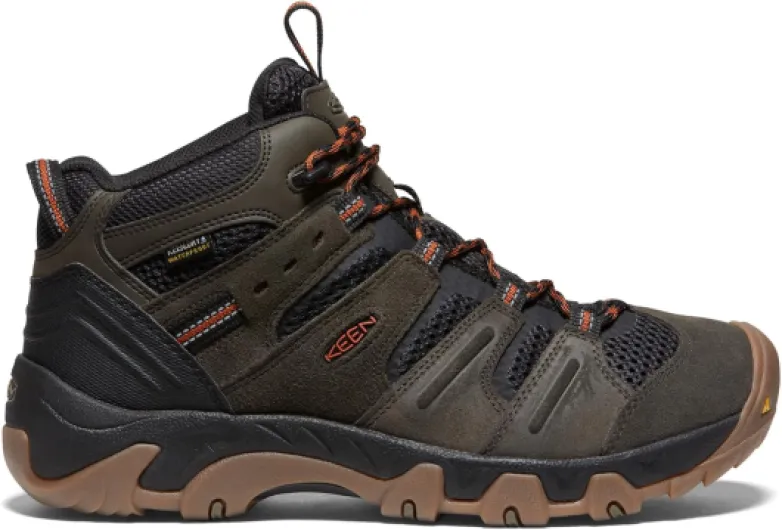
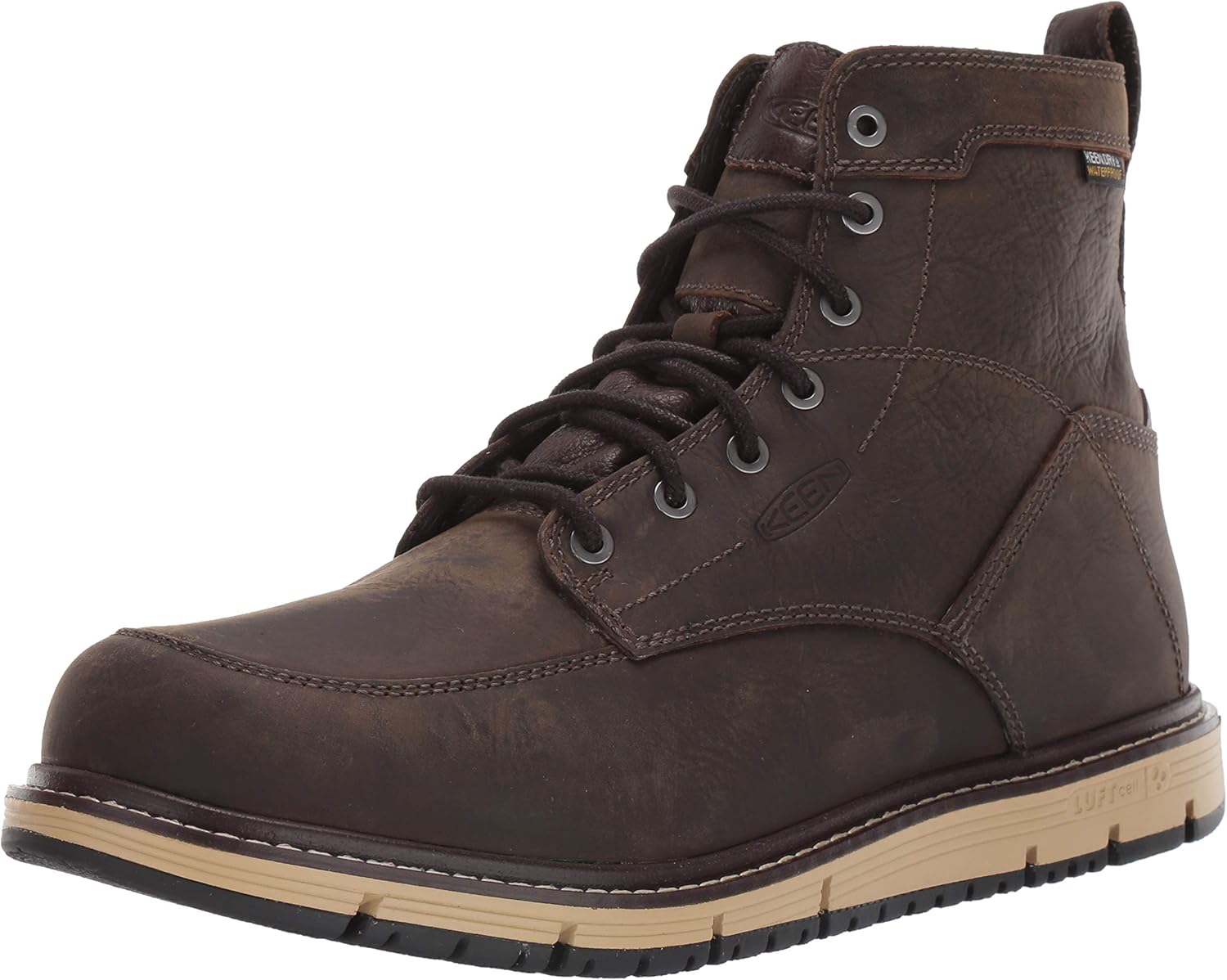
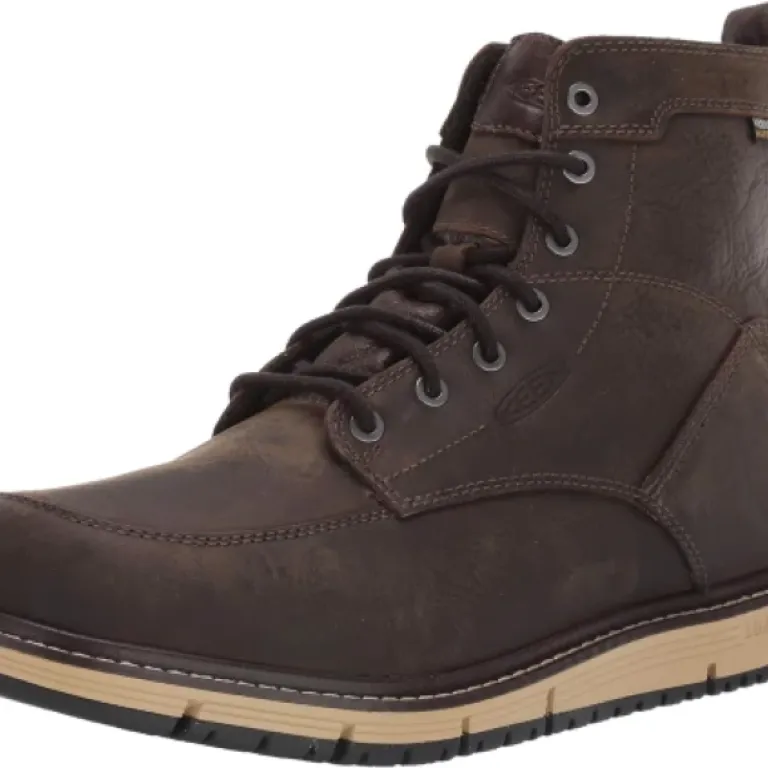
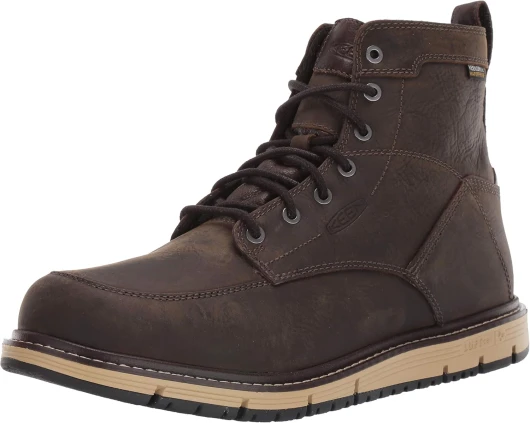
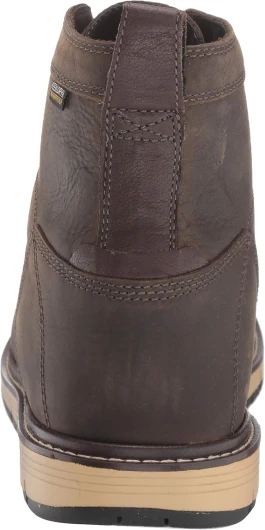
Design-wise, the San Jose sits somewhere between a classic moc-toe wedge boot and a hiking boot. The 6-inch height covers the ankle, but it doesn’t feel overly tall or restrictive. The Cascade Brown leather with black accents on the heel and tongue gives it a slightly more modern look than the typical all-brown leather work boot. If you walk into a hardware store after work, they don’t scream “heavy-duty construction guy” — they look a bit more relaxed.
The wedge sole is the main thing you notice visually. There’s no defined heel, so the bottom is one continuous piece of rubber. That’s good for standing and walking on flat surfaces and for not catching your heel on ladders or floor edges. The outsole has siping (those small cuts in the rubber) which are meant to help with grip on wet surfaces. They’re also non-marking, which is handy if you sometimes work indoors on finished floors.
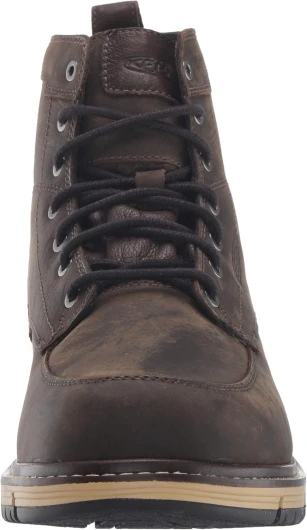
One detail I liked is the overall shape of the toe box. It’s slightly rounded and not pointy, so it doesn’t look dressy. But it’s also not a giant bulb like some safety boots. It looks like a work boot but doesn’t feel clunky. The stitching is neat, and there are no weird glue blobs or loose threads on mine out of the box. Eyelets are standard metal; nothing fancy, but they hold the laces fine.
On the downside, the boot doesn’t have that tank-like, stitched-down look some people expect from serious work footwear. The midsole and outsole give off more of a sneaker-work hybrid vibe. If you’re used to big, rugged boots, these might look a bit too soft or casual to you. Personally, I think the design is practical and low-key, but if you want boots that look tough and heavy-duty, these don’t really give that impression.
Comfort: the main reason to buy these
Comfort is where these boots actually stand out. Out of the box, I had almost no break-in. The leather flexed pretty easily, and the padding around the ankle stopped any hot spots from forming. After the first full 9-hour day on concrete and plywood, my feet were tired but not wrecked, which is more than I can say for some stiffer boots I’ve worn. For a 6-inch leather work boot, these feel closer to a hiking shoe than a traditional work boot.
The Luftcell midsole does most of the work here. You can feel the cushioning under your heel and forefoot, especially when you’re walking all day or standing in one place. It’s not squishy like a running shoe, but it’s soft enough that you don’t feel like you’re standing on a wooden plank. The wedge sole also helps distribute your weight more evenly, so there’s no hard heel edge digging into your foot when you shift your stance. For tasks like walking long hallways, going up and down stairs, or working on finished floors, they feel pretty good.
The wide fit (7.5 Wide) is actually wide. I’ve had “wide” boots that still felt like regular width, but these gave my toes room to spread without my heel sliding around. I didn’t have any rubbing on the little toe, which is usually my first problem point. With a medium-thickness work sock, the fit was snug but not tight. After a few days, the upper relaxed a bit and molded to my foot more, which helped. If you have genuinely narrow feet, you might find these a bit roomy though.
They’re not perfect. After long days on really hard surfaces, I still felt some fatigue in my arches. The nylon shank helps a bit with support, but if you have flat feet or need serious arch support, you’ll probably want to swap in your own insoles. Also, because they’re padded and waterproof, they can get a bit warm in hotter weather. Not unbearable, but definitely warmer than a non-waterproof, unlined leather boot. Overall, though, if comfort is your main concern and you want a boot that doesn’t take two weeks to break in, these do a pretty solid job.
Materials: decent leather, lots of synthetic, more comfort than tank
According to KEEN, the upper uses environmentally preferred premium leather from an LWG-certified tannery, along with 100% textile and synthetic materials. In hand, the leather feels decent but not super thick. It’s more flexible right away, which helps with break-in, but also makes you wonder how it will look after a year of abuse. After some regular use, mine picked up creases and scuffs fairly quickly, but nothing out of the ordinary for this type of boot.
The inside has a lot of synthetic lining and padding. Around the ankle and tongue, it almost feels like a hiking boot or a heavier sneaker. That’s nice for comfort, especially if you wear low socks sometimes, because you don’t get that raw leather rubbing. But it also means it doesn’t have that tough, all-leather interior you find in some more expensive, old-school work boots. The lining will probably wear faster in high-friction areas over time.
The Luftcell midsole is basically a cushioned, air-infused foam layer. It definitely softens the feel underfoot compared to a simple rubber sole. You can feel it especially when you step on small pebbles or uneven ground — they don’t poke through as much. Under that, you’ve got the rubber outsole, which is rated oil- and slip-resistant and meets ASTM traction standards. The rubber itself feels grippy but not super hard, which again tells me it’s made more for comfort and grip than for extreme long-term wear in harsh conditions.
Overall, the materials are pretty solid for a comfort-focused work boot, but they’re not overbuilt. If you’re comparing this to a heavy leather boot with a thick welt and minimal synthetic padding, this one is clearly more modern and lighter, but also feels a bit less tough. If your work is more about walking, climbing, and being on your feet all day rather than dragging your boots through rubble and sharp metal, the material choices make sense. If you punish your boots daily, you might want something beefier.
Durability: decent, but not built like a brick
Durability is where you can tell these boots are aimed more at comfort and moderate use rather than hardcore abuse. After steady use, the leather picked up creases and surface scuffs, which is normal, but it also started to show a slightly worn look faster than some thicker leather boots I’ve had. Nothing catastrophic, just more “used” looking in a shorter time. Regular cleaning and a bit of conditioner help, but don’t expect them to age like a heavy heritage boot.
The outsole wear has been reasonable so far. The wedge rubber is grippy, but that usually means it’s a bit softer. On concrete and rough surfaces, you’ll see the tread edges rounding off with time. I didn’t see chunks peeling or anything like that, but I wouldn’t be shocked if someone who works on abrasive surfaces all day burns through the sole faster than a harder, less cushioned boot. The good news is that while they last, they stay comfortable; the bad news is they might not be your multi-year, daily abuse pair.
Inside, the lining and padding have held up okay in the short term. No rips or major flattening right away, but synthetic padding always compresses eventually. The heel area, where socks rub the most, is usually the first place to go in boots like this. I didn’t see damage in the early stage, but based on experience with similar designs, I wouldn’t count on the lining looking fresh after a year of hard daily use.
So overall, I’d call the durability good enough for regular, lighter-duty work, but not outstanding. If you rotate boots or your job isn’t brutal on footwear, these should last a fair while. If you’re the type who destroys boots in under a year, these probably won’t magically survive longer. They’re built more like a tough sneaker-boot hybrid than a traditional, overbuilt work boot.
Performance on the job: good for light/medium work, not a tank
In day-to-day use, these boots handle walking, standing, and light climbing without any drama. The wedge sole grips well on dry concrete and dusty floors. On slightly wet surfaces, like a shop floor with some water or light oil, the oil- and slip-resistant rubber does its job. I didn’t have any scary slips, even when moving a bit faster or carrying stuff. The traction standards (ASTM F1677-96 and F2913 SATRA) aren’t just marketing fluff; you can feel the grip in real use.
The waterproofing is decent. I walked through wet grass, shallow puddles, and worked outside during light rain, and my feet stayed dry. I didn’t fully submerge them or stand in deep water, but for usual jobsite wetness — damp ground, small puddles, wet sidewalks — they held up fine. Just keep in mind: waterproof + padded lining = warmer feet. In cooler weather, that’s nice. In summer, it can feel a bit stuffy after several hours.
Where they show their limits is in heavy-duty abuse. The soft toe gives you some protection from bumps and minor hits, but if your job involves real impact risks, these are not what you want. There’s no steel or composite toe, so they’re more about comfort and light protection than serious safety. Also, the leather and sole don’t feel like they’re made for constant contact with sharp edges, hot surfaces, or rough concrete all day, every day. They’ll survive, but you’ll see wear faster than on a heavier, more industrial boot.
For roles like maintenance tech, warehouse, electrician, HVAC, or general light construction where you’re moving a lot but not smashing your feet into stuff constantly, they get the job done. If you’re on rebar all day, in mud up to your ankles, or in environments with heavy falling objects, I’d say these are a bit under-gunned. They perform well in their lane, but they definitely have a lane.
What you actually get with these KEEN San Jose boots
On paper, these boots tick a lot of boxes. You get a 6-inch shaft, a soft toe that meets ASTM F2892 EH standards, waterproofing, a wedge rubber sole that’s oil- and slip-resistant, and KEEN’s Luftcell air-infused midsole. There’s also a nylon shank inside for support and they’re rated for electrical hazard (EH), so they’re fine for basic electrical safety requirements on most sites.
In practice, this means they’re aimed at trades where you move a lot but aren’t constantly kicking rebar or having heavy stuff dropped on your toes. Think: electricians, finish carpenters, maintenance techs, warehouse work, light construction. If you’re a heavy demolition guy or work in steel yards, the soft toe alone is already a red flag. The EH rating is nice, but it’s not a magic shield; it’s just a secondary protection if you hit a live wire by mistake.
The pair I used was the Cascade Brown/Black color in 7.5 Wide. The wide sizing is legit — it’s not just a label. My forefoot had room without feeling sloppy, and the boot didn’t pinch my toes like some standard-width boots do. The overall look is more casual/work-sneaker hybrid than classic heritage work boot. The wedge sole and the black accents make it look a bit more modern and less old-school.
So, from a pure spec and first-look perspective, it’s a pretty solid all-rounder for people who want comfort, EH protection, and waterproofing, and who aren’t required to have a safety toe. But just reading the specs makes it sound tougher than it actually feels in hand. Once you start wearing them, you realize they’re more about comfort and convenience than about taking serious abuse day after day.
Pros
- Very comfortable out of the box with minimal break-in and good cushioning
- Genuine wide fit in 7.5 Wide, with roomy toe box for broader feet
- Waterproof and EH-rated with slip-resistant wedge sole that grips well on most surfaces
Cons
- Soft toe only, not suitable for jobs with high impact or crush risks
- Durability feels moderate rather than heavy-duty for harsh environments
Conclusion
Editor's rating
The KEEN Utility San Jose 6" Soft Toe Waterproof Wedge Work Boots are basically comfort-first work boots with enough safety features to be legit on most light to medium jobsites. The best thing about them is how they feel on your feet: minimal break-in, solid cushioning from the Luftcell midsole, and a real wide fit that doesn’t crush your toes. Add in decent waterproofing and slip-resistant wedge soles, and you get a boot that works well for electricians, maintenance techs, warehouse workers, and lighter construction roles.
They’re not perfect though. The soft toe means they’re not for heavy impact environments, and the overall build feels more like a tough sneaker-boot hybrid than a true tank of a work boot. Durability is fine for normal use but not outstanding if you’re really hard on your footwear. For the price, they make the most sense if you care more about daily comfort and wide sizing than about having the most rugged boot on the site. If you want something that can take serious abuse or you need a safety toe, you should probably look elsewhere.