
Summary
Editor's rating
Value: fair price for what you get, but not a bargain bin steal
Design: classic hiking boot, slightly on the chunky side
Comfort: good once broken in, but mind the sizing
Materials: tough leather, decent lining, nothing fancy inside
Durability: built to last, with normal wear on the soles
Performance: waterproof and grippy, built for real-world use
What you actually get out of the box
Pros
- Genuinely waterproof in regular rain, wet grass, and shallow puddles
- Durable leather and solid stitching that hold up to daily use
- Comfortable padding and decent cushioning for long walks once broken in
Cons
- Fit runs a bit snug; may need to size up, especially with thick socks
- Not the lightest or most breathable option compared to more technical hiking shoes

Specifications
View full product page →| Brand | Timberland |
Waterproof boots you can actually wear every day
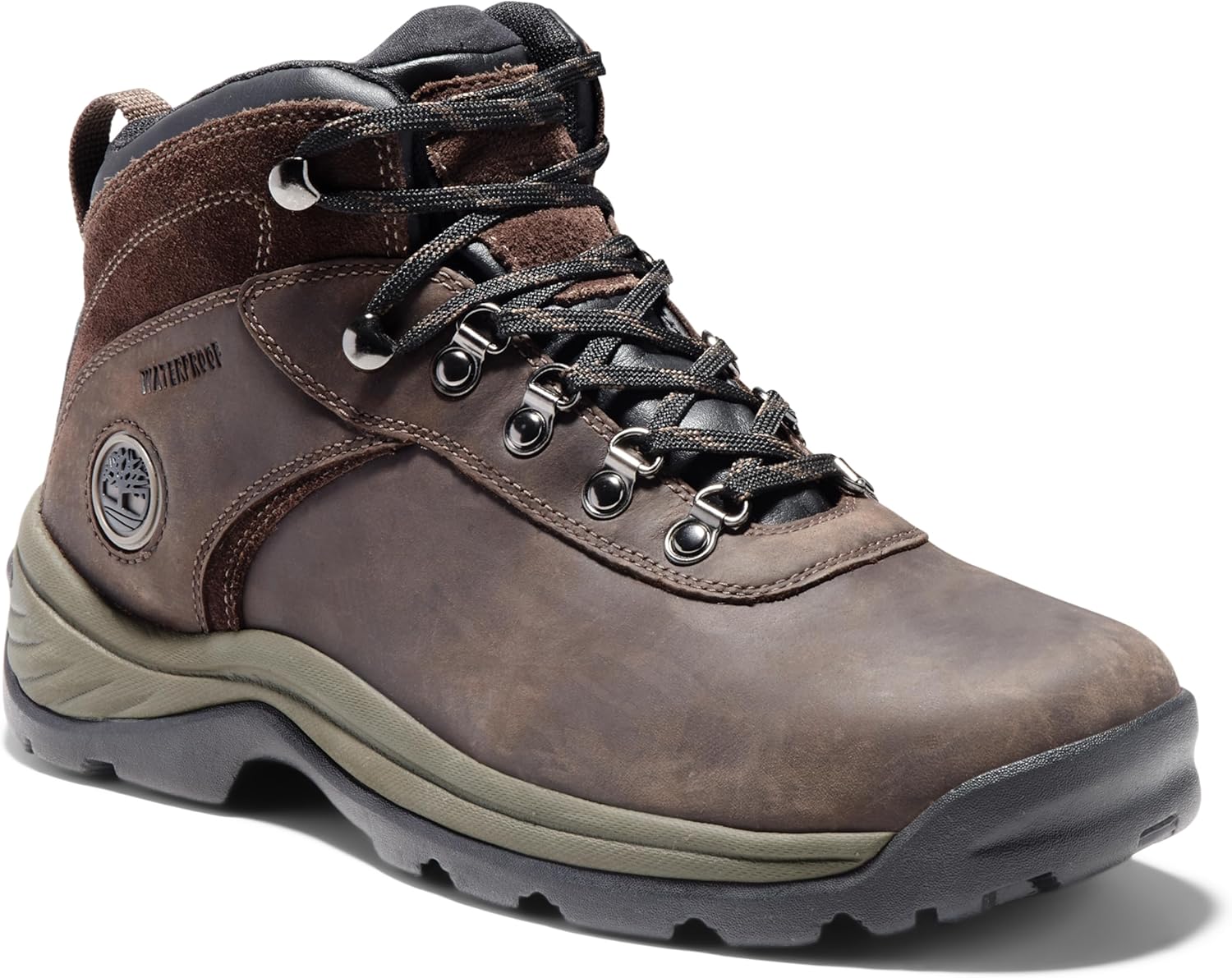
I’ve been wearing the Timberland Flume Mid WP in size 10.5 UK, dark brown, as my main everyday and hiking boot for a while now. Not a weekend-only thing – I mean commuting, walking the dog, muddy trails, random rainy days in town. I bought them because I wanted something that looked like a normal boot but could handle proper wet weather and long walks without killing my feet.
On paper, Timberland sells them as a waterproof hiking boot with a leather upper, EVA footbed, and a rubber outsole with their B.S.F.P. traction system. In real life, what matters is: do they keep your feet dry, do they stay comfortable after a few hours, and do they fall apart quickly or not. That’s what I focused on while using them almost daily.
My usual shoe size is 10.5 UK in most trainers and casual shoes, and I’ve worn similar boots from Quechua and Merrell before, so I have a decent baseline to compare. I didn’t baby these – I used them in rain, on wet grass, gravel paths, and also just as normal work shoes when I didn’t want to think too much about the weather.
Overall, they’re pretty solid, with a few quirks. They do the job on waterproofing and comfort, but they’re not perfect. If you’re expecting some ultra-technical mountain boot, that’s not what this is. Think more: tough everyday boot that can handle hikes and bad weather without fuss. I’ll break down what worked for me and what annoyed me a bit.
Value: fair price for what you get, but not a bargain bin steal
On value, I’d say the Timberland Flume Mid WP sits in the "good but not crazy cheap" zone. You’re paying for a branded leather waterproof boot with decent build quality and solid comfort, and that’s pretty much what you get. Compared to cheaper no-name boots I’ve tried, these feel more solid and last longer, especially in the sole and the stitching. So if you’ve had boots that fall apart after one wet season, these justify the extra cost.
Versatility helps the value too. You can use them as your daily winter/rain boot and also for proper hikes, so you’re not buying two separate pairs. They look fine with jeans and casual trousers, so they don’t feel like a once-a-month hiking-only shoe. That makes the cost easier to swallow, because you’re actually using them a lot, not just for the occasional weekend trip.
That said, there are alternatives. Some hiking brands (like Quechua/Decathlon) offer cheaper boots that are also waterproof and comfy, though often with more synthetic materials and less leather. If your budget is tight and you don’t care about leather or the Timberland name, you can find options that are lighter and cheaper. On the other hand, if you look at more technical brands (Salomon, Scarpa, etc.), you can easily pay more and get better breathability and lighter weight, but you’ll also spend more money.
So value-wise, I’d call these a solid mid-range choice. Not a steal, not overpriced, just reasonable for what they deliver: waterproofing that actually works, materials that feel durable, and comfort that holds up on long walks. If you want one do-it-all boot for autumn and wet conditions, and you like leather, the price makes sense. If you only hike rarely and mostly stay in the city, you might be fine with something cheaper and lighter.
Design: classic hiking boot, slightly on the chunky side
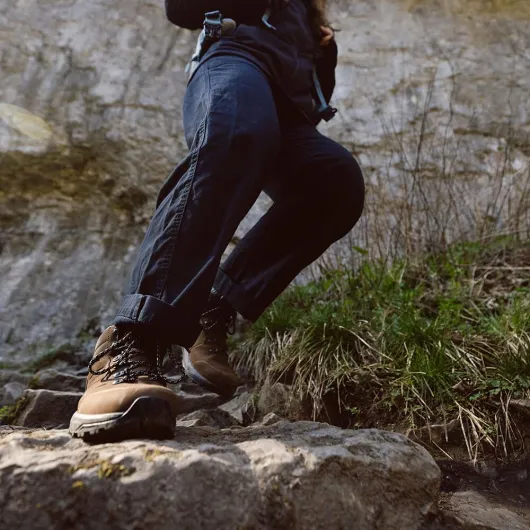
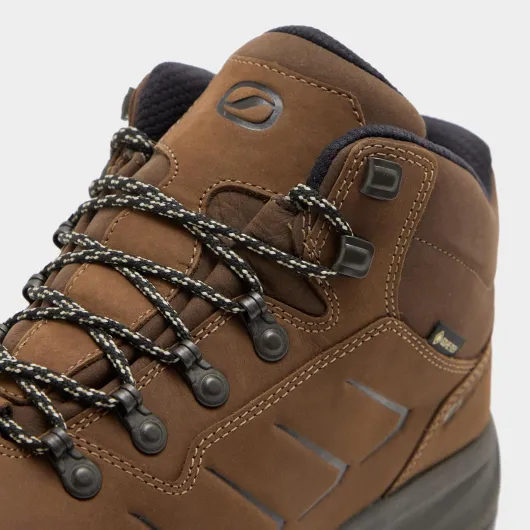
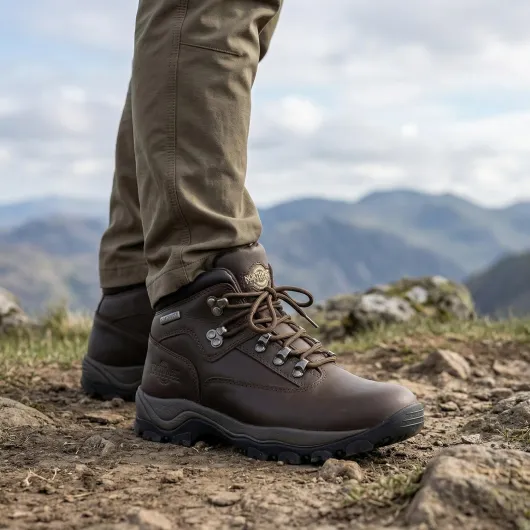
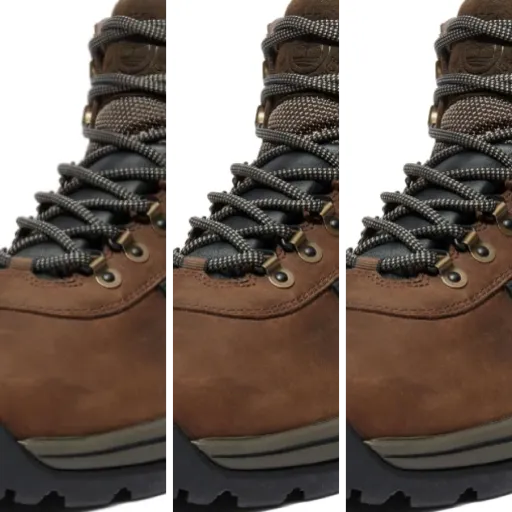
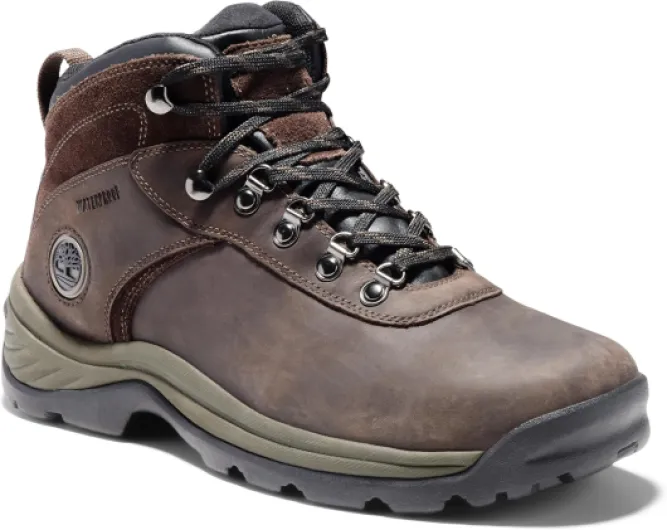
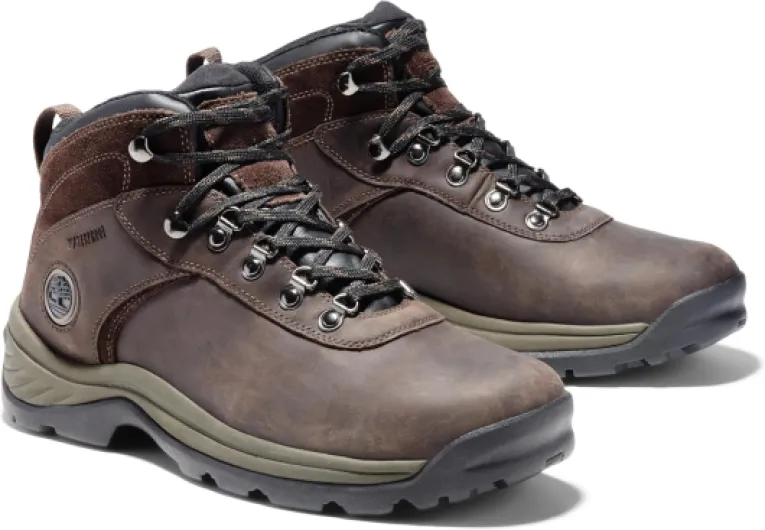
Design-wise, the Flume Mid WP is very much a no-nonsense hiking boot. Dark brown leather, black rubber sole, simple stitching, and a padded collar. Nothing flashy. If you like clean, practical gear, you’ll probably be fine with it. If you’re after something sleek you can wear with dress trousers, this is not that. On my foot, they look slightly chunky, but not clownish – just clearly a boot made for the outdoors.
The ankle height is well judged: high enough to give some support and keep water and debris out, but not so high that it digs into your calf. The padded collar and gusseted tongue help with comfort and also with keeping water and dirt from sneaking in. The tongue is sewn up pretty high, so you can step in shallow puddles or wet grass without worrying too much, as long as you don’t go over the laces.
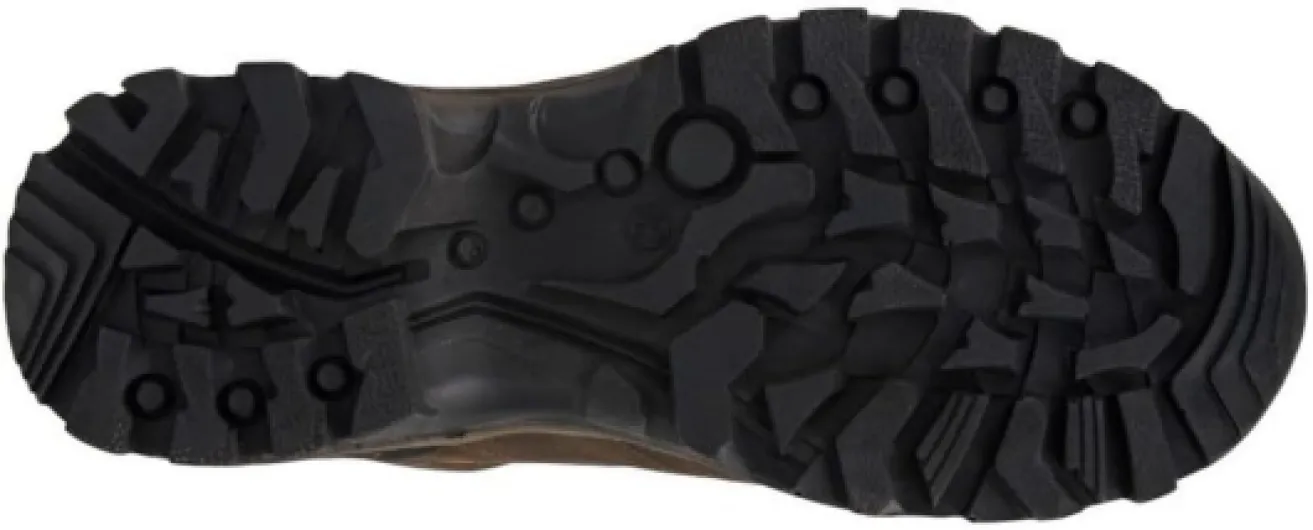
The tread pattern on the rubber outsole is fairly aggressive: deep lugs, with a pattern that’s supposed to help with braking, support, flex, and propulsion (their B.S.F.P. thing). In practice, I just noticed that it grips well on wet pavement and dirt, and it doesn’t clog too badly with mud. The sole is a bit on the stiff side at first, but there’s enough flex at the forefoot so walking doesn’t feel robotic. After a week or so, the flex felt more natural.
One thing I did notice is that the overall look is more "hiking boot" than "urban boot". With jeans or cargo trousers, they look fine. With slimmer chinos, they start to look a bit bulky. So from a design perspective, I’d say they’re aimed at people who actually walk and hike, not just want the outdoor look. Not stylish in a trendy way, but they look tough and purposeful, which might be exactly what you want if you’re tired of fragile fashion boots.
Comfort: good once broken in, but mind the sizing
Comfort was one of my main reasons for picking these, and overall they do a good job, with a couple of caveats. Out of the box, the padding around the ankle and tongue feels great. There’s no harsh rubbing at the top of the boot, and the gusseted tongue spreads the pressure from the laces nicely. I wore them for a full day right away, and while they felt a bit stiff in the sole, I didn’t get any major hot spots or blisters, which is already a win for a leather hiking boot.
The EVA footbed gives decent cushioning. It’s not ultra-plush like some running shoes, but for long walks on mixed terrain (pavement, gravel, dirt paths), my feet felt fine at the end of the day. After a few weeks, the insole did compress slightly under the heel, but not in a bad way – more like it molded a bit to my foot. If you need serious arch support, you might want to swap in your own insole, but for my average feet, the stock one did the job.
About sizing: this is important. I’m usually a 10.5 UK, and these fit fairly snug out of the box with medium-thickness socks. I’d say they lean a touch on the small side, which lines up with that Amazon review saying "Too small sent back". If you’re between sizes or plan to wear thick hiking socks, I’d seriously consider going half a size up. Once I switched to slightly thinner socks, the fit was fine, but I wouldn’t want them any tighter for long hikes.
Breathability is okay for a waterproof leather boot. On cooler days and rainy weather, they’re great. On warmer days, you do feel the heat buildup after a few hours, but not to the point where my feet were soaked in sweat. So comfort-wise, they’re solid daily boots if you get the sizing right and give them a few days to break in. Not slipper-level soft, but for something this durable and waterproof, I was pretty happy with how they felt after the first week.
Materials: tough leather, decent lining, nothing fancy inside
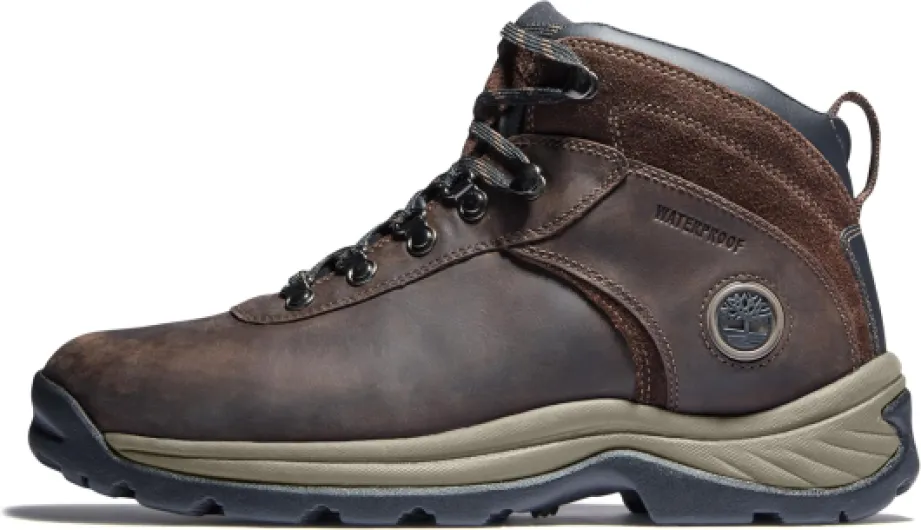
The upper is made from Timberland leather, and it feels thick and fairly tough right out of the box. It’s not super soft at first, but that’s normal for a boot meant for trails. After a couple of weeks, the leather started to loosen up and form some creases, and it actually looked better with a bit of wear. It doesn’t scratch too easily, and when it does, a bit of leather conditioner tones it down. For the price range, the leather quality feels pretty good – not luxury, but definitely not cheap plastic-feeling stuff.
Inside, you’ve got a mesh and fabric lining, plus an EVA insole. The mesh lining is there for breathability, and it does help a bit: my feet didn’t feel like they were in a sauna, even on longer walks. It’s still a waterproof leather boot, so don’t expect the airflow of a running shoe, but I never had crazy sweating or bad smells, and that’s with daily wear. The insole is removable, which is nice if you want to swap in your own orthotics or a thicker insole.
The sole is rubber, and it feels durable. It has a firm feel underfoot with enough cushioning from the EVA midsole to stop your feet from feeling every stone. The stitching and glue between the upper and the sole look clean; I didn’t see any gaps or loose threads after a few weeks. The eyelets are metal and firmly attached – no bending, no pulling out when I yank the laces tight.
Overall, the materials are solid and practical rather than premium or fancy. Leather that can take a beating, a lining that keeps things reasonably dry and fresh, and a sole that feels like it’ll last a good while. If you’ve worn cheaper supermarket boots before, this feels like a clear step up in build. If you’re used to high-end mountaineering brands, this will feel more basic, but then the price reflects that. For normal hiking and daily use, I think the material choice makes sense.
Durability: built to last, with normal wear on the soles
Durability so far is pretty reassuring. The leather upper has handled scuffs, rain, and mud without any drama. I’ve scraped them on rocks, bumped them on steps, and worn them in the rain multiple times. Apart from a few cosmetic marks, which you’d expect, there’s no cracking or weird discoloration. A quick wipe and a bit of conditioner now and then keeps them looking decent. They don’t look brand new anymore, but they look like boots that are being used properly, not like they’re falling apart.
The stitching around the toe and sides is still intact, with no fraying or loose threads. The join between the upper and the sole hasn’t opened up anywhere, which is something I’ve had happen on cheaper boots within a couple of months. The eyelets are still solid and not bending, even though I tend to pull the laces tight. The padded collar hasn’t collapsed or gone flat either, which is a good sign for long-term comfort.
The soles show some normal wear on the heel after regular use, but nothing alarming. The Amazon review mentioning "months with daily use and hardly any wear to the heels" matches what I see – the rubber seems tough. The lugs haven’t rounded off too much yet, and the grip feels the same as when they were new. I’d expect the sole to last at least a couple of years of regular use, maybe more if you’re mostly on softer ground rather than pavement.
Overall, they give the impression of being built to handle a few seasons of real use, not just occasional Sunday walks. They’re not indestructible, but for the price and what they’re meant for, the durability is one of the strong points. If you’re tired of boots that blow out at the toe or split at the sole after one winter, these feel like a safer bet. Just do the basics – clean off mud once in a while, maybe condition the leather – and they should keep going for a good while.
Performance: waterproof and grippy, built for real-world use
Performance is where these boots justify their existence. Waterproofing first: I walked through wet grass, shallow puddles, and steady rain, and my feet stayed dry every time. The seam-sealed construction seems to do its job. I didn’t baby them with spray right away either – I only added a bit of waterproofing spray after a couple of weeks, and even before that, no leaks. As long as you don’t dunk them over the top of the tongue, they cope well with typical British-style wet conditions.
Grip is also solid. On wet pavement, I didn’t feel like I was skating, and on muddy paths, the lugs bit into the ground pretty well. It’s not some ultra-aggressive mountaineering sole, but for normal hiking trails, forest paths, and city use, I had no issues. Going downhill on loose gravel, they felt secure enough that I didn’t have to constantly think about my footing. That B.S.F.P. marketing stuff basically translates to a sole that flexes in the right place and doesn’t feel like a stiff plank.
Support-wise, the ankle height and structure help keep your foot stable. I wouldn’t call it a hardcore support boot for people with serious ankle problems, but for average users like me, it gives enough structure so you don’t feel wobbly on uneven ground. I did a couple of 10–15 km walks in them, and my feet were tired in the normal way, not wrecked or sore in weird spots.
In daily life, they’re quite practical: you can go from pavement to park to muddy shortcut without thinking, and they clean up easily with a damp cloth. So in terms of performance, they do exactly what you expect from a mid-range Timberland hiking boot: keep you dry, give you grip, and put up with abuse. Nothing mind-blowing, but consistently reliable, which is what I actually care about in this kind of boot.
What you actually get out of the box
Out of the box, the Timberland Flume Mid WP looks like a straightforward hiking boot: mid height, dark brown leather, solid rubber sole, and classic lace-up design. No fancy colors or weird patterns, just a standard outdoor boot look. If you’re fine wearing something that looks like a hiking boot to the office or around town, these blend in okay, especially in dark brown. They’re not stylish in a fashion sense, but they don’t look cheap either.
Weight-wise, they’re not feather-light, but they’re not bricks. The spec says around 1.36 kg for the pair, and that matches the feel: you know you’re wearing boots, but they don’t drag your feet down. For context, compared to my older Quechua hiking boots, these feel slightly heavier but more solid. The padding around the ankle and tongue is noticeable as soon as you put them on – it gives a cushioned feel right away, not that stiff, painful first-day boot thing.
The laces are basic but decent: round, not too stretchy, and they stay tied all day if you double knot. The eyelets are metal and feel robust; I didn’t have any bending or weird noises when tightening them. There’s no fancy quick-lace system, just standard holes and hooks, which I actually prefer because it’s simple and easy to replace if needed. The boot height is ankle-high, so you get some support without it feeling like a ski boot.
In short, the presentation is straightforward and practical. No premium unboxing vibe, no extra accessories, just the boots in a cardboard box. If you’re expecting some fancy packaging or special included insoles, forget it. But if you just want a pair of waterproof leather boots that look like they’re ready for mud and rain, this fits the bill. It’s the kind of product where you look at it and immediately understand what it’s made for: outdoor use and everyday rough treatment.
Pros
- Genuinely waterproof in regular rain, wet grass, and shallow puddles
- Durable leather and solid stitching that hold up to daily use
- Comfortable padding and decent cushioning for long walks once broken in
Cons
- Fit runs a bit snug; may need to size up, especially with thick socks
- Not the lightest or most breathable option compared to more technical hiking shoes
Conclusion
Editor's rating
The Timberland Flume Mid WP is a solid everyday and hiking boot if you want something waterproof, leather, and tough enough to handle real-world use. It keeps your feet dry in rain and wet grass, grips well on most surfaces, and feels comfortable enough for long walks once you’ve broken them in. The build quality and durability are clearly above the cheap supermarket stuff, and the dark brown leather look works fine with casual clothes as well as on the trail.
They’re not perfect. The fit runs a bit on the snug side, so you may need to size up if you like thick socks. They’re also not the lightest or most breathable boots out there, so if you hike mostly in hot weather or want something very sporty, there are better options. But for autumn, winter, and wet conditions, they do the job without fuss, and they feel like they’ll last several seasons if you look after the leather a bit.
If you’re someone who walks a lot, spends time outdoors, and wants one boot that can handle commuting, dog walks, and weekend hikes, the Flume Mid WP is a pretty solid choice for the money. If you’re mainly in dry, warm conditions or you’re chasing super-light technical gear, you can skip these and look for a more specialized hiking shoe. For everyone else who just wants a reliable waterproof leather boot that doesn’t fall apart quickly, these are worth considering.