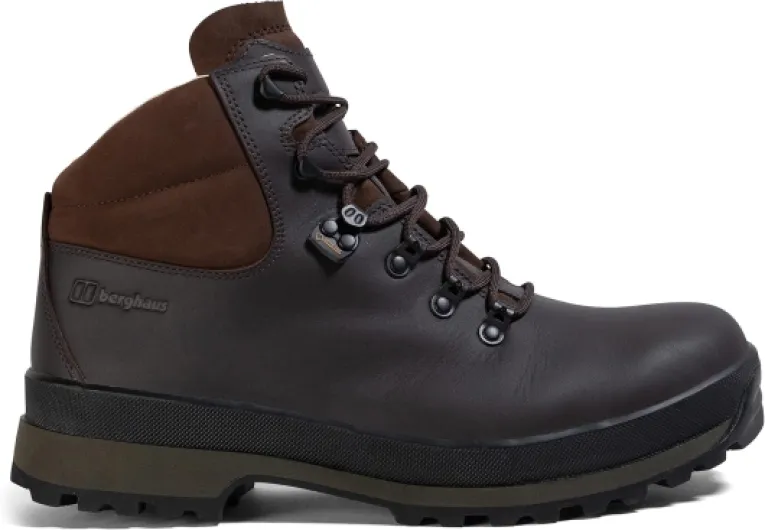
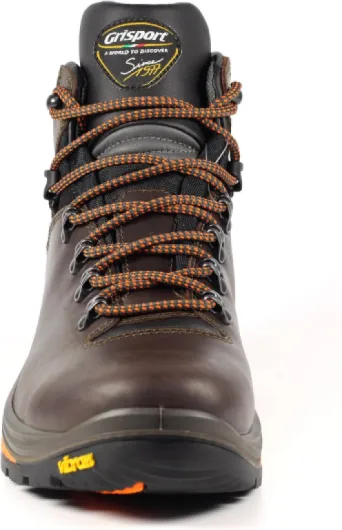
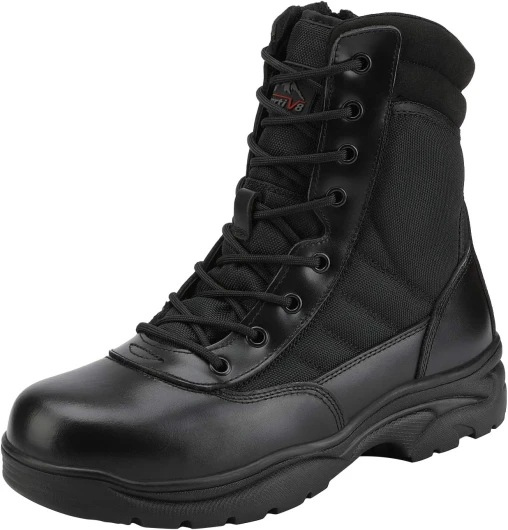
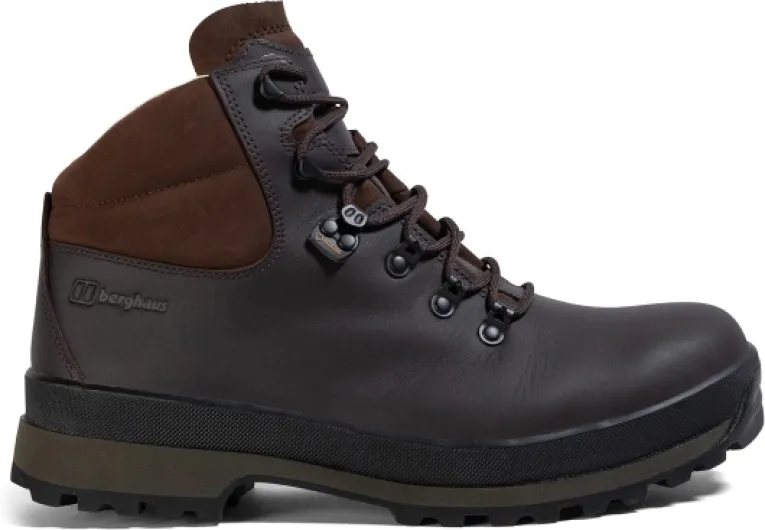
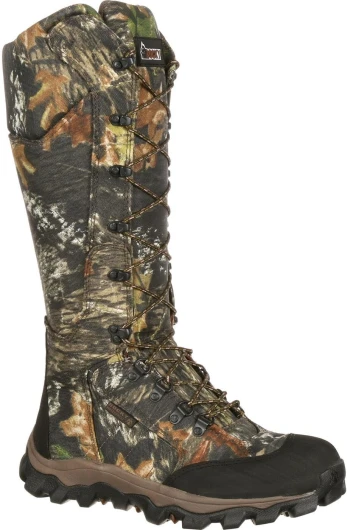
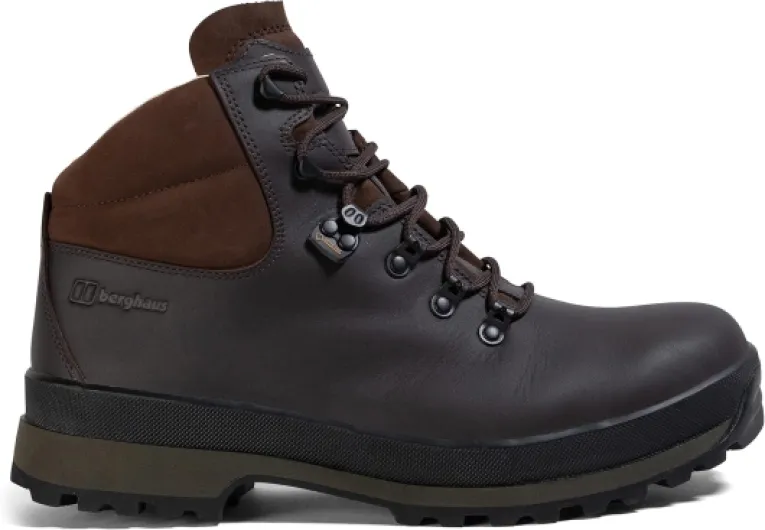
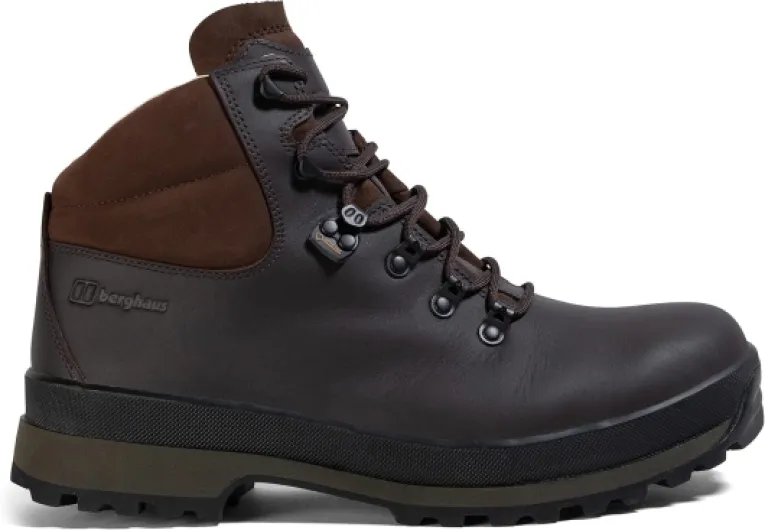
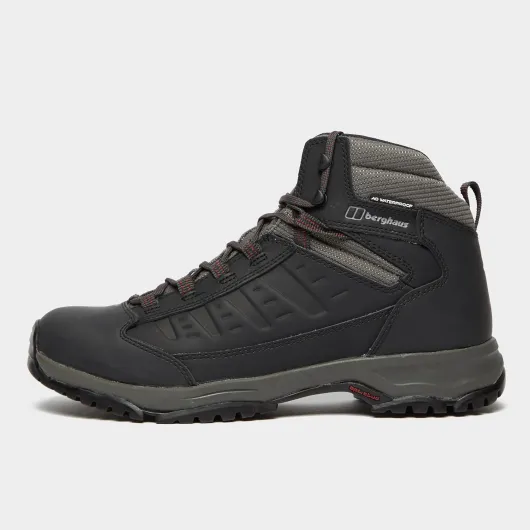
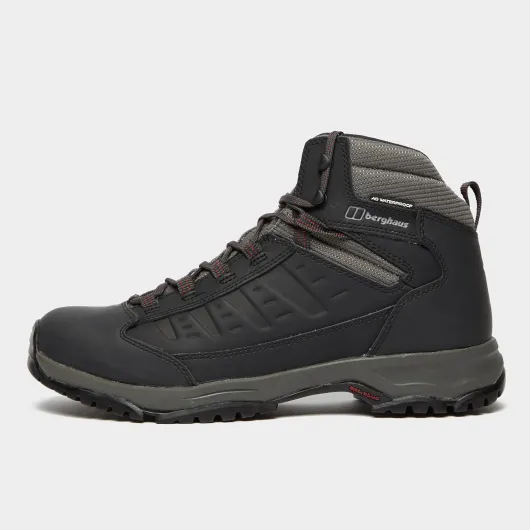
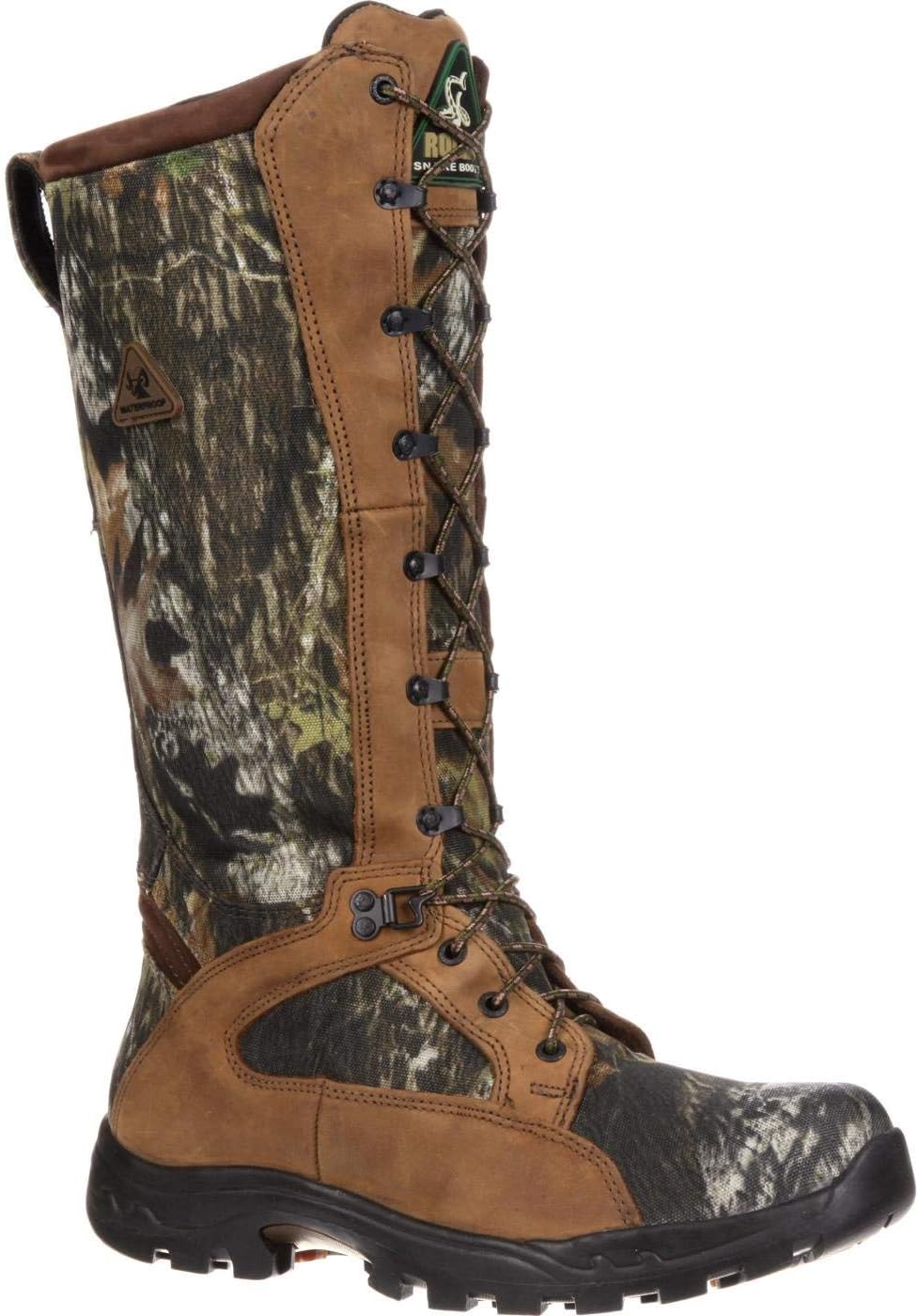
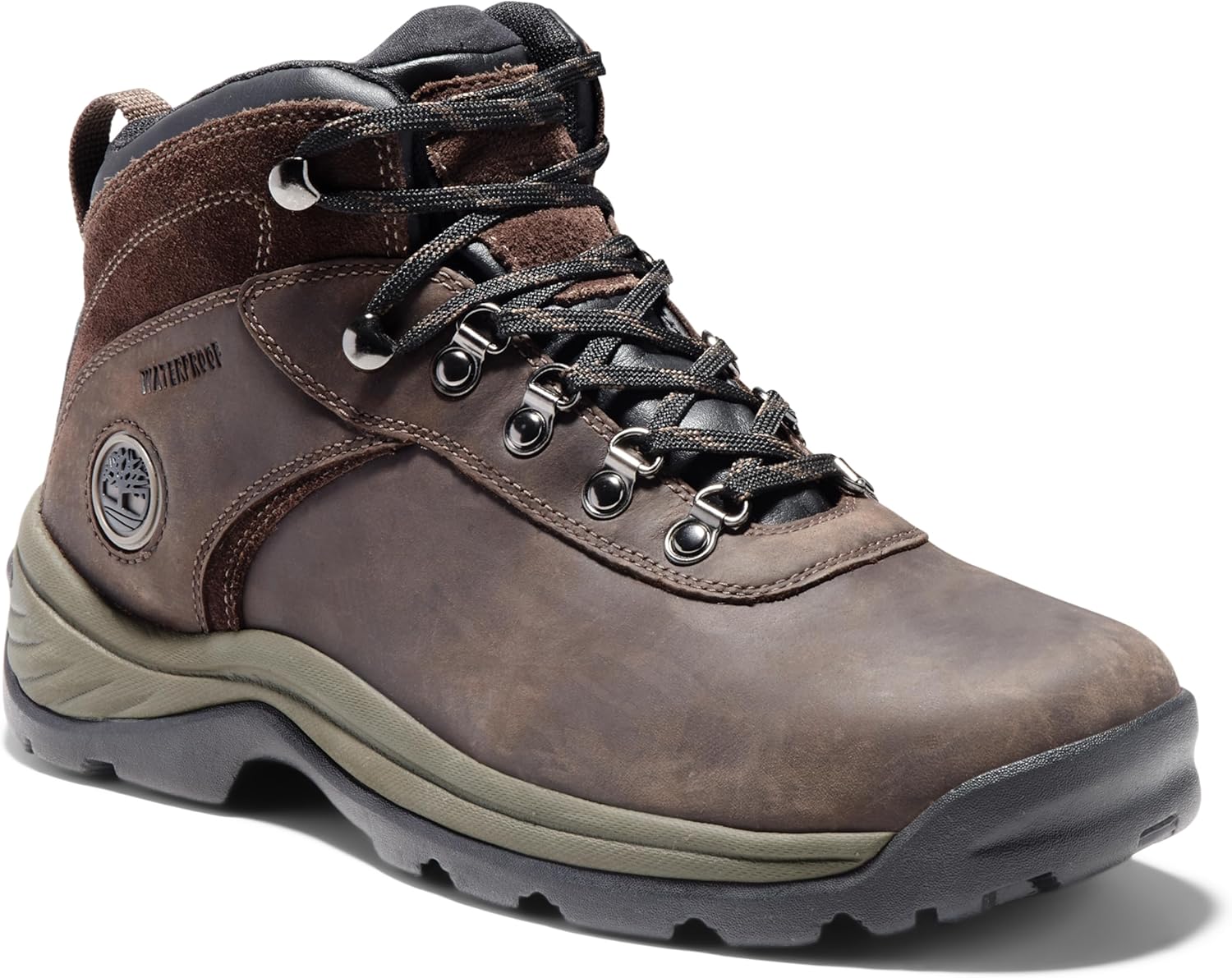
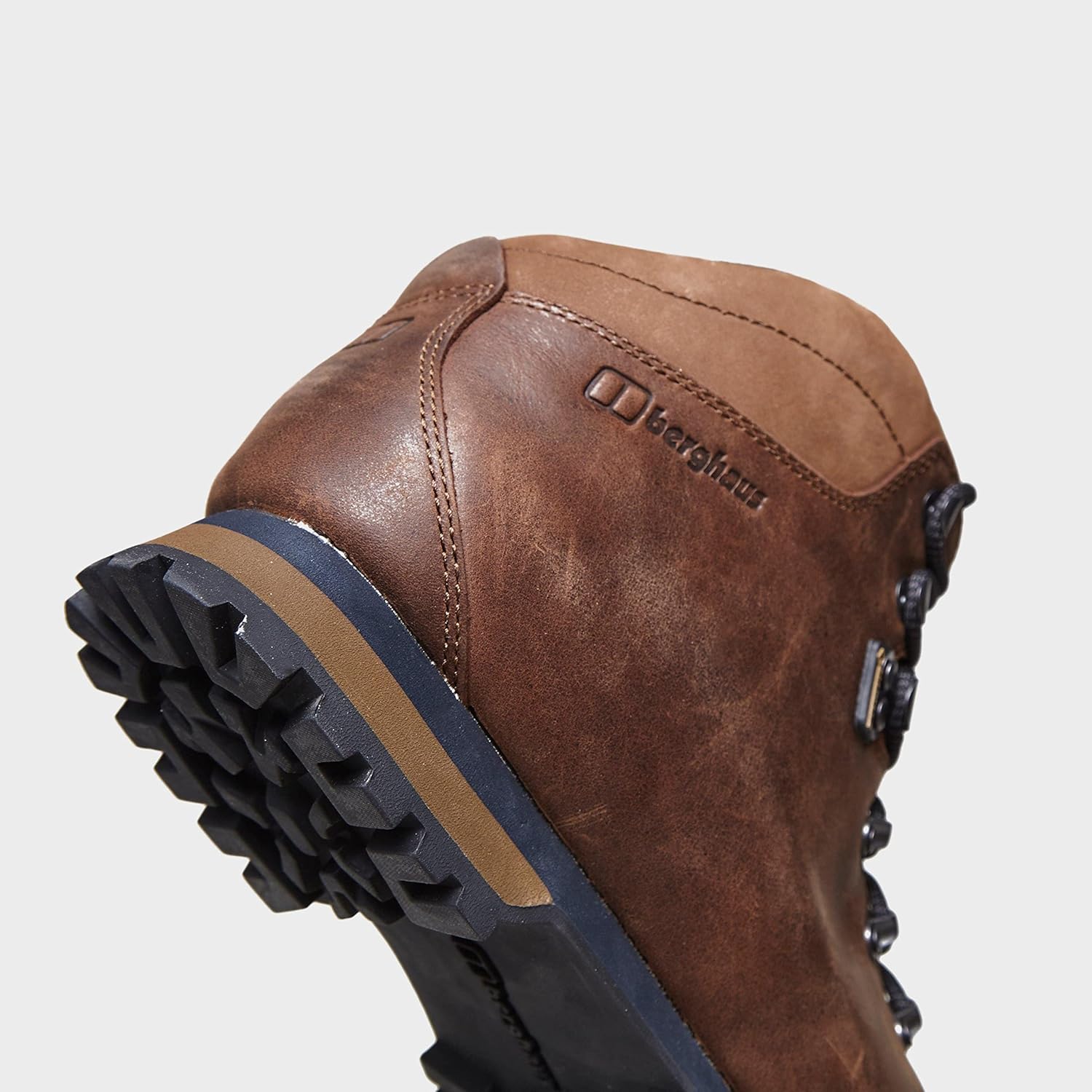
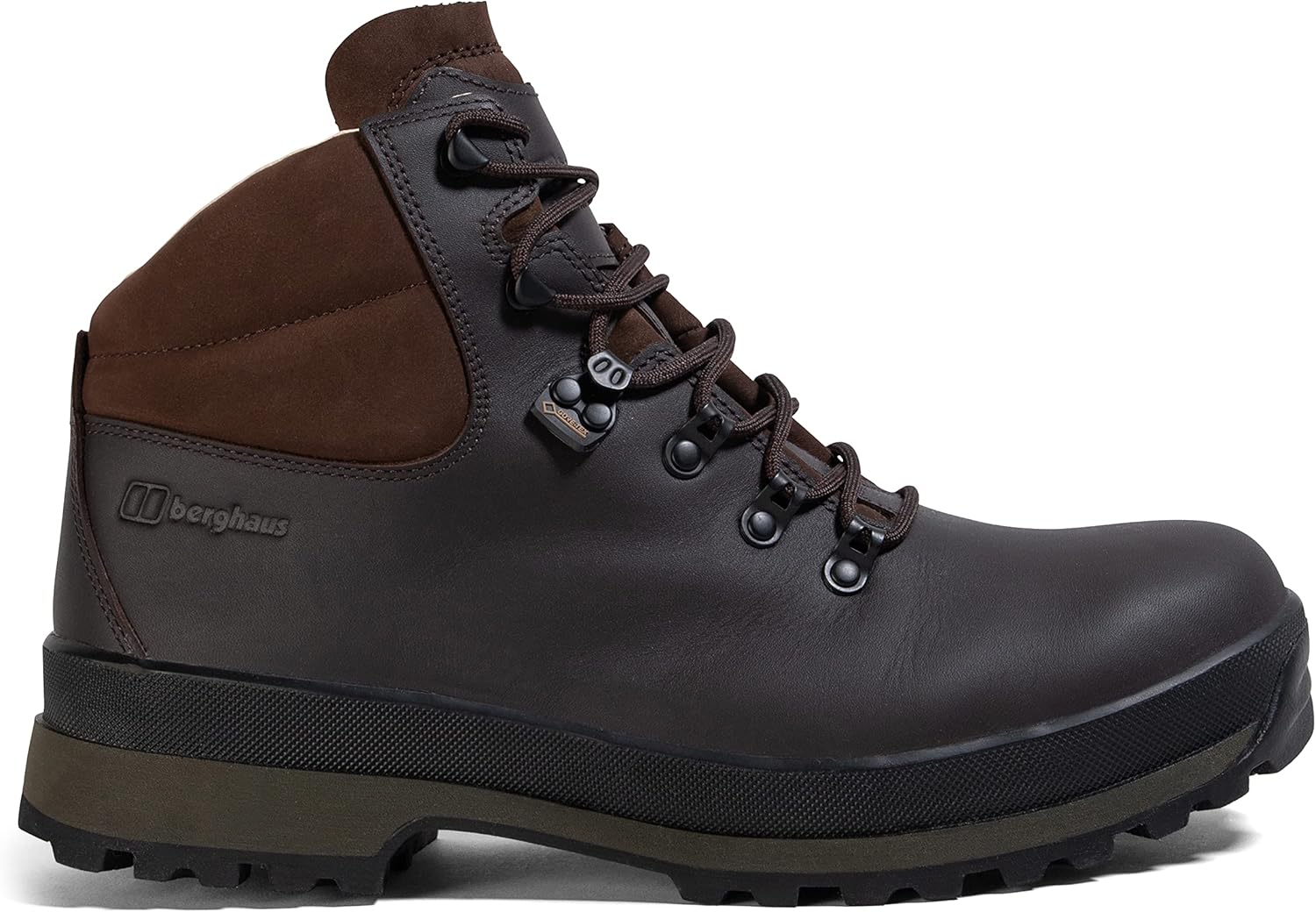
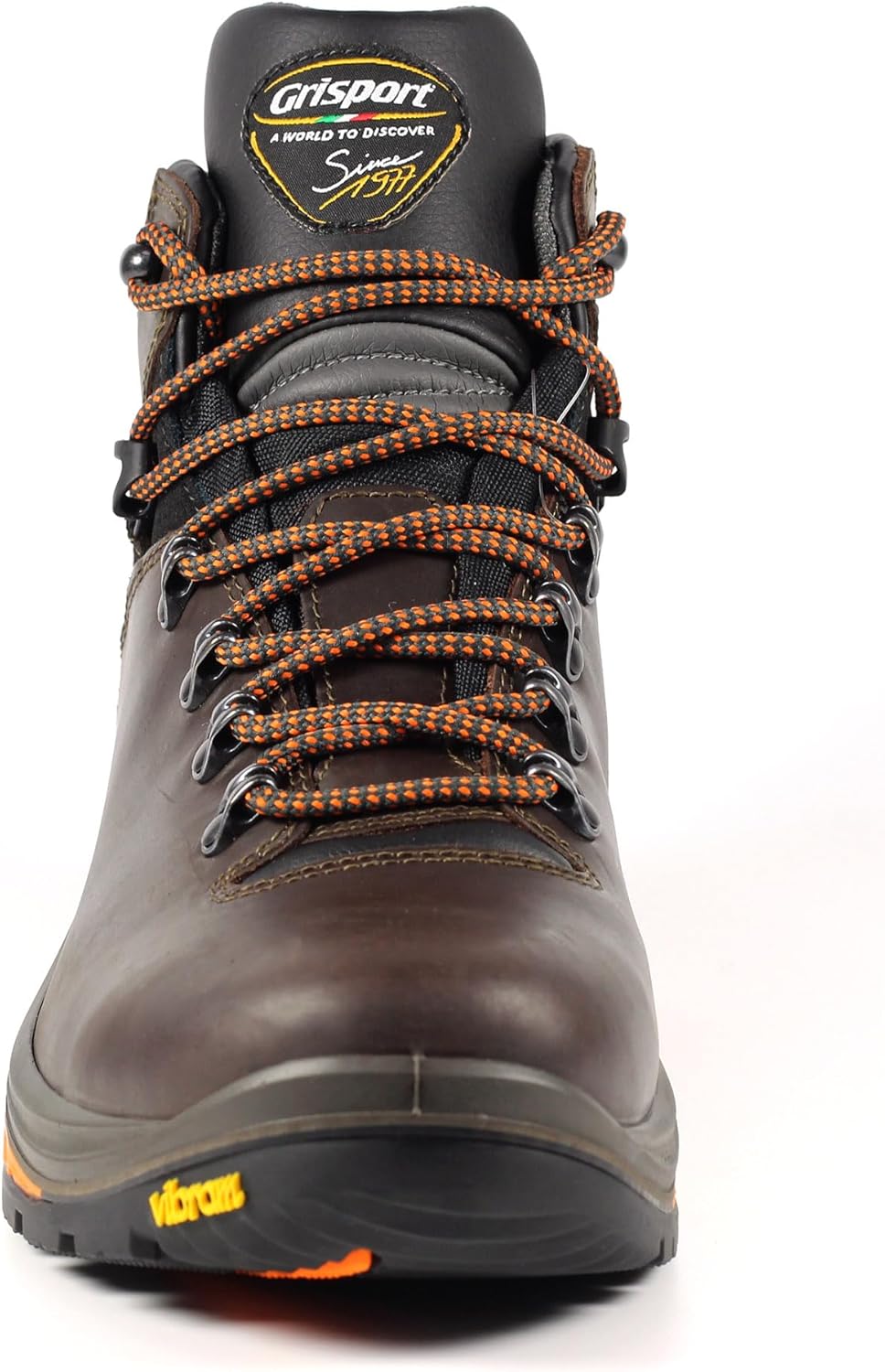
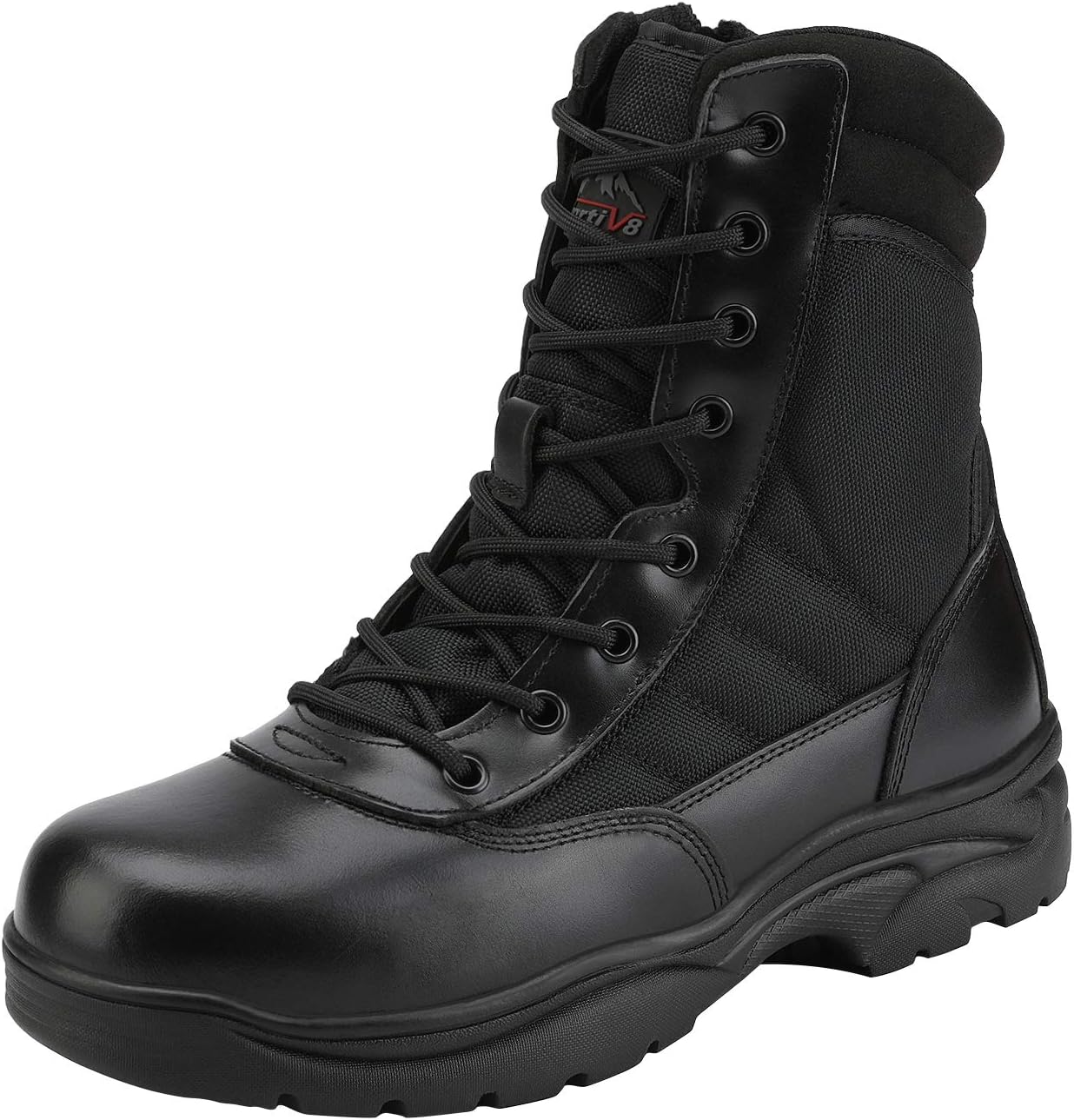
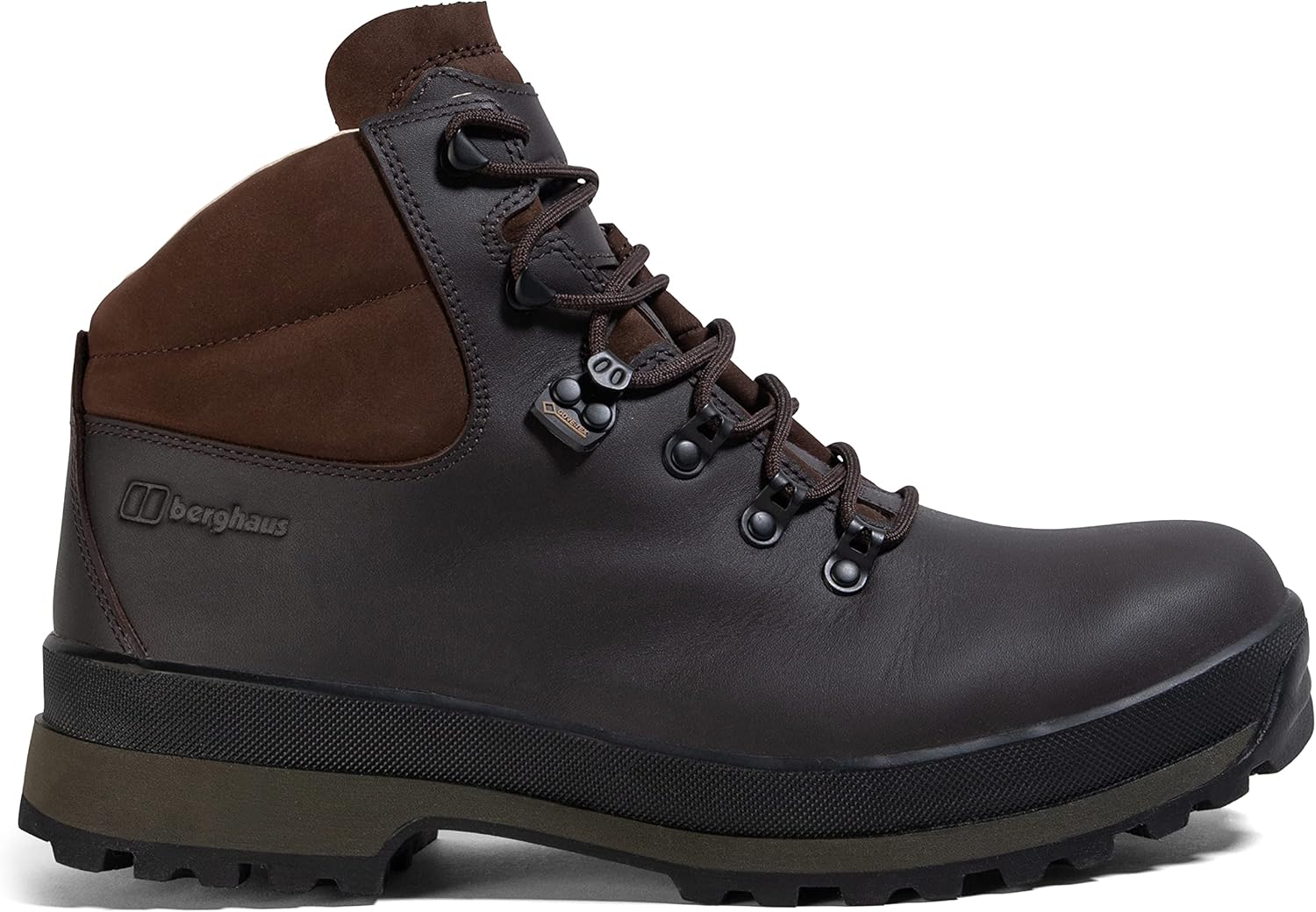
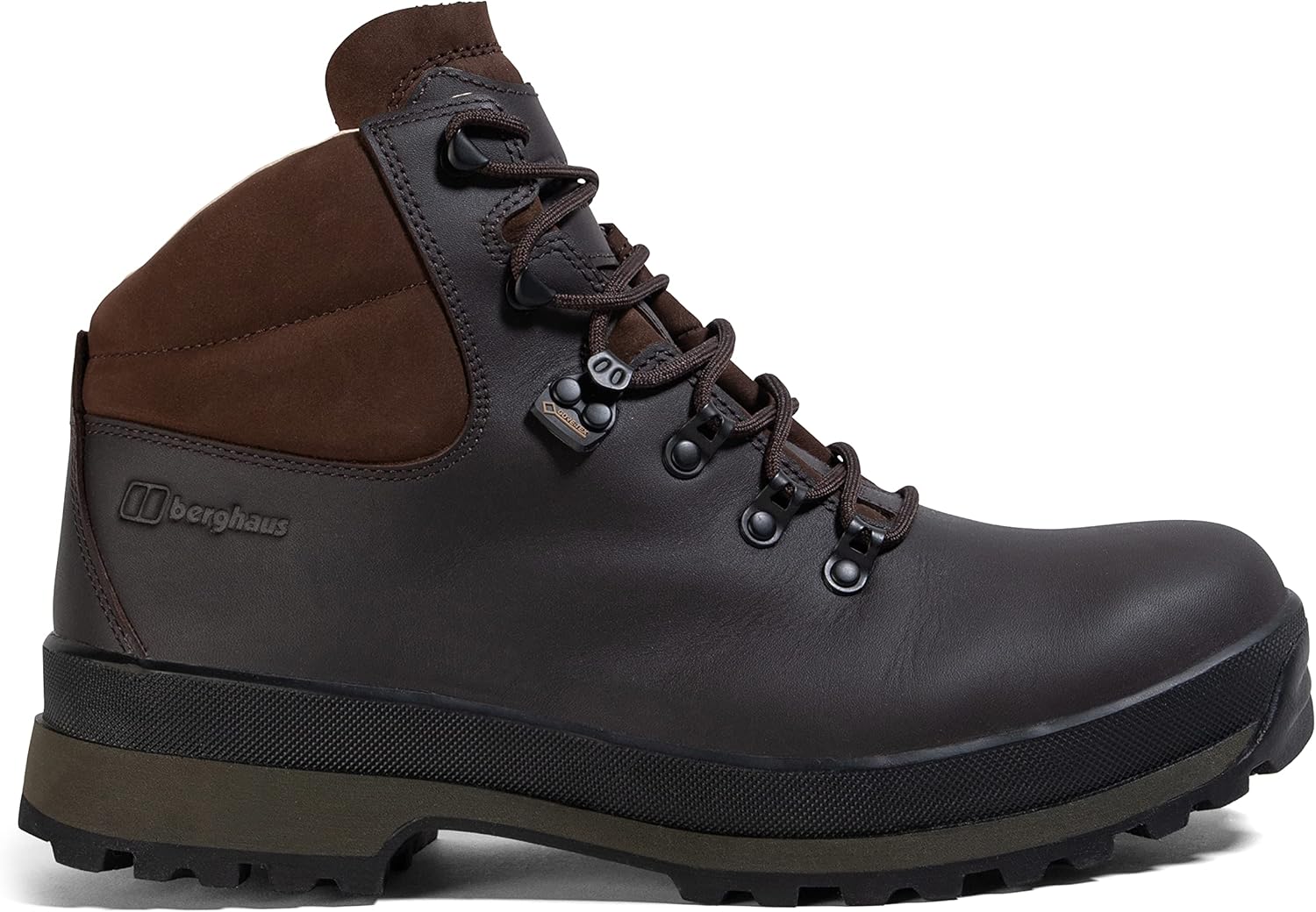
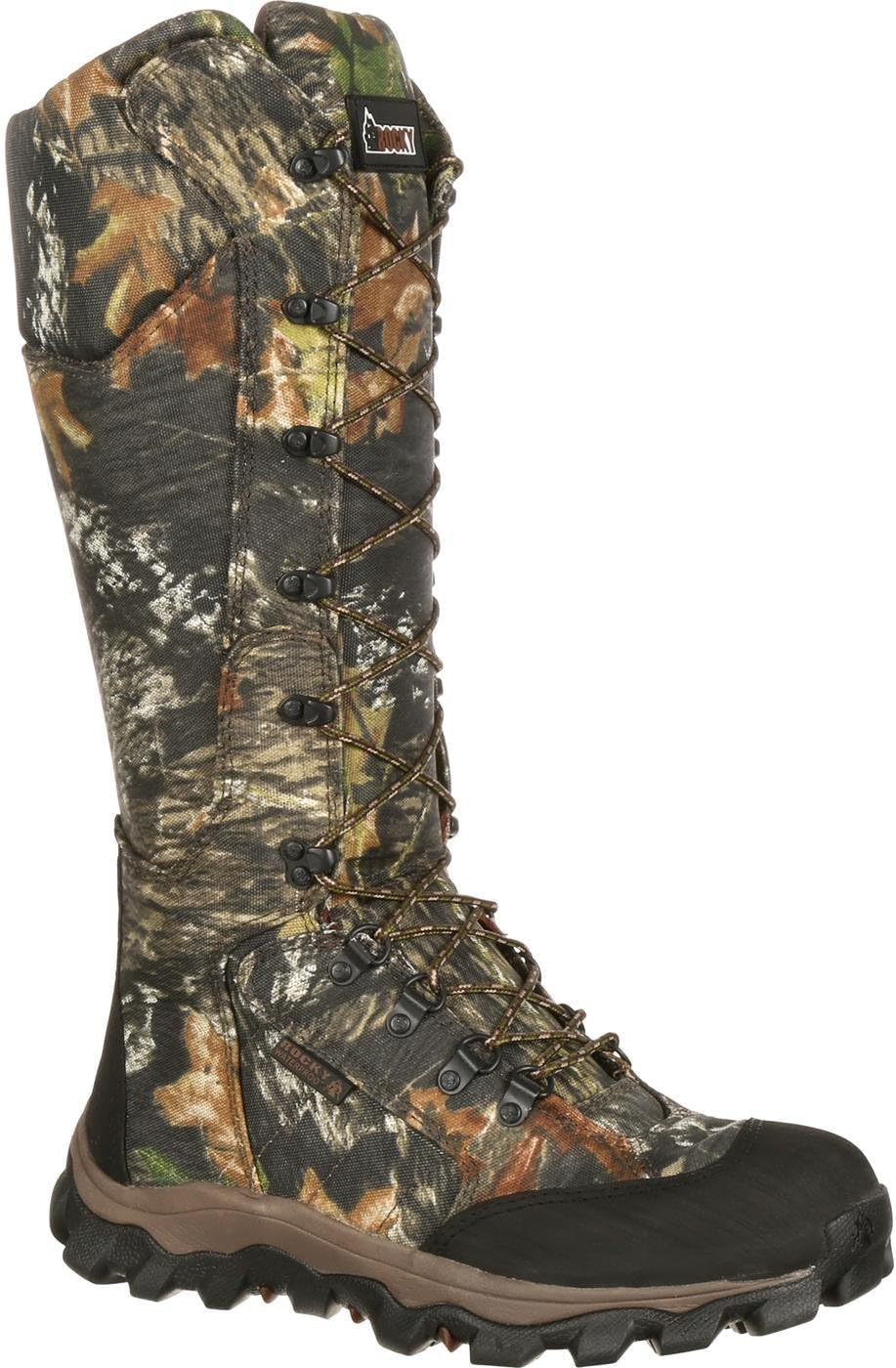
Key features that define the best high cut hiking boots
Several technical details separate average boots from the best high cut hiking boots for serious mountain use. First, the midsole and shank determine how the boot handles uneven trail surfaces and heavy loads over time. A stiffer mid platform in a hiking boot spreads pressure across the foot, which reduces fatigue on long day hikes and multi day routes.
Second, the collar and lacing system of high cut hiking boots must lock the ankle without creating pressure points. A good pair allows micro adjustments between forefoot and ankle zones, so you can tighten the boot for steep ascents yet loosen it slightly for flat trail sections. Models like the Salomon Quest series or the Merrell Moab Mid waterproof lines show how modern design can combine comfort, ankle support, and precise control.
Third, waterproof technology and upper materials influence both comfort and long term value. Many of the boots best suited to alpine approaches use Gore Tex or similar mid GTX and mid Gore membranes to keep water out while allowing sweat to escape. Some hikers still prefer traditional leather boots without a membrane, arguing that well treated leather remains waterproof enough and more breathable for moderate climates.
Finally, outsole design must match your hiking style and terrain. Deep lugs and climbing zones at the toe help when scrambling above the treeline, while a slightly softer compound grips wet roots on forest trail sections. For a broader gear strategy that complements your footwear, resources like specialized hiking and trekking gear guides can help align boots, clothing, and packs into a coherent system.
Balancing weight, support, and comfort for long days
Choosing the best high cut hiking boots always involves a trade off between weight and support. Heavy leather boots with a rigid mid platform excel when carrying large packs over broken terrain, but they can feel overbuilt for moderate day hikes on well maintained paths. Conversely, light mid waterproof models or hybrid hiking shoes feel agile yet may lack the structure needed for steep, loose slopes.
Many experienced hikers now mix footwear types across a season. They might use trail runners or moab speed style shoes for fast, low commitment outings, then switch to a more protective hiking boot for technical ridge traverses or shoulder season snow. This layered approach recognizes that no single boot can be the best for every trail, climate, and pack weight combination.
Comfort depends not only on the boot but also on how your foot interacts with its shape. A good fit leaves enough room in the toe box for downhill movement while holding the heel securely to prevent blisters over time. High cut hiking boots should cradle the ankle without pinching, and many mountaineers fine tune this interface with aftermarket insoles or volume reducers.
Moisture management plays a crucial role in long term comfort. Waterproof membranes like Gore Tex, mid GTX, or Kaha GTX keep external water out, yet they still require breathable socks and smart layering to move sweat away from the skin. For additional load stability and posture, some hikers even pair supportive boots with accessories such as those described in this guide to hiking suspenders, especially when carrying heavy winter clothing.
Comparing boots, hiking shoes, and trail runners in real terrain
Outdoor enthusiasts often debate whether boots, hiking shoes, or trail runners are truly the best choice for demanding routes. High cut hiking boots clearly lead in ankle support and protection, especially when the trail turns to talus, snow, or mud. However, trail runners and low hiking shoes still hold advantages in speed, breathability, and recovery time for the foot after long efforts.
On moderate gradients with light packs, many athletes prefer trail runners because they allow a more natural gait and quicker cadence. Yet when the route involves river crossings, scree, or glacier approaches, a robust hiking boot with waterproof protection and a supportive mid platform becomes far more reassuring. The best high cut hiking boots bridge this gap by offering enough stiffness for security while keeping weight reasonable for long days.
Specific models illustrate these trade offs in practice. The Merrell Moab family, including the Merrell Moab Mid waterproof and men Moab variants, shows how a single design language can span hiking shoes, mid boots, and more protective options. Similarly, the Hoka Kaha and Kaha GTX lines combine maximal cushioning with high cut collars, while the Salomon Quest series emphasizes precise control on technical trail sections.
Price and durability also influence the decision between boots and shoes. A premium pair of leather boots may cost more upfront, yet they often outlast several pairs of lighter shoes if maintained properly. For those evaluating different constructions and insulation options, detailed product tests such as the Fairbanks Omni Heat hiking shoe review provide useful benchmarks for warmth, grip, and long term wear.
Fit, sizing, and the biomechanics of ankle support
Even the best high cut hiking boots fail if the fit is wrong by a few millimetres. Your foot changes shape during the day as blood flow and temperature rise, so always try a new pair in the afternoon and with the socks you plan to wear on the trail. A properly fitted hiking boot should allow your toes to wiggle freely while the mid foot and heel remain locked in place.
High cut collars influence how the ankle moves through each stride. When designed well, they guide the joint rather than immobilizing it, allowing subtle lateral adjustments while preventing extreme inversion or eversion that can cause sprains. This is where boots best suited to mountaineering differ from softer hiking shoes or trail runners, which prioritize flexibility over strict control.
Biomechanics research shows that stability comes from the entire kinetic chain, not only the boot. Strong calves, balanced hip muscles, and good proprioception all reduce the load placed on the ankle support structures inside the boot. For this reason, many guides recommend combining the best hiking footwear with regular balance exercises and progressive pack weight training over time.
Different constructions also affect how the boot interacts with the foot. Leather boots tend to stretch slightly and mold to the foot, while synthetic uppers with Gore Tex or mid Gore membranes hold their shape more rigidly. When comparing a moab mid, a hoka kaha, or a salomon quest, pay close attention to how the last shape matches your forefoot width, arch height, and heel volume, because no amount of price or marketing can compensate for a poor anatomical match.
Value, durability, and making a long term boot investment
For experienced hikers and mountaineers, the best high cut hiking boots represent an investment in safety and performance rather than a simple purchase. Evaluating price means considering cost per season, not just the number on the box at the shop. A durable pair of leather boots that can be resoled may offer better long term value than cheaper models that fail after a few demanding trips.
Durability depends on materials, construction, and how you use the boots. Repeated exposure to wet conditions, abrasive rock, and heavy loads will test stitching, rand bonding, and midsole integrity over time. High quality hiking boots use robust rubber rands, double stitching in high stress zones, and midsoles that resist compression set even after many day hikes and backpacking journeys.
Waterproof performance also influences perceived value. Membranes like Gore Tex, mid GTX, and Kaha GTX keep water out initially, but they require regular cleaning and reproofing to maintain breathability and repellency. Some mountaineers still favour non membrane leather boots for extended expeditions, arguing that they dry faster once soaked and remain more predictable across a wide temperature range.
Ultimately, the boots best suited to your objectives should align with your terrain, pack weight, and personal biomechanics. Whether you choose a moab mid, a hoka kaha, a salomon quest, or another high cut hiking boot, prioritize fit and function over fashion trends. By matching your footwear to your real world routes and maintaining it carefully, you extend both the life of the boot and the health of your foot, ensuring that every trail, from moderate forest paths to alpine ridges, remains a place of confidence rather than compromise.
Key statistics about high cut hiking boots
- Include here quantitative data on injury reduction associated with high cut hiking boots compared with low hiking shoes on uneven terrain.
- Provide statistics on average lifespan in kilometres for leather boots versus synthetic hiking boots under similar usage patterns.
- Mention survey data showing the percentage of experienced hikers who prefer high cut hiking boots over trail runners for multi day trips.
- Highlight figures on the proportion of returns related to poor fit versus manufacturing defects in hiking boot purchases.