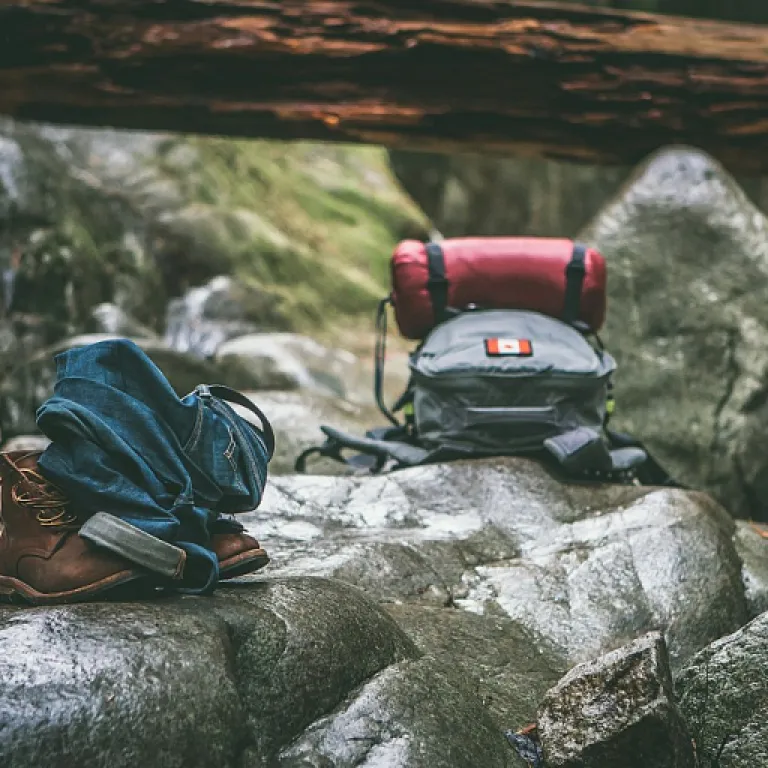
Why serious hikers rely on a waterproof blanket for outside
Experienced hikers know that a waterproof blanket for outside can quietly decide whether a demanding day in the mountains feels efficient or exhausting. When trails vanish under sleet or granite ledges drip with meltwater, a reliable outdoor blanket becomes essential safety gear rather than a casual picnic accessory. The right blanket waterproof design protects you from saturated ground, cutting wind and conductive heat loss during long belays or slow navigation stops.
For mountaineers who already obsess over boot fit and crampon compatibility, the choice of camping blanket or multiple camping blankets deserves similar scrutiny. A puffy blanket with a robust waterproof windproof shell can insulate your core while you adjust laces, tape heels, or swap socks in cold weather without standing directly on snow. Many outdoor blankets now use water resistant face fabrics and sealed seams, narrowing the performance gap between a technical bivy and a compact blanket outdoor solution.
On long approaches, a small outdoor puffy throw or compact picnic blanket weighs little yet adds a warm barrier when you stop to check maps or repair gear. The best products balance blanket size with packability, offering extra coverage without overwhelming your alpine pack or trail running vest. For teams guiding clients, carrying several blankets waterproof models allows you to rotate wet and dry layers, keeping vulnerable hikers warm while boots are inspected, dried, or adjusted.
Evaluating materials, warmth and price for demanding terrain
When you compare any waterproof blanket for outside, start with the shell fabric and insulation rather than only the advertised price. A true waterproof outdoor shell should specify a hydrostatic head rating and durable water repellent treatment, which matters when you kneel in slush to tighten boot laces or inspect crampon straps. For hikers who already invest in breathable, durable footwear such as technical waterproof walking boots, it makes sense to demand equally robust blanket outdoor performance.
Insulation type defines how warm a camping blanket feels when wrapped over damp softshell trousers or under a belay jacket. Synthetic puffy blanket fills retain loft when exposed to condensation from gaiters or wet boot cuffs, making them ideal camping blankets for mixed conditions. Down filled outdoor blankets can be lighter for the same blanket size, but they require more disciplined moisture management during camping picnics or snow kitchen breaks.
Many brands now sell an extra large outdoor blanket or several extra large blankets waterproof models that double as a group shelter on exposed ridgelines. These large products often command a higher price, but they spread weight and warmth across the team, especially when someone must remove boots to treat blisters. When assessing options on amazon or specialist retailers, look for verified reviews that mention tested performance in cold weather, not only casual picnic use.
From trailhead to summit bivy : practical field uses
On multi day traverses, a waterproof blanket for outside becomes a flexible tool that supports every phase of movement, from trailhead to summit bivouac. At the car, a large picnic setup lets you sort gear, adjust boot volume, and tape hotspots while staying off wet asphalt or muddy verges. Later, a compact outdoor blanket doubles as a clean platform for reorganising crampons, gaiters, and spare socks during rapid transitions.
During long ascents, many hikers carry a small puffy blanket in an accessible pocket for fast insulation when the group pauses. This approach keeps muscles warm while boots cool slightly, reducing swelling before you tighten laces for technical sections such as scree or mixed rock and snow. On steeper routes, some climbers pair a camping blanket with performance gloves, using techniques similar to those described in guidance on supportive mid height hiking shoes to maintain dexterity while staying protected.
At camp, an extra large camping blanket or several camping blankets can line the tent floor, protecting sleeping bags from condensation and stray snow clumps knocked in by boots. Many outdoor blankets are machine washable, which matters when mud, pine needles, and boot grease accumulate over a long season. For alpine starts, leaving a dedicated blanket waterproof layer near the tent entrance lets you sit to lace boots without soaking your base layers before the first step.
Balancing blanket size, weight and packability in mountain systems
For serious hikers, the most effective waterproof blanket for outside is not always the largest or warmest model available. Instead, it is the product that integrates cleanly into an existing boot, clothing, and shelter system without adding unnecessary bulk. When you evaluate blanket size, consider how it will fold around your legs and boots during rest stops, and whether it can still fit inside your pack beside crampons and a compact stove.
Many brands offer both small and extra large outdoor blanket formats, giving you options to match solo missions or guided groups. A small outdoor puffy throw might be ideal for fast and light ridge runs, while an extra large picnic blanket suits basecamp life where several pairs of boots must be serviced simultaneously. Some blankets waterproof designs include corner loops or snaps, allowing you to rig a temporary windbreak or door mat that keeps grit away from boot liners.
Packability also affects how often you actually deploy your camping blanket or multiple camping blankets during marginal weather. If a puffy blanket compresses to the size of a one litre bottle, you are more likely to pull it out for quick warmth while checking maps or adjusting lacing tension. In contrast, a bulky outdoor blanket that competes with your sleeping bag may remain buried, offering theoretical rather than real world protection during cold weather delays.
Safety, verified performance and the role of technical accessories
In remote terrain, a waterproof blanket for outside contributes directly to safety margins when boots fail, weather deteriorates, or navigation errors extend the day. A warm, water resistant outdoor blanket can stabilise a chilled partner while you inspect soles, repair eyelets, or improvise gaiter fixes. Many guides prefer products with verified lab ratings and field tested credentials, especially when they rely on free shipping windows to outfit entire teams before a season.
Technical accessories such as climbing gloves, insulated booties, and a robust camping blanket form a layered defence against exposure. Detailed analyses of how climbing gloves elevate performance from rock crags to alpine faces, available through resources like specialised glove reviews, mirror the same logic applied to blanket outdoor choices. In both cases, waterproof windproof shells, dexterity, and warmth must align with the realities of cold weather movement and frequent contact with rock or ice.
When comparing options on amazon or specialist shops, focus on products that specify whether they are machine washable and how many wash cycles were tested. Repeated washing after muddy camping picnics or gritty belay ledges can degrade coatings, so blankets waterproof ratings should be realistic rather than optimistic. For teams operating in glaciated terrain, carrying at least one extra large outdoor blanket per rope group offers redundancy if a member must remove boots for medical treatment.
Integrating blankets with boot care, camp comfort and long term value
Over multiple seasons, a carefully chosen waterproof blanket for outside can extend the life of your hiking boots while improving daily comfort. Using an outdoor blanket as a clean workspace for drying insoles, brushing mud from lugs, and reapplying waterproof treatments keeps grit away from delicate boot linings. This routine matters when you rely on premium footwear, because small abrasions from dirty ground can accelerate wear in high flex zones.
For basecamps, an extra large camping blanket or several outdoor blankets create a warm, dry social area where climbers can unlace boots without standing on frozen scree. Large picnic setups encourage better foot care, because people are more willing to remove socks, inspect skin, and tape hotspots when they are not shivering on bare rock. Many puffy blanket designs now combine blanket waterproof shells with soft inner linings, balancing durability with comfort during long weather holds.
From a financial perspective, the price of a high quality blanket outdoor product often compares favourably with other technical gear, especially when free shipping promotions apply. A single machine washable, water resistant camping blanket that survives years of tested use offers better value than several cheaper products that delaminate after a few wet trips. When assessing options and reading verified user feedback, prioritise blankets waterproof enough for repeated contact with snow, yet compact enough that you never hesitate to pack them for demanding mountain objectives.
Key statistics on outdoor insulation and exposure management
- Up to half of total heat loss at rest can occur through contact with cold ground, which a well insulated outdoor blanket significantly reduces.
- Even a brief unprotected stop on wet or snowy terrain can lower skin temperature in the feet and lower legs by several degrees, increasing blister risk once movement resumes.
- Field observations from guided groups show that teams carrying at least one extra large camping blanket per four people report fewer cold related complaints during long belays.
- Machine washable, water resistant blankets that maintain loft after repeated cycles tend to preserve more than three quarters of their original insulation value over time.
Questions hikers often ask about waterproof outdoor blankets
How is a technical outdoor blanket different from a regular picnic blanket ?
A technical outdoor blanket uses tougher face fabrics, sealed seams, and higher grade insulation than a casual picnic blanket. These features allow it to handle sharp rocks, wet snow, and repeated contact with dirty boots without rapid failure. For serious hikers, that durability and warmth justify carrying the extra grams in demanding terrain.
Is a puffy blanket enough to replace an insulated jacket during stops ?
A puffy blanket can supplement but rarely fully replace an insulated jacket for cold weather stops. It excels at protecting legs, hips, and feet from conductive heat loss through the ground, especially when boots are off. However, a jacket still offers better mobility and wind protection for the upper body while you move around camp or manage ropes.
What blanket size works best for solo alpine missions ?
For solo alpine routes, many climbers choose a small to medium blanket size that reaches from shoulders to calves when seated. This format balances coverage with packability, fitting beside crampons and a compact stove without overloading the pack. If you expect frequent belays or medical stops, stepping up to a slightly larger model can provide extra security.
How often should I wash a machine washable camping blanket ?
Wash a machine washable camping blanket whenever mud, sweat, or spilled food start to affect performance or odour. Using gentle cycles and technical detergents helps preserve water resistant coatings and loft, especially on puffy blanket designs. Avoid over washing, because unnecessary cycles can wear fabrics and reduce long term durability.
Are blankets waterproof enough to replace a groundsheet under my tent ?
Many blankets waterproof enough for casual use can serve as an emergency groundsheet, but they are not always designed for constant abrasion under a tent. If you use a waterproof outdoor blanket this way, inspect it regularly for wear and punctures. For repeated use, pairing a dedicated footprint with a blanket outdoor layer inside the tent offers better long term protection.