
Summary
Editor's rating
Fair value on discount, borderline at full price
Looks functional first, stylish second
Comfortable out of the box, but watch the sizing and long days
Leather upper, EVA sole: decent but not bulletproof
Built to last… up to a point
Grip and waterproofing: good at first, question mark long term
What you actually get with these Berghaus boots
Pros
- Comfortable fairly quickly with decent cushioning and ankle support
- Good grip from the OPTI-STUD sole on wet and muddy ground
- Waterproofing works well initially for typical rain and puddles
Cons
- Sizing runs on the snug side; may need to go up half to a full size
- Reports of seams splitting and toe area cracking after several months of use
- Breathability is only average due to leather and waterproof membrane

Specifications
View full product page →| Brand | Berghaus |
Decent walking boots or overhyped brand name?
I’ve been using the Berghaus Men’s Expeditor Ridge 2.0 boots as my main walking boots for a while now – dog walks twice a day, weekend hikes, and a couple of properly wet days in the hills. I’m not sponsored, I paid for them myself, and I’ve used cheaper Decathlon boots and more expensive Scarpa/Merrell stuff before, so I’ve got a bit of context. These sit in that mid‑range bracket where you expect something that just works, nothing fancy, but also not falling apart after one muddy winter.
Out of the box, my first impression was pretty simple: they look like standard leather walking boots, nothing flashy, and they feel lighter than they look. I went half a size up from my usual trainers because I always wear thick hiking socks, and I’m glad I did. If you go true to size with normal socks, you might be fine, but if you’re planning long days out, I’d say consider going up half a size at least. A few Amazon reviews say the same thing, and I’d agree.
In everyday use, they’ve been comfortable enough and properly grippy, which is honestly what matters most to me. I’ve walked on wet pavements, muddy fields, and some rocky paths, and I never felt like I was sliding around. Waterproofing has been mostly good so far, but I did pay attention to the negative reviews about leaks after a few months and splitting at the toe. That’s in the back of my mind every time I stomp through a deep puddle.
So, if you’re wondering whether these are "premium mountain boots" – they’re not. They’re more like solid all‑rounders for UK weather: dog walks, weekend hikes, and general wet‑day footwear. They do the job, but there are some trade‑offs in durability and long‑term waterproofing that you should know about before spending your money.
Fair value on discount, borderline at full price
Price‑wise, these usually sit in the £100–£150 range, depending on size and colour, but they often drop lower during sales. I’ve seen people pick them up for around £90–£100, and some lucky ones grabbed them around £50–£60 on big sale days. How good the value is really depends on what you paid and how hard you plan to use them.
At around £90 or less, I’d say they’re good value for money if you want a comfortable, reasonably light leather boot for regular walks, dog duty, and weekend trails. You get proper grip, decent waterproofing (at least at the start), and a known outdoor brand. At that price, even if they last a couple of solid seasons of regular use, it feels acceptable. They’re definitely a step up from the really cheap supermarket or bargain‑bin boots that fall apart in a few months.
At the top end of the price range (closer to £140–£150), I’m less convinced. When you’re spending that much, you’re in the territory of boots from brands like Scarpa, Meindl, or higher‑end Merrell, which often have better reputations for long‑term durability and waterproofing. Given the number of reports about seams splitting and waterproofing failing within a year, it’s hard to confidently say these are worth full RRP if you’re a heavy user or planning serious long‑distance stuff.
So my take is simple: if you find them on offer, they’re a pretty solid buy for everyday outdoor use and moderate hiking. They get the job done without fuss. At full price, I’d think a bit harder and maybe compare them with a few competitors known for tougher build quality. They’re not a bad deal, but they’re not a bargain at the top end either – more like "fair, with some compromises".
Looks functional first, stylish second
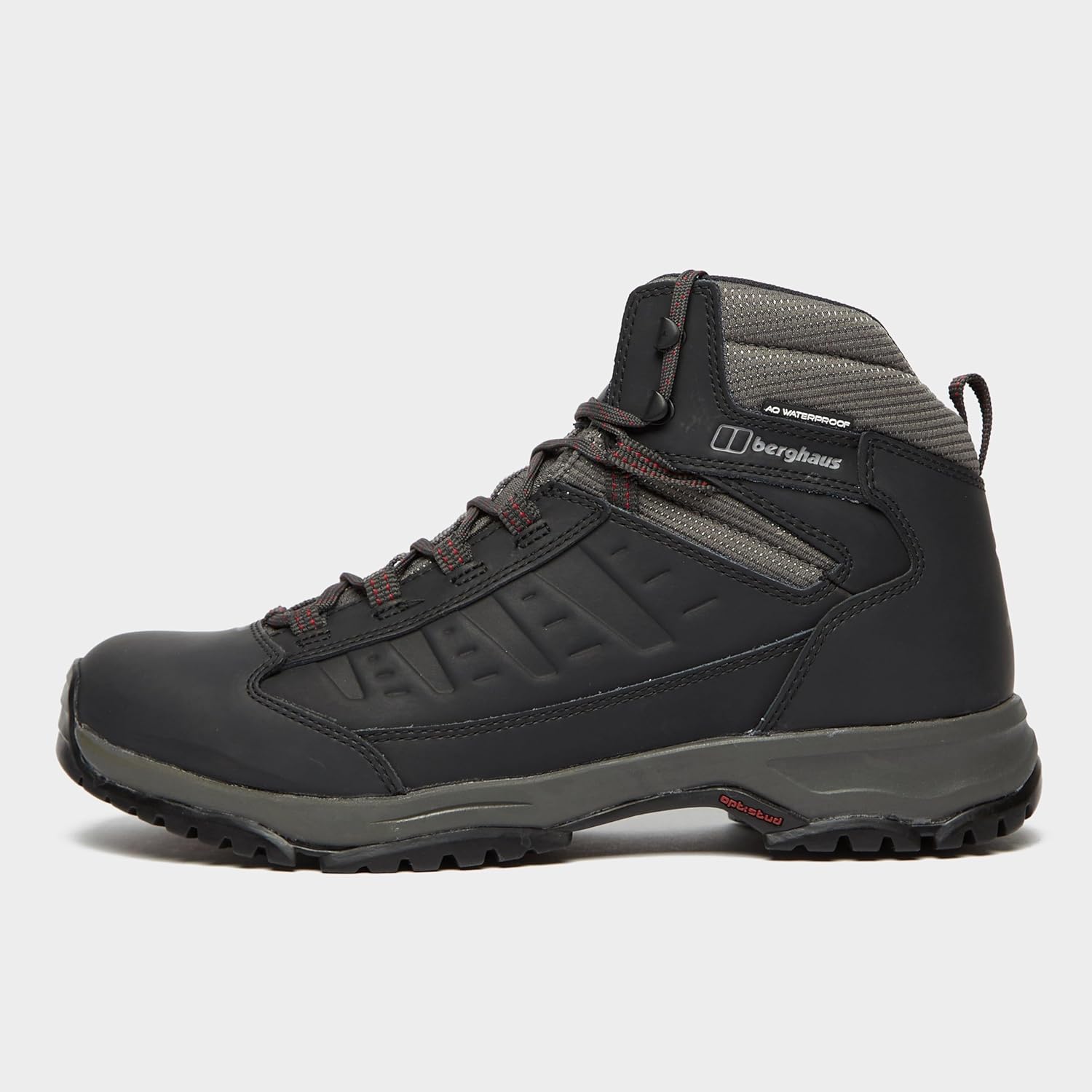
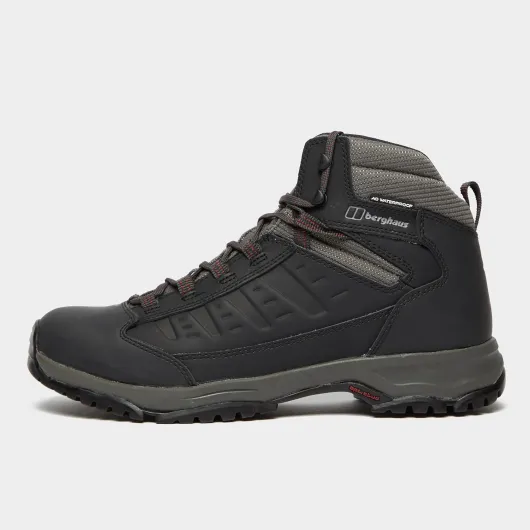
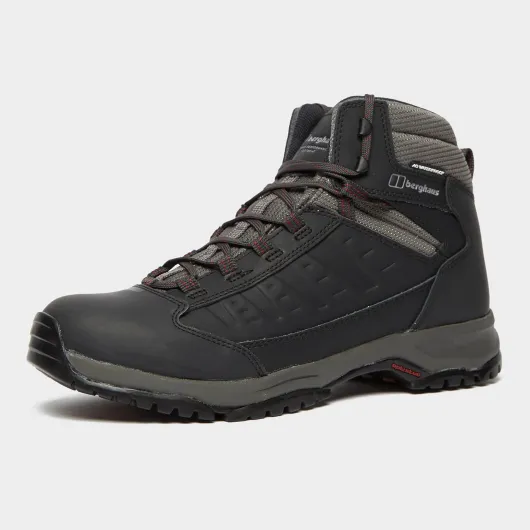
Design‑wise, these boots are clearly built with practicality in mind. The overall shape is quite standard: rounded toe, mid‑height ankle, and a fairly chunky sole. The leather upper has some paneling but nothing too busy. The Black/Red combo is basically black leather with small red highlights around the stitching and logo, so if you like low‑key gear, you’ll probably be fine with them. They’re not eye‑catching, but they don’t look cheap either.
The lacing system is simple but works. You’ve got normal eyelets at the bottom and hooks at the top, which makes it easy to tighten around the ankle and loosen quickly when you take them off. I found the laces long enough to double knot without flapping around. There’s a padded tongue that stays in place reasonably well and doesn’t slide to the side when walking, which is something that annoys me on cheaper boots. The ankle padding is decent too, enough to cushion without feeling bulky.
One thing I noticed is the toe area: it has a bit of reinforcement but it’s not a hard toe cap like safety boots. That’s good for comfort and weight, but it also seems to be where some people have had splitting issues between the leather and the sole after a few months. I haven’t had a full split yet, but I can see why it might happen if you flex the toe a lot on rocky ground. There’s clearly a join line that depends heavily on glue rather than deep stitching.
So, in practice, the design is functional and pretty solid, but not really built to be beaten up like heavy-duty mountain boots. If you want something that looks sleek and "urban", this is not it. If you want something that blends into countryside walks and doesn’t scream for attention, it does that fine. Just be aware that the design choices around the toe and seams might be part of why some users are seeing durability problems later on.
Comfortable out of the box, but watch the sizing and long days
Comfort is where these boots do pretty well overall, with a couple of small catches. Out of the box, I didn’t have that brutal breaking‑in period you get with some stiff leather boots. I wore them for a 45‑minute dog walk on day one and had no blisters or hot spots. The EVA midsole and OrthoLite footbed give a bit of bounce, and the ankle padding is soft enough that it doesn’t rub. For everyday walks of 30–60 minutes, they feel genuinely comfortable.
Where it gets a bit more nuanced is on longer days out. After a few 4–5 hour walks, I noticed some pressure building up on the sides of my feet and across the forefoot. Not agony, but that "I’ll be glad to take these off" feeling. I went half a size up from my usual to allow for thick socks and some swelling, and I’m glad I did. If I’d gone true to size, I think I’d have been in blister territory. This matches some of the Amazon feedback where people say they had to move up from an 8 to a 9 or even 9.5 for all‑day comfort.
The cushioning is decent for mixed use – pavements, trails, fields. You can feel some rocks underfoot on really rough ground, but nothing extreme. These aren’t super stiff mountaineering boots, so you do get a bit of flex, which helps with comfort on normal paths. The ankle support is moderate: enough to stop you rolling your ankle on uneven ground, but not like a rigid boot. For dog walking, light hikes, and general outdoor use, that’s actually a good balance in my view.
Breathability is okay, not fantastic. With the waterproof membrane and leather, your feet will get warm on hot days, that’s just how it is. But I didn’t find them unbearably sweaty in normal UK conditions (10–18°C, light rain, etc.). If your feet run hot or you hike in warm weather a lot, you might want something more mesh‑based instead. Overall, I’d say comfort is a strong point, as long as you size up a bit and don’t expect slipper‑like feel after 10 hours on your feet.
Leather upper, EVA sole: decent but not bulletproof
The main selling point on the materials side is the leather upper. Berghaus says the leather comes from a Leather Working Group certified tannery, which is nice from an environmental and quality standpoint. The leather itself feels medium thickness – not super stiff like old‑school mountain boots, but not thin and floppy either. Out of the box, it has a slightly treated feel, like it’s already had some water‑repellent treatment. After a few wet walks and mud, it’s held up reasonably well, but it does mark and scuff like normal leather. A bit of wax or conditioner definitely helps keep it looking decent.
The midsole is EVA (Ethylene Vinyl Acetate), which is standard for cushioning in hiking footwear. That’s what gives you the bit of bounce and shock absorption. On top of that, you get an OrthoLite footbed, which is basically a branded insole that’s a bit more cushioned and breathable than the basic cardboard ones you get in cheap boots. It’s comfortable enough, but if you have fussy feet or need arch support, you might still want to swap it for your own insoles.
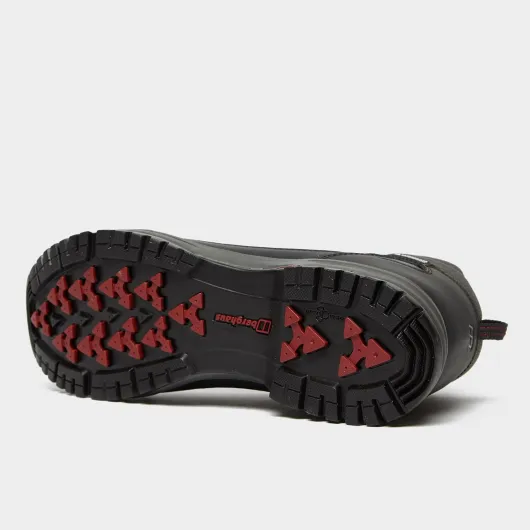
The outsole uses Berghaus’s OPTI-STUD pattern. In simple terms, it’s a rubber sole with quite deep lugs laid out in a way that gives decent grip in mud and on wet surfaces. In real use, I’ve been happy with it: no random slips on wet grass or gravel, and it bites into soft ground fairly well. The rubber doesn’t feel super soft like some premium brands, but that might actually help with longevity on tarmac and hard paths. Time will tell how fast it wears, but after regular use there’s no obvious chunking or peeling.
Inside, there’s the AQ waterproof membrane, Berghaus’s in‑house version of Gore‑Tex. It’s a fabric layer that’s meant to keep water out but let sweat escape. So far, it’s done its job for me: no water getting in during normal rain and puddles, and my feet haven’t been drenched in sweat either. But based on other users’ reviews, the weak spot isn’t the membrane itself, it’s the seams and glue around the toe and sides. Once those start to crack or split, water will find its way in no matter how fancy the membrane is. So the materials are decent individually, but the way they’re put together is what will decide how long these boots stay truly waterproof.
Built to last… up to a point
Durability is the one area where I’m a bit on the fence. When you first pick them up, the boots feel solid enough: decent leather, chunky sole, and no obvious weak points. After a couple of months of regular use (mostly dog walks, a few longer hikes, lots of wet grass and mud), mine are still structurally fine. The leather has some scuffs and creases, which is normal. The sole hasn’t worn down noticeably, and there’s no peeling or separation yet. So in the short term, they give the impression of being well made.
The issue is what happens after longer use, based on other people’s experiences and some early signs. Several Amazon reviews mention the same pattern: first few months, great; then around the 6–12 month mark, seams start to split, especially around the toe area and sides. One user said their first pair had the toe cap splitting away from the boot, and the second pair developed cracks in the sides and leaks through the seams. That’s not just normal wear; that sounds like a combination of glue failure and stress on the leather where it bends.
Looking closely at the construction, you can see that some key joins rely more on glue than deep stitching, especially at the front. That’s probably where the problem lies. On easier terrain and lighter use, you might never push them hard enough to cause those failures quickly. But if you’re doing lots of rocky, uneven ground or heavy daily use, I can see how those points would start to give way sooner than you’d like. The leather itself doesn’t feel cheap, but the way it’s attached to the sole doesn’t inspire long‑term confidence.
Berghaus talks about a "lifetime guarantee", which sounds nice, but it’s a bit vague in practice. You’d likely have to go through their warranty process, prove the issue isn’t just normal wear and tear, and wait for a replacement or repair. That’s hassle most people won’t bother with unless the failure is really bad. So, in simple terms: short‑ to medium‑term durability seems fine, but if you want a boot that will survive years of regular hard use, I’d say there are more robust options out there, even if they cost a bit more.
Grip and waterproofing: good at first, question mark long term
In day‑to‑day use, the performance has been solid. The OPTI-STUD sole grips well on most surfaces I’ve tried: wet pavements, muddy park paths, damp rocks, and grassy slopes. I’ve never felt like I was skating around, even on slick mud where my older cheaper boots struggled. The lug pattern clears mud reasonably well too – you still get some clogging in heavy clay, but that’s normal. Overall, for UK countryside conditions, the grip is one of the better points of these boots.
On the waterproof side, my experience so far has been mostly positive. I’ve walked in steady rain, through wet grass up to the ankle, and in puddles that covered the laces, and my feet stayed dry. The AQ waterproof lining seems to do its job when the boot is intact. Combined with the leather upper, it gives decent protection. I’d be comfortable using these as my go‑to boots for wet autumn and winter walks. Breathability is acceptable; my socks come out slightly damp from sweat on longer walks, but not soaked.
However, this is where the long‑term reports from other buyers are a bit worrying. Several people mention that after 6–12 months, the seams start to split, the leather around the sides and toe begins to crack, and water starts getting in. One review specifically said this was their second pair with similar issues: toe cap splitting away, seams opening, regular leaks in wet conditions. That suggests the performance is good at the start but may drop off sharply once the materials and glue start to age.
From my own use, I haven’t hit that failure point yet, but I can already see some creasing and stress points around the toe flex area. So if you need a boot for heavy, frequent use on rough terrain, I’d be cautious. For regular dog walking, weekend hikes, and general bad‑weather use, they perform well. Just don’t expect them to be your faithful companion for many years of hard abuse without some signs of wear and potential leaks.
What you actually get with these Berghaus boots
On paper, the Berghaus Expeditor Ridge 2.0 ticks a lot of boxes: leather upper, AQ waterproof lining, EVA midsole, OrthoLite footbed, and OPTI-STUD sole for grip. In reality, that translates to a fairly standard mid‑height leather hiking boot that aims to balance comfort, weight, and durability. They’re ankle‑high, so you get a bit of support without feeling like you’re wearing full mountaineering boots. The pair in size 9 comes in at around 1 kg, which feels perfectly normal – not ultra-light, but not like you’re dragging bricks on your feet either.
The version I used is the Black/Red colour. The red accents are mostly in the stitching and small details; it’s not a loud boot. If you want something you can wear into town without looking like you’re about to cross the Alps, these pass that test. They look more "practical" than stylish, which matches what some reviewers say: substance over style. I’m fine with that – I buy boots to walk in mud, not to stand in an office.
In terms of sizing, Berghaus sizing is a bit on the snug side. I usually wear a UK 8.5 in trainers; I went for a 9 in these and they fit well with thick socks. Some Amazon reviews mention having to go up a full size and even then feeling some tightness after a full day. My experience is similar: they’re comfy for several hours, but after a long day, I can feel a bit of pressure on the sides of my feet. Not painful, but noticeable. So if you’re between sizes or have wide feet, factor that in.
Overall, the presentation is straightforward and honest: these are mid‑range leather walking boots, built to handle wet British weather and rough footpaths. No fancy gimmicks, no weird design choices. Just boots that, on first impression, look like they’ll get the job done – as long as the durability holds up, which is where things get a bit more mixed once you dig into longer‑term use.
Pros
- Comfortable fairly quickly with decent cushioning and ankle support
- Good grip from the OPTI-STUD sole on wet and muddy ground
- Waterproofing works well initially for typical rain and puddles
Cons
- Sizing runs on the snug side; may need to go up half to a full size
- Reports of seams splitting and toe area cracking after several months of use
- Breathability is only average due to leather and waterproof membrane
Conclusion
Editor's rating
Overall, the Berghaus Men’s Expeditor Ridge 2.0 boots are solid mid‑range walking boots that do a lot of things right but aren’t perfect. They’re comfortable out of the box, have good grip on wet and muddy ground, and the waterproofing works well initially. For dog walks, everyday bad‑weather use, and weekend hikes on typical UK trails, they feel like a sensible, no‑nonsense choice. The cushioning is decent, the ankle support is enough for casual hiking, and the look is low‑key and practical.
The downsides are mainly around long‑term durability and sizing. They run a bit small and snug, so you’ll likely want to go at least half a size up, especially if you wear thick socks. And while the boots feel well made at first, there are enough reports of seams splitting and toe areas cracking after several months to make me cautious if you’re planning heavy, frequent use. The construction relies quite a bit on glue at key stress points, which seems to be the weak link over time.
Who are these for? People who want a reliable everyday walking boot, mainly for dog walks, light to moderate hikes, and general wet‑weather wear, especially if you can grab them at a discount. Who should skip them? Anyone who pounds rocky trails week in, week out, or wants a boot to last many seasons of hard use – in that case, I’d look at more heavy‑duty models, even if they cost a bit more upfront. As a practical, mid‑range option, they’re pretty solid, just don’t expect miracles in long‑term durability.