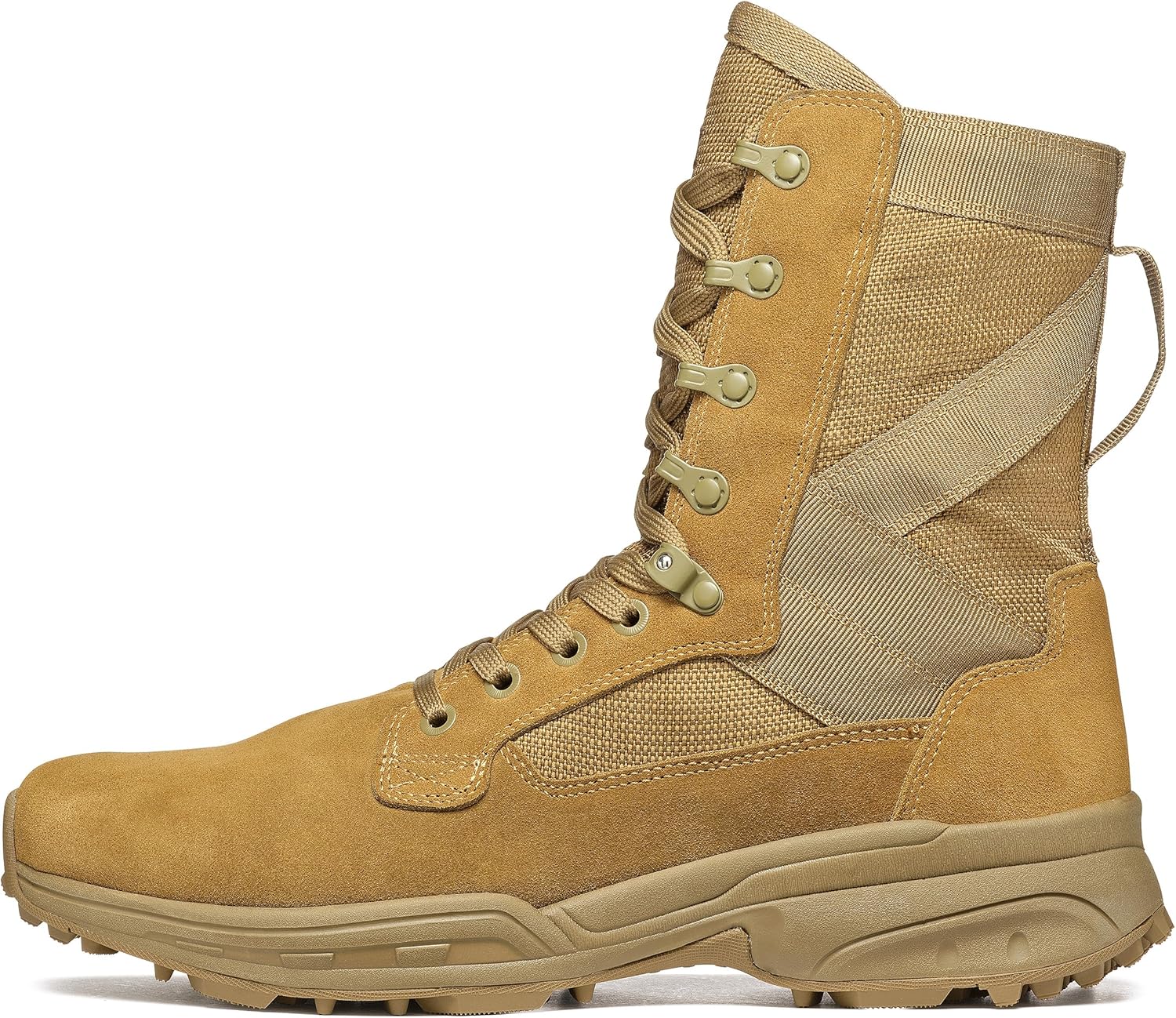
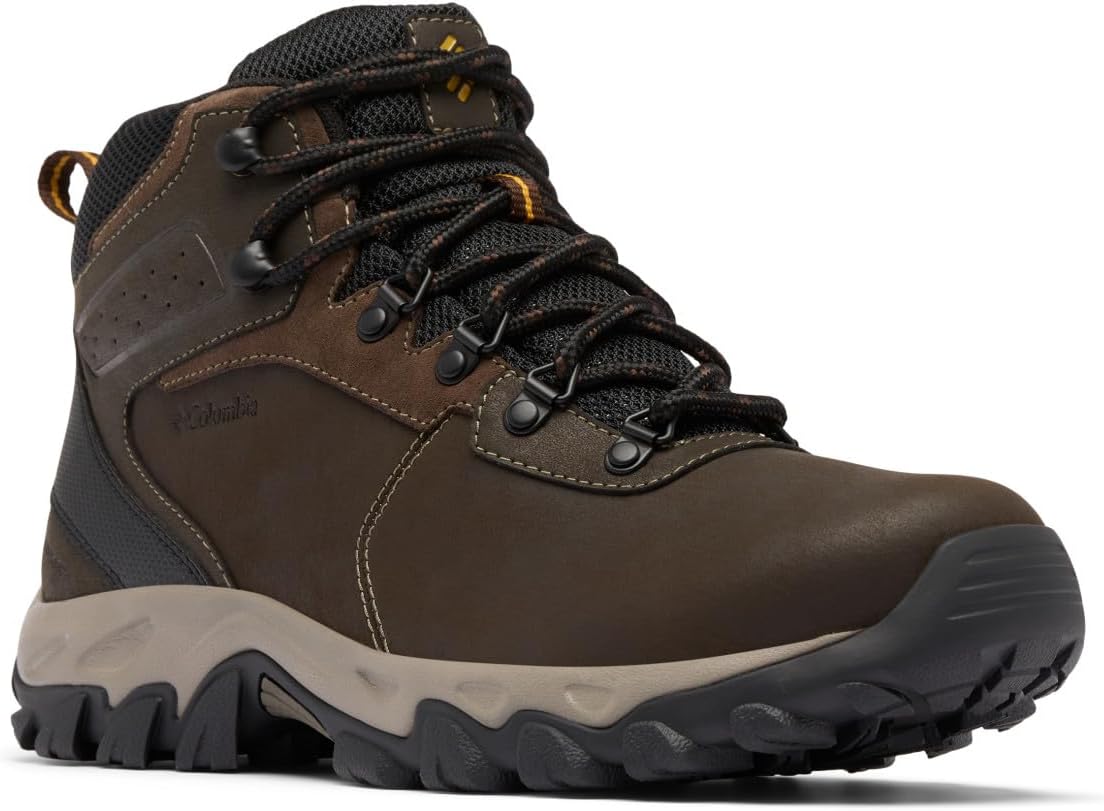
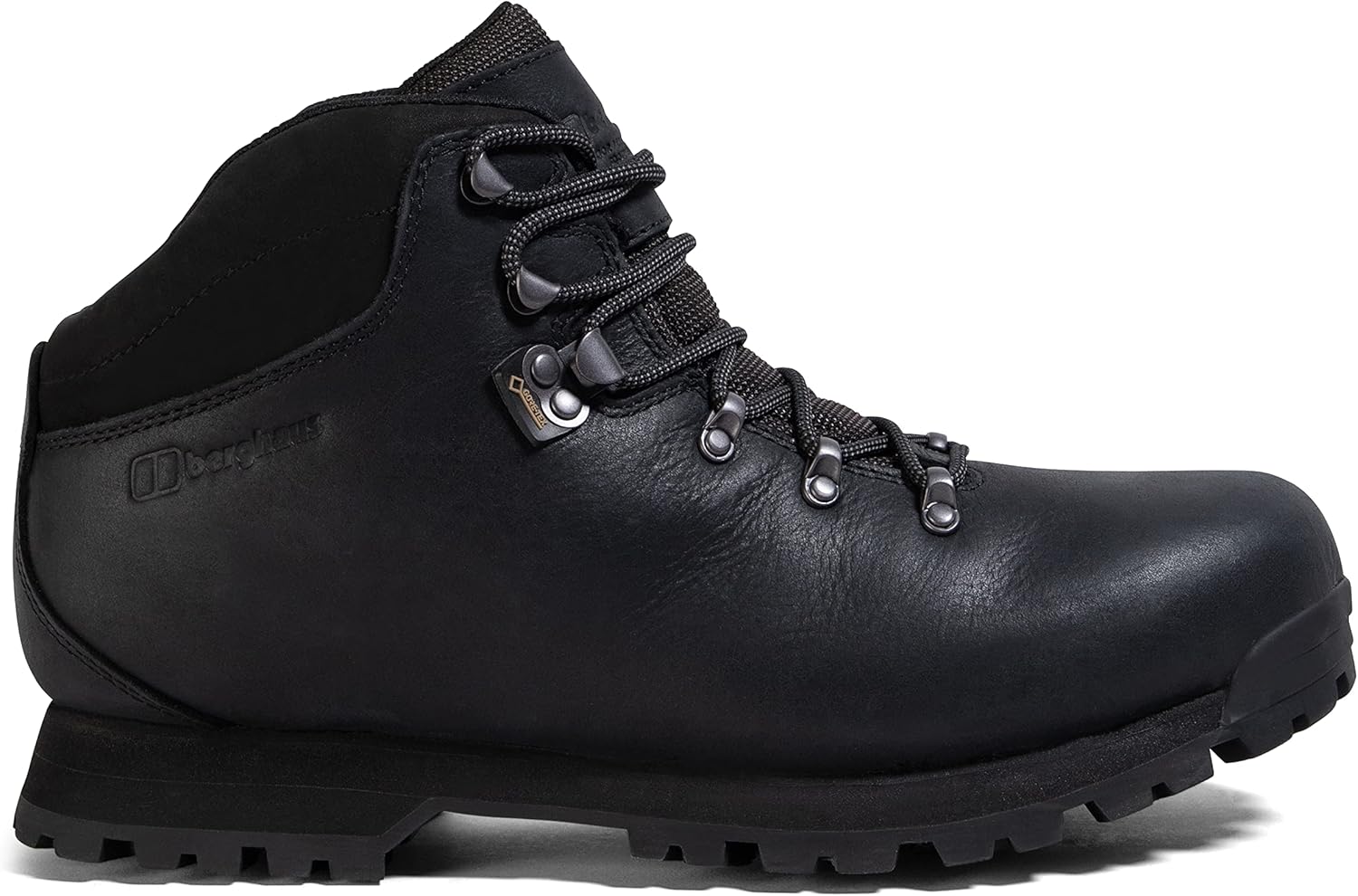
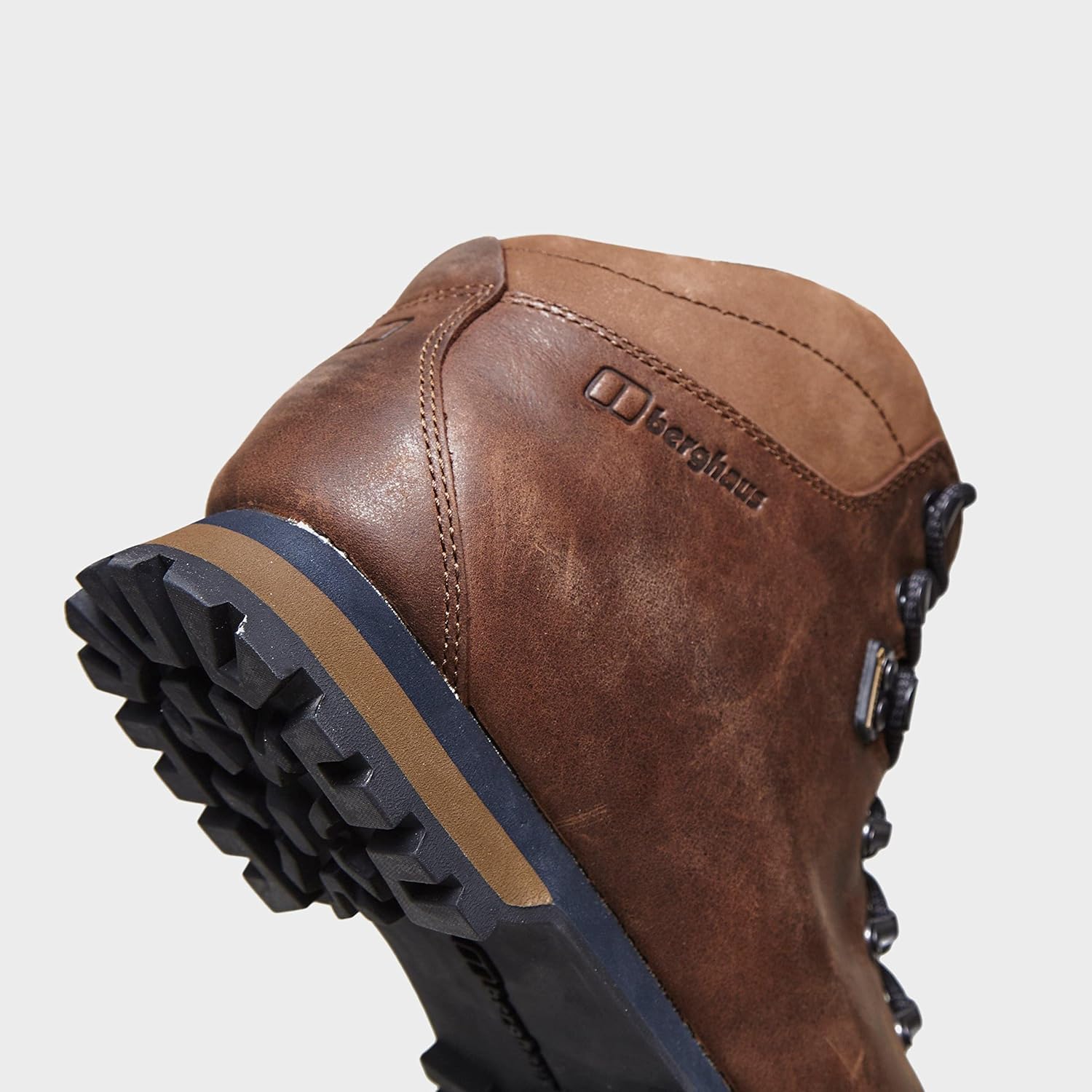
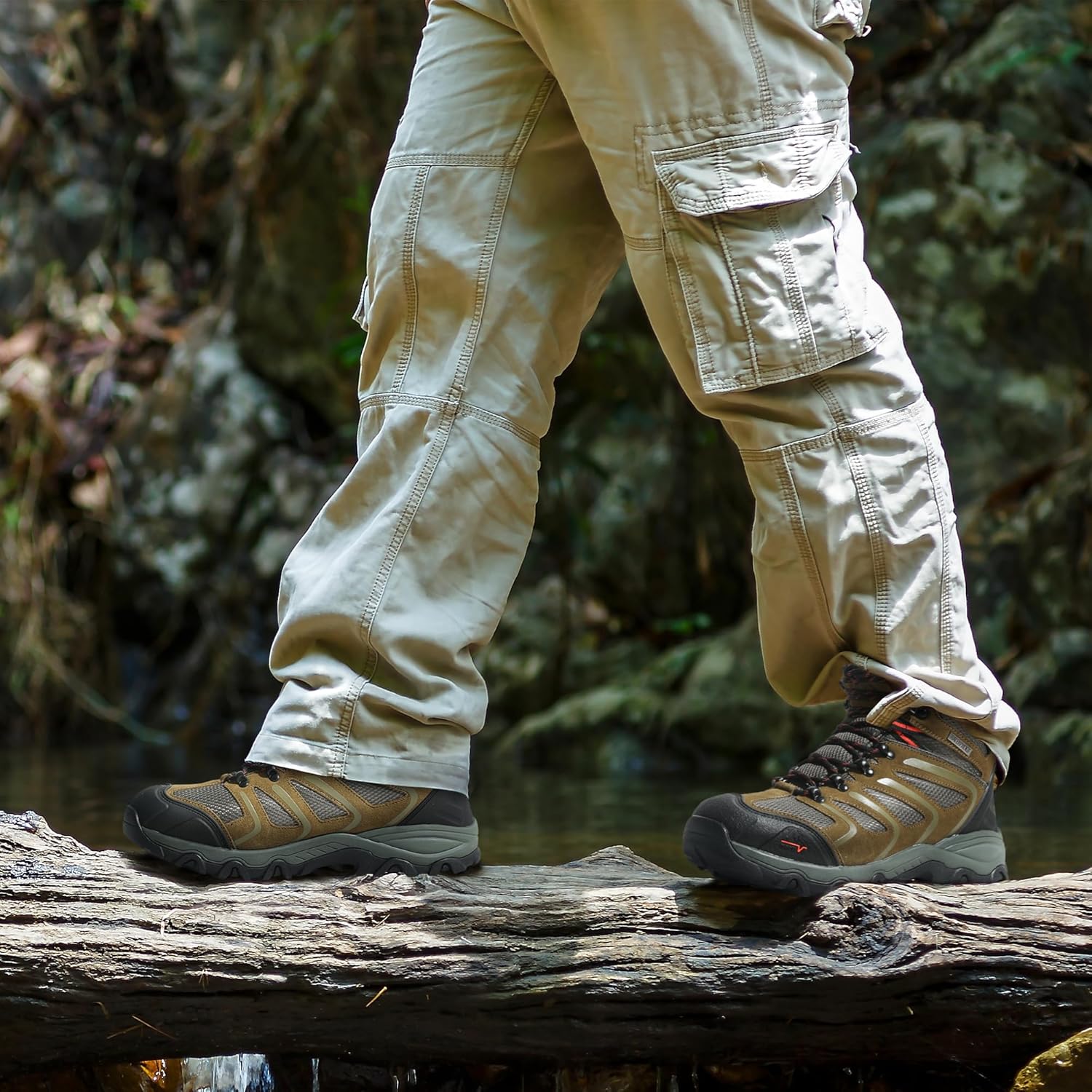
Key construction details that define the best suede hiking boots
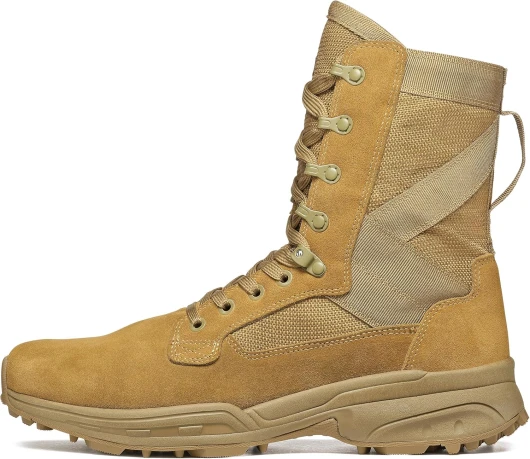
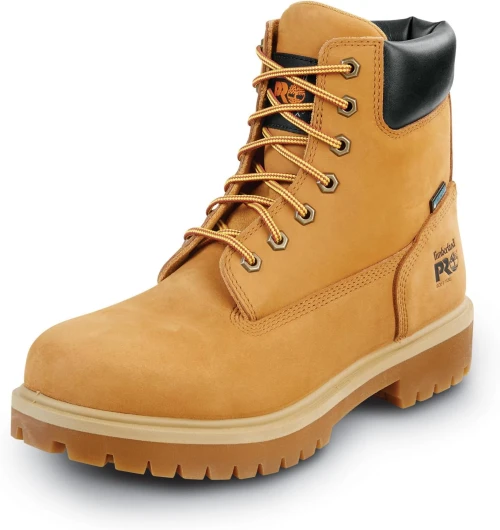
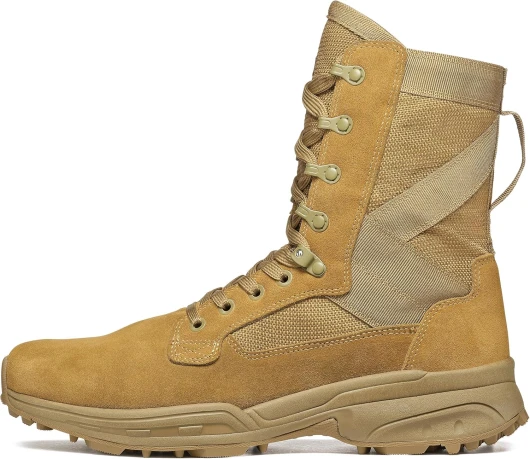
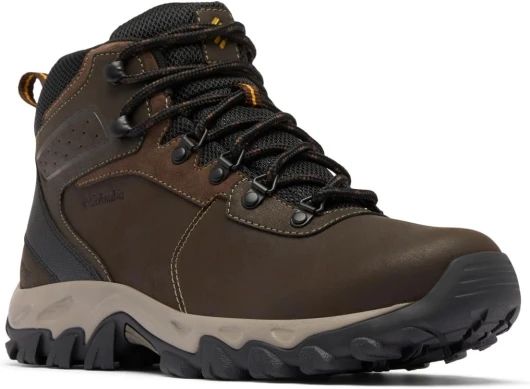
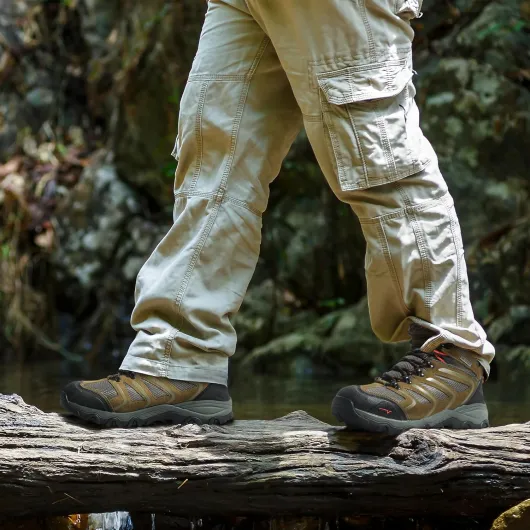
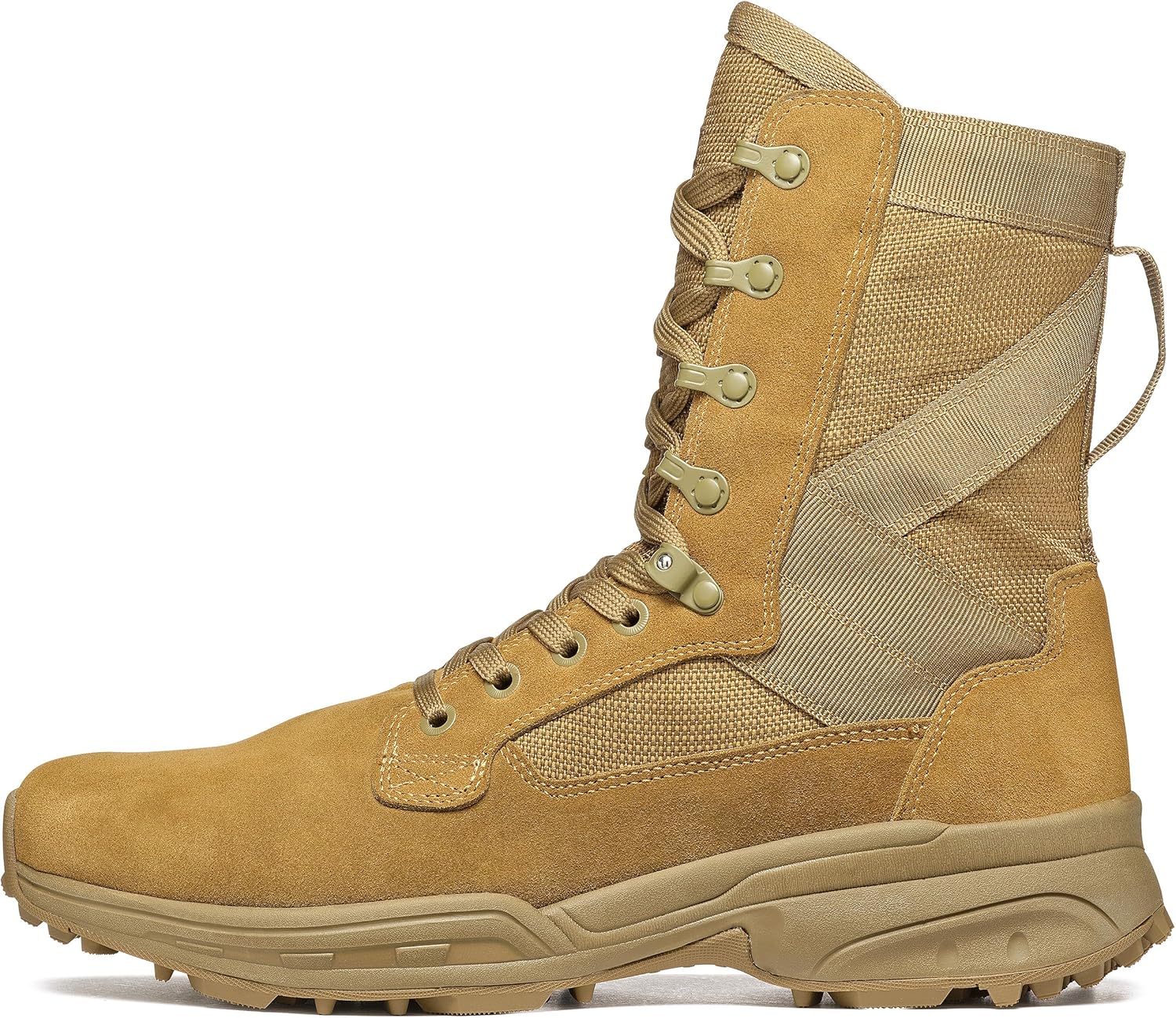
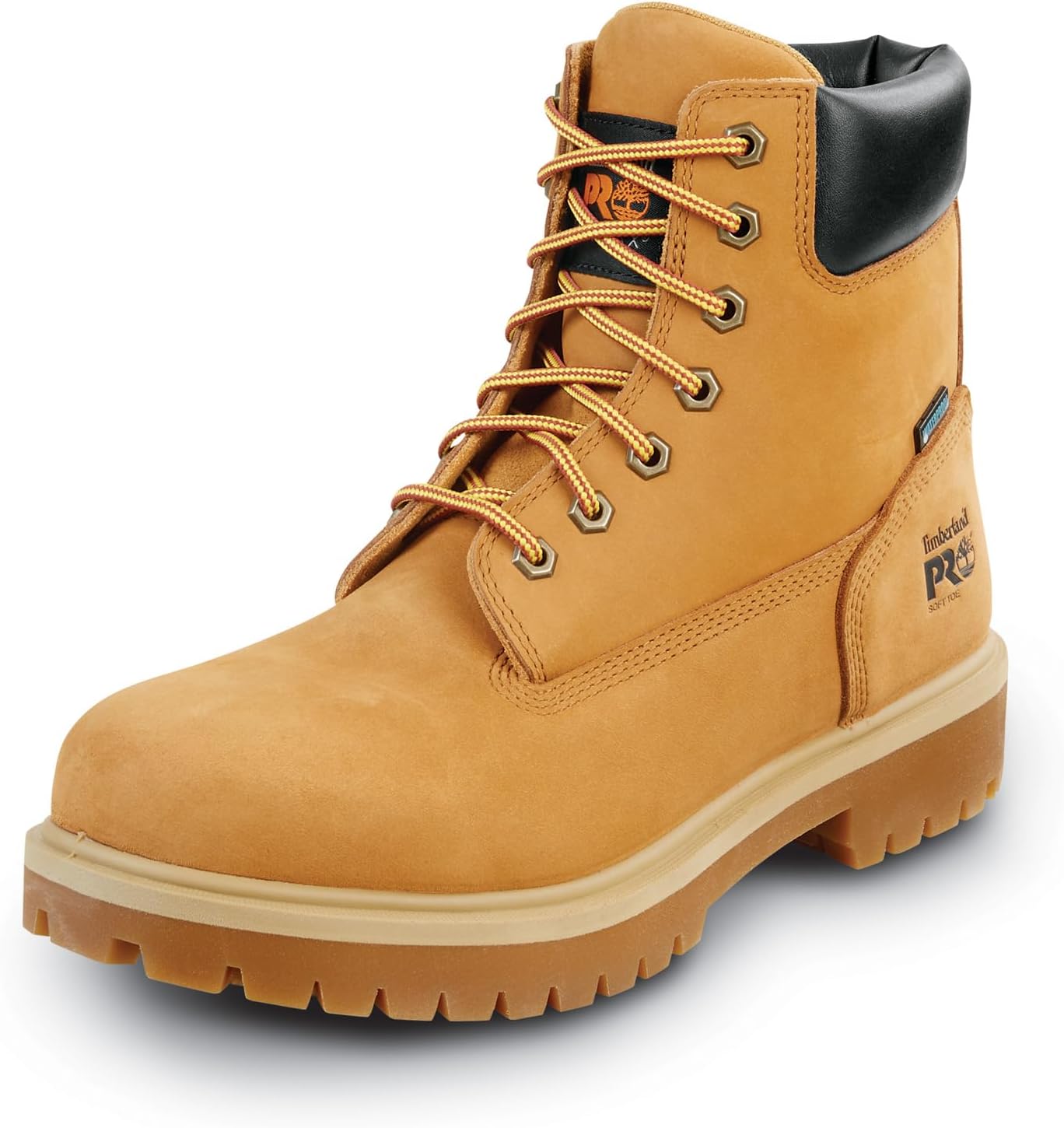
The best suede hiking boots share several construction traits that matter more than marketing slogans. First, the upper must combine suede leather or nubuck leather with strategic overlays that resist abrasion from rocks, crampon straps, and repeated flexing during long hikes. Second, the mid cut or full height boot collar should deliver reliable ankle support without pinching, especially for boots men and boots women designed for technical terrain.
Waterproof hiking performance depends on more than a gore tex or similar gtx label printed on the boot. A mid gtx or moab mid style design can fail if stitching, tongue gussets, or the toe box are poorly sealed, so examine every seam before trusting any waterproof hiking claim. When comparing price and performance, remember that a higher price on a suede hiking boot often reflects better waterproofing, stronger rand protection, and more durable recycled materials in the midsole or shank.
Experienced men hiking and women hiking enthusiasts should also evaluate outsole geometry and rubber compound. A hiking boot or hiking shoe with deep lugs and a stable mid platform will feel more secure on wet slabs than a lighter shoe with shallow tread, even if both claim waterproof features. For a detailed comparison of how hybrid designs blur the line between hiking shoes and trail sneakers, many experts reference tests similar to this guide to choosing the right spikes for challenging trails, which highlights how outsole design shapes real world grip.
Fit, sizing, and the critical role of support on steep ground
Even the best suede hiking boots fail if the fit is wrong for your foot shape. A precise balance between a secure midfoot hold and a generous toe box prevents bruised toenails on long descents while still allowing agile edging on narrow ledges. Both men and women should test boots in the afternoon when feet are slightly swollen, replicating conditions during demanding hikes.
Wide sizes in hiking boots and hiking shoes are essential for many mountaineers, yet some brands still limit wide options in suede hiking models. When a boot or shoe is too narrow, no amount of ankle support or waterproofing can compensate for numb toes and hot spots during multi hour hikes. For boots men and boots women, always compare the internal volume, heel pocket depth, and forefoot width rather than relying only on nominal size labels.
Support also depends on the interaction between the boot midsole, insole, and your pack weight. A lighter hiking shoe might feel perfect on short hikes with a small daypack, but a sturdier hiking boot with a supportive mid platform and firm heel counter will protect joints when carrying heavy loads. For additional stability on steep traverses, pairing supportive suede leather boots with well designed trekking poles, as outlined in this analysis of hiking stick handles, can significantly reduce fatigue and improve balance.
Waterproofing, breathability, and real world moisture management
Waterproof hiking performance in suede leather boots is more nuanced than a simple gore tex label suggests. A gtx or mid gtx membrane can keep external water out, yet moisture from sweat must still escape through the suede hiking upper and lining. When waterproofing is poorly balanced with breathability, feet stay damp, increasing blister risk on long hikes.
Many of the best suede hiking boots use a combination of nubuck leather, suede leather, and mesh panels to fine tune this balance. A mid waterproof design with partial mesh zones can vent heat while still protecting critical areas like the toe box and heel from saturation. Some brands now integrate recycled materials into the lining and footbed, aiming to reduce environmental impact while maintaining effective waterproofing and comfort.
Mountaineers should also consider how waterproof hiking boots behave during multi day hikes when drying time becomes crucial. A fully lined hiking boot may remain damp overnight in a cold hut, whereas a slightly lighter hiking shoe with less padding can dry faster near a stove. For a deeper look at how hybrid waterproof hiking sneakers compare with traditional boots, reviews similar to this test of a modern Gore Tex hiking sneaker illustrate the trade offs between weight, protection, and drying speed.
Weight, durability, and sustainability in modern suede designs
Weight remains a decisive factor when selecting the best suede hiking boots for long alpine routes. Every extra 100 grams on each boot can translate into significant cumulative fatigue over thousands of steps during demanding hikes. A carefully engineered hiking boot or hiking shoe must therefore balance robust protection with a reasonable weight that suits your fitness and objectives.
Durability in suede hiking and nubuck leather models depends on both material quality and construction. Double stitching in high stress zones, a protective rubber rand around the toe box, and a stable mid platform all extend the lifespan of boots men and boots women. Many experienced men hiking and women hiking enthusiasts accept a slightly higher price for boots that survive several seasons of rocky trails instead of failing after a few intense trips.
Sustainability now plays a growing role in how mountaineers evaluate the best suede hiking boots. Brands increasingly use recycled materials in midsoles, webbing, and even laces, while still pairing them with premium suede leather uppers. When comparing price amazon listings or specialist shop offers, look beyond the headline price and assess whether the boot, the shoe, and the overall hiking boots range align with your values on durability, repairability, and environmental impact.
Brand benchmarks, gender specific needs, and value assessment
Among established brands, merrell remains a reference point for many hikers assessing the best suede hiking boots. Models such as the moab mid and moab mid waterproof illustrate how a mid gtx or mid waterproof platform can serve both casual hikes and more technical outings. These hiking boots and hiking shoes show how a single boot family can address men hiking needs and women hiking preferences through tailored lasts and cushioning.
Gender specific design matters because boots men and boots women often require different volume distribution, heel shaping, and ankle support. Best women models typically feature a narrower heel, slightly lower weight, and a more precise fit around the midfoot, while still offering a protective toe box and reliable waterproofing. When evaluating any list of suede hiking or nubuck leather options, compare the men and women versions side by side rather than assuming identical performance.
Value assessment goes beyond the initial price or price amazon figure shown on a product page. A hiking boot or hiking shoe that fits perfectly, offers durable waterproof hiking performance, and uses recycled materials responsibly will often deliver the best long term return. In the words of many seasoned mountain guides, "buy once, cry once" captures the logic of investing in truly best suede hiking boots instead of repeatedly replacing cheaper, less supportive models.
Key statistics on hiking footwear performance and usage
- Specialist surveys indicate that more than half of experienced hikers now alternate between hiking boots and hiking shoes depending on terrain and pack weight.
- Field testing on alpine trails shows that a reduction of 200 grams per boot can lower perceived fatigue by up to 10 percent on full day hikes.
- Independent lab measurements reveal that modern gore tex and similar gtx membranes can maintain waterproofing for several hundred hours of simulated rain exposure when properly protected by suede leather or nubuck leather uppers.
- Usage data from guiding companies suggests that wide fit boots men and boots women significantly reduce blister incidence on multi day hikes compared with standard width models.
- Industry reports highlight that the proportion of hiking boot and hiking shoe components made from recycled materials has more than doubled over the last product cycles.
Questions frequently asked about suede hiking boots
Are suede hiking boots suitable for wet and muddy conditions ?
Suede hiking boots can perform well in wet conditions when they include a reliable waterproof hiking membrane such as gore tex or another gtx technology. The key is combining that membrane with well treated suede leather or nubuck leather and carefully sealed seams. Regular cleaning and reproofing preserve waterproofing and prevent the suede hiking upper from becoming saturated and heavy.
How should suede hiking boots fit for long mountain hikes ?
The best suede hiking boots should hold the heel securely while allowing toes to wiggle freely inside the toe box. A thumb width of space in front of the longest toe helps prevent bruising on steep descents during long hikes. For many hikers, choosing wide sizes or gender specific lasts in boots men and boots women ensures better comfort and ankle support.
What is the difference between suede leather and nubuck leather in hiking boots ?
Suede leather is typically made from the inner split of the hide, giving a softer, more flexible feel in a hiking boot or hiking shoe. Nubuck leather is sanded on the outer grain side, creating a finer nap that is slightly more resistant to abrasion and often used on premium hiking boots. Both materials can be integrated with recycled materials and waterproofing membranes to create the best suede hiking boots for technical hikes.
When should I choose hiking shoes instead of hiking boots ?
Hiking shoes are ideal for lighter hikes, fast and light missions, and situations where reduced weight matters more than maximum ankle support. A hiking shoe with a stable mid platform and partial waterproofing can feel more agile on well maintained trails. For rough, rocky, or snowy terrain, a higher cut hiking boot or mid waterproof design usually offers better protection and long term comfort.
How do I evaluate value beyond the initial price of suede hiking boots ?
Value depends on durability, fit, and performance rather than price alone or a tempting price amazon offer. A well built suede hiking boot that lasts several seasons, maintains waterproof hiking protection, and uses recycled materials responsibly will often cost less per hike than cheaper alternatives. Consider the total kilometres of hikes, the comfort level under load, and the reliability of the waterproofing when judging the best suede hiking boots for your needs.