Ankle protection, fit, and the role of mid GTX designs
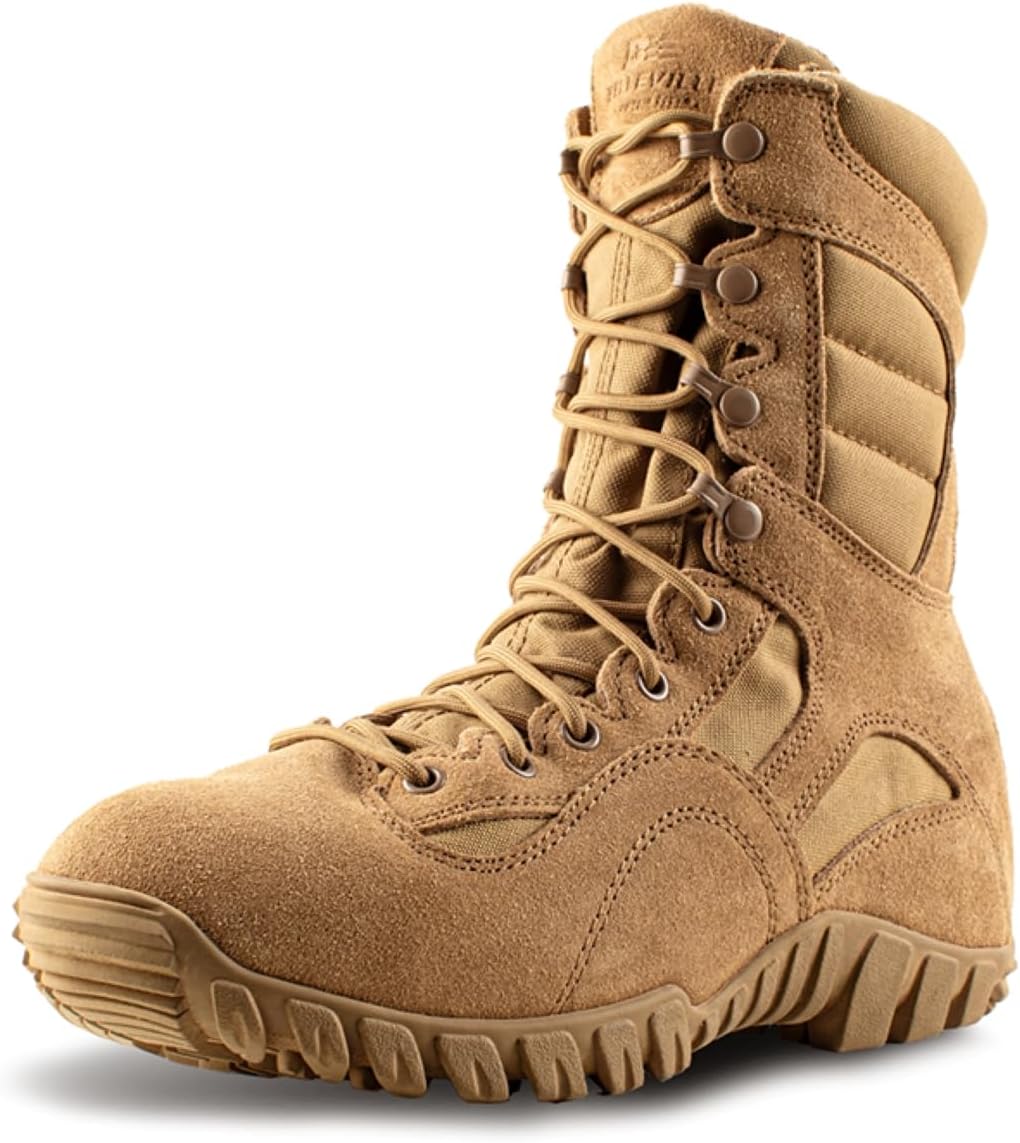
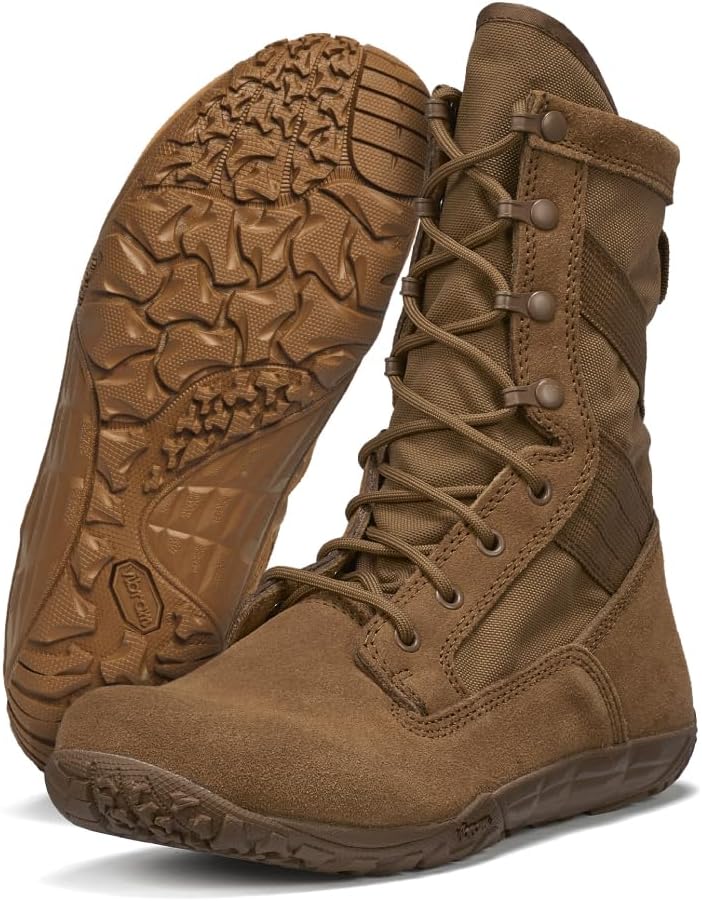
Among serious hikers, debate continues between low shoes and mid or high boots, yet ankle protection remains a priority on technical routes. A well designed mid GTX hiking boot wraps the ankle with structured padding, which can prevent minor rolls from becoming trip ending injuries. The best hiking boots with Vibram soles often use a slightly stiffer collar that still allows natural flex while side hilling.
Fit is central to comfort and long term support, especially when carrying heavy loads over many kilometres. A boot that locks the heel while allowing the toes to splay reduces blister risk and improves traction because your foot moves less inside the boot. Many men and women find that a mid waterproof model with a precise lacing system lets them fine tune pressure over the instep and forefoot.
On multi day treks to remote destinations, such as routes described in this essential guide to reaching demanding canyon trails, ankle stability becomes even more critical. A high GTX or ultra mid boot with Vibram rubber can provide the balance between agility and security that technical approaches require. When testing different hiking boots, walk on angled surfaces and stairs to feel how the ankle area behaves under real world stress.
Leather, nubuck, and modern synthetics in Vibram equipped boots
Material choice shapes how a hiking boot ages, breathes, and resists abrasion on rough trail days. Traditional full grain leather and nubuck leather uppers, as seen in many classic boots, offer durability and natural water resistance, especially when paired with a gore tex liner. These leather boots can feel heavy at first, yet they often mould to the foot and become exceptionally comfortable for long distance hiking.
Modern synthetics, used in models like the sportiva Nucleo High or the sportiva Nucleo High GTX, reduce weight while maintaining structure and support. The sportiva Nucleo series combines a Vibram outsole with a breathable waterproof membrane, giving hikers a boot with impressive traction and weather protection. Many men and women who alternate between leather and synthetic hiking boots notice that synthetics dry faster after stream crossings or prolonged rain.
Hybrid constructions, such as nubuck leather panels reinforced with synthetic mesh, aim to balance toughness and ventilation. These designs appear in several pro mid and ultra mid boots that target demanding alpine and hut to hut routes, including trips to historic backcountry shelters like those described in this article on the legacy of mountain division huts. When assessing the best hiking boots with Vibram soles, inspect stitching, rand coverage, and toe cap protection to ensure the upper matches the outsole’s capability.
Comparing iconic models: Salomon Quest, Merrell Moab, and Altra Lone Peak
Within the landscape of hiking boots, a few model families repeatedly earn trust from guides and seasoned trekkers. The Salomon Quest line, including the salomon Quest mid GTX and related high GTX versions, focuses on strong ankle support and chassis stability for heavy backpacking. Many men appreciate how a salomon Quest boot with Vibram or proprietary rubber feels planted when side hilling with a loaded pack.
The Merrell Moab series, especially the merrell Moab mid waterproof and moab mid GTX variants, targets hikers who prioritise out of the box comfort. These hiking boots use cushioned midsoles and supportive footbeds to reduce fatigue on long trail days, while Vibram outsoles deliver reliable traction on mixed surfaces. Women and men who value immediate comfort often gravitate toward a merrell Moab boot for moderate backpacking and day hiking.
For those who prefer a lighter, more flexible feel, the altra Lone Peak and altra Lone Peak mid models offer a different philosophy. These ultra inspired designs feature a zero drop platform and roomy toe box, giving a natural foot position that some hikers find more comfortable over ultra distance routes. When comparing the best hiking boots with Vibram soles to lighter alternatives like the lone peak family, consider your typical pack weight, ankle history, and terrain steepness before committing.
Technical traction, rush pro designs, and performance on demanding trails
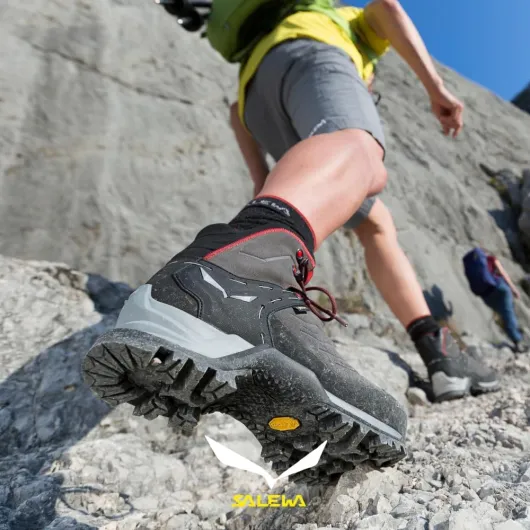
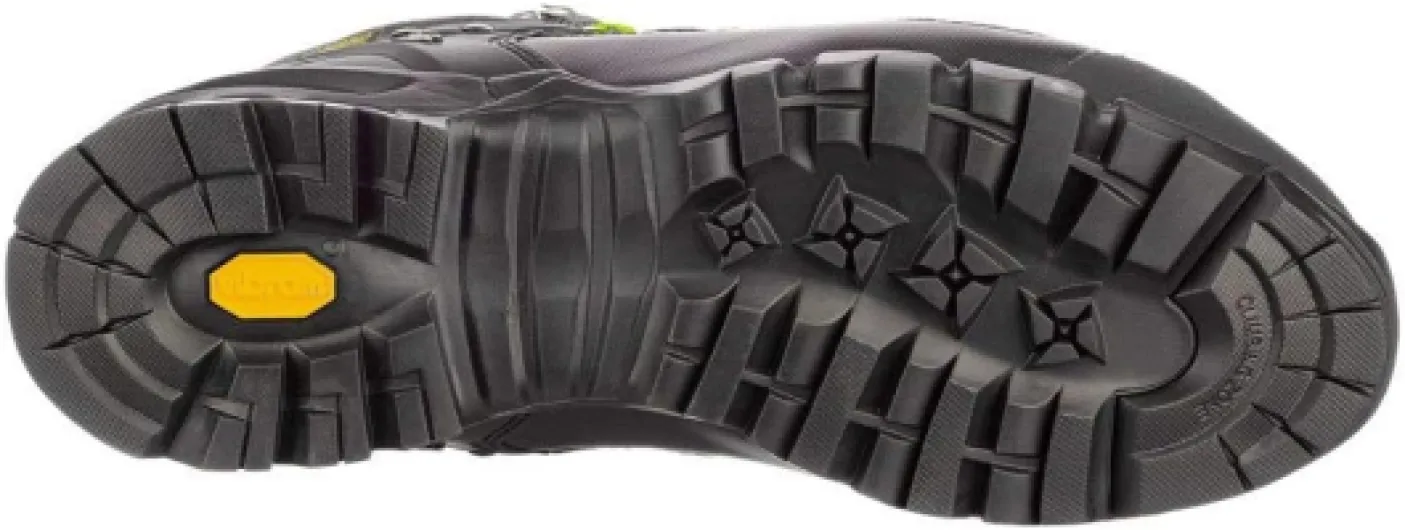
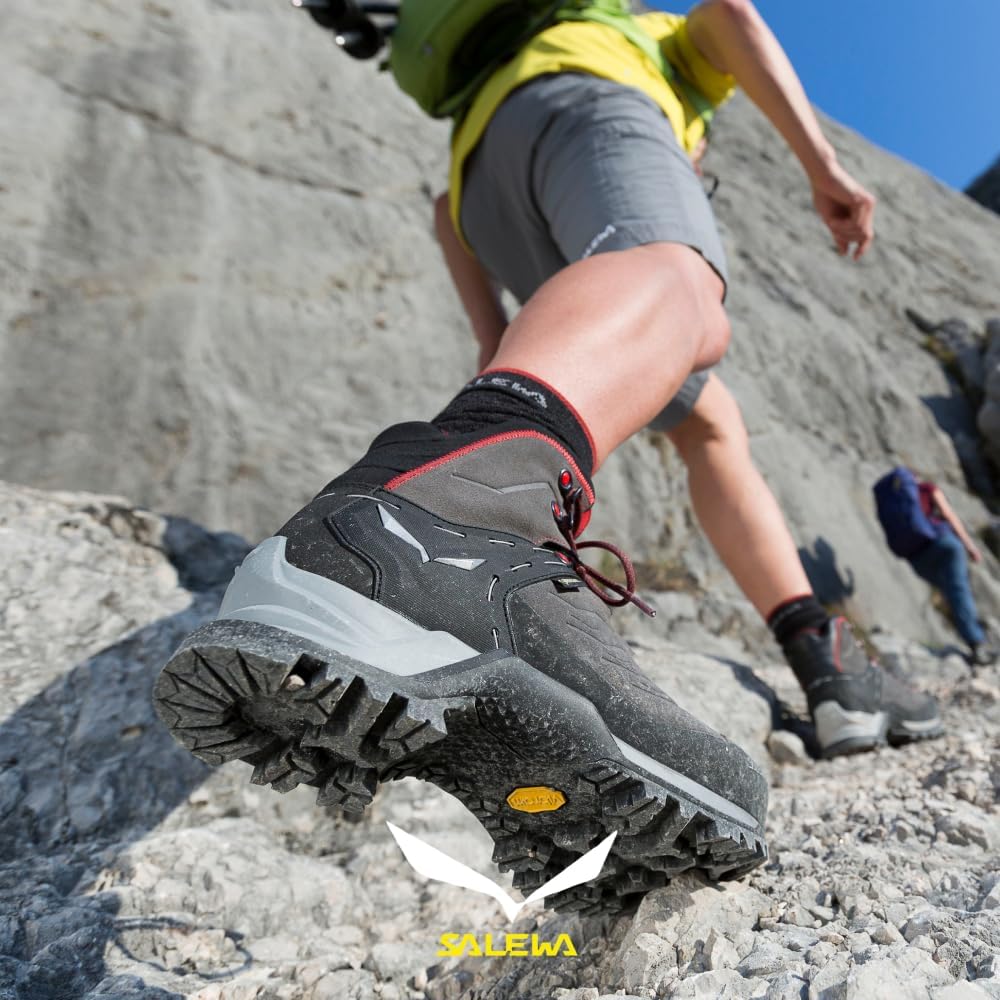
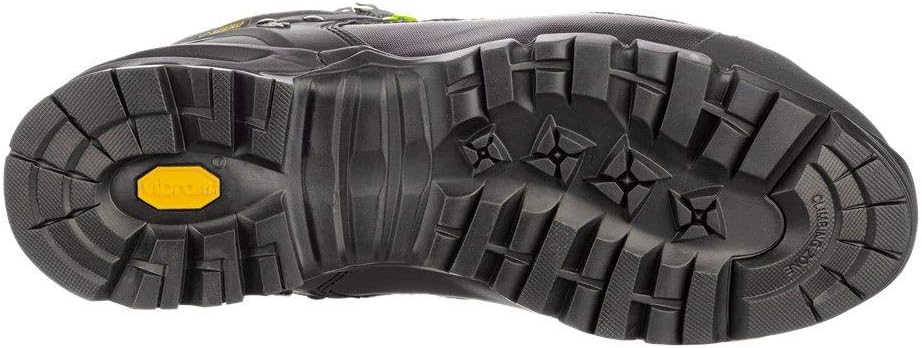
Traction is more than just aggressive lugs ; it is about how the entire sole package interacts with rock, mud, and snow. Vibram equipped hiking boots often use zoned patterns, with braking lugs under the heel and climbing zones under the toe for precise edging. On steep, loose trail sections, this design can mean the difference between controlled steps and repeated slips.
Technical models such as the rush pro and rush pro mid lines emphasise agility without sacrificing support, making them suitable for fast hiking and light mountaineering. These boots combine responsive midsoles, structured ankle collars, and Vibram outsoles tuned for mixed alpine terrain. Many ultra distance athletes choose a rush pro boot with a mid GTX configuration when they need weather protection without excessive weight.
For hikers planning ambitious objectives or seeking perfect presents for thrill seekers, curated gear lists like this guide to thoughtful gifts for adventure lovers can highlight proven models. Whether you select a leather high GTX boot or a synthetic ultra mid design, test traction on wet stone, packed dirt, and loose gravel before committing to a long expedition. The best hiking boots with Vibram soles should inspire confidence when you edge across snow patches, descend scree, or cross slick roots in dense forest.
Buying smart: evaluating comfort, price, and long term value
Serious hikers treat boot selection as an investment rather than a casual purchase. When you check price information, whether through a specialist retailer or a price REI style comparison, focus on value over simple cost. A more expensive hiking boot with superior support, durable nubuck leather, and a Vibram sole may outlast two cheaper pairs on demanding trail systems.
Comfort should be evaluated over several hours, not just a quick try on in the shop. Wear the boots with your usual hiking socks, lace them as you would for a steep ascent, and walk on inclines or stairs to assess heel hold and forefoot space. Many retailers offer a credit or exchange period, which allows you to test the best hiking boots with Vibram soles on local paths before committing fully.
For both men and women, long term satisfaction often comes from matching boot category to terrain and pack weight. Heavy leather high GTX boots suit extended alpine trekking with substantial loads, while lighter mid waterproof or ultra mid designs work better for fast hiking and moderate packs. When you evaluate models like sportiva Nucleo, merrell Moab, salomon Quest, or altra Lone Peak, consider not only traction and ankle support but also how the boot will feel on your longest planned day.
Care, maintenance, and extending the life of Vibram soled boots
Even the best hiking boots with Vibram soles require regular care to maintain performance and safety. After muddy or dusty outings, remove the insoles, loosen the laces, and rinse the outsole and upper with lukewarm water to preserve traction and material integrity. Allow the boot to dry slowly at room temperature, avoiding direct heat that can damage leather, gore tex membranes, and adhesives.
Conditioning full grain leather and nubuck leather periodically helps prevent cracking and maintains water resistance. Use products compatible with your boot’s membrane, especially if it is a mid GTX or high GTX design, to avoid clogging pores and reducing breathability. For synthetic boots, focus on keeping seams clean and checking for abrasion around the ankle collar, toe rand, and flex points.
Over time, Vibram outsoles wear down, particularly under the heel and forefoot where traction is most critical. Many high quality hiking boots can be resoled, which extends the life of a well broken in upper and preserves familiar comfort. When lug depth becomes shallow or the sole feels slick on wet rock, consult a professional cobbler about resoling options before the boot becomes unsafe on demanding trail terrain.
Key statistics on hiking footwear performance and safety
- Specialist footwear with structured ankle support can reduce lower limb injury rates on rough trails by up to one third compared with unspecialised shoes.
- Field observations from long distance routes show that many hikers replace heavily used Vibram soled boots after approximately 1 200 to 1 800 kilometres of mixed terrain use.
- Surveys of experienced backpackers indicate that more than half prioritise traction and outsole durability over weight when choosing new hiking boots.
- In guided trekking groups, participants wearing boots with effective waterproof membranes report significantly fewer cases of prolonged foot maceration after multi day storms.
Essential questions about hiking boots with Vibram soles
Are Vibram soled hiking boots always better than other options ?
Vibram soled hiking boots are widely respected for reliable traction and durability, yet they are not automatically superior for every hiker. Some brands use proprietary rubber compounds that perform equally well in specific conditions, such as dry desert rock or packed forest trail. The best choice depends on your terrain, pack weight, and personal preference for feel underfoot.
How should a hiking boot with ankle support fit for long treks ?
A supportive hiking boot should hold the heel securely while allowing the toes enough room to move without hitting the front on descents. Around the ankle, padding should feel snug but not restrictive, with no sharp pressure points when you flex forward or side hill. Aim for a fit that permits slight swelling over long days while still maintaining precise control on uneven ground.
Do gore tex and other waterproof membranes make boots too warm ?
Gore tex and similar membranes add some warmth compared with fully unlined mesh boots, especially in hot, dry climates. However, many modern designs use breathable laminates and venting zones to balance weather protection with moisture management. For mixed mountain conditions with frequent rain or snow patches, the benefits of dry feet often outweigh the modest increase in warmth.
When should I replace or resole my Vibram equipped hiking boots ?
Consider replacement or resoling when the lugs become noticeably shallow, the heel brake loses definition, or you start slipping more on familiar terrain. Inspect the midsole for compression lines and the upper for cracks, delamination, or deep creases that no longer support the foot. If the upper remains structurally sound, resoling can be a cost effective way to extend the life of a trusted boot.
Are lighter ultra style boots suitable for heavy backpacking loads ?
Lighter ultra inspired boots and shoes can feel agile and comfortable, but they may lack the torsional stiffness and ankle structure needed for very heavy packs. For extended trips with substantial loads, many guides still recommend a more supportive mid or high boot. If you prefer lighter footwear, test it under full pack weight on demanding terrain before committing to a major expedition.