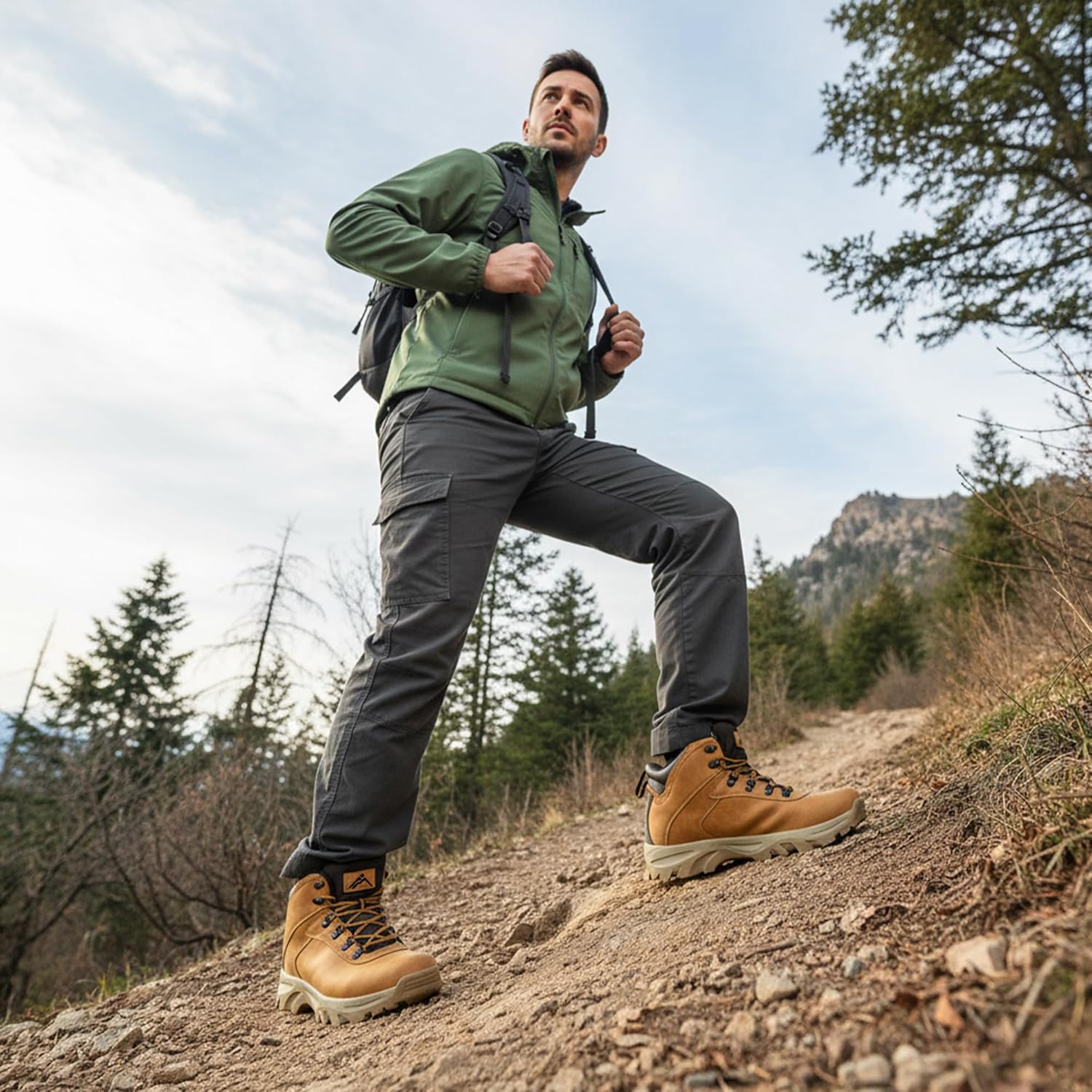
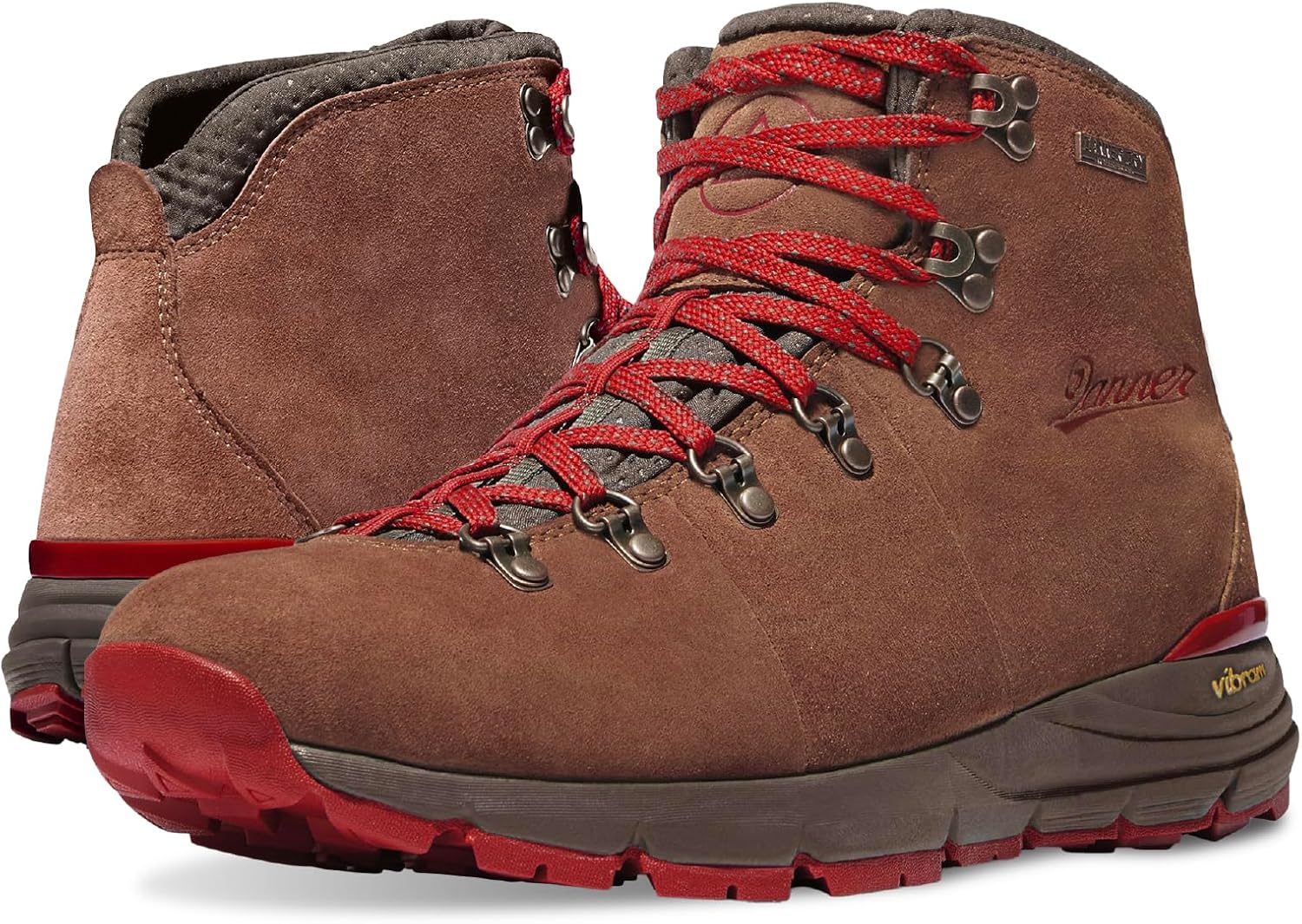
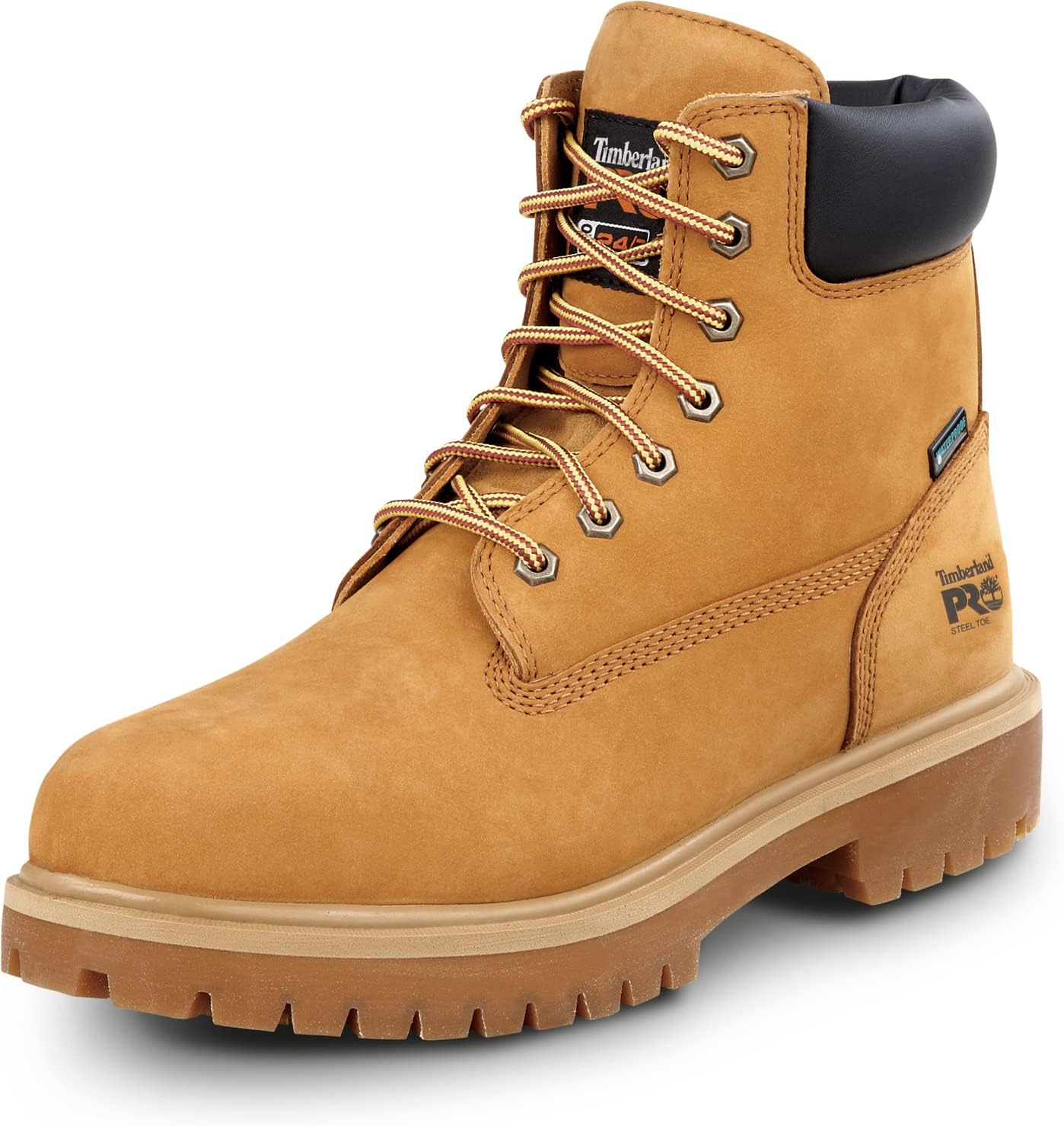
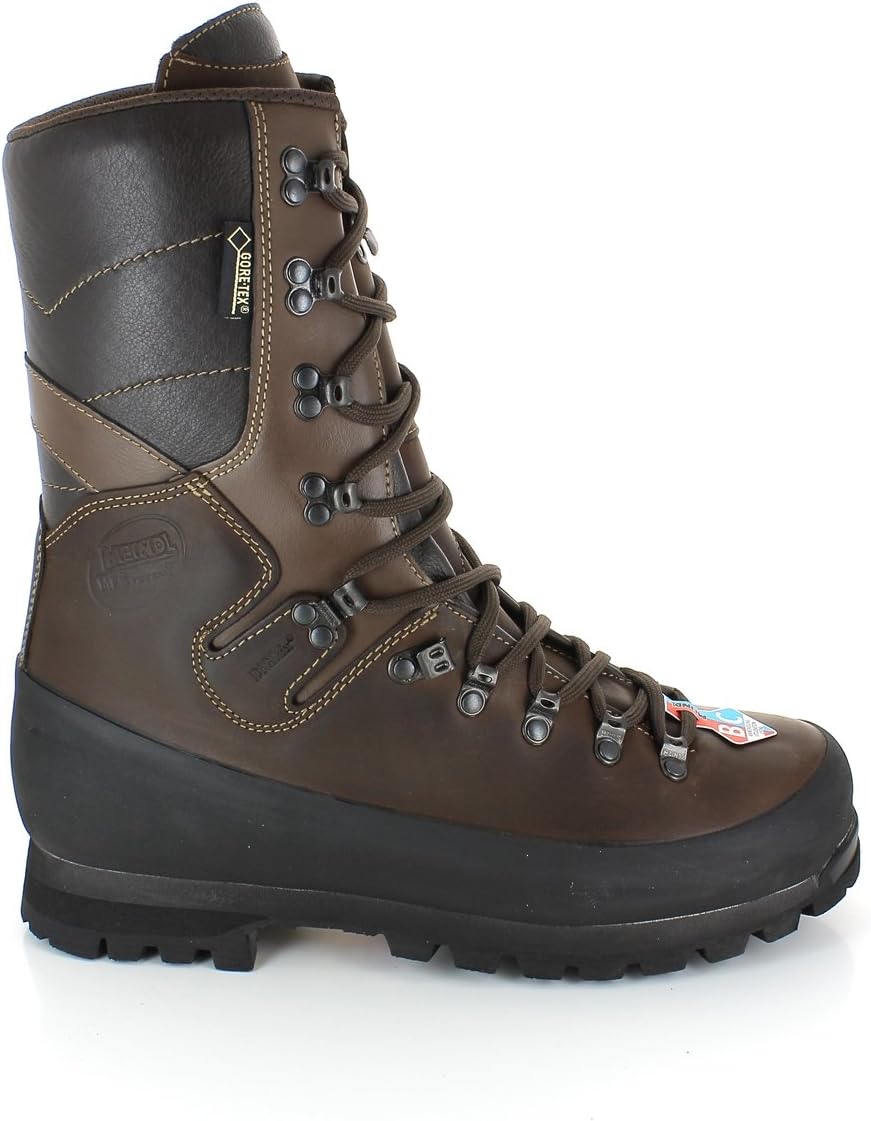
Key fit principles for wide feet in hiking boots
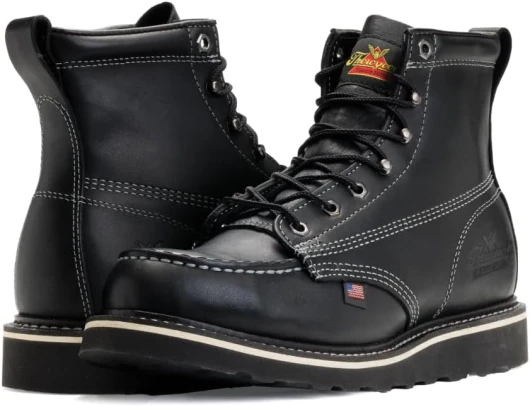
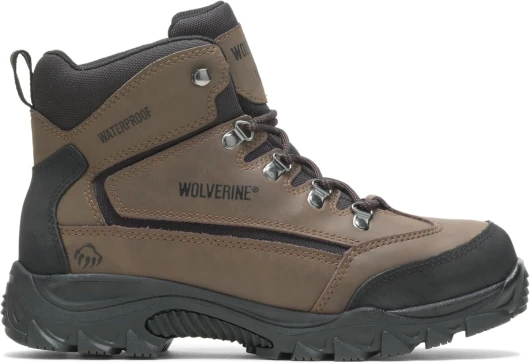
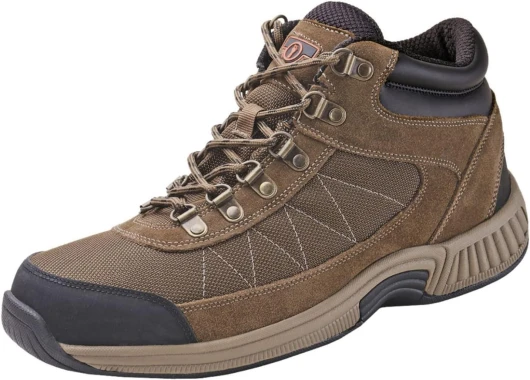
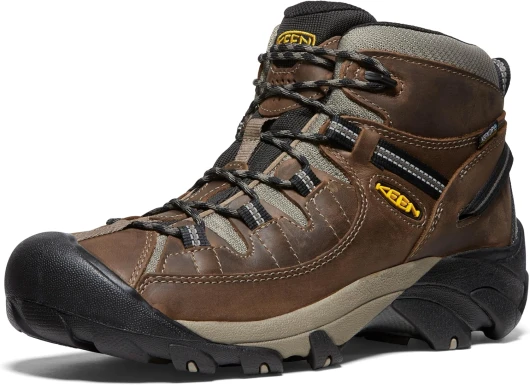
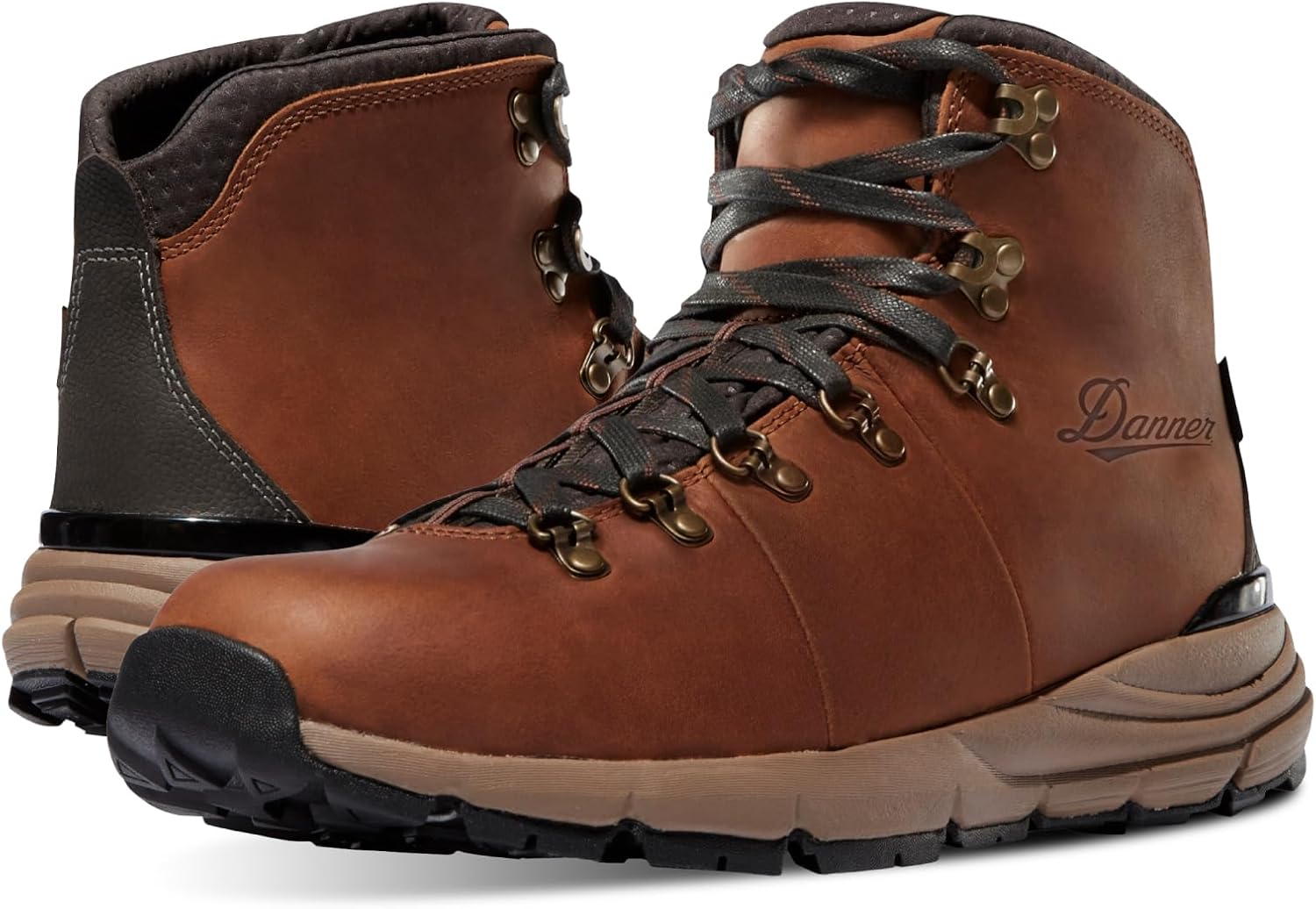
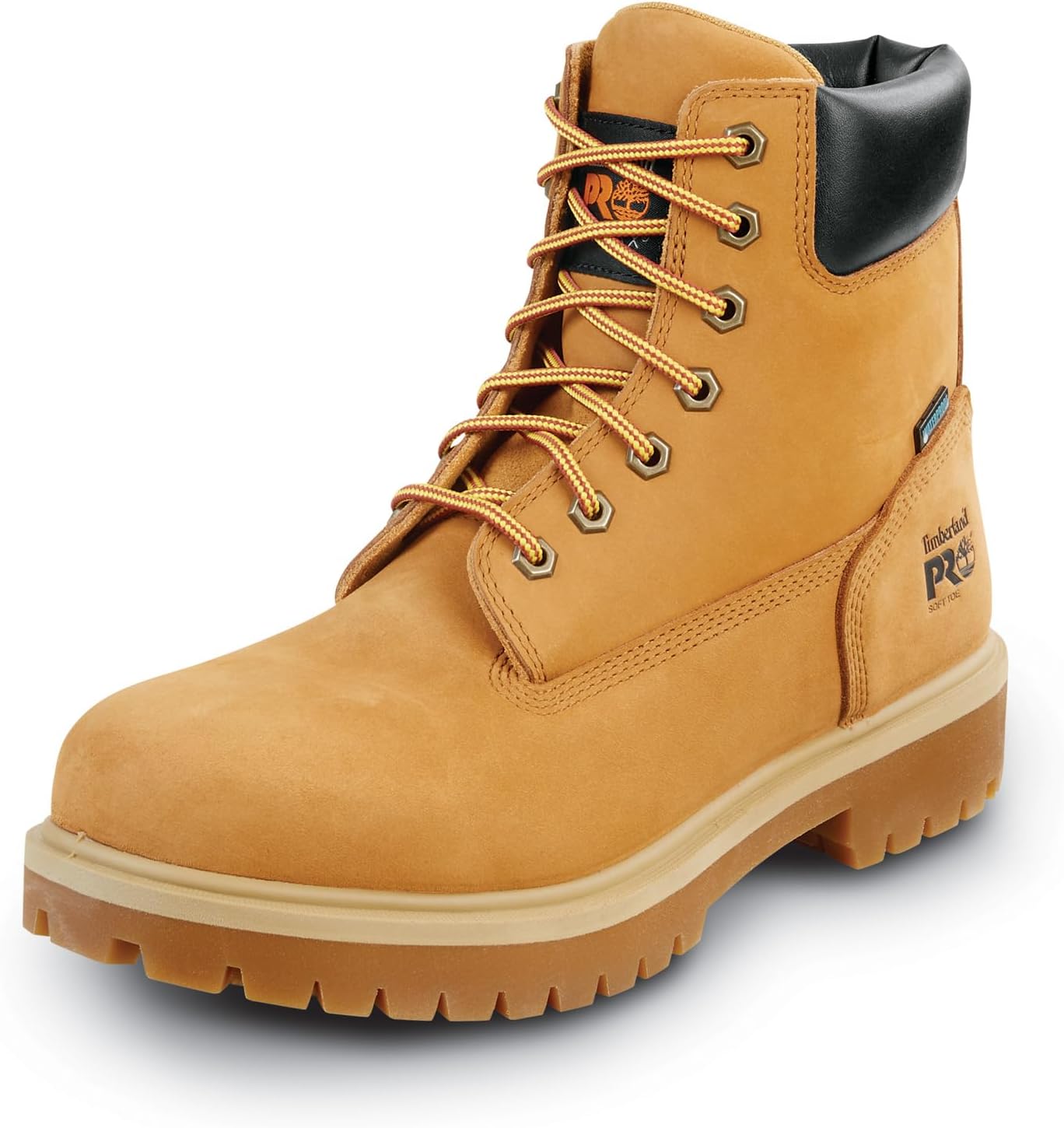
Choosing the best hiking boots for wide feet starts with understanding how length, width, and volume interact. You need roughly a thumb’s width in front of the longest toe when standing, yet the midfoot should feel hugged so the hiking boot does not slide on descents. A true wide fit adds space across the metatarsals and in the toe box without letting the heel lift on steep, loose terrain.
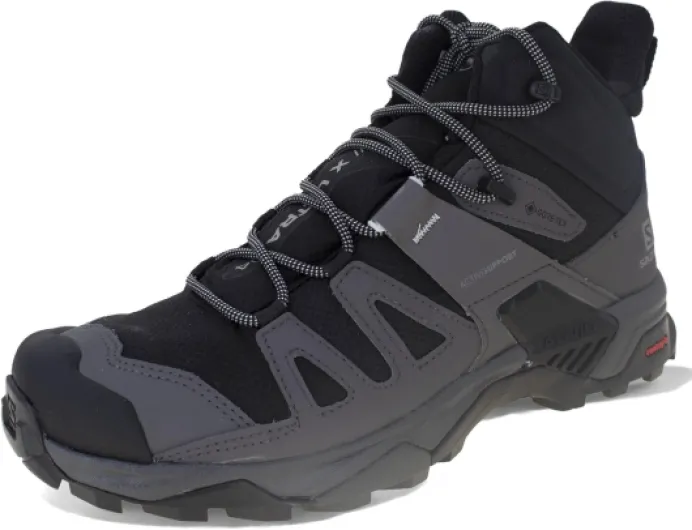
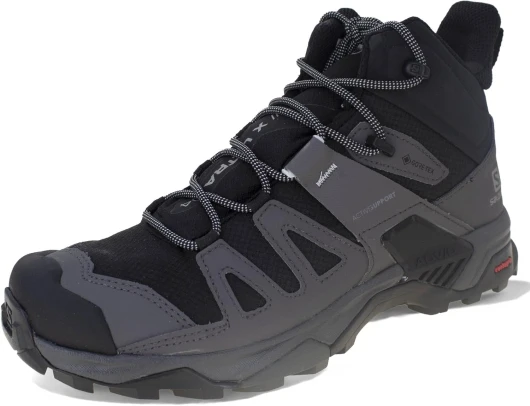
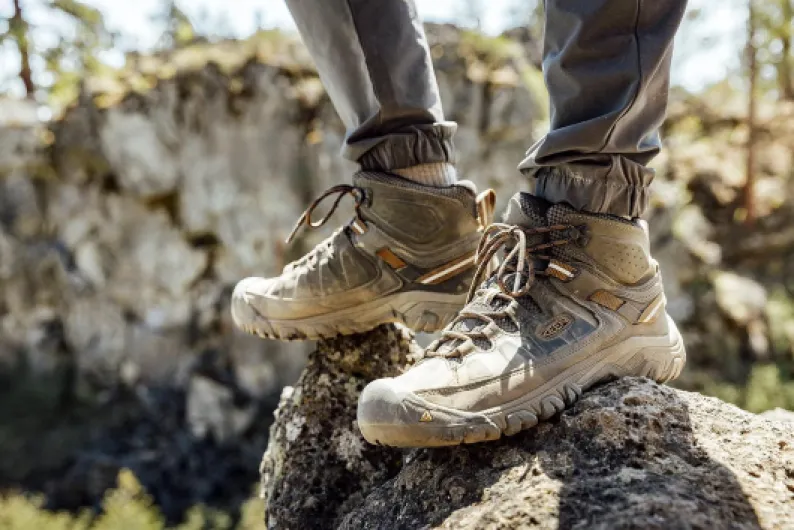
For men and women with broad forefeet, mid cut boots often provide the best compromise between ankle support and natural movement. A mid gtx model with a precise lacing system can stabilize the ankle better than a high collar that simply clamps the lower leg, especially after an ankle sprain where careful boot selection is critical ; in that case, reviewing guidance on choosing the right ankle boot for hiking after a sprain is particularly useful. When evaluating any mid waterproof design, check that the collar foam does not pinch the malleolus once the laces are fully tensioned.
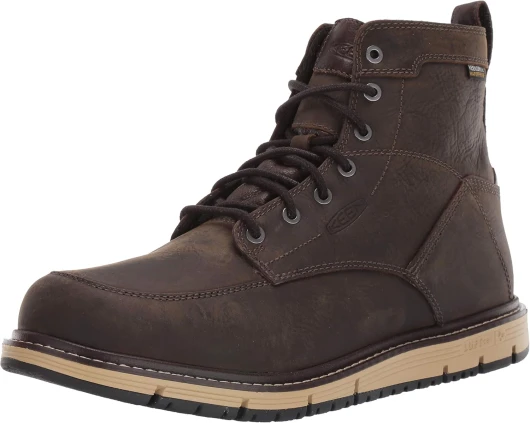
Wide feet also change how you assess materials and construction details in hiking boots. Nubuck leather uppers stretch slightly over time, while synthetic mesh panels in lightweight hiking shoes tend to hold their shape but can crease over the little toe. For the best hiking experience, hikers should check the insole shape, heel cup depth, and tongue gusset, because these small elements decide whether a wide hiking boot feels secure or sloppy after several hours on rugged trails.
Materials, waterproofing, and the reality of comfort
Outdoor enthusiasts often assume that a waterproof hiking boot automatically delivers superior comfort, yet the reality is more nuanced for wide feet. A leather mid waterproof model with a full gore tex membrane can feel snugger than its non waterproof twin because the extra layers reduce internal volume. Hikers with broad forefeet therefore need to check not only the nominal width but also how the waterproof construction affects the usable space around the toes.
Modern gtx membranes in hiking boots balance breathability and protection, but they still trap more heat than unlined mesh hiking shoes. On cool alpine day hikes this extra warmth can be welcome, while in humid forests it may increase sweat and friction around the little toe. For wide feet, the best hiking boots are often those that pair a waterproof hiking design with generous ventilation ports and a smooth interior lining that reduces hot spots.
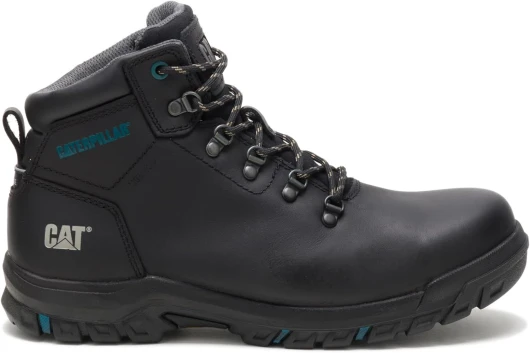
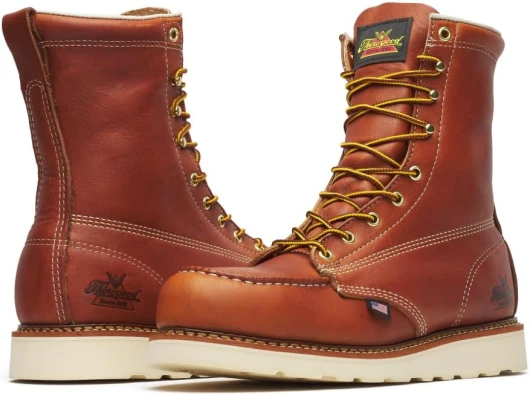
Nubuck leather and split leather uppers remain popular in boots men and women rely on for durability, yet they require a careful break in period. During those first outings, hikers should keep distances short, check for pressure over the big toe joint, and adjust lacing to fine tune the fit. When knee or joint issues are present, pairing supportive hiking boots with an appropriate brace can further reduce strain, and resources on the best knee brace for hiking can complement the footwear choice for demanding routes.
Traction, stability, and performance on technical trails
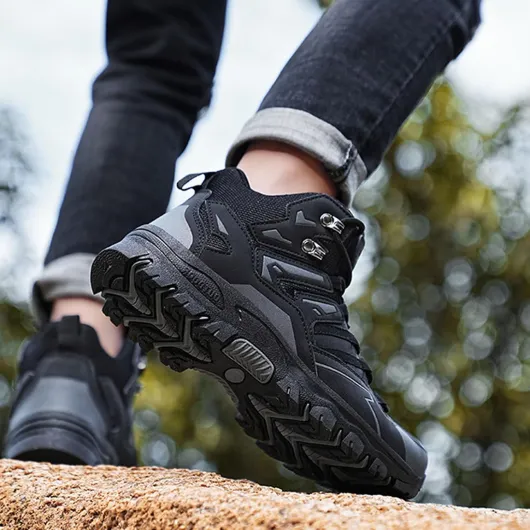
For mountaineers and seasoned hikers, the best hiking boots for wide feet must perform predictably on wet rock, mud, and loose scree. Traction is not only about outsole rubber ; it also depends on how securely the wide foot sits over the platform of the hiking boot. If the forefoot slides laterally inside the boot, even an aggressive lug pattern cannot compensate for the delayed response when edging on narrow ledges.
Many modern hiking boots and hiking shoes use multi density midsoles to balance cushioning and stability. A lightweight hiking design like the topo athletic trailventure, often described as an athletic trailventure style boot, pairs a wide anatomical toe box with a rockered sole that encourages a smooth stride. For wide feet, this combination can reduce forefoot fatigue on long day hikes, provided the midsole is not so soft that it allows the boot to twist excessively under a heavy pack.
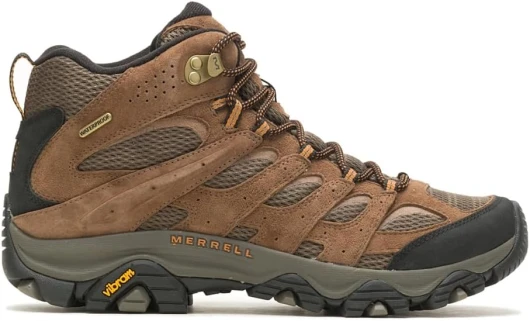
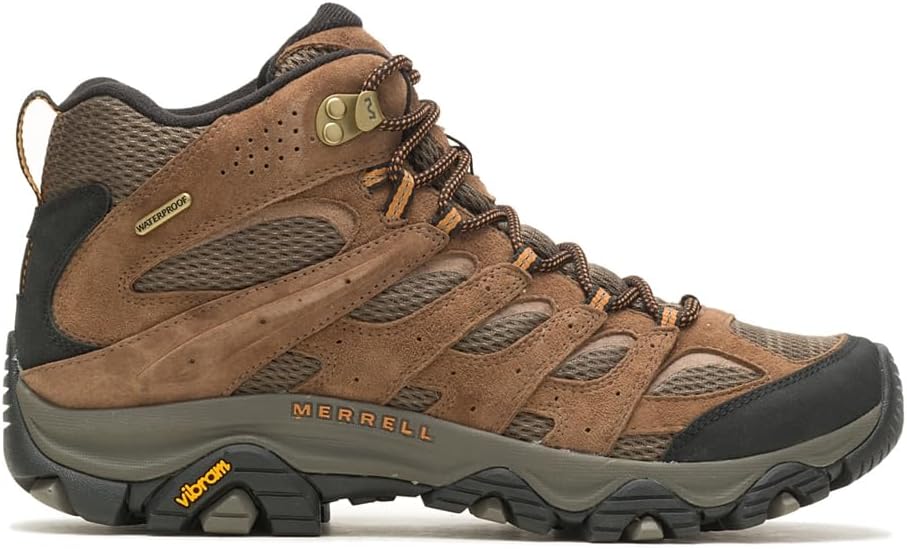
Classic models such as the merrell moab mid waterproof and the lowa renegade mid gtx remain benchmarks among hikers because they blend reliable traction with proven comfort. The merrell moab line, including both hiking shoes and boots, offers generous forefoot volume that suits many wide feet when the correct size is chosen. When evaluating any of these boots best known for comfort, hikers should check the heel lock on steep descents and ensure the toe box still allows natural splay when the laces are fully tensioned for technical traverses.
Comparing iconic models and understanding price versus value
When assessing the best hiking boots for wide feet, comparing iconic models helps clarify what you truly pay for. The lowa renegade mid gtx, for example, uses nubuck leather with a stabilizing frame that supports heavy loads on multi day hikes. Its price reflects European manufacturing, durable materials, and a fit philosophy that suits many medium to slightly wide feet rather than extremely broad ones.
By contrast, the merrell moab mid waterproof and related merrell moab hiking shoes prioritize out of the box comfort with a softer midsole and roomy toe box. These boots men and women favor for casual trekking often cost less, yet they may compress faster under heavier hikers or extended alpine use. For wide feet, the best hiking choice between these models depends on whether you value long term support or plush cushioning for moderate day hikes.
Specialized designs like the topo athletic trailventure, which feel closer to athletic trailventure running shoes, emphasize lightweight hiking performance and a very wide anatomical forefoot. Their price can rival traditional leather boots, but the value lies in reduced fatigue and a natural gait for hikers who prioritize speed over maximum structure. Whatever the model, experienced hikers should check the full cost of ownership, including potential insole upgrades and resoling options, because the boots best suited to your biomechanics often outlast cheaper alternatives by several seasons.
Practical testing, care, and long term comfort strategies
Even the best hiking boots for wide feet must prove themselves in real terrain before you trust them on remote routes. Start with short day hikes carrying a moderate pack, and check for numb toes, heel lift, or rubbing along the little toe after each outing. Rotate between boots and hiking shoes during this period so you can compare comfort, traction, and overall fit under similar conditions.
During testing, pay close attention to how the toe box behaves on steep descents and sidehills. A properly fitted hiking boot should allow your toes to spread without hitting the front, while the midfoot remains locked in place by the lacing. If you feel your feet sliding forward, experiment with heel lock lacing and consider swapping to a slightly thicker sock before assuming the boot is wrong for your wide feet.
Long term comfort also depends on maintenance, especially for leather and nubuck leather uppers. Regular cleaning, conditioning, and reproofing preserve waterproof hiking performance and prevent the material from shrinking or cracking, which can reduce internal volume over time. For overall trail readiness, pair your footwear planning with nutrition strategies, and consult resources on essential hiking snacks for your next adventure so that your energy levels match the capabilities of your carefully chosen boots.