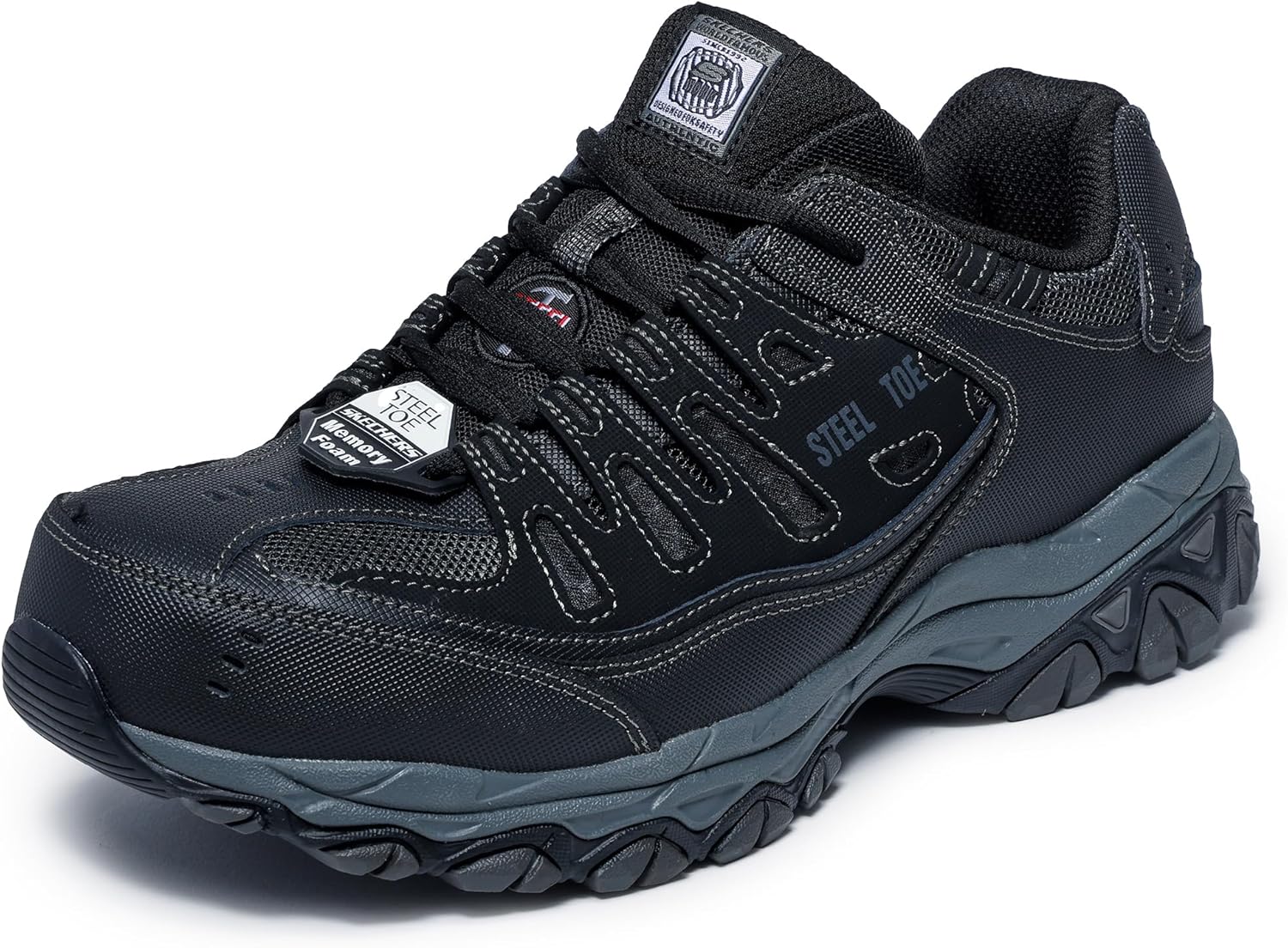
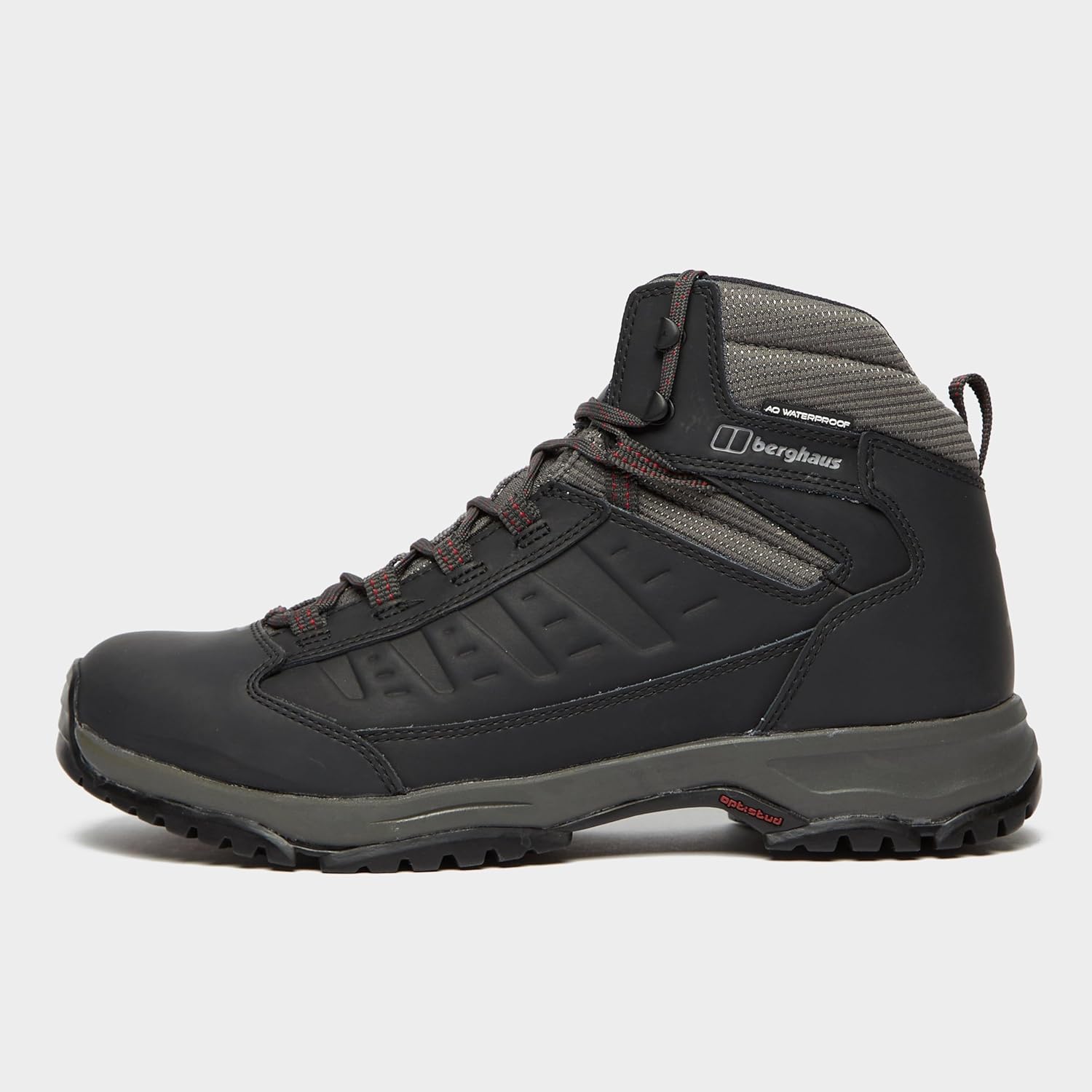
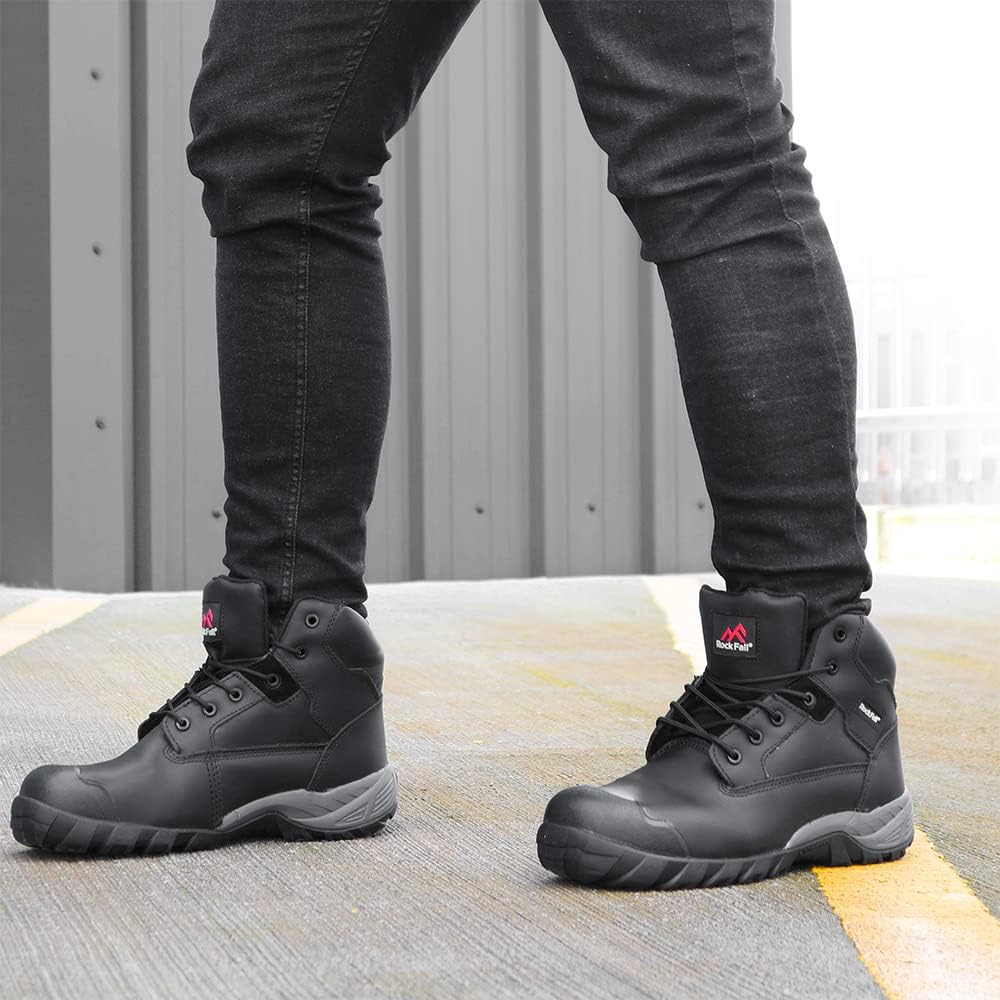
Materials, waterproof membranes, and the reality of gtx performance
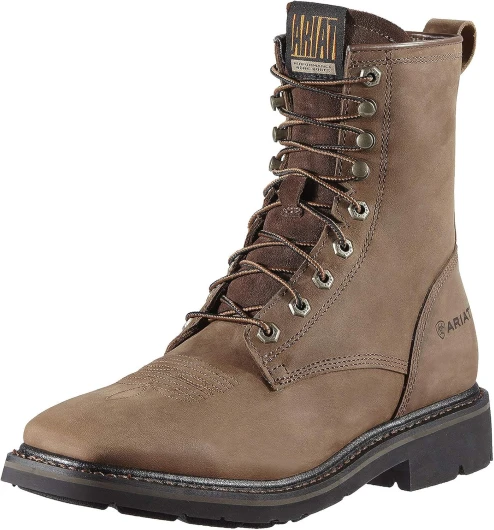
The backbone of the best durable hiking boots is the upper material, usually a choice between full grain leather, split leather, and engineered synthetics. Full grain leather hiking boots tend to offer the longest lifespan, excellent abrasion resistance, and a more supportive feel once the leather breaks in properly. Synthetic boots, by contrast, often feel more lightweight on the first day but can lose structure faster when hammered on rocky trail systems.
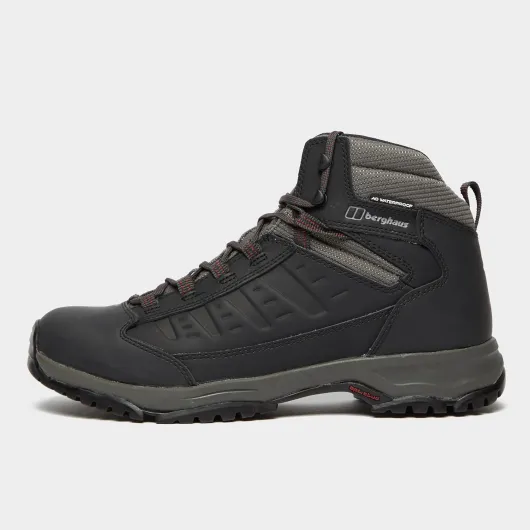
Waterproof membranes such as Gore Tex are now standard in many premium hiking boot and hiking shoes lines. A well executed gtx boot or mid waterproof model keeps water out while allowing moisture vapour from sweat to escape, which is crucial on long day hikes with steep elevation gain. However, even the best gore tex implementation cannot compensate for poor fit, inadequate ankle support, or a weak outsole compound that wears quickly on volcanic rock.
Brands like Hoka with the hoka kaha and the more specific hoka kaha gtx have pushed the conversation toward maximal cushioning in a durable hiking boot. The kaha mid uses a thick midsole that feels almost like trail runners underfoot, yet the boot still aims to deliver the stability expected from serious hiking boots. Many testers in long term gtx review projects note that this kind of design can reduce fatigue on long approaches while still protecting the foot from sharp stones.
For sustainability minded hikers, hybrid uppers that mix recycled synthetics with strategic leather reinforcements are becoming more common. Some manufacturers now pair these uppers with durable rubber rands and protective overlays shaped like a stylised mountain leaf to shield high wear zones. When evaluating the best durable hiking boots, it is worth reading multiple reviews that compare gtx, non gtx, leather, and synthetic options under identical conditions, then cross checking those impressions with your own priorities for comfort and longevity.
For a deeper dive into layering systems that complement waterproof boots in cold conditions, see this guide to sustainable color block recycled hiker jackets, which pairs well with robust footwear choices.
Fit, foot biomechanics, and the role of ankle support
Even the best durable hiking boots fail if the fit is wrong for your foot shape. Experienced hikers know that a boot which feels acceptable in a shop can become a liability after eight hours of side hilling with a heavy pack. The interaction between the midsole, the insole, and your natural biomechanics determines whether each step feels efficient or punishing.
When assessing a hiking boot, start by checking heel lock, midfoot security, and toe box volume. A well fitted pair of hiking boots should hold the rear foot firmly while allowing the forefoot to splay slightly on impact, which reduces hot spots and black toenails on steep descents. Many women find that women specific lasts with narrower heels and adjusted instep volume provide a more precise fit than unisex boots, especially in technical terrain.
Ankle support remains a contentious topic among trail runners and boot traditionalists. Advocates of lightweight trail runners argue that strong ankles and careful foot placement matter more than a high collar, while mountaineers often prefer a supportive mid boot for talus fields and snow patches. In practice, a mid waterproof boot with a well padded collar and torsionally stiff midsole can offer a reassuring platform without feeling like a rigid ski boot.
Modern models such as the cloudrock mid and speed mid attempt to blend the agility of trail runners with the structure of classic hiking boots. These designs use rockered midsoles and carefully tuned foam densities to guide the foot through the gait cycle while still protecting the ankle from sudden rolls. For cold or shoulder season objectives, pairing such boots with an appropriate shell from this overview of top hiking jackets for demanding adventures can create a balanced, weather ready system.
Iconic models, field reviews, and what testers really learn
Within the crowded market of hiking boots, a few models have earned near legendary status among guides and testers. The merrell moab line, for example, has become a reference point for comfort focused hikers who still demand reasonable durability from their boots. In parallel, the moab speed variant and comparable lightweight hiking shoes target those who want a faster feel without abandoning the protective chassis of a true hiking boot.
On the more cushioned end of the spectrum, the hoka kaha and its waterproof sibling the hoka kaha gtx have generated intense debate in long term gtx review projects. Some testers praise the plush midsole for reducing joint stress on long day hikes, while others question how such a soft platform will age under heavy loads. This is where reading multiple reviews and paying attention to the background of each tester becomes essential, because a light trail user will stress a boot very differently from a high mileage mountaineer.
Altra’s lone peak, although often categorised among trail runners rather than classic boots, has also influenced expectations around toe box width and natural foot positioning. Many hikers now seek hiking boots that borrow the roomy forefoot of the lone peak while retaining a more supportive midsole and stronger ankle support. This hybridisation shows how the definition of the best hiking footwear is evolving as users demand both comfort and durability.
Independent field reviews frequently highlight how the stated weight per pair on spec sheets can feel misleading. A boot with balanced weight distribution, a responsive midsole, and a dialled in fit can feel lighter in motion than a technically lighter competitor with poor geometry. For those planning winter routes or high altitude treks, this in depth comparison of top insulated hiking boots offers additional context on how insulation, outsole compounds, and crampon compatibility intersect with durability.
Balancing weight, cushioning, and long term durability
For outdoor enthusiasts who push into remote terrain, the central dilemma is how to balance weight against durability in hiking boots. A heavily built leather boot with a thick rubber rand and dense midsole foam may last for many seasons, yet it can feel punishing on fast moving day hikes. Conversely, a featherweight boot or hybrid trail runners design may feel brilliant on the first few outings but degrade quickly under abrasive conditions.
Modern midsole technologies attempt to resolve this tension by combining cushioning with structural support. Dual density foams, stabilising shanks, and carefully profiled rockers allow a hiking boot to remain comfortable under load while still resisting collapse over time. When evaluating the best durable hiking boots, pay attention to how the midsole feels not only under the heel but also under the midfoot, where many boots secretly fold after repeated flexing.
Waterproofing also influences perceived weight, because a saturated non waterproof boot can feel significantly heavier than a dry gtx model. A well designed mid waterproof boot with an efficient gore tex liner and quick drying lining fabrics can shed moisture rapidly after stream crossings or wet snow. However, if the outer fabric or leather absorbs too much water, even the best membrane cannot prevent the boot from feeling like a soaked sponge.
Some manufacturers now integrate design motifs such as a stylised mountain leaf into side panels or heel counters, not only for aesthetics but also to reinforce high stress zones. When combined with robust lacing hardware and abrasion resistant toe caps, these details contribute to the overall lifespan of both single boot and boots as a pair. Ultimately, the best hiking choice for you will be the model whose weight, cushioning, and structural integrity align with your specific objectives and tolerance for wear.
Women specific designs, sizing strategy, and practical buying advice
Women who hike serious terrain often face a narrower selection of truly durable hiking boots built on women specific lasts. A women focused hiking boot should not simply be a smaller version of the men’s boot, because differences in heel width, arch height, and calf shape all influence fit. When brands invest in dedicated women designs, the result is usually better ankle support, more precise midfoot hold, and fewer pressure points on long trail days.
When trying on the best durable hiking boots, bring the socks you actually use for day hikes and multi day trips. Lace the boots fully, walk on inclines if possible, and pay close attention to how the midsole supports your foot during both ascent and descent. A boot that feels slightly snug in the shop may relax after the leather or synthetic upper breaks in, but a boot that allows heel lift or forefoot sliding rarely improves with time.
Experienced testers often recommend owning at least two pairs of hiking boots or hiking shoes to rotate between trips. Alternating pairs allows each boot to dry fully, reduces odour buildup, and slows the breakdown of cushioning foams in the midsole. This strategy can extend the effective lifespan of each pair, which is particularly valuable when you have invested in premium gtx or leather models.
Pay attention to user reviews that mention specific use cases similar to your own, such as alpine approaches, forest day hikes, or desert trail missions. A gtx review from a runner using cloudrock mid as trail runners will emphasise different strengths and weaknesses than a mountaineer evaluating speed mid on mixed snow and rock. By cross referencing these perspectives with your own priorities, you can select the best hiking boots that align with your objectives rather than chasing generic five stars ratings.
Care, maintenance, and extending the life of your best durable hiking boots
Even the best durable hiking boots will fail prematurely if neglected between trips. Dirt, fine grit, and dried mud act like sandpaper against leather, stitching, and synthetic fibres, slowly eroding the structure of the boot. A simple routine of brushing off debris after each outing and rinsing the outsole lugs preserves both traction and the integrity of the upper.
For leather hiking boots, periodic cleaning followed by appropriate conditioning helps maintain flexibility and water resistance. Over conditioning can soften the leather excessively and compromise support, so apply treatments sparingly and focus on flex zones rather than the entire boot. Synthetic boots and hybrid designs with mountain leaf style overlays usually require milder cleaners and careful drying away from direct heat sources.
Waterproof models with gore tex or other gtx membranes benefit from occasional reproofing of the outer fabric. When the durable water repellent finish fails, the surface wets out, reducing breathability even if the membrane itself remains intact. Restoring this finish with a spray on or wash in product helps your mid waterproof boots shed water efficiently, keeping the weight per pair closer to the dry specification.
Rotating insoles, checking laces and eyelets, and inspecting the midsole for early signs of compression set are all part of responsible ownership. Many experienced hikers keep a log of major trips for each boot, noting when cushioning starts to feel thin or when ankle support no longer inspires confidence. By treating your hiking boots, hiking shoes, and even trail runners as technical tools rather than disposable gear, you honour both the craftsmanship behind them and the safety margins they provide in the mountains.
Key statistics on hiking boots and durability
- Include quantitative data here on average lifespan of hiking boots in kilometres under mixed terrain use.
- Provide statistics on failure rates of waterproof membranes such as Gore Tex after extended abrasion.
- Highlight survey data on how many hikers prioritise ankle support when choosing a hiking boot.
- Mention average weight per pair ranges for leather boots versus synthetic boots in the mid category.