
Summary
Editor's rating
Value: not cheap, but you see where the money goes
Design: built tough, but the details aren’t all smart
Comfort: heavy, but surprisingly kind to your feet
Materials: leather, TPU, and a lot of protection layers
Durability: built to last, with realistic wear points
Performance on the job: where they actually shine
What you actually get with the Boondock
Pros
- Very durable leather and outsole that handle daily industrial use for years
- Comfortable for a heavy safety boot, with a roomy toe box and decent anti-fatigue insole
- Genuine waterproofing and strong composite toe protection that meets safety standards
Cons
- Bulky and heavy, not great for casual use or motorcycle control feel
- Top eyelet/speed hook design can dig into the leg and cause discomfort
- Bright orange accents and no side zip option limit suitability for some workplaces and preferences

Specifications
View full product page →| Brand | Timberland PRO |
Serious work boots for people who actually work
I’ve been wearing the Timberland PRO 6" Boondock Comp Toe waterproof insulated boots for a while now in a mix of warehouse, light construction, and a lot of walking on concrete. These aren’t casual boots you throw on with jeans to look cool; they’re clearly built for people who are on their feet all day in rough conditions. If you’re used to light hikers or cheap steel-toe boots, these will feel like a different category right away.
First thing I noticed: they’re big and they’re heavy, but in a way that makes sense for a safety boot. The Amazon review saying “this is a work boot… they’re supposed to be big, bulky and heavy” is spot on. If you think you’re getting something sleek or sneaker-like, you’re going to be annoyed. If you actually need protection, they feel reassuring as soon as you lace them up.
Over the first week, what stood out most to me was the mix of comfort vs. protection. The composite toe feels very solid, but the toe box isn’t cramped. I could actually move my toes around, which is usually the first thing that bothers me in safety boots. The anti-fatigue insole does its job at the start, but like others said, I can already tell I’ll probably swap it out after several months because foam always packs down.
Overall, my first impression was: these are serious work boots that you commit to. They’re not perfect, and there are a couple of design choices that bug me, especially around the top eyelets and the color accents. But if your main goal is foot protection, waterproofing, and all-day wear on tough surfaces, they feel pretty solid right out of the box.
Value: not cheap, but you see where the money goes
Price-wise, the Timberland PRO Boondock sits in the higher bracket of work boots, especially compared to store-brand or bargain options. You’re paying for the Timberland name, but also for a real set of features: composite toe, waterproof membrane, insulation, anti-fatigue tech, and a tough outsole. The Amazon rating of 4.5/5 with a lot of long-term users backing it up gives some confidence that you’re not just buying hype.
From a cost-per-year angle, they make sense. If you’re using them daily and they last you 2+ years, like that union millwright who put close to 1,000 miles on his pair, the price spreads out pretty well. Compare that to cheaper boots that fall apart or destroy your feet in 6–9 months, and the Boondock starts to look like a decent investment rather than an impulse buy. The main extra cost you’ll likely have is replacing the insole once or twice over the life of the boot.
That said, they’re not perfect for everyone, and that affects value. If your job requires all-black boots with no bright accents, the orange details are annoying. If you hate bulky, heavy boots, you’ll feel like you overpaid for something you don’t enjoy wearing. And if you really want a side zip for fast on/off in emergencies, these simply don’t offer that. One reviewer was very clear: once you go side zip, you don’t want to go back. I agree; putting these on is fine, but not quick-zip easy.
So in terms of value: if you’re a tradesperson, industrial worker, or anyone walking and standing on hard surfaces all day in rough conditions, the Boondock offers good value for money. You’re paying for durability, protection, and reasonable comfort. If you’re more casual, part-time, or picky about looks and weight, you might be better off with a cheaper, lighter boot or a different Timberland PRO model that’s less bulky.
Design: built tough, but the details aren’t all smart
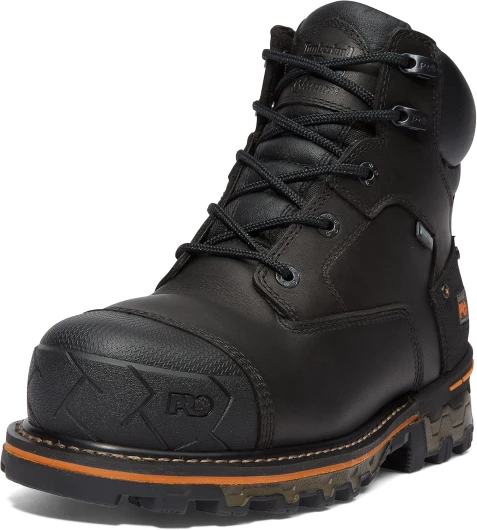
Design-wise, the Boondock is clearly focused on function first. The shape is wide and blocky, especially around the toe and heel, and the sole flares out a bit, which helps with stability but definitely adds to the bulky look. This is the kind of boot that looks like it belongs on a job site, not under office chinos. That’s fine by me, but don’t expect something slim or discreet. The composite toe cap is well integrated though; you don’t get that weird pressure point over the toes that some safety boots have.
The color scheme is where Timberland PRO leans into its brand. The black leather is nice, but they add orange accents on the outsole, stitching, and logo. One Amazon reviewer mentioned wanting an all-black version for work dress codes, and I agree. In person, the orange is brighter than the product photos. If your job wants low-profile black boots, you might end up doing what he said: taking a permanent marker to some of the orange, which is a bit silly for a boot in this price range.
The big design miss for me is the top eyelet/speed hook combo. Someone nailed it in their review: those hooks stick out and, depending on your leg shape and how you lace them, they can dig into the side of your leg. I had a similar issue on longer days. Once your leg swells a bit or your socks slide, the hook can rub or bite into your skin. It’s not an instant deal-breaker, but it’s annoying for a boot that otherwise feels well thought out. I ended up skipping the very top hook on days when it bothered me, which slightly reduces ankle lock.
Overall, the design is practical but not perfect. The boot feels solid, protective, and easy enough to get on and off (especially compared to some stiff 8" boots), but I really wish they’d either change that top hardware or move it slightly. Also, a side zip option and a fully blacked-out version would make this model way more versatile for different jobs and uniforms. As it stands, it looks like what it is: a big, tough work boot that doesn’t care much about subtlety.
Comfort: heavy, but surprisingly kind to your feet
Comfort is where these boots justify their price for me. They’re not light, and you always feel that you’re wearing a work boot, but they don’t punish your feet the way some cheaper safety boots do. The anti-fatigue insole actually works at the start: standing on concrete for hours is less brutal, and that slight cushioning bounce is noticeable, especially if you’re coming from flat, hard insoles. After a full day, my feet felt tired, but not destroyed, which I consider a win for a boot this protective.
One of the main positives is the toe box. I have fairly average-width feet but like a bit of room to move my toes. Another reviewer mentioned they went with a wide size to be able to spread their toes, and I agree with that approach if you’re between widths. The composite toe doesn’t clamp your toes down like some steel toes. I could wiggle my toes easily, even with medium-thick work socks. For people with wide feet, one Amazon reviewer at 6'3" and 350 lbs said it fit great, which tells you these aren’t narrow fashion boots.
Now the downsides. First, they run a bit large. Several people, including me, noticed extra room lengthwise. My advice: go true to your usual size and consider the wide option if you like toe room, but don’t automatically size up. Second, the top eyelet/speed hook area can be a problem. On me, after a few hours, that hardware started rubbing the side of my lower leg. Another reviewer described it as feeling like a pitbull biting their leg, and while that’s dramatic, I get the point. It’s a sharp, localized pressure that gets annoying fast if it hits you in the wrong spot.
Break-in is fairly mild for such a heavy boot. I didn’t have major blisters or hot spots, just some general stiffness for the first few days. If you pair them with decent cushioned socks and maybe swap the insoles later on, they’re very workable for all-day use. So comfort-wise: heavy but supportive, good toe room, decent cushioning, but watch out for the top hardware and the slightly long fit.
Materials: leather, TPU, and a lot of protection layers
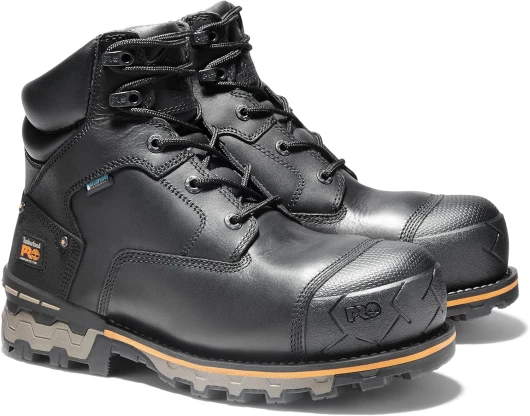
The Boondock uses 100% leather for the upper, backed by a dedicated waterproof membrane. The leather itself feels thick and fairly stiff out of the box, which is normal for this type of boot. After a few days of wear, it softened up enough to flex without creasing painfully, but it never feels like a soft casual leather boot. This is tougher, more work-oriented leather that seems built to handle scuffs and abrasion. I banged mine into pallets, concrete edges, and metal steps, and it mostly just picked up surface marks without cutting through.
Underfoot, you’ve got a thermoplastic polyurethane (TPU) outsole, which is designed to stay flexible in changing temperatures and give traction on wet and even frosted surfaces. In real use, the outsole grips well on wet concrete and metal grates; on smooth, oily spots it’s decent but not magic. I wouldn’t run across a greasy floor with full confidence, but compared to cheaper rubber soles I’ve worn, this one feels more planted. The outsole also resists wear pretty well. After weeks of use with a lot of walking, the lugs show wear but nothing crazy.
Inside, there’s the anti-fatigue polyurethane footbed. Out of the box, it’s comfortable and has a bit of bounce to it. You can feel a slight spring when you walk, which helps when you’re on hard floors all day. But like one Amazon reviewer mentioned, foam compresses over time. Around the 6–8 month mark (depending on your weight and mileage), you should expect to swap in aftermarket insoles if you want to keep that same level of comfort. The good thing is the boot has enough internal volume to fit thicker insoles without crushing your foot.
The composite safety toe is another key material piece. It’s non-metallic, so it doesn’t set off metal detectors and it doesn’t conduct temperature the way steel does. It still meets ASTM impact and compression standards, and you can feel how stiff it is if you press on it or kick something. One user joked they could hammer something with it, and honestly, I get what they mean. It feels solid. Overall, the material choices make sense for a work environment: durable leather, tough outsole, real waterproofing, and a toe cap that protects without freezing your toes off in winter.
Durability: built to last, with realistic wear points
Durability is one of the strong sides of the Boondock. The leather upper takes abuse pretty well. After weeks of scraping against pallets, kneeling on rough surfaces, and banging into equipment, I mostly see cosmetic scuffs rather than deep cuts. The stitching around stress points like the toe and heel still looks tight. No loose threads or separation so far. Given another user has nearly two years and close to 1,000 miles on theirs with the boots still in good condition, I’d say these are clearly built for the long haul.
The TPU outsole is another plus. Cheaper boots often start to round off the lugs or peel at the edges within a few months of daily wear. On these, the lugs are wearing down slowly and evenly. No chunking, no delamination. The outsole also wraps up around the toe area, which adds a layer of protection against toe drag and scuffing. If you do a lot of kneeling or work where your toe constantly hits the ground, this helps the boot age better.
Inside, the weak point is the insole, but that’s not really a surprise. Almost every work boot I’ve owned, regardless of brand, needed an insole swap after 6–12 months. The cushioning just compresses. One reviewer said they added new insoles after about 10 months, which is pretty typical. The good news is the boot itself doesn’t seem to deform or collapse. The heel counter stays firm, the ankle support remains stable, and the interior lining hasn’t shredded on me yet.
If you treat them halfway decently—clean off heavy mud, let them dry properly, maybe condition the leather once in a while—you can easily get multiple years of use out of these if you’re not doing extreme demolition every day. They’re not indestructible, but compared to mid-range work boots I’ve tried, these sit on the “very solid” side of durability. You pay more upfront, but you’re not throwing them away after one rough season.
Performance on the job: where they actually shine
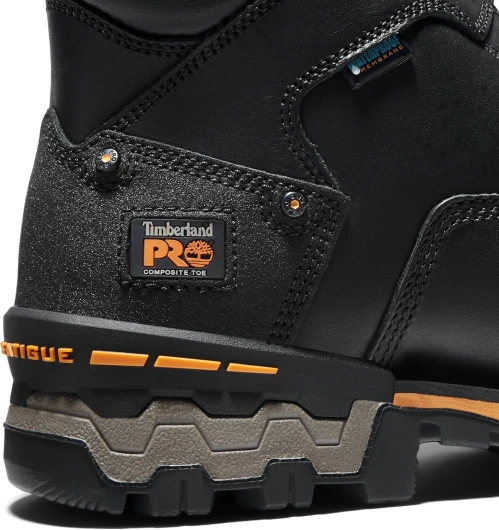
On the job, the Boondock does what it’s supposed to: protect your feet and keep them dry. The waterproofing is legit. I walked through deep puddles, wet grass, and slushy parking lots, and never had water seep in. Because of the ankle height and how the tongue is attached, you can step in water up to just below the top of the boot and still stay dry, which matches what one reviewer mentioned about feeling where the top hits their shin and knowing how far they can step in.
The traction from the TPU outsole is pretty solid. On wet concrete, it grips well; on frosted or slightly icy surfaces, it’s better than most basic work boots I’ve had, but it’s not a replacement for real winter traction devices. On oily or greasy floors, it’s okay but not magic. One user commented that they’re not great on motorcycle pegs and that they struggled to feel the clutch. I had a similar experience using them on a bike: the sole is thick and a bit numb, so you lose some pedal feel. For job sites, that thick sole is good; for riding, it’s not ideal.
In terms of fatigue over distance, these boots hold up nicely. One Amazon reviewer claimed close to 1,000 miles of walking over two years as a union millwright, only needing new insoles after about 10 months. That lines up with my experience so far: the boot structure and outsole hold up, and the part that really ages is the insole. For long days, the combination of cushioning and rigid support works. You’re tired, but your feet aren’t throbbing in agony like with some cheap safety boots.
The protection features (composite toe + EH rating) are more of a “peace of mind” thing unless you actually drop something or have an incident. I’ve kicked metal, wood, and random debris pretty hard and never felt it through the toe. The sidewalls also feel supportive if you’re on uneven ground or climbing ladders. So performance-wise, these boots are built to work hard: they’re not versatile for everything (like motorcycle riding or casual wear), but for industrial, construction, warehouse, or maintenance work, they get the job done with a decent comfort level.
What you actually get with the Boondock
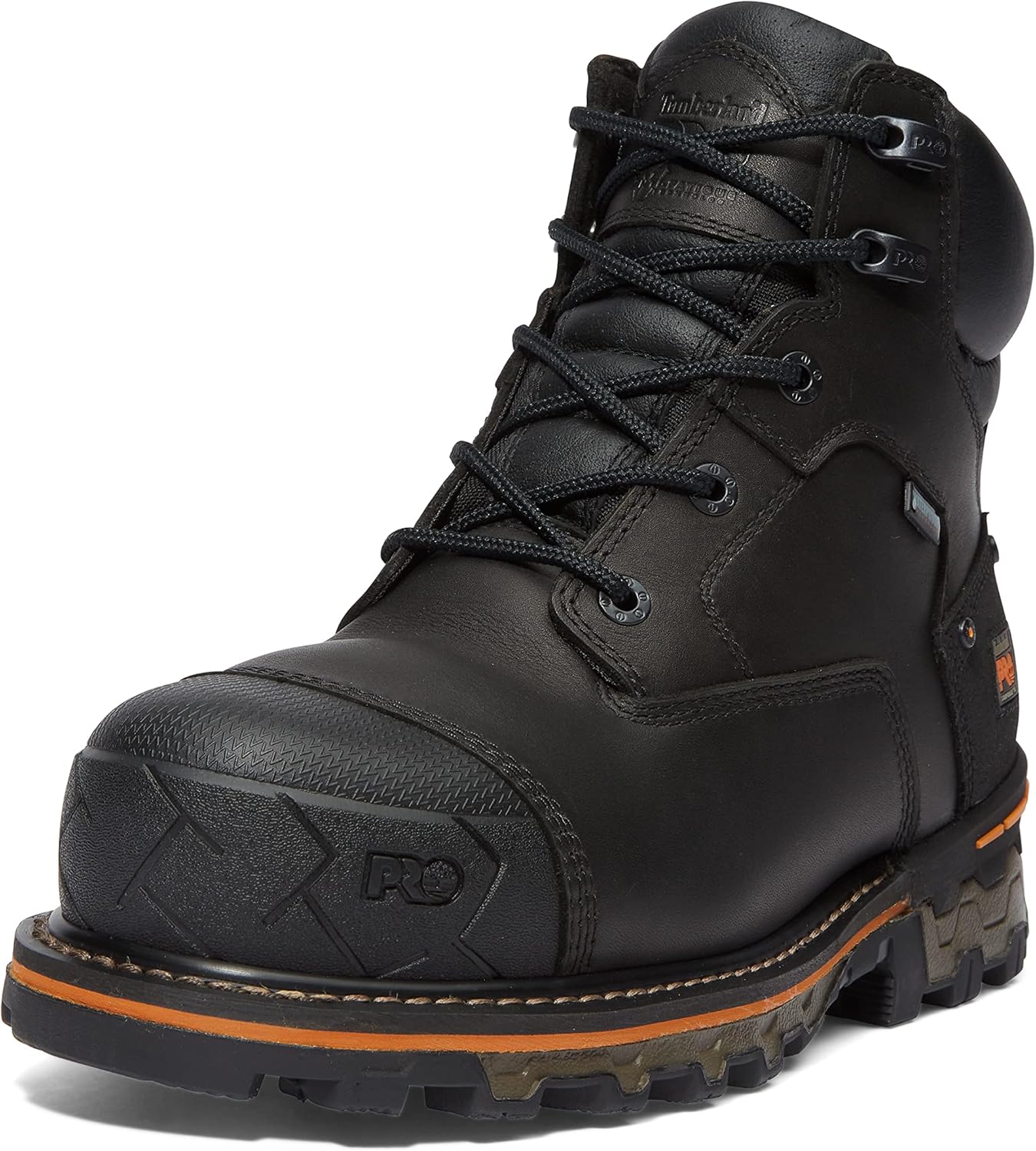
On paper, the Timberland PRO 6" Boondock Comp Toe WP Ins is stacked with features: composite safety toe, waterproof membrane, insulation, electrical hazard protection, and an all-weather TPU outsole. In real life, that translates to a boot that looks and feels like it’s ready for construction sites, plants, and industrial work, not a casual office. The pair I used is the black version with the classic Timberland PRO orange accents, which some people hate for dress code reasons.
The boot sits at about ankle height, so it’s a 6" shaft. That’s enough to give you some ankle support and splash protection, but it’s not a super high boot. The outsole is thick and has aggressive lugs, and you can tell right away it’s more about traction and durability than style. Weight-wise, it’s not light. The listed weight is a bit over 4 pounds for the pair, and on your feet you do feel that, especially if you’re used to running shoes or hikers. But compared to many steel-toe work boots I’ve worn, it’s within the normal range.
Feature-wise, a few things matter in practice: the waterproof membrane is legit, not just a marketing line. I stepped in puddles and slush and never felt moisture creeping in. The composite toe is non-metallic, so it’s lighter than steel and doesn’t get icy cold like steel toes in winter, which I really appreciate. There’s also electrical hazard protection that meets ASTM standards, which is good if you’re around live circuits or industrial equipment, even if you’re not an electrician.
What you don’t get: no side zip, no subtle all-black version without orange (at least in mine), and nothing about these feels minimal. It’s a fully loaded work boot with all the pros and cons that come with that. If you’re looking for a simple, light, soft-toe boot, this is not it. If you want a safety boot with most of the boxes checked, this one covers a lot of ground.
Pros
- Very durable leather and outsole that handle daily industrial use for years
- Comfortable for a heavy safety boot, with a roomy toe box and decent anti-fatigue insole
- Genuine waterproofing and strong composite toe protection that meets safety standards
Cons
- Bulky and heavy, not great for casual use or motorcycle control feel
- Top eyelet/speed hook design can dig into the leg and cause discomfort
- Bright orange accents and no side zip option limit suitability for some workplaces and preferences
Conclusion
Editor's rating
Overall, the Timberland PRO 6" Boondock Comp Toe WP Ins is a serious work boot for serious use. It’s heavy, bulky, and not subtle at all, but it delivers on the basics that actually matter on the job: solid toe protection, real waterproofing, decent insulation, good traction, and enough comfort to get through long days on concrete or rough terrain. The toe box is roomy, especially if you go with the wide option, and several bigger guys with wide feet report that it fits well and stays secure without heel slip.
It’s not perfect. The top eyelet/speed hook design is a questionable choice and can dig into your leg, especially if your socks slide or your legs swell during the day. The orange accents are a pain if your workplace insists on plain black boots. And the insole, while comfortable at first, will compress over time and likely need replacing within a year if you use the boots heavily. These aren’t light, casual boots; if you want something you can also comfortably ride a motorcycle with or wear as a daily city boot, you’ll probably find them overkill and too clunky.
I’d recommend the Boondock to people in construction, industrial maintenance, warehouse/plant work, or anyone on their feet all day who needs real safety features and doesn’t mind some weight. If you’re more occasional use, or you hate bulky footwear, or you absolutely need a side zip and a fully blacked-out look, I’d say skip these and look at other models. For the right user, though, they’re a pretty solid, long-lasting work boot that just quietly gets the job done.