
Summary
Editor's rating
Value for money: good comfort per dollar, with clear limits
Tactical sneaker look with some quirks
Comfort: light and sneaker-like, but needs a break-in and maybe new insoles
Synthetic and textile build: light, but with trade-offs
Durability: solid for the price, but not a tank
On-the-job performance: good for light duty, mixed for slick surfaces
What these boots are actually made for
Pros
- Very comfortable and lightweight once broken in, especially with better insoles
- Composite toe with extra-wide toe box that doesn’t dig into the foot
- Tactical look with side zipper and decent ankle support for light-duty work
Cons
- Grip on wet or slick surfaces is only average and can feel insecure
- Stock insole is mediocre for long shifts; many users will want to upgrade it
- Durability and tread life are more in the 1-year range with heavy walking, not long-term heavy-duty

Specifications
View full product page →| Brand | Reebok |
Work boots that don’t feel like bricks on your feet
I’ve been wearing the Reebok Rapid Response Composite Toe 6" boots in black, size 9.5, mainly for warehouse and light-duty security-type work. So this isn’t some lab test – it’s just me walking concrete floors, climbing stairs, and dealing with the usual spills and slick spots. I wanted something lighter than classic steel-toe leather boots, but still with protection and ankle support.
My first impression when I pulled them out of the box: they look more like tactical sneakers than old-school work boots. They’re pretty light for safety boots, and the synthetic/textile upper feels more like a hiking shoe than a heavy leather boot. If you’re used to big clunky steel toes, these will feel like a different category right away. Not perfect, but much less tiring to wear all day.
After a couple of weeks, a few things stood out very clearly. Comfort and lightness are the main strengths, while grip and support are more mixed. Some of the Amazon reviews line up with what I saw: people praising comfort after break-in, but at least one person calling the grip flat-out bad. I’m somewhere in the middle, but I can see where that criticism comes from.
So, if you’re thinking about these as your daily work boots, I’ll walk through how they did for me: design, materials, comfort, performance on the job, durability so far, and whether I think the price makes sense. I’m not here to hype them up – they’re good in some areas, weak in others, and definitely not for every job site.
Value for money: good comfort per dollar, with clear limits
In terms of value, these boots sit in a reasonable spot. You get a composite safety toe, electrical hazard protection, side zipper, and a pretty comfortable, lightweight build for a price that’s usually lower than a lot of premium leather work boots. If your main priority is comfort on long shifts and you work mostly on dry, flat surfaces, I’d say they offer good value. You’re basically paying for sneaker-like comfort with safety features, not for extreme durability or top-tier traction.
Where the value is a bit more questionable is if you need extra performance in grip or long-term wear. If you end up buying new insoles (which I honestly recommend for most people) and you know the tread might only last about a year with heavy walking, you have to factor that into the total cost. It’s not terrible, but there are other boots that might last longer or grip better, even if they’re a bit more expensive up front. So it depends a lot on your job: warehouse, security, and light-duty trades will probably see good value; heavy construction or constantly wet/oily environments, not so much.
Compared to classic steel-toe leather boots I’ve owned, these are less durable but much more comfortable and lighter. For me, on mostly dry indoor floors, that trade-off is worth it. My legs and back are less tired, and if I have to replace them a bit more often, I can live with that. If you’re the type who wants one pair of boots to survive anything for years, these don’t really fit that profile.
So overall, I’d call the value pretty solid if you know exactly what you’re getting: a comfortable, safety-rated tactical-style boot that’s great for lighter environments, with some compromises on outsole grip and long-term toughness. If that matches your use case, the price makes sense. If you need top-tier slip resistance and tank-level durability, your money is probably better spent on a different model.
Tactical sneaker look with some quirks
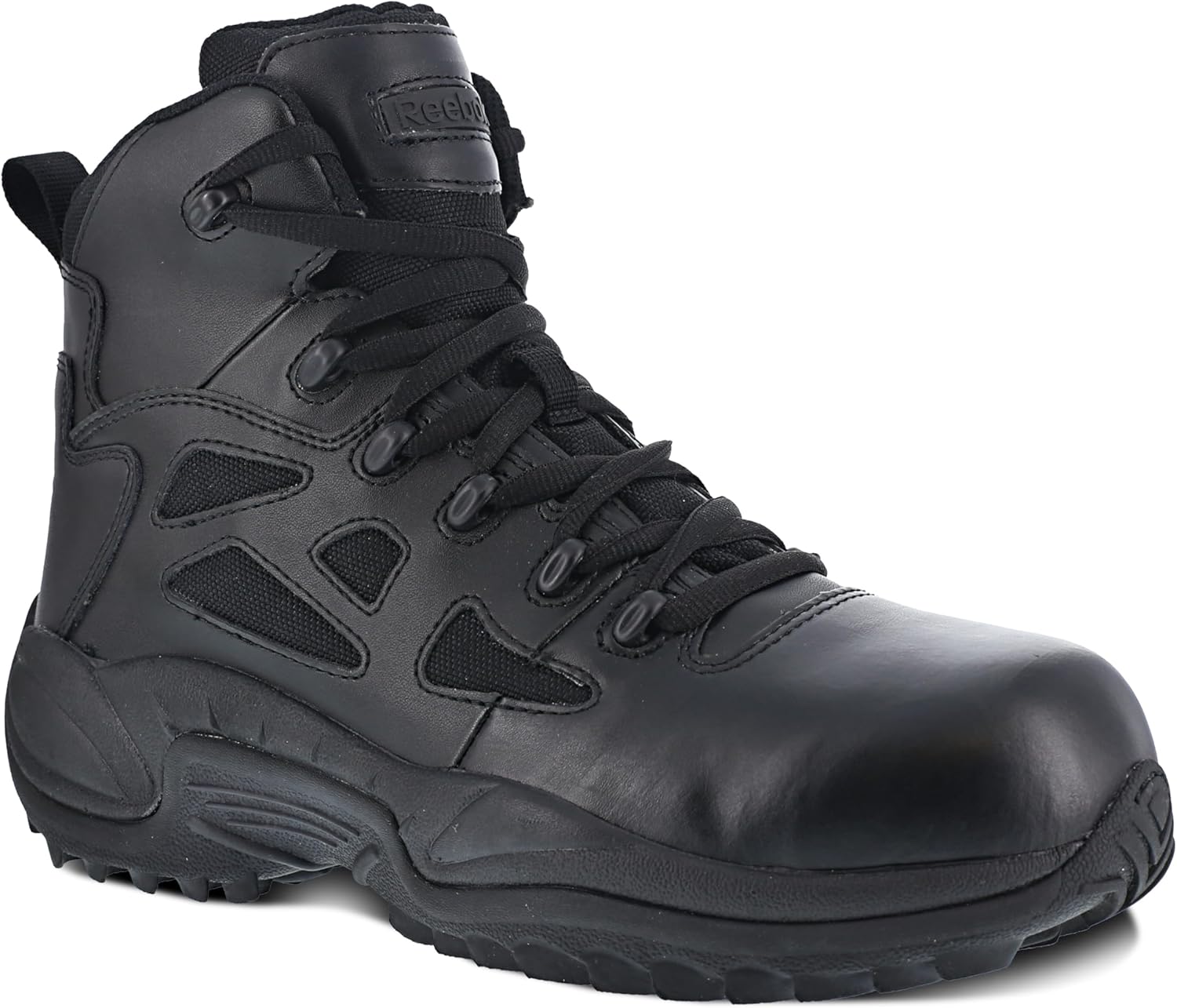
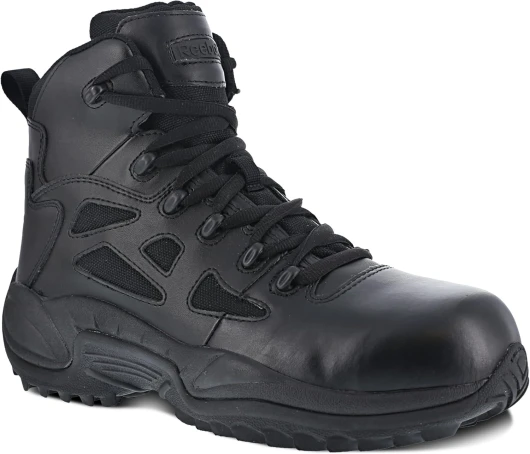
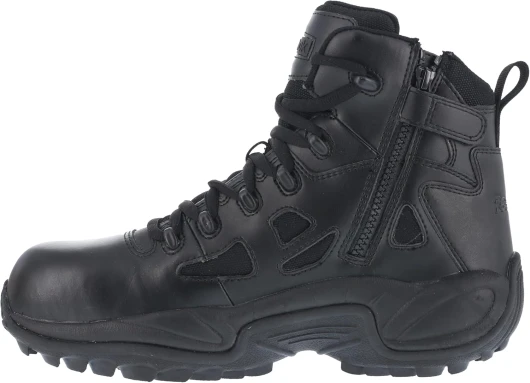
Design-wise, these boots lean hard into the tactical / duty style. All black, lots of panels, side zipper, and a shape that looks closer to a hiking boot than a traditional work boot. If you like that police/EMS look, you’ll probably be into it. If you prefer simple leather boots with minimal stitching, this might look a bit busy. Personally, I liked the look – they don’t scream “construction site only,” so you can wear them off the clock without feeling weird.
The 6-inch height gives decent ankle coverage without going too high up the leg. I felt enough support for side-to-side movements and stairs, but they’re not as locked-in as an 8-inch boot. The lacing system goes fairly high, and the eyelets plus fabric loops let you fine-tune the tightness over your instep and ankle. When you crank them down, your foot sits pretty secure and doesn’t slide around, which matches what one of the reviewers said about the fit feeling very secure with no slipping.
The side zipper is on the inside of the ankle, and it’s a YKK, so at least it’s from a brand that usually holds up. In real use, I found it helpful for taking the boots off quickly after a long shift. Getting them on is where it gets a bit annoying: if the laces are properly tight, you do have to wiggle your foot in and sometimes loosen them a bit. So yes, it’s faster than fully unlacing, but not as effortless as some people might hope. If you like a looser fit, the zipper is great; if you like a tight, locked-in fit, it’s more of a partial convenience.
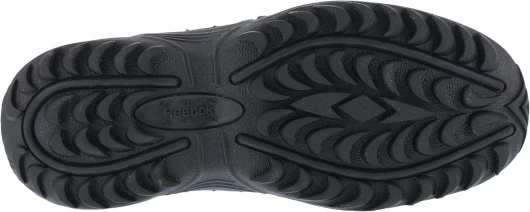
Visually, the composite toe is not crazy bulky, and the extra-wide toe box is noticeable but not clownish. They don’t look like giant safety bricks on your feet. The tread pattern looks aggressive at first glance, but I’ll be honest: the look of the outsole and the actual grip don’t match. It looks grippy, but on wet smooth surfaces, I didn’t feel as confident as I do in some other work boots. So design-wise, they check a lot of boxes, but functionally, some of those design choices could have been pushed further, especially the outsole.
Comfort: light and sneaker-like, but needs a break-in and maybe new insoles
Comfort is probably the main selling point of these boots. Once they’re broken in, they really do feel closer to an athletic shoe than a traditional work boot. On long shifts standing on concrete, I had less overall fatigue compared to my heavier steel-toe boots. The lighter weight and the flexible upper make a noticeable difference when you’re walking a lot or climbing stairs all day.
That said, the first few days weren’t perfect. Like one Amazon reviewer mentioned, they start off a bit stiff around the ankle. I had some mild rubbing and pressure on the front of the ankle for the first two or three days. It wasn’t unbearable, but I definitely felt it. After about a week of regular use, that went away and the upper softened up nicely. So there is a break-in period, just not as bad as thick leather boots. If you need boots that are comfortable straight out of the box for a full 10-hour shift, plan on at least a short break-in phase with these.
The stock insole is decent but not great. There is some arch and heel support, but for long days, it felt a bit thin. I ended up swapping them out for a more cushioned insole, similar to what one reviewer did with Dr. Scholl’s. After that, comfort jumped up a level. With better insoles and medium-thick work socks, I could wear them all day without thinking much about my feet, which is really what you want. If you have flat feet or very high arches, I’d basically assume you’ll be buying aftermarket insoles from day one.
Fit-wise, I found they run pretty true to Reebok sizing, maybe slightly roomy in the toe box, which is fine for a work boot. The extra width up front helps with comfort, especially if your feet swell over a long shift or you use thicker socks. Just be careful with the combo of wide size and thick socks – one reviewer mentioned going 10.5 wide and using thicker socks to fill the space, and I had a similar feeling: you can fine-tune the fit with sock thickness. Overall, comfort is a strong point, especially once broken in and with upgraded insoles, but don’t expect a miracle straight out of the box.
Synthetic and textile build: light, but with trade-offs
The upper is 100% synthetic and textile, which you feel as soon as you pick them up. They’re lighter than leather work boots and feel more breathable, especially on long shifts. The textile panels help with flexibility around the ankle and top of the foot. If you’re used to stiff leather that takes weeks to soften up, this will feel like a relief. The flip side is that the overall structure doesn’t feel as tough as full-grain leather boots, especially around the sides of the foot.
The composite toe (XTR Brand, ASTM F2413) does its job. I knocked it into pallets, metal shelves, and the usual obstacles, and it protected my toes just fine. One thing I noticed, and it matches one of the positive reviews: the toe cap doesn’t dig into the top of the foot. Some safety boots have that hard edge you always feel when you bend your toes – this one is better shaped. The extra-wide toe box is also a real plus if you have slightly wider feet or your toes swell during long days. That said, if you have a very narrow foot, you might feel a bit of extra space up front.
The sole is rubber, but not all rubber soles are equal. This one feels more like a general-purpose rubber than a high-end slip-resistant compound. On dry surfaces and rough concrete, no problem. On wet smooth floors, the limitations show up. One Amazon reviewer called the grip “down right hazardous” on slick surfaces, and while my experience wasn’t that extreme, I did notice I had to be a bit more careful than with some dedicated slip-resistant work boots I’ve owned. So the material is okay, but it doesn’t feel like it was designed specifically for maximum traction in bad conditions.
Inside, the Foot Force F2A insole is standard for this model. It has some cushioning and arch support, but it’s not super plush. One reviewer swapped it for Dr. Scholl’s and said that made a big difference, and I’d agree that an aftermarket insole improves the comfort if you’re on your feet 8–10 hours a day. Overall, the materials focus more on lightness and comfort than heavy-duty ruggedness. For warehouse and indoor work, that’s fine. For rough outdoor jobs, I’d want something tougher and with a sole compound that feels more secure on sketchy surfaces.
Durability: solid for the price, but not a tank
Durability so far has been okay, not bulletproof. With a couple of weeks of regular use in a warehouse and around loading docks, I don’t see any obvious damage: no stitching coming loose, no separation between the upper and the sole, and the zipper still runs smoothly. The synthetic and textile upper is holding up fine against scuffs from pallets and carts, though it does show marks a bit more than thick leather would. A quick wipe-down cleans them up easily enough.
The outsole is where I see the first signs of wear. One reviewer mentioned getting about a year out of the tread with a lot of walking, and I can believe that. After a short period, there’s already a bit of smoothing on the main contact areas. Nothing crazy yet, but it doesn’t feel like a super long-lasting compound. For the price point and the lighter weight, that’s not shocking. These feel more like boots you replace after a year or so of heavy use rather than something you keep for several years of hard abuse.
The zipper is YKK, which is a good sign, and so far it hasn’t snagged or failed. I’m always a bit skeptical of zippers on work boots, because once they go, it’s basically game over for the boot. With these, I’d just recommend not forcing the zipper while the laces are cranked to the max. Loosen the laces slightly before yanking the zipper up or down, and it should last longer. The laces themselves are standard – nothing fancy, but they haven’t frayed or slipped much.
Overall, I’d say durability is acceptable for light to medium-duty use and the relatively affordable price, but I wouldn’t pick these as my only pair for harsh construction sites or daily outdoor abuse in mud, gravel, and chemicals. They’re more like a comfortable, safety-rated boot for cleaner environments that you might replace once the tread wears down or the upper starts looking tired. If you go in with that expectation, you’ll probably be fine. If you expect heavy-duty lifespan, you’ll likely be disappointed.
On-the-job performance: good for light duty, mixed for slick surfaces
In day-to-day use, these boots do pretty solid for light to medium-duty work. Standing on concrete for 8+ hours is much easier with these than with heavy steel-toe boots. The combination of lower weight, decent cushioning, and ankle height works well for warehouse work, security, and general indoor or dry outdoor tasks. I didn’t feel like I was dragging my feet by the end of the day, which is a big deal if you’re used to heavier boots.
For protection, the composite toe and electrical hazard rating check the usual safety boxes. I banged my toes on pallets and carts a couple of times and didn’t feel anything beyond the normal jolt. The toe doesn’t feel cold like steel in winter, and it doesn’t set off metal detectors, which can be handy in some jobs. Ankle support is okay – better than a low-cut shoe, obviously, but not as locked-in as a taller 8" boot. For quick movements, stairs, and light running, they felt stable enough.
The main weakness in performance is grip. On dry floors and rough surfaces, they’re fine. But once you start dealing with wet smooth concrete, tile, or slightly oily spots, you notice the limits. I had a couple of minor slips where the sole just didn’t bite as well as I’d like. Nothing dramatic for me, but I can absolutely see why one reviewer called them dangerous on slick surfaces. If your job regularly involves wet floors, kitchens, oil, or slick metal, I’d be cautious about using these as your main boots. They’re not total ice skates, but they’re definitely not on the same level as good slip-resistant work boots.
In terms of stability inside the boot, once you dial in the laces, your foot stays in place with very little internal sliding, which matches another review. The one catch is that if you tighten them enough to really lock your heel in, the side zipper gets harder to use as a quick entry/exit. So performance-wise: great comfort and decent support for light-duty work, but average traction and some compromises with the zipper-lace combo. If your environment is mostly dry and flat, you’ll probably be happy. If it’s slick and unpredictable, I’d look for something with more aggressive and proven slip resistance.
What these boots are actually made for
On paper, the Reebok Rapid Response Composite Toe 6" is a lightweight duty/work boot with a tactical vibe. You get a 6-inch ankle-high shaft, composite safety toe that meets ASTM F2413, and electrical hazard protection. So they’re clearly meant for people who need toe protection and some safety standards, but don’t want full-on heavy leather construction boots. Think warehouse, light industrial, security, EMS, maybe patrol – not pouring concrete in mud all day.
The pair I used is the black version, size 9.5, with the YKK side zipper and laces. The zipper is supposed to let you put them on and take them off quickly once you have your laces dialed in. In practice, I’d say it’s useful but not perfect. Like one reviewer said, if you really tighten the laces to lock your heel in, the zipper becomes harder to use and you end up partially loosening the laces anyway. So it’s a time-saver, but don’t expect a true slip-on experience.
Reebok markets this line as having an athletic feel, and that part is mostly true. The Foot Force F2A athletic footbed is clearly trying to mimic a running shoe insole more than a traditional work boot one. Compared to my old chunky leather work boots, these feel more like mid-cut sneakers with a safety toe added. If you’re coming from military-style boots or steel-toe loggers, these will feel a lot lighter and more flexible, especially around the upper.
Overall, I’d describe the product as: a safety-rated tactical sneaker-boot hybrid. It makes sense for people who move a lot, stand on concrete, and want protection without killing their knees and back from weight. But if your job is all about mud, ladders, slick metal, or carrying heavy loads in rough terrain, I’d say these are more of a compromise than a full solution.
Pros
- Very comfortable and lightweight once broken in, especially with better insoles
- Composite toe with extra-wide toe box that doesn’t dig into the foot
- Tactical look with side zipper and decent ankle support for light-duty work
Cons
- Grip on wet or slick surfaces is only average and can feel insecure
- Stock insole is mediocre for long shifts; many users will want to upgrade it
- Durability and tread life are more in the 1-year range with heavy walking, not long-term heavy-duty
Conclusion
Editor's rating
After using the Reebok Rapid Response Composite Toe 6" boots for everyday work, my take is pretty simple: they’re comfortable, light, and decent for light to medium-duty jobs, but they’re not the best choice if you deal with slick surfaces or brutal conditions. The athletic feel is real – once broken in and with better insoles, they feel closer to sneakers than old-school work boots. For long shifts on concrete in a warehouse, security role, or similar environment, that’s a big plus.
On the downside, the rubber sole doesn’t inspire a ton of confidence on wet or slick floors, and the tread seems like it will wear faster than heavy-duty boots. The synthetic/textile upper is fine for indoor and light outdoor work, but it doesn’t feel like something you’d want to torture on rough construction sites every day. The side zipper is handy, but only if you don’t over-tighten the laces – it’s a convenience, not magic.
I’d recommend these for people who: work mostly indoors or on dry ground, walk and stand a lot, want a lighter safety boot with a tactical look, and don’t mind swapping insoles for extra comfort. I’d say skip these if: your job involves constant wet/oily surfaces, ladders and slick metal, or heavy construction where your boots take a beating. In that case, you’re better off with a heavier, more rugged model with proven slip resistance. For what they are – light, comfortable safety boots with some compromises – I think a 4/5 rating is fair.