
Summary
Editor's rating
Value: not cheap, but fair for what you get
Chunky, classic, and clearly a work boot – not a fashion piece
Comfort: good for long shifts, but upgrade the insoles if your feet are picky
Leather, TPU, and real steel – built more for abuse than for finesse
Built to last, not to stay pretty
On the job: grip, protection, and waterproofing actually hold up
What these Timberland PRO boots actually are (beyond the long name)
Pros
- Very good slip resistance on wet and slightly oily floors thanks to the MaxTRAX TPU outsole
- Reliable waterproofing with seam-sealed nubuck leather that actually keeps feet dry
- Comfortable for long shifts once broken in, with roomy toe box and solid ankle padding
Cons
- Runs a bit large and feels bulky, especially in big sizes like 14
- Stock insoles are basic and often need to be replaced for better arch support
- Can feel too warm and heavy for hot climates or very light-duty work

Specifications
View full product page →| Brand | Timberland PRO |
Work boots that don’t feel like torture devices (most of the time)
I’ve been using the Timberland PRO 6IN Direct Attach Steel Toe MaxTRAX boots (the wheat color, size 14) as my main work boots for a few weeks. I’m on my feet most of the day on concrete and wet floors, so if boots are badly designed, I feel it right away in my knees and lower back. With these, the first thing I noticed is that they feel like proper work boots: a bit chunky, a bit heavy, but they actually support you instead of just looking tough.
My typical day is a mix of walking, climbing stairs, and standing in one spot for long stretches. I’ve worn cheaper boots before that destroyed my feet after four hours. With these Timberland PROs, I can do a full 8–10 hour shift without ending the day limping. They’re not slippers, but the Timberland PRO 24/7 comfort system and the padding around the ankle do help. It’s more of a steady, firm comfort than a soft sneaker feel.
I work around water, oil, and random spills, so waterproofing and slip resistance actually matter, they’re not just buzzwords for me. The seam-sealed waterproof leather and the MaxTRAX slip-resistant outsole are the two features that really stood out. I’ve stepped in puddles, walked on wet concrete, and gone through oily spots, and I haven’t had that “oh crap I’m about to slide” moment yet. Traction feels secure, especially compared to some older rubber-soled boots I’ve used.
They’re not perfect though. They run a bit big, they’re not light, and out of the box the insoles are just okay, nothing special. If you have picky feet or need real arch support, you’ll probably want to throw in aftermarket insoles. Overall, though, for a steel toe, waterproof, insulated boot, they’re pretty solid for daily use if you accept the size and weight.
Value: not cheap, but fair for what you get
In terms of value, these Timberland PRO Direct Attach boots sit in that mid-to-upper price range for work boots. They’re not bargain-bin cheap, but they’re also not the most expensive option out there. For the money, you’re getting steel toe protection, waterproofing, insulation, slip resistance, and a known brand. If you use them every day for work, the cost per month ends up reasonable, assuming they last a year or more, which they feel like they will.
Compared to cheaper boots I’ve tried, the main difference is in comfort over a full day and durability. With budget boots, I often end up replacing them after 6–8 months because the sole wears flat or the stitching starts to go. With these, the build quality and the TPU outsole give the impression they’ll outlast the cheaper pairs. Also, the waterproofing here actually works, instead of being just a label that fades after the first few rainy days.
That said, they’re not perfect. For the price, I would have liked better stock insoles. Having to buy aftermarket insoles adds an extra cost, which pushes the total price up a bit. Also, if you only need a light safety shoe for occasional use in a clean warehouse, these might be overkill – heavier, warmer, and more expensive than you really need.
Overall, I’d say the value is good if you’re a regular user: mechanics, electricians, construction workers, or anyone on rough floors and in wet conditions most days. If you’re just doing light duty once in a while, you can probably save money with a simpler boot. But if you actually live in your boots all week, paying a bit more for this level of build and protection makes sense.
Chunky, classic, and clearly a work boot – not a fashion piece
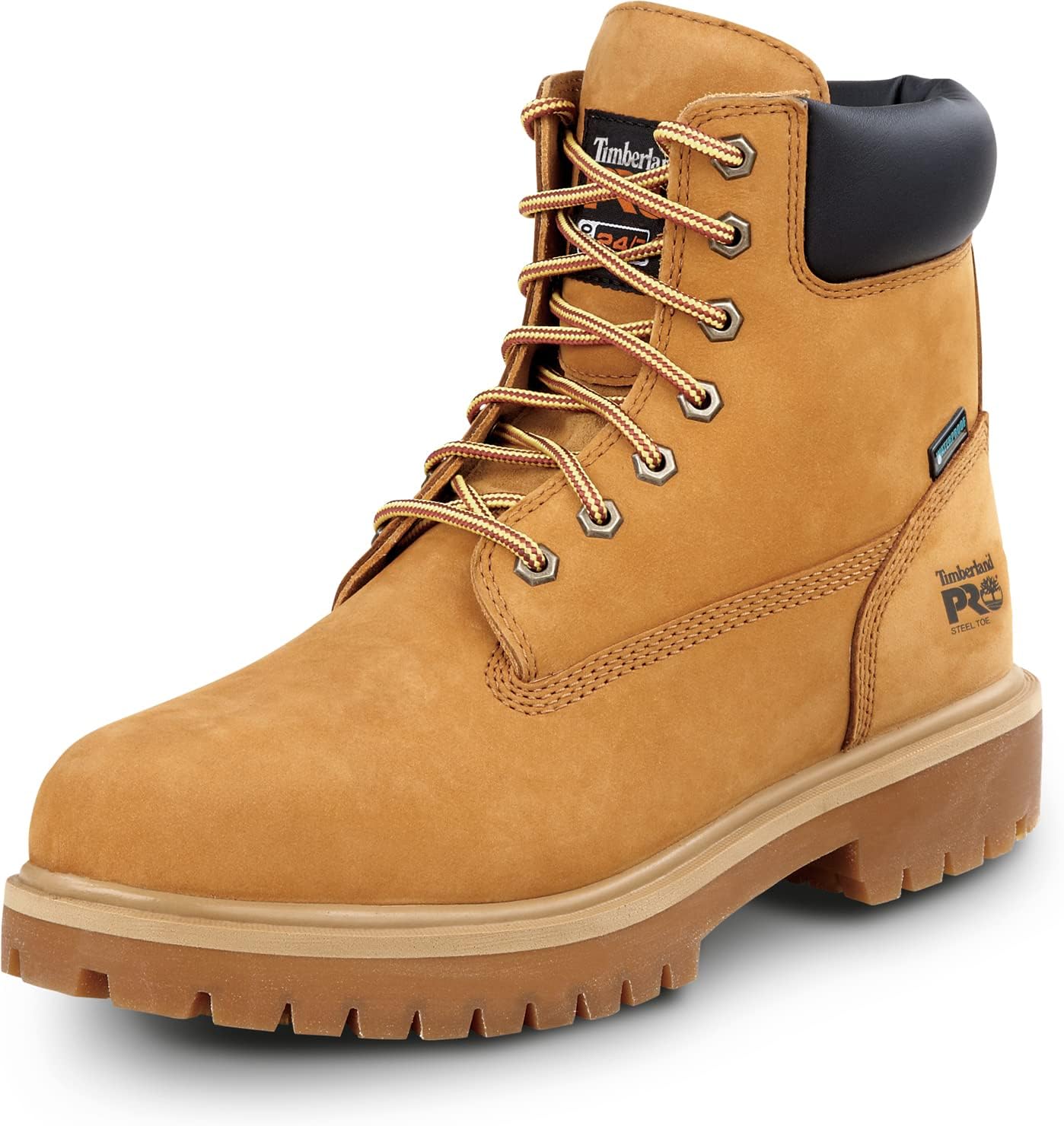
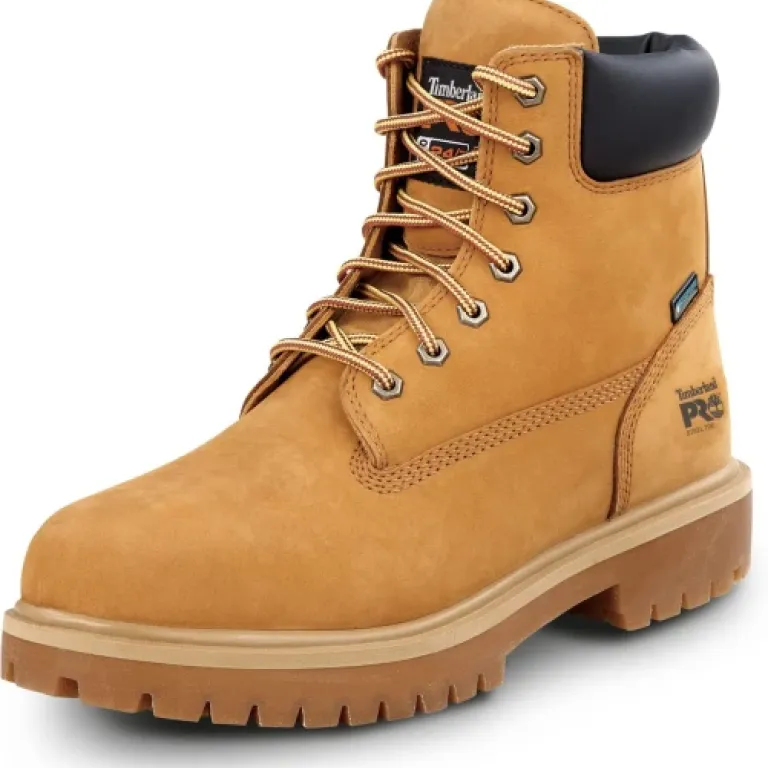
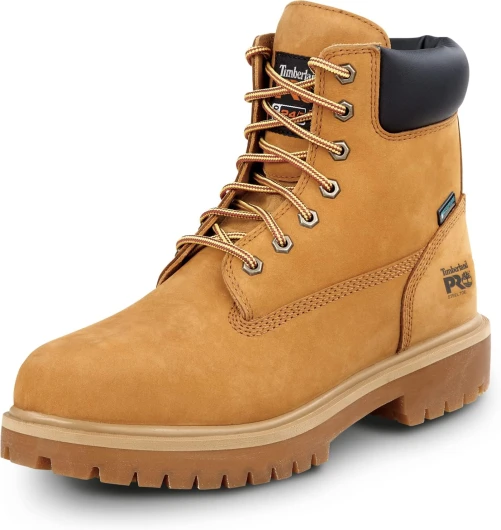
Design-wise, these are your classic wheat-colored work boots. Think standard Timberland look but in the PRO version: padded collar, six-inch shaft, thick sole, and that familiar tan leather. If you’re hoping to wear them to the office with slim jeans and pretend they’re lifestyle boots, you’ll probably find them too bulky. They’re clearly made to work, not to pose. The steel toe also means the toe box looks a bit more squared and beefy than a casual boot.
The lace-up system is basic but functional: standard eyelets with speed hooks at the top. You can get them on and off quickly enough, but they’re not as fast as a side-zip boot. The tongue is padded and gusseted, which helps with both comfort and keeping water out. The padded collar around the ankle does a good job preventing rubbing and gives a bit of support. No fancy branding overload either, just the usual Timberland PRO logos stamped in a couple of spots.
One thing to note: in size 14, they look big. Not just long, but also visually chunky. If you’ve got wide feet and you’re used to big boots, it’s fine. If you’re coming from lighter, sneaker-style safety shoes, the size and profile will feel like a step up in bulk. Also, they do run slightly large, which other buyers mention too. I’d say if you’re between sizes or have normal-width feet, consider going a half size down, or stick with your size but be ready to fill some space with thicker socks or insoles.
In short, the design is practical and straightforward: easy to clean, obviously protective, and not trying to be stylish. I like that it looks like what it is – a work boot – but if you care a lot about sleek looks, you might find it a bit clumsy-looking. Personally, for job sites and workshops, I’d rather have this solid, no-nonsense look than something pretending to be a sneaker.
Comfort: good for long shifts, but upgrade the insoles if your feet are picky
Comfort is where these boots do a pretty solid job, especially considering they’re steel toe, waterproof, and insulated. Out of the box, I didn’t have a brutal break-in period. The leather was a bit stiff on day one, but after two or three days, it loosened up around the flex points. I didn’t get blisters, which is already a win compared to some cheaper boots I’ve tried in the past that tore up my heels the first week.
The Timberland PRO 24/7 comfort system is basically their way of saying the midsole and insole are set up to reduce fatigue. In practice, the cushioning underfoot is decent, and the shock absorption on concrete is noticeable. After a full 8–10 hour day, my feet feel tired, but not destroyed. The padding around the ankle and tongue also helps with general comfort and avoids pressure points from the laces. For wide feet, the toe box is roomy enough that your toes aren’t crushed against the steel cap.
That said, the stock insoles are pretty average. They’re fine if your feet are normal and you don’t have any specific issues, but if you’re used to more supportive insoles, you’ll feel the difference. I swapped mine for aftermarket insoles with better arch support after about a week, and it made a clear difference in how my knees and lower back felt at the end of the day. I’d strongly recommend doing the same if you plan to wear these daily.
In terms of temperature, the 200g insulation is a nice middle ground. In cold mornings or in an unheated shop, my feet stayed warm enough. Indoors or in mild weather, they don’t turn your feet into sweat bombs, but in hot summer conditions they’ll probably feel too warm. The lining does a decent job wicking moisture, so you don’t feel like you’re sloshing around in sweat. Overall, I’d rate comfort as good for a heavy-duty boot, especially with upgraded insoles.
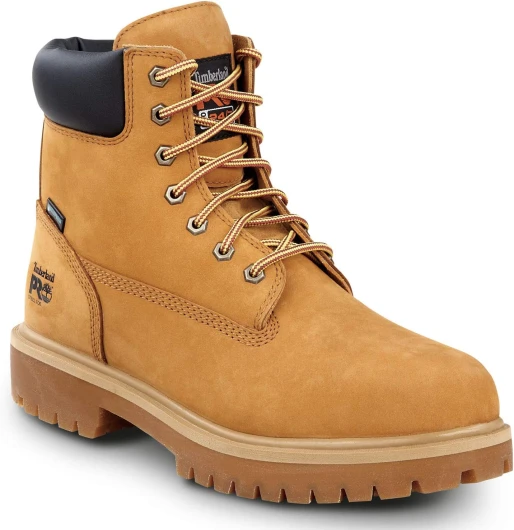
Leather, TPU, and real steel – built more for abuse than for finesse
The materials on these Timberland PRO boots feel geared towards longevity and protection more than lightness. The upper is waterproof nubuck leather, which has that slightly rough, matte feel rather than shiny smooth leather. After a few weeks of use, it creased a bit where the foot bends, but nothing that looks like it’s about to crack. Dirt and dust brush off pretty easily, and a quick wipe with a damp cloth makes them look presentable again. They’re not fragile at all; you can bump them into stuff without worrying.
The TPU outsole with MaxTRAX is one of the key parts. TPU is tougher and more abrasion-resistant than softer rubber, and you can feel that underfoot – it’s firm and doesn’t compress much. The tread pattern is deep enough to give grip without turning into a mud magnet. After walking on rough concrete, metal grates, and wet floors, I don’t see early signs of the lugs tearing or rounding off. It feels like a sole that will last a while before you grind it down.
Inside, the lining is breathable and moisture wicking, and it does its job decently. After long days, my socks are not soaked, just slightly damp like you’d expect. The 200g Thermolite insulation is sewn in, so you don’t notice it as a separate layer; it just makes the boot feel a bit warmer and slightly more padded. The stock insole is nothing fancy – basic foam. It’s not terrible, but it’s clearly not a high-support insole either. If you have flat feet or high arches, I’d suggest budgeting for a better insole from the start.
Overall, the material choice is sensible: thick leather, tough outsole, real steel toe, and functional insulation. There’s no premium feel like super soft leather or fancy stitching, but that’s not really the point here. It’s built to take daily wear in rough conditions, and from what I’ve seen so far, it matches that goal pretty well.
Built to last, not to stay pretty
Durability-wise, these feel like boots you buy to beat up, not to baby. After a few weeks of daily use, the leather shows normal creasing and some scuffs, but nothing that looks like actual damage. The nubuck finish hides small scratches pretty well. If you wipe them down occasionally and maybe hit them with a waterproofing spray every now and then, they should hold up for a good while. They don’t feel like the type of boots that fall apart at the seams after a couple of months.
The direct-attach construction between the upper and the sole feels solid. I haven’t seen any separation starting at the edges, which is something I’ve had with cheaper boots where the sole starts peeling off. The stitching around the upper looks clean and tight, with no loose threads popping out so far. The TPU outsole also seems to resist abrasion better than softer rubber. After walking on rough surfaces and occasionally dragging my feet, the tread blocks are still sharp and defined.
Inside, the lining has held up fine. No tearing at the heel, which is usually the first place that goes on badly made boots. The only part I don’t expect to last super long is the stock insole, but that’s pretty normal. Foam insoles compress with time. Since I swapped them out early, I can’t say how long they would last, but I wouldn’t rely on them for heavy use over a full year.
In short, these boots feel reliable for long-term work use. They’re not going to stay clean and fresh-looking, but they’re clearly built more for function than looks. If you’re rough on your gear – kneeling, dragging your toes, scraping against metal – these can take it without falling apart quickly. Just don’t expect them to look new after a month; they’ll show the mileage, but structurally they seem ready for the long haul.
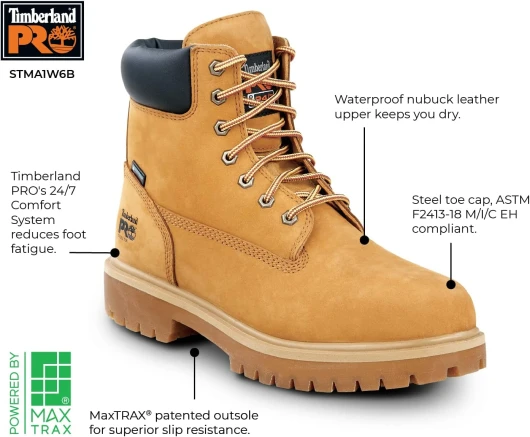
On the job: grip, protection, and waterproofing actually hold up
On the performance side, these boots do what they claim. The MaxTRAX slip-resistant outsole is probably the standout feature for me. I’ve walked on wet concrete, slightly oily areas near equipment, and some random spills, and the grip has been steady. You still need to use common sense – if you step in a pool of oil, nothing will save you – but compared to basic rubber soles I’ve used before, I feel more confident pushing off and changing direction without sliding.
The steel toe protection is legit and meets the ASTM F2413-18 standards. I’ve banged the toe into pallets, toolboxes, and metal parts, and the boot takes the hit, not my toes. Inside, I don’t feel the steel rubbing, which is important. Some steel-toe boots have that annoying edge that hits your toes when you walk downhill; here, the fit and padding around the cap seem to avoid that, at least for my foot shape. If you have very long toes and size them too small, that could change, but in the right size they’re fine.
Waterproofing has been reliable. I’ve stepped into puddles, walked in steady rain, and worked in damp environments, and my feet stayed dry. The seam-sealed construction and waterproof leather do their job. I’m not talking about standing in ankle-deep water for hours, but for normal wet work conditions, they hold up well so far. It also helps that the tongue is gusseted, so water doesn’t just pour in from the lace area.
Overall, in real use, they check the main boxes: good grip, solid protection, and proper waterproofing. They’re not light, so if you’re running around all day or climbing a lot of ladders, you’ll feel the weight, but in regular industrial, mechanical, or construction environments, they handle the job without drama.
What these Timberland PRO boots actually are (beyond the long name)
On paper, these boots tick most of the boxes you’d expect from a serious work boot. You get a steel toe that’s ASTM F2413-18 M/I/C EH compliant, so they cover impact, compression, and electrical hazard protection. They’re 6-inch boots, so they give decent ankle coverage without going full high-top. The upper is waterproof nubuck leather, and the construction is direct-attach with seam-sealed waterproofing, so water doesn’t sneak in from the sole or the stitching as easily as with some stitched-only boots.
Inside, you’ve got 200 grams of Thermolite insulation. That’s enough to keep your feet warm in cold weather without turning them into ovens indoors. In my case, they were fine in chilly mornings and didn’t cook my feet when I moved into warmer areas. They’re clearly more “cold-weather friendly” than summer boots, though, so in very hot climates they’ll probably feel a bit too warm by midday.
The outsole is Thermoplastic Polyurethane (TPU) with the MaxTRAX slip-resistant tread. In real life, this means the sole is quite firm, not squishy like some EVA or soft rubber soles. The grip is noticeable on wet and slightly oily surfaces. I work around wet floors and occasional oil drips, and I can push off without that sliding feeling. They’re also non-marking and abrasion-resistant, which is handy if you move between shop floors and cleaner indoor areas.
Overall, the spec sheet matches how they behave: proper safety boot, waterproof, insulated, and focused on slip resistance and durability. There’s nothing fancy like BOA dials or gel pods, just a straightforward lace-up leather boot built to take abuse. If you want something that looks like a sneaker, this isn’t it. If you want a classic work boot with modern safety standards, it lines up pretty well with that.
Pros
- Very good slip resistance on wet and slightly oily floors thanks to the MaxTRAX TPU outsole
- Reliable waterproofing with seam-sealed nubuck leather that actually keeps feet dry
- Comfortable for long shifts once broken in, with roomy toe box and solid ankle padding
Cons
- Runs a bit large and feels bulky, especially in big sizes like 14
- Stock insoles are basic and often need to be replaced for better arch support
- Can feel too warm and heavy for hot climates or very light-duty work
Conclusion
Editor's rating
The Timberland PRO 6IN Direct Attach Steel Toe MaxTRAX boots are solid, no-nonsense work boots for people who actually use their boots hard. They bring together the basics you really need on the job: steel toe protection, real waterproofing, decent insulation for colder weather, and a grippy MaxTRAX outsole that handles wet and slightly oily floors better than many standard soles. Comfort is good for a heavy-duty boot, especially once they’re broken in and if you add better insoles. They’re not light or sleek, but they’re stable, protective, and supportive over long shifts.
They’re best suited for mechanics, industrial electricians, construction workers, and anyone on concrete or rough surfaces all day, especially in cooler or mixed weather. If you deal with water, spills, or slippery floors, the outsole and waterproof build make sense. On the flip side, if you work in a hot climate, want something very light, or only need basic safety shoes for occasional use, these might feel too heavy, too warm, and more expensive than necessary. Also, plan for an insole upgrade if you care about arch support.
In short: good value for serious daily use, with a few minor compromises on weight and stock insoles, but strong on protection, grip, and durability.