
Summary
Editor's rating
Value: worth it if your feet hurt, overpriced if you just want boots
Design: looks like a boot, behaves like a comfort shoe
Comfort: where these boots actually shine
Materials: light leather, soft padding, and a thin‑feeling sole
Durability: good enough for light use, questionable for hard use
Performance: great for walking and standing, weak for heavy work
What these boots actually are (and what they’re not)
Pros
- Very comfortable out of the box with real arch support and heel cushioning
- Wide toe box that actually relieves pressure on toes and bunions
- Lightweight for a boot, easy to wear all day for walking and standing
Cons
- Ankle support is weak compared to traditional work or hiking boots
- Soles and laces feel on the thin/less durable side for the price
- Price is high if you only care about ruggedness and not the orthopedic features

Specifications
View full product page →| Brand | Orthofeet |
Comfort boots that look like work boots… sort of
I’ve been wearing the Orthofeet Men's Orthopedic Leather Hunter Boots (size 9 Wide, brown) as my main everyday boots for a few weeks, mostly for walking, light yard work, and running errands. I don’t baby my footwear, but I’m also not on a construction site 10 hours a day. So this review is coming from a guy with sore feet and a cranky lower back, not a hardcore tradesman.
What pulled me in was the whole promise around arch support, wide toe box, and pain relief. I’ve had bouts of plantar fasciitis and some nagging heel pain, and normal boots usually feel stiff and heavy to me by mid‑day. The Orthofeet pitch is basically: sneaker comfort in a boot shape, with extra support for problem feet. That’s what I wanted to see if they actually deliver.
First impression: they feel more like supportive walking shoes dressed up as boots than like real heavy-duty leather work boots. If you’re expecting something like Timberland Pros or Red Wings, that’s not what this is. They’re lighter, more flexible, and the sole doesn’t have that thick, chunky, dead‑solid feel. Depending on what you need, that’s either a plus or a dealbreaker.
Overall, after wearing them daily, I’d say they’re strong on comfort and support, but there are clear limits in terms of ruggedness and ankle support. If you need something to baby your feet on long walks or for a job where you’re on your feet indoors, they make sense. If you want a tank of a boot for heavy work, you’ll probably be annoyed, like that one‑star Amazon reviewer clearly was.
Value: worth it if your feet hurt, overpriced if you just want boots
Price-wise, these sit in the same range as some well-known work and hiking boots. That’s where the value question gets tricky. If you only look at materials and ruggedness, I’d say they feel a bit overpriced. The leather isn’t thick, the sole isn’t heavy, and the laces are basic. One Amazon reviewer flat-out said they’re not worth $20 and would rather buy Timberland Pros for the same money. I wouldn’t go that extreme, but I do agree you can find tougher boots in this price bracket.
Where the price starts to make more sense is if you factor in the orthopedic features. The built-in orthotic insole, arch booster, wide toe box, and overall pain relief angle are not just marketing fluff. For me, the reduction in heel pain and general foot fatigue was noticeable. Another buyer mentioned being able to walk 10 miles a day on a trip with plantar fasciitis, and someone else talked about reduced lower back pain at work. If you’ve spent money on custom insoles or podiatrist visits, the cost of these boots doesn’t look as crazy.
Compared to regular boots plus buying aftermarket insoles, the total cost ends up in a similar range. The difference is that here the whole shoe is built around that supportive fit. If you’re the kind of person who cycles through cheap boots because your feet hurt, paying more once for something that actually helps your pain can be worth it. But you have to be honest about what you need: comfort and support first, durability second.
So in terms of value, I’d say: good value if you have foot issues (plantar fasciitis, bunions, diabetes, arthritis) and you mainly use them for walking, work indoors, or light outdoor use. Mediocre value if you’re just looking for a tough boot for heavy work. The more you care about pain relief, the more the price feels justified. If you just want a rugged boot to beat up, your money is better spent elsewhere.
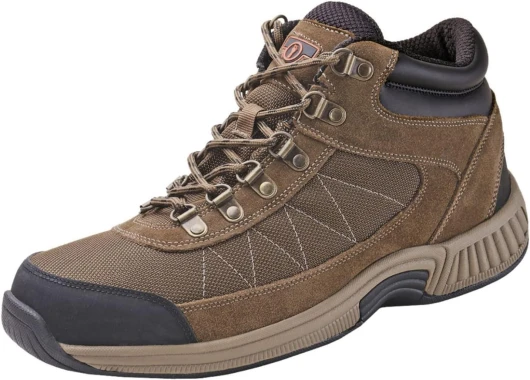
Design: looks like a boot, behaves like a comfort shoe
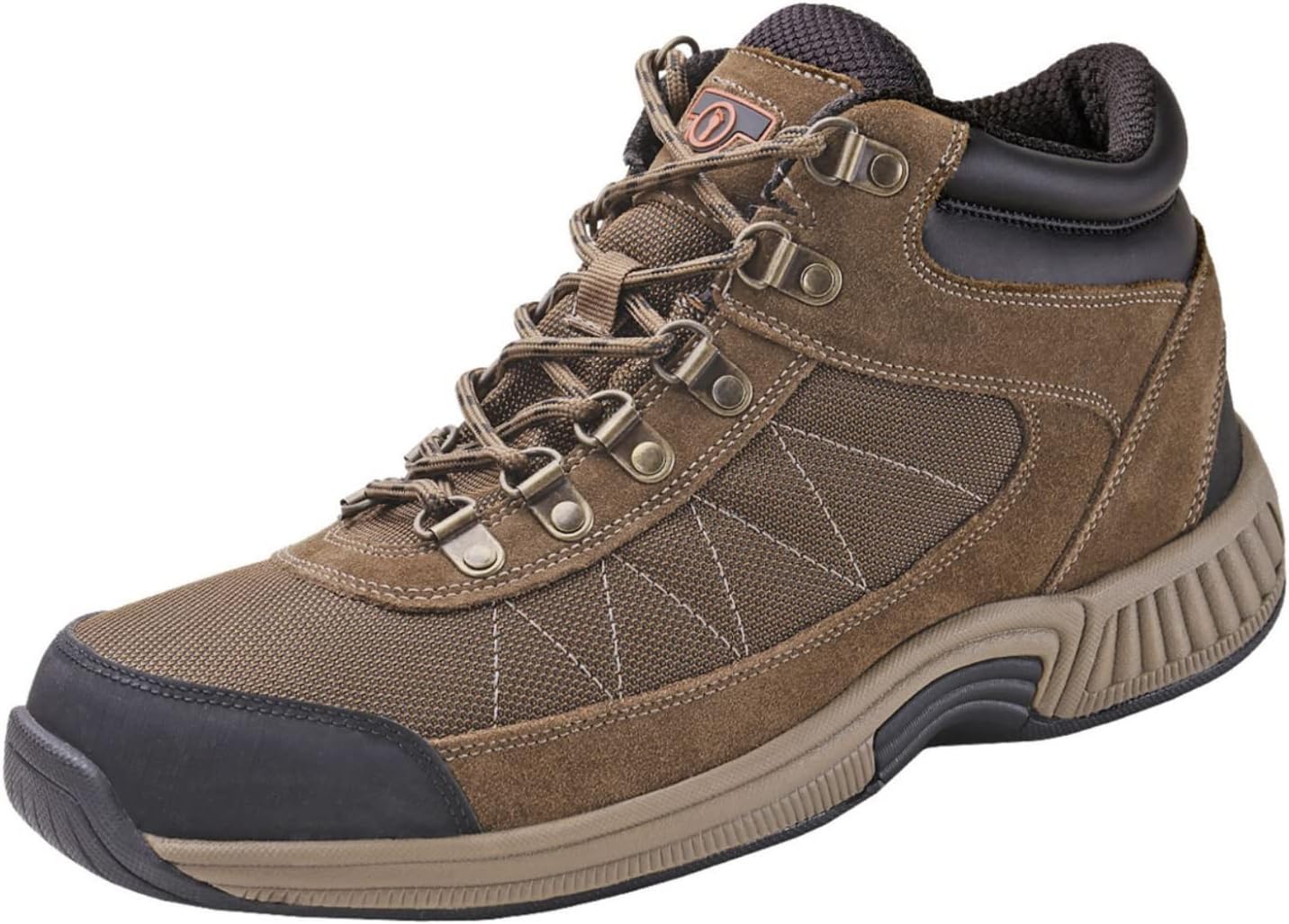
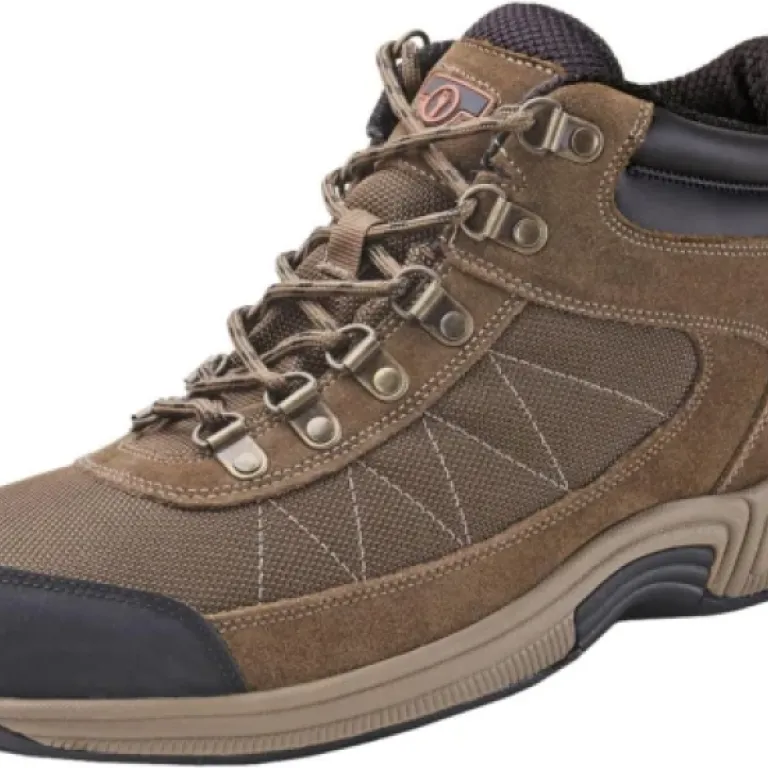
Visually, the design is pretty straightforward. Brown leather upper, ankle‑height shaft (about 8" circumference, ankle height), and a rubber outsole with a medium tread pattern. Nothing flashy, and honestly that’s fine. On my feet they look like a normal casual boot you’d wear with jeans. If you work in a place where you need something that looks like a boot but you don’t want a heavy one, they fit the bill visually.
The wide toe box is really noticeable when you look down. The front of the boot is slightly more rounded and roomy than a typical narrow work boot. If you’ve got bunions, hammertoes, or your toes usually feel squeezed, this shape is going to feel like a relief. My toes had space to spread out without rubbing on the sides, which is rare for me in leather boots. At the same time, they don’t look like clown shoes; the shape is wide but not ridiculous.
The ankle area is padded and fairly flexible. That’s good for comfort and easy break‑in, but it also means less real ankle support. One of the Amazon reviewers hammered them for “ZERO ankle support,” and while I wouldn’t put it that harshly, I agree these are not the boots you buy if you need firm, structured support around the ankle. When I twisted my foot stepping off a curb, the boot didn’t really stop the motion the way a stiff work boot would.
One thing that feels a bit cheap is the laces. They’re thin and feel more like running shoe laces than boot laces. Another buyer mentioned both laces snapping after a few months, and I’m not surprised. I haven’t snapped mine yet, but I can see these not lasting long if you really crank them down every day. For the price, I would have liked thicker, more durable laces and maybe a slightly beefier eyelet setup. Overall, the design is function over style, clearly skewed to comfort and width rather than rugged looks.
Comfort: where these boots actually shine
This is the one area where the boots really deliver. From day one, the comfort level was high. I wore them for a full workday, about 8–9 hours on my feet with a mix of walking and standing, and I didn’t get that usual burning under the heel or tightness in the toes. The wide toe box is the star here. My toes could spread out, and even by the end of the day I didn’t feel that numb or pinched sensation I get with narrower boots.
The built‑in orthotic insole and arch booster actually do something. I tested them with and without the arch booster insert. With the booster in, the arch support is quite noticeable, almost aggressive if you’re not used to it. For my slightly flat feet, it felt supportive without being painful, but if you hate feeling anything under your arch, you might need to adjust or remove the booster. My lower back also felt better after several days of wearing them compared to my usual cheap boots. That lines up with the review from the guy who said his lower back pain eased up a lot with Orthofeet shoes.
Underfoot cushioning is soft but not mushy. You can walk 5–10 miles in these without feeling like your feet are being punished. One reviewer said they walked up to ten miles a day in England and Scotland with no issues, and I can believe that. I did a couple of long walks, around 6–7 miles, and my feet were tired but not in pain. For plantar fasciitis or general heel pain, these are way more forgiving than regular boots.
The downside: if you’re used to super stiff, structured boots, this level of softness might feel unstable. The ankle doesn’t lock you in like a rigid hiking boot, and the sole flexes more. So yes, they’re very comfortable, but it’s a comfort that leans toward “supportive sneaker” more than “mountain or work boot.” If your main problem is foot pain, these are a win. If your main need is stability and protection, comfort alone might not be enough.
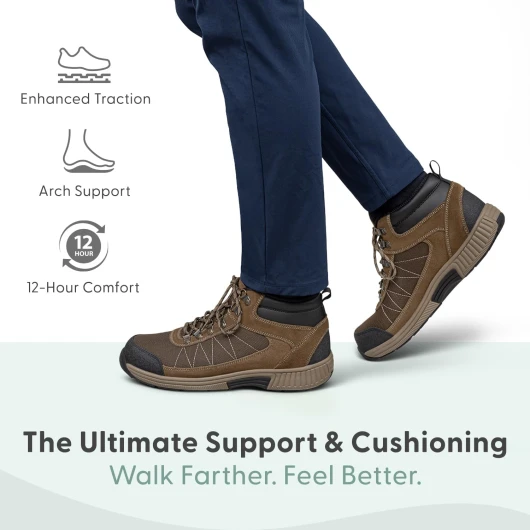
Materials: light leather, soft padding, and a thin‑feeling sole
The upper is leather, but it’s on the softer, thinner side compared to classic work boots. That’s not necessarily a bad thing if you care about comfort and break‑in. Out of the box, I had basically no break‑in period. After the first day, the leather flexed nicely with my foot, no nasty rubbing on the heel or stiff creases on the top of the foot. But this softer feel also means they don’t feel bombproof. I wouldn’t use these for heavy construction, welding, or anything where your boots take serious abuse.
Inside, there’s a lot of padding. The interiors are cushioned around the collar and tongue, and you get a removable premium orthotic insole plus an “arch booster” insert. The insole itself is thicker and more structured than the ones you get in standard boots. It has a defined arch and extra cushioning under the heel. I could actually feel the difference under my arch compared to my regular boots. For someone with flat feet or plantar fasciitis, this is probably the main reason to buy these.
The outsole is rubber, but it’s not super thick. One of the negative reviewers said you can feel your fingers through the sole if you poke from the inside, and yeah, if you press hard you can kind of sense that. For normal walking on concrete and trails, I didn’t feel like I was walking barefoot or anything, but there’s definitely more ground feel than in something like a Timberland Pro. The flip side is that you get more flexibility and a lighter boot, but you sacrifice that dead‑solid underfoot feeling some people want.
As for waterproofing, they’re described as waterproof, and in light rain and wet grass they held up fine. My socks stayed dry after walking through damp yards and a few shallow puddles. I haven’t stood in ankle‑deep water or worked in all‑day downpours with them, so I’d call them reasonably water‑resistant for normal use, but I wouldn’t bet my life on them in hardcore weather. Overall, the materials match the comfort‑first concept but don’t scream heavy‑duty longevity.
Durability: good enough for light use, questionable for hard use
Durability is where opinions on these boots seem to split hard. My own pair, after a few weeks of regular use, still looks pretty decent. The leather has some creasing but nothing dramatic, the stitching is intact, and the sole isn’t showing any obvious wear yet. So in the short term, they’re holding up fine for everyday walking and light chores. I wouldn’t call them flimsy based on my use so far.
But if you read through the Amazon reviews, you can see the weak spots. One buyer said the boots “failed after a week,” complaining about thin soles, no ankle support, and calling them slipper‑level durable. Another buyer praised the comfort and overall condition after several months but mentioned that both laces snapped within about five months. I’m not surprised about the laces; they do feel like the first thing that’s going to go. For the price, Orthofeet really should include tougher laces or at least sell replacements easily.
The sole thickness is another concern. While I haven’t worn through it, I can tell it’s not as chunky as a typical work boot. You can feel the ground more, which is fine for comfort and walking, but long term I could see heavy users grinding these down faster than expected. If you’re using them on rough surfaces, gravel, or work sites every day, don’t expect multi‑year life like some heavy leather boots. These feel more like high‑end comfort shoes with a boot shape in terms of lifespan.
So my take: for normal daily use, office/retail work, light outdoor stuff, they should last a reasonable amount of time if you’re not brutal with them. But if you’re hard on boots, dragging them through mud, concrete, and ladders all day, there are tougher options at the same price. Durability is acceptable, not impressive, and you should plan on replacing the laces sooner rather than later.
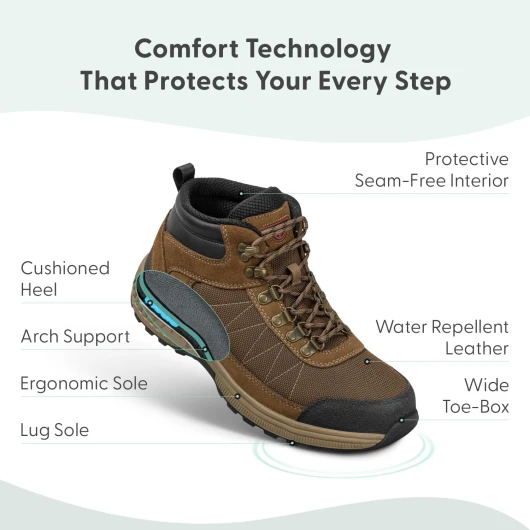
Performance: great for walking and standing, weak for heavy work
In everyday use—walking around town, light outdoor chores, commuting—these boots perform well. The grip on the rubber outsole is decent on wet pavement and grass. I never felt like I was skating around, even in light rain. They’re also light on the feet, which makes a difference when you’re on them all day. You don’t get that dragging feeling you sometimes get with heavy leather boots.
Where they start to show their limits is in more demanding situations. The ankle area, while padded, is quite flexible. If you’re carrying heavy loads, climbing ladders, or working on uneven surfaces all day, the lack of firm ankle support is noticeable. I had a few moments stepping on rocks and uneven ground where my foot rolled more than I would have liked. A reviewer called out “ZERO ankle support,” and while I think that’s a bit exaggerated, I get the complaint. These are not designed as hardcore work boots, no matter what the shape suggests.
Shock absorption is good, especially under the heel. Concrete floors are brutal with regular boots, and with these I definitely felt less impact. For someone working in a warehouse or retail environment where safety toes aren’t required, these could be a good middle ground: supportive, cushioned, and relatively light. But again, if your job involves heavy equipment or you need safety features like steel toes, these are not the right tool.
As for waterproofing and weather performance, they hold up fine in regular rain and wet conditions, but I wouldn’t choose them for winter slush or all‑day storms. They’re more of a three‑season comfort boot than a harsh‑weather boot. In short, their performance is strong for comfort and daily walking, and just okay for outdoor work. If you buy them with the right expectations, they do the job. If you expect them to replace a pair of heavy‑duty work boots, you’ll probably be disappointed.
What these boots actually are (and what they’re not)
On paper, the Orthofeet Hunter Boots are marketed as a waterproof leather outdoor ankle boot with a wide toe box, orthotic insole, and rubber outsole. The pair I have is a 9 Wide in brown, and the sizing for me was pretty much spot on. I usually wear a 9 in wide or extra‑wide shoes, and these didn’t need any weird lacing tricks to feel okay. They genuinely do run true to size, at least for my feet.
The overall vibe is more “comfortable casual/outdoor boot” than hardcore work boot. You’ve got padded interiors, a fairly soft upper, and a sole that bends more than a typical work boot. When you pick them up, the first thing you notice is how lightweight they are. If you’re used to clunky, brick‑like boots, this feels almost like a mid‑cut walking shoe with a leather upper. That lines up with the description about them being good for people with diabetes, arthritis, bunions, and all that. It’s clearly designed around comfort, not armor.
Where things get a bit confusing is the price versus the build. They’re priced in the same ballpark as some solid work boots, but the construction is not at that level of heaviness. One Amazon reviewer even said they wouldn’t pay $20 for them because of thin soles and lack of ankle support. I wouldn’t go that far, but I do get where that frustration comes from if you bought them expecting something super tough.
So in short: if you think of these as supportive orthopedic sneakers in a boot shape, the product makes more sense. If you buy them as your main heavy work boots, you’ll probably feel like you overpaid. The target user is clearly someone whose first priority is pain relief and foot comfort, not someone who’s kicking pallets and climbing ladders all day.
Pros
- Very comfortable out of the box with real arch support and heel cushioning
- Wide toe box that actually relieves pressure on toes and bunions
- Lightweight for a boot, easy to wear all day for walking and standing
Cons
- Ankle support is weak compared to traditional work or hiking boots
- Soles and laces feel on the thin/less durable side for the price
- Price is high if you only care about ruggedness and not the orthopedic features
Conclusion
Editor's rating
Overall, the Orthofeet Men's Orthopedic Leather Hunter Boots are comfort-driven boots that prioritize support and pain relief over rugged toughness. They fit true to size, the wide toe box actually gives your toes room, and the orthotic insole plus arch booster make a real difference if you deal with plantar fasciitis, heel pain, or lower back issues. For long days on your feet walking or standing—especially indoors or on mild terrain—they do the job very well and feel more like supportive sneakers than stiff boots.
Where they fall short is in hardcore durability and ankle support. The leather and sole are on the lighter side, the laces are weak, and the ankle area is more flexible than protective. If you’re expecting a heavy-duty work boot that can take daily abuse on construction sites or in rough outdoor conditions, you’ll probably feel like you overpaid. These are better suited for people who want maximum comfort with a boot look, not people who need serious safety and structure.
If your main problem is foot pain and you’ve struggled with regular boots, these are worth a look and the price can be justified. If your main need is a tough, long-lasting boot for heavy work, skip these and go for something more traditional and rugged. They’re a solid choice for comfort-focused users, but not a one-size-fits-all solution.