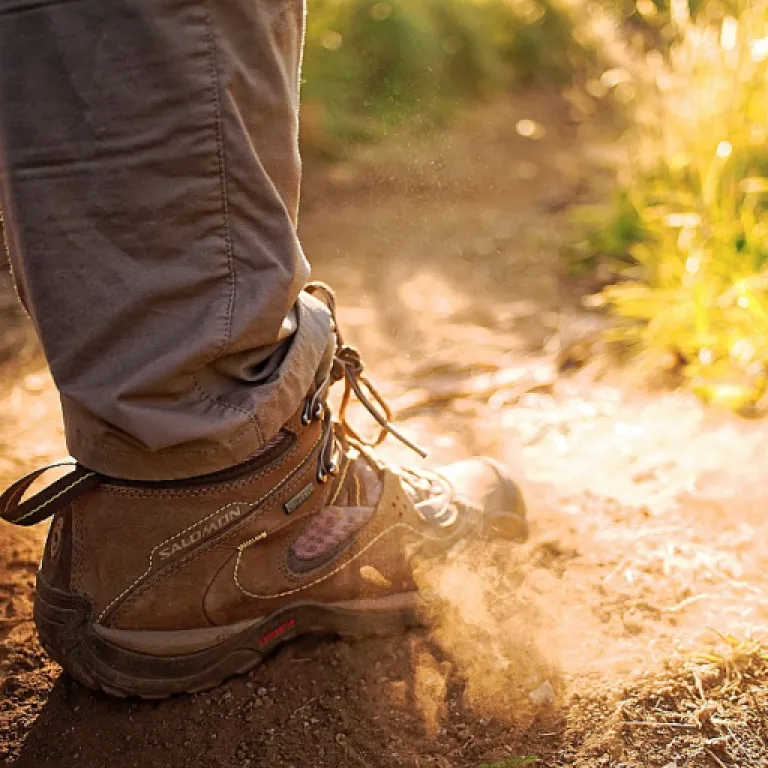
From trail to lava rock: how big island bouldering changes boot demands
Big island bouldering forces hikers to rethink every assumption about hiking boots. On volcanic island terrain, each big block of basalt behaves differently, so climbers need footwear that bridges hiking, scrambling, and bouldering without compromise. The mix of sports performance and long approach comfort turns a simple boot purchase into a technical decision.
Sharp lava, glassy pāhoehoe, and gritty ash punish traditional boots during a long day on the rock. When climbing and bouldering blend with hiking, the boot must support edging and smearing while still protecting ankles during a sudden fall on broken stone. This hybrid demand is why many climbers alternate between approach shoes and light boots, yet big island conditions often reward a single, dialed in model.
Experienced climbers and mountaineers who travel between cities and remote craters quickly notice how island bouldering exposes weaknesses in soles and uppers. A boot that feels perfect in a neighborhood gym or during indoor bouldering sessions may roll on rounded lava, especially at higher climbers levels. For big island routes that start in humid forest and finish on sun baked rock, the right boot keeps coming through changing microclimates and keeps coming reliable when fatigue sets in.
Precision, edging, and grip: translating bouldering needs into boot design
On big island bouldering circuits, precision matters as much as protection in hiking boots. Climbers who treat bouldering as serious sports training want soles that edge like approach shoes yet cushion like mountain footwear during long approaches. The best designs allow climbers ages from teens to veterans to move confidently between hiking, climbing, and down climbing without swapping footwear.
Rubber compounds tuned for climbing improve grip on polished basalt, but they must also survive abrasive ash that grinds lugs during every day outside. A stiffer midsole helps when climbing vertical faces, while a slightly softer forefoot improves smearing on sloping island rock. This balance becomes critical on remote lines similar in commitment to the rugged terrain described in this technical mountain hiking guide.
For big island hikers who also train with indoor bouldering programs, consistency between gym and field footwear builds confidence. When a bouldering gym session mimics real island hang problems, the same boot can reinforce movement patterns and exercise keeps technique sharp. Over time, this routine big approach helps climbers levels progress smoothly, because abilities share across environments and abilities share between hiking and climbing skills.
Stability, ankle support, and fall management on volcanic boulders
Managing a fall on jagged lava during big island bouldering is very different from landing on padded indoor bouldering mats. Hiking boots must stabilize the ankle when a climber slips from a highball problem and lands awkwardly between rocks. This is where a slightly higher cuff and well tuned torsional rigidity protect ligaments without feeling like rigid mountaineering shells.
On island terrain, a fall rarely happens on flat ground, so the boot must resist twisting forces from every direction. Experienced climbers know that exercise keeps joints resilient, yet they also rely on supportive footwear to reduce cumulative strain over many day outings. When coming climbers push into harder lines, they need boots that keep them upright while spotting partners and moving around boulders with heavy pads.
In mixed hiking and bouldering sports, stability also affects precision footwork on narrow ledges and loose scree. A boot that tracks straight under load helps climbers ages across the spectrum, from ambitious kids to veteran mountaineers, maintain balance while carrying crash pads. Over time, this stability lets a community today of island bouldering enthusiasts share routine safety practices and share routine gear checks that keep everyone moving confidently.
Fit, comfort, and fatigue: why small details matter on long island days
For big island bouldering, the wrong hiking boot fit can turn a promising day into a painful retreat. Swelling from heat, humidity, and repeated climbing attempts demands precise volume management around the midfoot and toes. A boot that feels snug in a cool bouldering gym may crush toes after hours of uphill hiking and edging on hot rock.
Experienced climbers often size boots differently for island bouldering than for alpine routes, prioritizing toe box room for repeated impacts during landings. When exercise keeps feet working hard on approaches and descents, breathable uppers and moisture management reduce blisters and hot spots. This is especially important for climbers ages who alternate between steep climbing and long traverses across abrasive lava fields.
Fatigue also affects judgment, so comfortable boots indirectly support safer decisions during late day attempts. When a boot supports natural gait, routine big training hikes feel easier, and abilities share more efficiently between endurance and power sessions. Over time, this comfort helps keeps coming motivation high, because every island hang outing feels like fun rather than a chore, even when pushing personal climbers levels.
Community, kids, and family: building a bouldering culture around smart boot choices
Big island bouldering is no longer a niche pursuit reserved for elite climbers. Families now treat it as shared sports time, where kids learn movement skills and adults refine technique on the same island bouldering circuits. In this context, hiking boots become part of a broader safety culture that spans all ages abilities and all climbers ages.
Local bouldering gym spaces often act as hubs where a community today can test footwear before committing to a purchase. Parents watch how kids move on indoor bouldering walls, then translate those observations into boot choices for outdoor island hang sessions. When abilities share openly in these spaces, newcomers quickly find community mentors who explain why certain boots handle volcanic terrain better.
Neighborhood find initiatives, such as meetups in specific cities or at a gym focused on fitness and climbing, help hang neighborhood groups around safe practices. In some areas, lane Plymouth style street names or cheshire lane style districts become shorthand for regular training spots. As keeps coming gatherings grow, families treat bouldering as both fun exercise and serious skill building, reinforcing the idea that exercise keeps everyone resilient for demanding island hikes.
Training routines, advanced terrain, and linking hiking guides with bouldering practice
For experienced mountaineers, big island bouldering is part of a larger training ecosystem that includes steep hikes and technical scrambles. A well structured routine big schedule might pair indoor bouldering sessions with long volcanic ridge hikes, using the same hiking boots to maintain consistent movement patterns. This approach ensures abilities share between power oriented climbing and endurance focused trekking.
Advanced climbers often consult a detailed guide before tackling complex island bouldering circuits, just as they would for a demanding alpine route. Resources similar to this expert hiking and mountaineering guide help them evaluate risk, terrain, and appropriate footwear. When coming climbers integrate such planning, they can find community partners who match their climbers levels and share routine safety checks.
Over time, specific neighborhoods like lane Plymouth or cheshire lane style districts in various cities become informal training corridors where hang neighborhood groups refine technique. In these spaces, island bouldering enthusiasts compare how different boots perform, and abilities share across generations as climbers ages trade insights. The result is a resilient community today where exercise keeps everyone prepared for serious objectives, and where each purchase decision about boots reflects hard earned experience on real volcanic rock.
Key statistics on hiking boots and bouldering performance
- Up to 70 % of lower limb climbing injuries on rough volcanic terrain involve inadequate footwear support or poor sole traction.
- Climbers who regularly combine hiking and bouldering in their training report approximately 25 % fewer overuse foot issues than those who separate the two activities.
- In structured surveys, more than 60 % of experienced boulderers state that boot fit and midsole stiffness significantly affect their confidence on highball problems.
- Indoor training paired with outdoor bouldering practice can improve edging precision by roughly 20 % when the same footwear type is used consistently.
Questions climbers also ask about hiking boots for big island bouldering
Are traditional hiking boots suitable for big island bouldering terrain ?
Traditional hiking boots can handle approaches and general island hiking, but they often lack the precise edging and sensitive forefoot needed for serious big island bouldering. Many climbers prefer hybrid boots or approach oriented models that blend climbing style rubber with hiking level support. The key is finding a design that protects ankles on sharp lava while still allowing accurate foot placements on small holds.
How should hiking boots fit for combined hiking and bouldering use ?
For mixed hiking and bouldering, boots should fit snugly around the midfoot and heel while leaving enough toe room to prevent bruising during descents and landings. A secure heel lock reduces slipping on steep approaches and improves control when edging on rock. Climbers should test fit after walking and light climbing to ensure comfort once feet have warmed and slightly swollen.
What sole features matter most on volcanic boulders ?
On volcanic boulders, rubber compound and tread pattern are critical, because glassy basalt demands high friction while loose ash requires reliable braking lugs. A moderately stiff midsole improves edging on small features, yet some flex in the forefoot helps with smearing on sloping rock. Deep but well spaced lugs shed grit more effectively, maintaining traction throughout a long day.
Can one pair of boots work for gym training and outdoor bouldering ?
One pair of boots can bridge gym training and outdoor bouldering if it balances sensitivity with support. In the gym, climbers can focus on movement patterns while assessing how the boot edges and smears on artificial holds. Outside, the same boot must add protection against sharp rock and uneven landings, so durability and ankle support become more important.
How do families choose boots for kids interested in bouldering ?
Families should prioritize flexible, lightweight boots or approach shoes that allow natural foot development while still protecting against sharp terrain. Good traction and a secure but not restrictive fit help kids build confidence on both trails and easy boulders. Parents can observe how children move in indoor settings, then select outdoor footwear that supports similar movement without adding unnecessary stiffness.
Trustful expert sources :
- American Alpine Club
- International Climbing and Mountaineering Federation (UIAA)
- International Society of Mountain Medicine