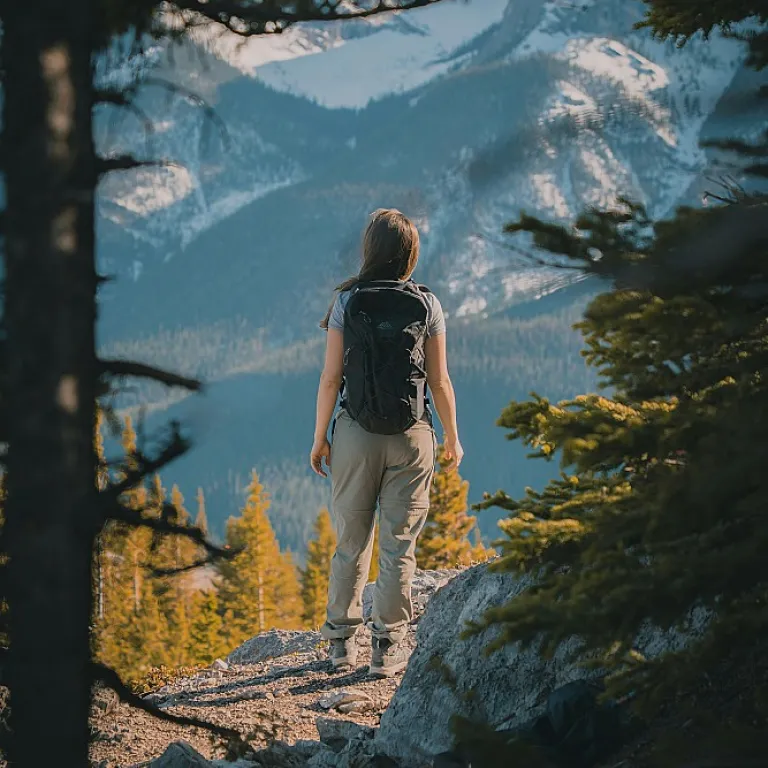

Understanding the nutritional needs of vegan hikers
Fueling Your Body for the Demands of the Trail
When you set out on a backpacking trip, your body needs more than just calories—it needs the right balance of nutrients to keep you energized, focused, and strong. For those following a vegan diet, understanding these needs is key to enjoying the best hiking experience and staying healthy on the trail. Whether you’re planning a day hike or a multi-day adventure, smart meal planning ensures you get the most from your vegan backpacking food choices.
- Calories: Backpacking burns a lot of energy. Vegan backpacking meals should be calorie-dense but lightweight. Foods like nut butters, dried fruits, and whole grains are good options for packing energy into every bite.
- Protein: Plant-based protein is essential for muscle repair and recovery. Look for backpacking foods such as lentils, beans, quinoa, and peanut butter. Many vegan meals brands offer high-protein options designed for the trail.
- Healthy Fats: Fats help you feel full and provide long-lasting energy. Nut butters, seeds, and coconut-based foods are easy to pack and don’t spoil quickly.
- Carbohydrates: Carbs are your body’s main fuel source during hiking. Oats, rice, and dried fruits are excellent vegan backpacking food options that are easy to prepare and carry.
- Vitamins and Minerals: A varied vegan meal plan helps you get enough iron, calcium, B12, and other nutrients. Consider fortified foods or supplements as part of your backpacking meal strategy.
It’s also important to find foods that are easy to prepare and enjoyable to eat after a long day on the trail. Many backpackers rely on a mix of homemade backpacking recipes and ready-to-eat vegan meals from trusted brands. For more inspiration on the best vegan snacks and meal ideas, check out this guide to perfect backpacking snacks that will keep your energy up and your taste buds happy.
As you plan your trip, remember that the right vegan backpacking foods can make a big difference in your comfort and performance. The next sections will cover how to pack lightweight, high-energy meals and overcome common challenges with vegan backpacking food.
Planning lightweight and high-energy vegan meals
Balancing Weight and Nutrition for the Trail
When planning vegan backpacking meals, the goal is to find the best balance between lightweight packing and high-energy nutrition. Every ounce counts on a backpacking trip, but so does every calorie. The right meal plan will keep you energized, satisfied, and ready for each day’s hike.
- Calorie Density Matters: Choose foods that pack a lot of calories into a small space. Nut butters, trail mixes, and dried fruits are classic vegan backpacking foods that deliver energy without weighing down your pack.
- Protein on the Go: Plant-based protein is essential for muscle recovery. Good options include dehydrated lentils, chickpeas, and shelf-stable tofu. Peanut butter and other nut butters are also great for quick protein and healthy fats.
- Carbs for Endurance: Instant oats, couscous, and rice noodles are lightweight, easy to prepare, and provide the carbs needed for long days on the trail.
- Don’t Forget Variety: Mixing up your vegan backpacking food options keeps meals interesting. Rotate between different dried veggies, grains, and protein sources to avoid food fatigue.
Smart Meal Planning for Multi-Day Hikes
Meal planning is key for any backpacking trip, especially on a vegan diet. Start by estimating your daily calorie needs based on your hiking intensity and duration. Then, build a meal plan that includes breakfast, lunch, dinner, and snacks for each day. Backpacker pantry staples like dehydrated soups, instant grains, and energy bars make meal prep easy and efficient.
For more inspiration on lightweight, high-energy vegan backpacking meals, check out this guide to dehydrated backpacking meals—it’s packed with ideas and practical tips for plant-based hikers.
Best Vegan Foods to Pack
| Food | Calories per 100g | Protein per 100g | Why It’s Good |
|---|---|---|---|
| Nut Butter | 600+ | 20g | High calorie, protein-rich, easy to pack |
| Dried Lentils | 350 | 25g | Lightweight, cooks quickly, versatile |
| Dehydrated Meals Brands | Varies | Varies | Convenient, balanced nutrition, easy prep |
| Trail Mix | 500+ | 10g | Energy-dense, customizable, snackable |
| Instant Oats | 370 | 13g | Quick breakfast, good carbs, fiber |
With the right vegan backpacking foods and a thoughtful meal plan, you’ll have the energy and nutrition needed for any hiking adventure.
Packing strategies for multi-day hikes
Smart Packing for Vegan Backpacking Meals
Packing vegan backpacking food for a multi-day hiking trip is about more than just filling your bag with plant-based meals. It’s a balance between weight, nutrition, and convenience. The best vegan backpacking foods are lightweight, calorie-dense, and easy to prepare, ensuring you get enough protein and energy without overloading your pack.- Prioritize calorie density: Choose foods like nut butters, dried fruits, seeds, and dehydrated meals. These options pack a lot of calories and nutrients into a small space, which is crucial for long days on the trail.
- Organize by meal: Use resealable bags or small containers to separate breakfast, lunch, dinner, and snacks. This makes meal planning simple and helps you keep track of your food options throughout the trip.
- Opt for easy prep: Instant oats, couscous, and freeze-dried vegan meals require minimal cooking and water. Many backpacker pantry brands now offer vegan meals that just need hot water, making them good choices for efficiency and weight savings.
- Don’t forget protein: Plant-based protein sources like lentils, chickpeas, and soy curls are lightweight and filling. Peanut butter and other nut butters are also excellent for boosting protein and calories.
- Minimize packaging waste: Repackage bulk foods into lightweight bags to reduce trash and save space. This is especially helpful for dried foods and snacks.
Overcoming common challenges with vegan backpacking food
Solving Common Vegan Backpacking Food Hurdles
Finding the best vegan backpacking foods can be a challenge, especially when you want to keep your pack light and your meals high in calories and protein. Here’s a practical guide to overcoming the most frequent obstacles on the trail.- Limited Store-Bought Options: Not every outdoor retailer stocks a wide range of vegan backpacking meals brands. To avoid last-minute stress, research and order plant based backpacking foods in advance. Many specialty brands now offer vegan meal options, but always check ingredient lists for hidden animal products.
- Protein and Calorie Density: Vegan diets can sometimes fall short on protein or calories, especially on multi-day hiking trips. Focus on foods like nut butters, peanut butter, seeds, and dried beans. These are easy to pack, don’t spoil quickly, and deliver good nutrition. Adding dehydrated tofu or lentils to your meal plan can also boost protein intake.
- Meal Variety and Palatability: Eating the same foods every day can get boring. Mix up your backpacking recipes by combining different grains, dried veggies, and spices. DIY vegan trail snacks, like homemade energy bars or roasted chickpeas, can add excitement to your food options.
- Food Preparation on the Trail: Some vegan foods require longer cooking times or more water. Opt for quick-cooking grains (like couscous or instant rice) and pre-cooked, dried legumes. A lightweight stove and a simple pot are usually enough for most vegan backpacking meals.
- Finding Shelf-Stable Foods: Look for foods that don’t need refrigeration, such as dried fruit, nuts, and shelf-stable nut butter packets. Backpacker pantry staples like instant oatmeal, couscous, and freeze-dried meals are easy to find and pack.
DIY vegan trail snacks and meal ideas
Creative Vegan Trail Snacks and Simple Meal Ideas
For many outdoor enthusiasts, finding the best vegan backpacking foods means getting creative with snacks and meals that are lightweight, high in calories, and easy to prepare. A good meal plan for a backpacking trip should include a mix of protein, healthy fats, and complex carbs to keep your energy up on long hiking days.- DIY Energy Bars: Combine oats, nut butters, dried fruits, seeds, and a touch of maple syrup. Press into a pan, chill, and cut into bars. These are calorie-dense and pack well.
- Nut Butter Packets: Single-serve packets of peanut butter or almond butter are a staple for vegan backpackers. They’re high in protein and healthy fats, making them one of the best vegan backpacking foods for sustained energy.
- Dehydrated Meals: Prepare your own plant-based backpacking meals at home by dehydrating cooked grains, beans, and vegetables. Just add hot water on the trail for a quick, satisfying meal.
- Trail Mix: Mix nuts, seeds, dried fruit, and vegan chocolate chips for a customizable, high-calorie snack. Trail mix is easy to portion and doesn’t require refrigeration.
- Instant Oatmeal Packs: Pre-mix oats with dried fruit, chia seeds, and a pinch of salt. Add hot water for a quick breakfast or snack that delivers good carbs and protein.
- Rice Cakes with Nut Butter: Lightweight and crunchy, rice cakes topped with nut butter and a sprinkle of dried fruit make a satisfying snack or light meal.
- Chickpea Flour Pancakes: Mix chickpea flour with water, salt, and spices for a protein-rich pancake batter. Fry on a lightweight pan for a savory meal option.
Tips for Easy Vegan Backpacking Recipes
- Choose foods that don’t spoil quickly, like dried beans, lentils, and grains.
- Opt for meal options that only need hot water or minimal cooking.
- Experiment with different backpacking recipes at home before your trip to find what you like best.
- Look for vegan meals brands that offer freeze-dried or dehydrated backpacking meals for convenience.
Maximizing Nutrition and Taste on the Trail
Plant-based backpacking foods can be both nutritious and delicious. Focus on packing a variety of flavors and textures to keep meals interesting. Don’t forget to include high-protein options like nut butters, seeds, and legumes. With a little meal planning, you’ll find that vegan backpacking food options are more diverse and satisfying than ever, making your hiking trip both enjoyable and energizing.Essential gear for preparing vegan meals outdoors
Reliable Tools for Plant-Based Cooking on the Trail
When it comes to preparing vegan meals during a backpacking trip, having the right gear can make all the difference. The best equipment is lightweight, durable, and easy to use, helping you prepare high-energy, protein-rich foods without adding unnecessary weight to your pack. Here’s a guide to essential gear that supports a vegan diet in the backcountry.
- Lightweight Stove: A compact canister stove or alcohol stove is ideal for boiling water quickly for dried foods, grains, and instant vegan backpacking meals. Look for models with good fuel efficiency and stable bases.
- Cookware: A single pot or small cook set made from titanium or hard-anodized aluminum is usually enough for most vegan backpacking recipes. Non-stick coatings can help with easy cleanup, especially when preparing sticky foods like peanut butter oats or nut butter sauces.
- Utensils: A long-handled spoon or spork is practical for stirring and eating directly from meal pouches. Consider a lightweight knife for slicing dried fruits or opening food packaging.
- Food Storage: Resealable silicone bags or lightweight containers keep your backpacking foods organized and protected. These are great for portioning out trail snacks, nut butters, and meal ingredients.
- Insulated Mug or Bowl: Useful for hot vegan meals, soups, or breakfast grains. Insulation helps retain heat, saving fuel and making your meal more enjoyable, especially on cold mornings.
- Water Filtration: Clean water is essential for rehydrating dried foods and cooking. A reliable filter or purifier ensures you have safe water for every meal plan.
- Portable Cutting Board: Optional but handy for prepping fresh foods or assembling wraps and sandwiches with plant-based ingredients.
Tips for Efficient Vegan Meal Prep Outdoors
- Pre-measure and pack spices, nutritional yeast, and protein powders in small containers for easy access and to boost calories and flavor.
- Choose foods that cook quickly, like instant rice, couscous, or dehydrated backpacking meals brands, to save fuel and time.
- Bring a small, lightweight towel or cloth for cleaning up after preparing vegan meals.
With the right gear, you’ll find that preparing good vegan backpacking food is not only possible but enjoyable. The key is to balance weight, efficiency, and the ability to make diverse, high-calorie meals that keep you fueled for every day on the trail.