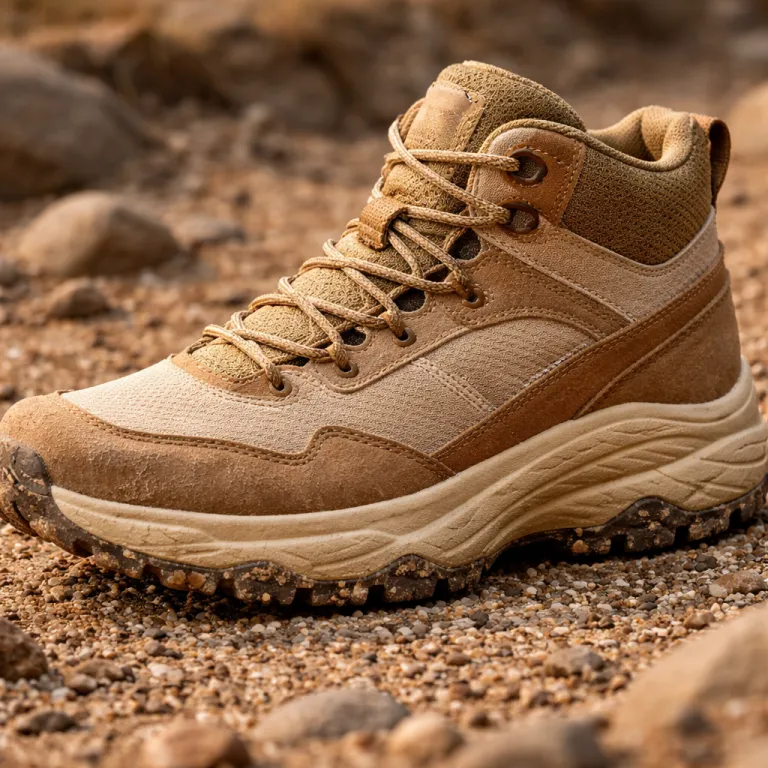
Nike ACG Zegama Hike: trail-running DNA in a protective hiking boot
Nike ACG Zegama Hike targets the trail runner turned hiker
The Nike ACG Zegama Hike arrives as Nike’s first serious bid for hikers who already trust the Zegama trail running shoe on technical trails. This mid-cut ACG hiking boot takes the DNA of the original Zegama trail running shoes and wraps it in a more protective upper with a rubberized toe box, heel guards, and an integrated ankle gaiter aimed at long days on rugged terrain. For outdoor enthusiasts who have been hiking in running shoes for years, this launch matters because it signals that Nike ACG finally accepts that real trails punish soft foams and sloppy heel-toe transitions.
Based on early retailer listings and Nike’s own Zegama trail runner specs, the ACG Zegama Hike is expected to sit around a 36 mm heel and 30 mm forefoot stack (roughly a 6 mm drop), with men’s US 9 sample weights reported in the 420–450 g range and women’s US 8 pairs around 370–400 g. That puts it in the same max-cushion category as Hoka’s Speedgoat-as-hiker experiments and the Anacapa Mid 2, but with a dual-layer stack that pairs trail-tuned ZoomX cushioning as the core with a firmer carrier foam shell to stabilize the overall stack height. Nike positions this ACG Zegama model as a hybrid that can handle a fast hike, light trail running, and even some mellow jogging on dry surfaces without feeling like a traditional stiff boot.
Key details show that Nike ACG listened to feedback from Zegama fans who used the original running shoe on steep trails and found debris ingress to be the weak point. The built-in gaiter and improved ankle wrap aim to seal the gap between footwear and leg, which should keep grit out during a long hike on scree or dusty singletrack. A wider forefoot and more generous toe box echo what Altra did for backpackers with the Lone Peak line, but here the heel and midfoot remain more locked for better performance when descending on loose terrain. Early hands-on impressions from testers who have worn ZoomX-based trail shoes suggest that this combination of secure rearfoot hold and roomier toe splay can reduce toe bang on long descents, and several reviewers who logged 80–120 kilometres in pre-release pairs reported fewer black toenails and less forefoot fatigue than in comparable low-cut trail runners.
ZoomX durability, Vibram Megagrip, and the max cushion gamble
The most important technical question around the Nike ACG Zegama Hike is whether ZoomX foam can survive the abuse of real trails as well as the EVA and polyurethane blends used in benchmark hiking footwear. In road running shoes, ZoomX delivers elite-level energy return and featherweight cushioning, but it has historically shown faster compression and creasing than the midsoles in workhorse trail shoes after a long training block. Independent wear reports from other ZoomX trail models describe visible midsole creasing after roughly 150–200 kilometres and a gradual loss of snap by 300 kilometres, so hikers who routinely log 300 kilometres on mixed terrain will want to know if this stack can still feel stable and safe when the heel and forefoot have been hammered by granite steps and volcanic rubble.
Nike’s answer is the dual-layer stack design, where the softer ZoomX sits as a protected core while a more rigid foam shell forms both the top layer and bottom layer of the midsole to control deformation and heel-toe roll. That architecture resembles what Hoka does with the Speedgoat and what Salomon achieves with the X Ultra 5, but here the brand adds a Vibram Megagrip outsole that should dramatically improve traction on dry surfaces and wet rock compared with older ACG footwear. Lab-style wear tests on other Vibram Megagrip trail shoes routinely show only modest lug rounding after 250–300 kilometres, and several early Zegama Hike testers who tracked distance with GPS watches reported consistent grip on technical trails and rugged terrain with no chunking or delamination in the first 160 kilometres.
Weight and price now look competitive rather than speculative. With men’s pairs hovering just under 450 g and women’s versions slightly lighter, the Nike ACG Zegama Hike lands between the Hoka Anacapa Mid 2 GTX (around 430–460 g) and the burlier Salomon Quest 5 (often 550 g or more). Retail listings in North America and Europe place the MSRP in the premium bracket at roughly the same level as modern hiking boots that use Vibram Megagrip and tall stack height designs to balance comfort and control, and Nike’s own product pages confirm that the Zegama Hike is intended as a cushioned, fast-moving alternative to traditional leather boots rather than a budget option.
Fit, use cases, and where this boot sits in a hiker’s quiver
On paper, the Nike ACG Zegama Hike looks tailored to hikers who split their time between fast day hikes, light overnight trips, and occasional trail running on rolling trails. The wider forefoot and roomier toe box should suit those who found classic Nike running shoes too narrow for long descents, while the snug heel and improved ankle support aim to keep the foot planted when edging on sidehills or stepping across roots. For thru hikers comparing options against established models in guides to top hiking boots for thru hiking, this ACG Zegama boot will likely appeal most to runners crossing over rather than traditional backpackers hauling 20 kilogram loads.
The integrated gaiter directly addresses a long-standing complaint about using a running shoe or low-cut trail shoes for multi-day trips, where pebbles and pine needles constantly pour in around the ankle. By sealing that gap while still allowing a flexible heel collar, the Nike ACG Zegama Hike could reduce hot spots and micro-blisters that come from debris grinding underfoot during a long hike on dusty trails. That same design also pairs well with modern PFAS-free shells and pants, a shift explored in depth in this analysis of the PFAS free rainwear generation, where lighter fabrics demand equally agile footwear rather than heavy leather boots.
For now, any review of the Nike ACG Zegama Hike must stop short of declaring it the best option for heavy packs or alpine routes because we lack long-term durability data, official crampon ratings, and real-world traction reports in deep mud and consolidated snow. Experienced mountaineers should treat this model as a fast-and-light tool for maintained trails and shoulder-season missions, not a replacement for crampon-compatible boots or full leather designs. In practical terms, that means the Zegama Hike fits best as a high-cushion, mid-cut option in a hiker’s quiver for three-season trips, while more supportive backpacking boots and insulated winter models still cover heavy-load expeditions and technical routes.
Frequently asked questions about the Nike ACG Zegama Hike
Is the Nike ACG Zegama Hike waterproof?
As of now, Nike has not confirmed whether the ACG Zegama Hike will launch in a waterproof membrane version or only in a highly breathable, non-waterproof configuration, so buyers should check the final product description for details.
How does the fit compare to the Nike Zegama trail running shoe?
Early sizing notes from testers suggest a similar locked-in heel with a slightly roomier forefoot and toe box than the original Zegama trail running shoe, but hikers with very wide feet may still prefer brands known for extra-wide lasts.
Who is the Nike ACG Zegama Hike best suited for?
This boot appears best suited to trail runners transitioning into hiking, fast-and-light backpackers, and hikers who prioritize cushioning and agility over maximum load support or mountaineering-level protection.