
Summary
Editor's rating
Value: good when discounted, less tempting at full price
Design: more urban hiker than hardcore mountain boot
Comfort: great out of the box, but size up and change the insole
Materials: Gore-Tex works, insole is cheap, rest is decent
Durability: good for the mileage, but not indestructible
Performance: solid grip, stable heel, very decent waterproofing
What you actually get with these Salomon boots
Pros
- Comfortable straight out of the box with almost no break-in
- Gore-Tex waterproofing works well in rain, puddles, and wet grass
- Light and versatile enough for both daily wear and weekend hikes
Cons
- Stock insole is thin and unsupportive – almost everyone will want to replace it
- Not very warm for long periods of standing in cold weather
- Sole can wear relatively quickly if used heavily on pavement every day

Specifications
View full product page →| Brand | Salomon |
Mid-cut hikers you can actually wear every day
I’ve been using the Salomon X Ultra Pioneer Mid Gore-Tex (women’s, size 9 UK) for a mix of dog walks, muddy trails, and wet commutes. I didn’t baby them at all: rain, puddles, gravel paths, and a couple of longer 15–18 km hikes at the weekend. So this isn’t a “tried them on in the living room” review – they’ve had a proper beating.
My baseline: I usually wear lighter trail shoes (Altra / Saucony) and for proper hikes I used to grab a pair of heavier leather boots from Scarpa. I wanted something in between: mid-cut for ankle coverage, waterproof, but not a brick on my feet. These Salomons sit exactly in that middle ground, at least in terms of weight and feel.
First impression out of the box: they look more like chunky trainers than classic hiking boots. If you’re into massive leather boots, these will feel a bit “sporty”. If you hate the look of big hiking boots with jeans, these are easier to wear day to day. I’ve worn them with normal jeans and didn’t feel like I was dressed for Everest.
Overall, they do what they promise: they’re comfortable, decently stable, and properly waterproof so far. They’re not perfect – the stock insole is cheap, they’re not very warm in cold weather, and I wouldn’t call them mountaineering boots – but as an all-round wet-weather and hiking shoe, they’re pretty solid.
Value: good when discounted, less tempting at full price
Price-wise, these float around a bit. Full RRP is often over £120, but they regularly drop into the £80–£100 range on offer. At the lower end of that, I think they’re good value: you get a proper Gore-Tex mid boot, decent comfort, and a brand with a solid track record. Several reviewers said they only buy them when they’re on offer, and I agree – at around £80–£95 they make a lot more sense.
What you’re paying for here is mainly: waterproofing that actually works, comfort out of the box, and a boot you can use for both city and trail. You’re not paying for thick leather, deep lugs for alpine stuff, or hardcore long-distance backpacking support. If you compare them to cheaper brands, you can find budget waterproof boots for less, but in my experience those often feel heavier, less comfy, or lose their waterproofing faster.
The hidden extra cost is the insole upgrade. The stock one is poor, and most people walking serious distances will want to replace it. That’s another £10–£25 depending on what you buy. Factor that in and the “real” cost of the boots is a bit higher. On the flip side, they’re versatile enough that you might end up using them instead of having separate winter trainers and hiking boots, so they can replace more than one pair of shoes.
If you catch them at a good discount, they’re a pretty solid deal for someone who walks a lot in wet conditions and wants one pair to do most things. At full RRP, they’re still good, but you start bumping into other options from brands like Merrell, Scarpa, or even other Salomon models that might be more specialised. So my take: worth buying, but keep an eye out for a sale.
Design: more urban hiker than hardcore mountain boot
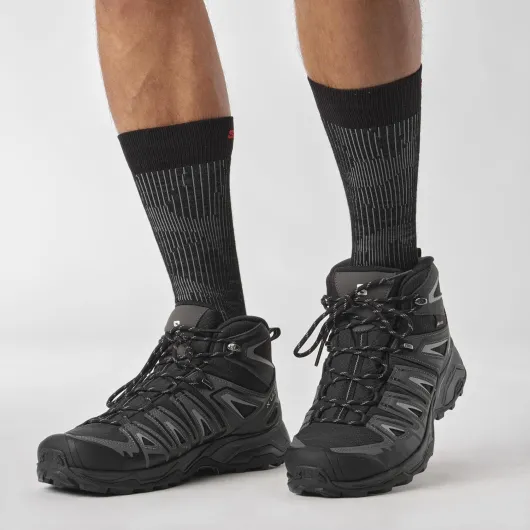
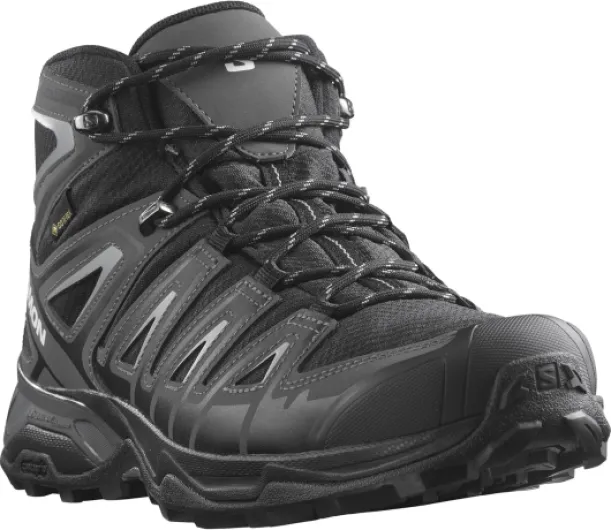
Design-wise, these are fairly clean. The Black Magnet Monument colour is basically various shades of dark grey with black details, so they go with pretty much anything. No bright neon accents like some trail shoes. If you want a boot you can wear in town without looking like you’re about to cross a glacier, this colourway works well.
The shape is slightly narrow in the midfoot with a more normal to slightly roomy toe box. It’s not as wide as Altra or some wide-fit Merrell models, but it’s not a painful racing shoe fit either. I’ve got average-width feet and a slightly wide forefoot; after a couple of outings, they felt fine. If you have very wide feet, you might find them snug, especially with thick socks.
The mid-cut height hits right at the ankle. It gives a bit of support and protection from stones and mud, but it’s not a tall boot that locks your ankle completely. That’s good for comfort and walking naturally, but don’t expect miracle ankle support if you’re carrying a huge backpack. The padded collar is comfortable and didn’t rub my Achilles, even on the first long walk.
Grip-wise, the outsole has medium-depth lugs with a pattern that feels more all-round than super aggressive. On wet pavement and packed dirt it’s solid, on loose mud it’s okay but not spectacular, and on slippery wet rock you still need to watch your step. I’d call the tread good for mixed UK-style conditions: pavements, forest tracks, wet grass, and occasional proper trails. If you’re expecting deep mud or snow all winter, you might want something with chunkier lugs.
Comfort: great out of the box, but size up and change the insole
Comfort was the main reason I tried these, and overall they do well. Out of the box, there was no real break-in period. I did a 6 km dog walk on the first day, then a 12 km mixed trail walk the next day. No blisters, no hot spots, just a bit of normal “new shoe” stiffness around the ankle collar that disappeared after a couple of outings.
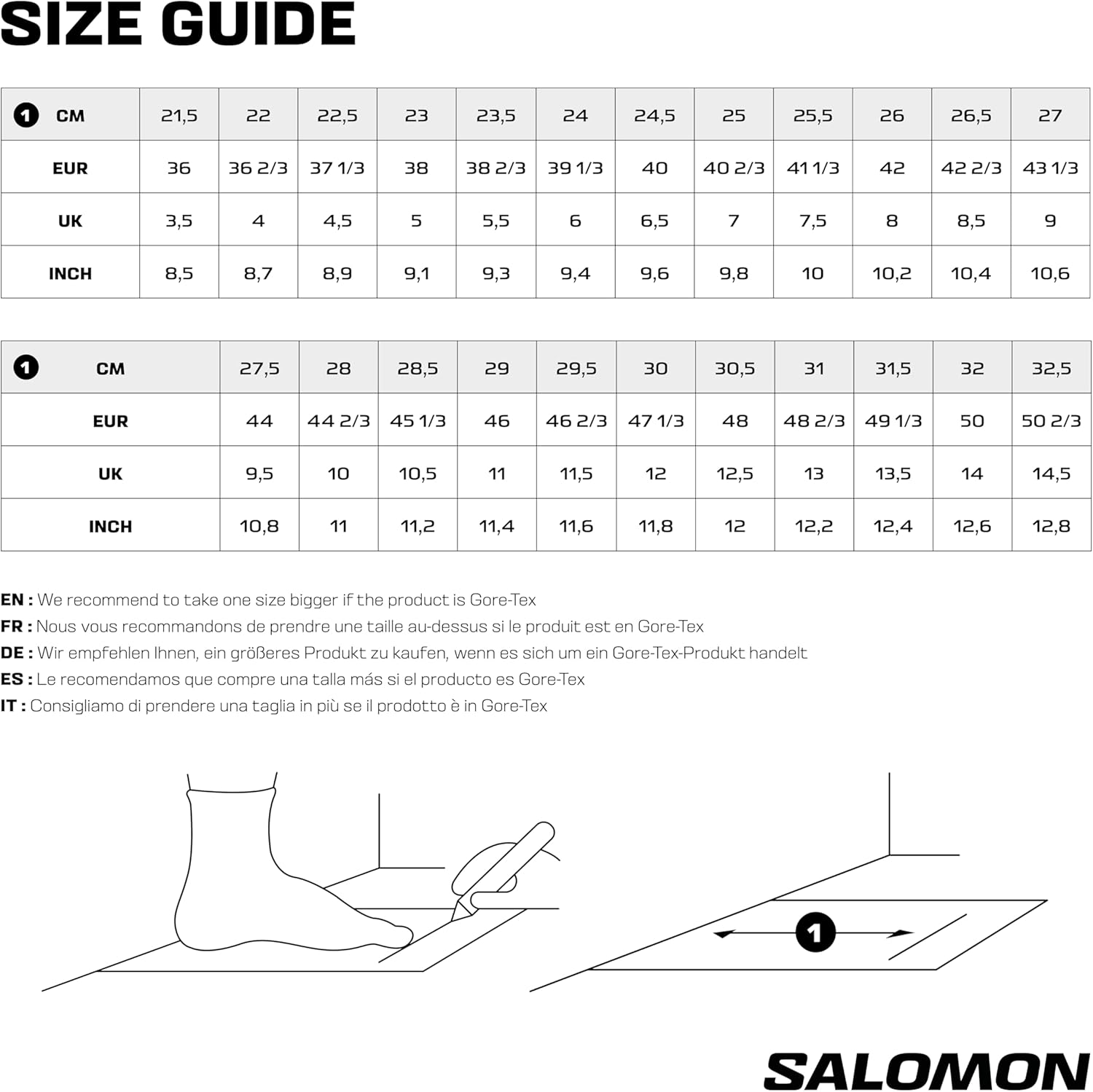
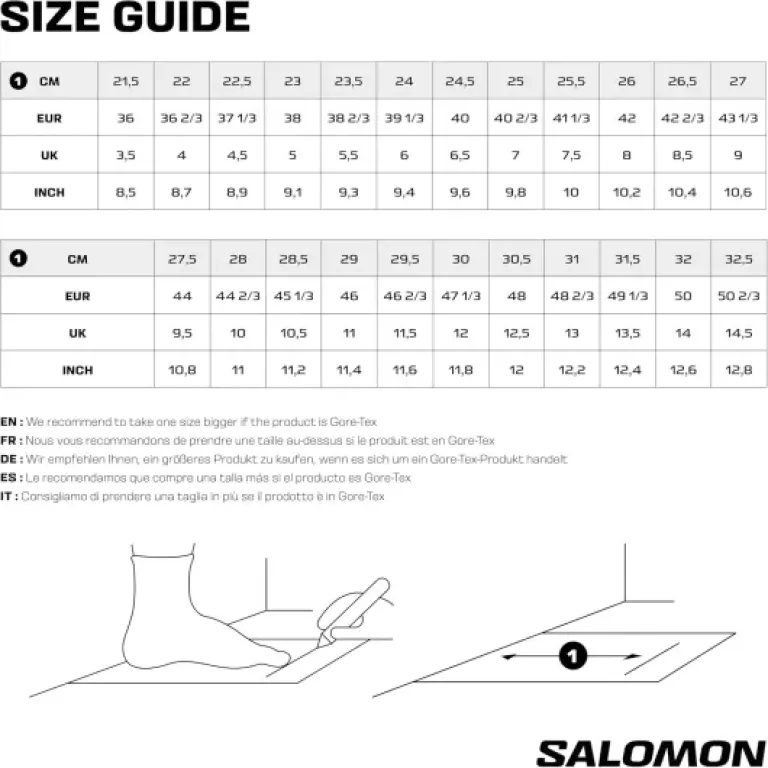
On sizing, I strongly recommend going up half to one full size from your usual street shoes, especially if you wear thick hiking socks. I’m normally a UK 8.5–9 in trainers and went for a 9 in these. Length-wise they were just about okay, but for longer downhill walks I’d probably prefer a 9.5 to give my toes a bit more room. A lot of reviews mention sizing up, and I’d agree – better a bit of extra space than toenails smashing the front on descents.
Cushioning is on the firmer side of comfortable. It’s not bouncy like a running shoe, but there’s enough foam that you can do 15–20k steps on pavement without your feet screaming. One Amazon reviewer who’s a postman mentioned getting 16–20k steps a day in them, and I can see why: they feel stable and predictable underfoot, not squishy. For me, the comfort went from “good” to “very good” once I upgraded the insole to something thicker.
One thing to note: they are not particularly warm. With normal hiking socks in cold, damp autumn weather (around 5–8°C), my feet were okay while moving, but if I stood still for a while I started to feel the chill. So they’re fine for three seasons, but if you want a winter boot for standing around in the cold, you’ll probably want something with more insulation or thicker socks. For active walking and hiking, the temperature balance is fine.
Materials: Gore-Tex works, insole is cheap, rest is decent
Let’s break down the materials because that’s where a lot of the pros and cons sit. The upper is a mix of leather and synthetic fabric. The leather parts give a bit of structure and durability around the toe and sides, while the synthetic panels keep the weight down and help them dry faster. After a few weeks of mud and rain, the upper still looks fine – a quick wipe or brush and they’re presentable again.
Inside, you’ve got a Gore-Tex waterproof membrane. In practice, that means my feet stayed dry walking through wet grass, puddles, and steady rain. I’ve stood in ankle-deep water for a short time and nothing came through. The trade-off is breathability: on warmer days (around 15–18°C and fast walking), my feet got a bit warm and sweaty. Not unbearable, but clearly less breathable than non-Gore-Tex shoes.
The sole is rubber with Salomon’s usual trail-style pattern. The rubber feels reasonably firm, which is good for durability on tarmac but slightly less “sticky” on smooth wet rock. For mixed use (pavement + trail) that’s probably the right compromise. Under the foot there’s foam cushioning and their “Advanced Chassis” for stability. It’s not marketing magic – it just means there’s a firmer bit under the heel to stop you rolling around. It does help keep the heel planted on uneven ground.
The weak link is the stock insole. It’s thin, basic foam and doesn’t add much arch support or cushioning. Several Amazon reviewers said the same and I agree. I swapped it out for a slightly thicker insole with more arch support and the comfort level jumped noticeably. If you buy these, I’d budget for a better insole, especially if you walk long distances or have picky feet.
Durability: good for the mileage, but not indestructible
Durability is always tricky to judge early, but between my use and what other buyers say, a picture starts to form. After several weeks of regular wear – roughly 8–12k steps a day plus some longer weekend walks – the upper still looks in good shape. No stitching coming loose, no peeling around the toe bumper, and the leather parts haven’t scuffed badly. A quick brush after muddy walks keeps them looking fine.
The outsole wear depends a lot on your usage. One Amazon reviewer who is a postman doing 16–20k steps a day on pavement said the sole wears through in about five months. Honestly, that’s a lot of daily abuse on tarmac for any hiking boot. For average users doing a mix of trails and normal walking, I’d expect the soles to last longer than that, but it’s fair to say this isn’t a boot you’ll keep for ten years. The rubber is firm enough to be durable, but not as thick and heavy as old-school leather boots.
The Gore-Tex membrane has stayed fully waterproof so far. No damp spots or leaks. Long-term, Gore-Tex can lose performance if you don’t look after it, so using a suitable cleaner and re-proofing spray now and then is a good idea. One reviewer mentioned doing exactly that after heavy rain and being happy with the results. If you just caked them in mud and never cleaned them, you’d probably shorten their life quite a bit.
Overall, I’d call the durability decent for the weight and price, but not bombproof. If you hammer them every day on hard pavements, expect to replace them roughly once or twice a year. If you’re a weekend hiker and use them casually during the week, they should last a fair while. There are tougher boots out there, but they’re usually heavier and less comfortable straight away.
Performance: solid grip, stable heel, very decent waterproofing
In actual use, these boots do the basics well. Waterproofing is the clear strong point. I’ve walked through wet grass, shallow streams, and heavy rain, and my feet stayed dry every time. The Gore-Tex liner plus the mid-cut height means you can go through puddles up to just below the ankle without worrying, as long as you don’t stand there for ages. If you work or walk a lot in wet conditions (postie, dog walker, etc.), this is a big plus.
In terms of stability and grip, the heel feels nicely locked in. Salomon’s “Advanced Chassis” is just a firmer insert under the heel, but it does the job: on rocky or uneven ground, my heel didn’t roll around. On descents, the reinforced SensiFit hold around the midfoot helps stop your foot sliding forward too much. It’s not like wearing a mountaineering boot, but for moderate trails and typical UK hills, it feels secure enough.
Grip is good but not aggressive. On wet pavement and compact dirt, no issues. On wet grass and light mud, they hold reasonably well, though you can still slide if you’re careless on steep bits. In really sloppy mud, they clog up a bit and you lose some traction – nothing surprising for this style of sole. On rocky paths, the rubber feels firm and protective; you don’t feel every stone poking your foot, which is nice on longer hikes.
For everyday performance, I’ve worn them for commuting, supermarket runs, and general city walking in the rain. They don’t feel overkill, and you can easily forget you’re wearing hiking boots. That’s probably the main selling point: they’re versatile enough to go from pavement to trail without swapping shoes. If you’re looking for something for heavy backpacking, glacier travel, or scrambling, I’d step up to a more technical boot. For day hikes, travel, and dog-walking duty, they handle the job well.
What you actually get with these Salomon boots
On paper, the X Ultra Pioneer Mid Gore-Tex is sold as a mid-height hiking boot that you can also wear daily. You get a mid-top cut, Gore-Tex waterproof lining, rubber sole, leather + synthetic upper, and classic lace-up closure. Mine are the Black / Magnet / Monument colour, which in real life is mostly dark grey/black with a few lighter panels. Nothing flashy, which I like.
The shoe is quite light for a boot: around 410 g per shoe in my size, which matches the spec (0.41 kg). On the foot, they feel closer to a beefy trainer than a stiff boot. There’s no massive heel, the sole is fairly flexible at the forefoot, and the ankle collar has a lot of foam padding. If you hate rigid boots, that’s good news. If you want something that feels like a ski boot, this is not it.
The lacing system is basic but works: traditional laces, no fancy quick-lace here. The eyelets and hooks feel solid, and I haven’t had any slipping so far. The tongue is gusseted high enough to keep out splashes and shallow puddles. The branding is present but not screaming – small Salomon logos on the side and tongue.
In terms of positioning, I’d say these sit below Salomon’s more technical backpacking boots, but above their low-cut trail runners. They’re clearly aimed at day hikes, dog walking, travel, and general bad-weather use, not multi-day alpine trips with a heavy pack. If you go in with that expectation, the whole package makes sense.
Pros
- Comfortable straight out of the box with almost no break-in
- Gore-Tex waterproofing works well in rain, puddles, and wet grass
- Light and versatile enough for both daily wear and weekend hikes
Cons
- Stock insole is thin and unsupportive – almost everyone will want to replace it
- Not very warm for long periods of standing in cold weather
- Sole can wear relatively quickly if used heavily on pavement every day
Conclusion
Editor's rating
Overall, the Salomon X Ultra Pioneer Mid Gore-Tex women’s boots are solid all-rounders. They’re comfortable straight out of the box, properly waterproof, and light enough that you don’t feel like you’re dragging bricks around. For mixed use – dog walks, rainy commutes, weekend hikes, and general autumn/winter wear – they do the job without fuss. If you want one pair of boots that can handle bad weather and still look okay in town, they fit that brief nicely.
They’re not perfect. The stock insole is poor, they’re not very warm for standing around in the cold, and the sole will wear faster if you pound pavements all day. They also aren’t designed for hardcore mountaineering or heavy multi-day backpacking with big loads. But they don’t pretend to be that. They’re everyday hiking boots with a bit of trail-running DNA, and in that role they work well.
I’d recommend them to people who walk a lot in wet climates, want reliable waterproofing and decent comfort, and value versatility over super-technical features. Dog owners, posties, casual hikers, and commuters who hate wet feet will get good use from them, especially if bought on sale and paired with better insoles. If you need maximum ankle support, deep winter insulation, or ultra-long-term durability on rough terrain, you should probably look at heavier, more technical boots from Scarpa, Meindl, etc. For most everyday outdoor use, though, these Salomons are a sensible, no-drama choice.