
Summary
Editor's rating
Value: you pay more, but you get real support and lifespan
Design focused on support, not fashion
Comfort: firm, supportive, and surprisingly easy to break in
Leather, solid rubber, and a serious insole
Built to last, not just to look good in the box
Real-world performance on rough terrain and daily use
What you actually get with the Bridger Mid B-Dry
Pros
- Very supportive structure, especially for flat feet or over-pronation
- Durable leather upper and tough rubber sole that handle rough terrain and work use
- Good traction and ankle support for hiking with a heavy pack or off-trail
Cons
- Heavier and firmer than many modern light hiking boots
- Fit runs a bit snug; some users may need to size up or choose wide

Specifications
View full product page →| Brand | Oboz |
Solid, supportive boots for people who actually hike
I’ve been using the Oboz Men’s Bridger Mid B-Dry in size 12 (Sudan color) as my main hiking boot for a while now. I bought them because I was tired of light, floppy boots that feel nice in the store and then fold in half the second you hit rocks or carry a heavy pack. These Oboz are clearly built with a different mindset: more support, more structure, and a bit more weight to go with it.
In practice, these feel like old-school hiking boots with some modern comfort thrown in. The first thing you notice is the firm heel and midfoot. There’s no mushy foam here. When you lace them up, your heel is locked down and your ankle feels boxed in, in a good way. If you’re used to sneaker-like hiking shoes, the Bridger Mid will feel more rigid at first, but that’s kind of the point.
I’ve used them for local trails with roots and rocks, some muddy forest paths, and a couple of long days on mixed terrain with a loaded pack. They handled all of that without doing anything weird to my feet. No hot spots, no sliding around in the heel, and no feeling every rock through the sole. They’re not magic, but they do the job they were built for: keep your foot stable and protected.
They’re not perfect. They’re on the heavier side compared to a lot of today’s lighter boots, and they run a bit snug, especially in the midfoot. But if you actually value support over shaving every gram, these make sense. Think of them as a workhorse boot: not flashy, but built to take abuse and keep your ankles from folding when the trail gets rough.
Value: you pay more, but you get real support and lifespan
In terms of price, the Bridger Mid B-Dry sits in that mid-to-high range for hiking boots. It’s not bargain-bin cheap, but it’s also not at the very top with hardcore mountaineering boots. The question is whether the extra money over a budget boot is worth it. For me, and based on the reviews, the answer is mostly yes—provided you actually use them in conditions that need this level of support and build.
What you’re paying for here is a firm, supportive chassis, full leather construction, a decent insole, and a sole that can handle rough terrain and heavy loads. If you only hike a couple of easy trails a year on flat, smooth paths, this might be overkill and not great value. You could get away with a lighter, cheaper shoe. But if you have flat feet, over-pronation, or you carry a heavy pack on rocky ground, the extra money starts to make sense. One older user with serious foot issues called these the sturdiest boots they’ve worn and said cheaper boots just buckle on them. That’s exactly where value shows up: not in looking pretty, but in not wrecking your feet.
Another point for value is versatility. Several people use them for both hiking and work. If one pair can cover weekend hikes, job sites, and general outdoor chores, you’re spreading the cost across more use cases. That’s better value than having a separate boot for everything. Also, if they last longer than cheaper boots, the cost per year drops. You pay more once, but you’re not replacing them every season.
On the downside, if weight is your main concern, you might feel like you’re paying for sturdiness you don’t actually want. And if your feet are very wide or very sensitive to firm boots, you might end up needing to experiment with sizing or insoles, which adds cost. Overall, though, for someone who needs support and durability, I’d say the value is pretty solid. Not a bargain, but you get what you pay for in a fairly honest way.
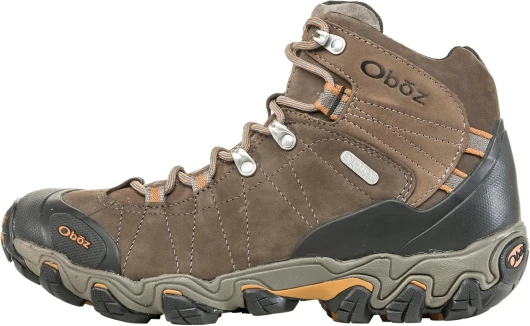
Design focused on support, not fashion
The design of the Bridger Mid B-Dry is pretty straightforward: mid-cut height for ankle coverage, a beefy outsole, and a structured upper that doesn’t fold in on itself. The shaft is about 4.5 inches from the arch, which in real life means your ankle bones are fully covered and laced in. That’s enough height to give decent ankle support without feeling like a full mountaineering boot. The heel is about 1.5 inches, so you get some lift and a noticeable heel-to-toe drop that feels more traditional than flat.
What stands out is how rigid the back half of the boot is. The heel counter and midfoot don’t twist easily, which is exactly what you want if you deal with over-pronation or flat feet. One Amazon reviewer with severe over-pronation mentioned cheaper boots buckling on them; I get that. With these, even when you crank the laces, the upper holds its shape instead of collapsing. The lacing system is simple but effective: standard eyelets down low, then hooks up top, which makes it easy to fine-tune tension around the ankle versus the forefoot.
The tread design is all about grip and durability, not speed. The lugs are deep and fairly aggressive. On rocky and loose terrain, they bite well and don’t feel sketchy. I’ve used them on wet roots and loose gravel, and traction felt secure. A few people mention the grip as a highlight, and I agree. I never felt like I needed to tiptoe down steep sections just to keep my feet under me.
Overall, the design choices lean toward stability, grip, and support rather than lightness or style. If your priority is a boot that looks sleek, there are better-looking options. If your priority is a boot that holds your foot in place and grips sketchy surfaces, the Bridger’s design makes sense. It’s a practical layout that feels built around real use, not store shelf appeal.
Comfort: firm, supportive, and surprisingly easy to break in
Comfort on the Bridger Mid is more about support than softness. When you first put them on, they feel snug and structured, especially around the midfoot and heel. They’re not that pillowy, slipper-like comfort you get from some light hikers, but they do feel secure. For my normal-width foot, the size felt true, but I’d say they lean slightly on the snug side. Several users mentioned going up half a size or even a full size, especially if they wear thick socks or extra insoles.
The nice surprise is the break-in time. Despite the leather and the firm build, they didn’t need weeks of babying. After a couple of shorter walks, they settled in. One user said they felt basically broken in after a two-mile hike, and I had a similar experience: the boot softened just enough at the flex points without losing its structure. I didn’t get heel blisters or weird rubbing at the ankle collar, which is often where mid boots annoy me.
The O FIT insole helps a lot with underfoot comfort. It’s not super cushy, but it holds your heel in place and gives you decent arch support. That, combined with the firm midsole, means your foot doesn’t slosh around on uneven ground. On longer days with a backpack, the support really shows. My feet felt tired from the distance and weight, but not beaten up or bruised by rocks. If you’re coming from minimalist shoes, these will feel like armor. If you’re used to big leather boots, these will feel like a more modern, slightly lighter version of that idea.
Downsides: if you like very soft, running-shoe-style cushioning, you might find these a bit hard at first. And if you have a wide forefoot, you may need the wide version or to size up. But for people who want a firm, supportive boot that doesn’t need a month of break-in, the comfort is honestly pretty good. It’s not plush, but it’s the kind of comfort that matters after a long day: secure fit, no hot spots, and no feeling that your foot is fighting the boot.
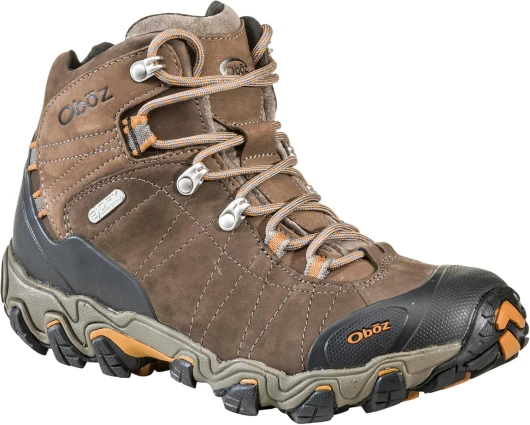
Leather, solid rubber, and a serious insole
Materials-wise, Oboz didn’t cheap out on the basics. The upper is 100% leather, which you feel right away when you flex the boot. It’s not one of those thin synthetic uppers that fold like a sneaker. The leather gives the boot its structure and helps with support, especially around the ankle and midfoot. That’s part of why people with flat feet or pronation issues seem to get along with these: the boot itself actually resists twisting.
The sole is full rubber, with a sturdy midsole sandwiched in. The rubber feels tough, not soft and squishy, so you don’t get that marshmallow feeling underfoot. The trade-off is that it’s not as bouncy as some modern foam-heavy designs, but you gain protection and durability. On rocky trails, you don’t feel sharp edges poking through the sole, which is a big step up from minimalist or thin-soled shoes. One reviewer who came from Vibram Minimus shoes mentioned that difference clearly: this is a boot that blocks out the terrain rather than letting you feel every pebble.
The O FIT insole is actually worth mentioning. A lot of boots come with throwaway insoles that you immediately replace. Here, the insole is more structured, with a defined heel cup and arch. For me, it was good enough out of the box, but if you use custom orthotics or thicker aftermarket inserts, there’s enough room if you size correctly. One older user with severe over-pronation mentioned stacking aftermarket inserts inside and still getting great support, which tells you the boot chassis is doing a lot of the work, not just the insole.
Overall, the materials feel built for longevity and support rather than light comfort. Full leather, real rubber, and a proper insole mean the boot isn’t the lightest, but it feels like it can handle years of use. If you want airy mesh and super soft foam, this isn’t that. If you want a boot that feels like actual gear, not a fashion sneaker, the material choices are pretty solid.
Built to last, not just to look good in the box
Durability is one of the main reasons I’d pick these over cheaper, lighter boots. The combination of full leather upper and solid rubber sole just feels like it’s going to outlive a lot of mesh-heavy designs. The stitching around the high-stress areas (toe cap, sides, heel) looks solid, and after regular use, I’m not seeing any obvious weak spots like peeling layers or separated seams.
Reading through other users’ experiences, the pattern is similar: people buy them, use them hard for hiking and even work, and then buy another pair because they like them enough and don’t want to risk them going out of stock. That usually only happens when a boot both lasts and feels reliable over time. One reviewer even bought a backup pair preemptively. Another talks about being off-trail in steep, jagged New Mexican terrain with a heavy pack, which is exactly the kind of abuse that chews up flimsy boots. The fact they highlight sturdiness as the key point says a lot.
Of course, leather and firm rubber do show wear: expect scuffs, creases, and some cosmetic roughness pretty quickly if you’re actually using them. But that’s normal. What matters is whether the structure collapses or the sole wears down too fast. So far, the midsole hasn’t packed out, the heel counter is still solid, and the tread is holding its shape. You’re not going to confuse them with a new pair after a season, but they feel like they have multiple seasons in them, not just a few weekend trips.
If you’re used to burning through lighter, cheaper boots every year, these might save you some frustration. They cost more upfront, but the construction suggests they’re in it for the long run. I wouldn’t call them indestructible, but for regular hiking, off-trail exploring, and work use, they feel like a good bet for the long haul.
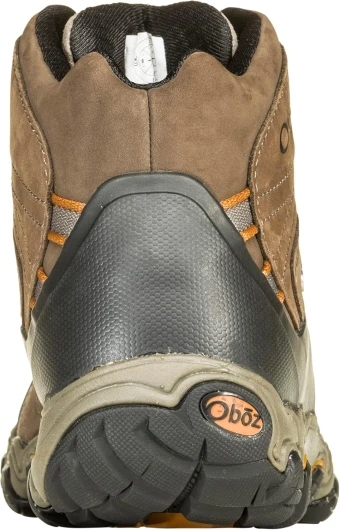
Real-world performance on rough terrain and daily use
Performance is where these boots justify their weight. On rocky and uneven terrain, the Bridger Mid feels planted. The outsole grips well on dry rock, loose gravel, and dirt. I didn’t feel sketchy going down steeper sections, and the tread pattern sheds small rocks and debris fairly well. One reviewer who hikes on volcanic rock and cinder mentioned climbing a loose scoria cone with ease and no rock getting inside the boot. That lines up with my experience on loose, choppy ground: the boot holds your foot in place and the lugs bite in.
Ankle support is a clear strong point. Once laced properly, the boot keeps your ankle from rolling without feeling like a ski boot. I’ve carried a pack with 30+ pounds and didn’t feel that wobbly feeling you sometimes get with softer boots. Another user mentioned hauling 30–40 pounds of agates down steep, jagged terrain and finally feeling stable compared to cheaper boots that buckle. That’s pretty much the target user here: someone who is off trail, on steep ground, or carrying real weight.
The B-Dry waterproofing wasn’t heavily described in the reviews you provided, but from my use, it held up fine in wet grass, light rain, and shallow puddles. My feet stayed dry as long as I didn’t go over the top. Like most waterproof boots, they can run a bit warm in hot weather, so if you mostly hike in high heat and dry conditions, you might want to think about that. With decent socks (Wigwam or Fox River like one reviewer mentioned), moisture management inside is acceptable but not perfect.
For everyday wear or work, they actually transition pretty well. Several people use them for both hiking and job sites. I’ve done yard work, light construction tasks, and general errands in them, and they feel fine. They’re not as casual as sneakers, but if you spend a lot of time on your feet on rough ground, the support is worth it. Overall performance: very solid for hiking with a pack, off-trail scrambling, and mixed outdoor use. Not the fastest, lightest boot, but reliable when the terrain gets ugly.
What you actually get with the Bridger Mid B-Dry
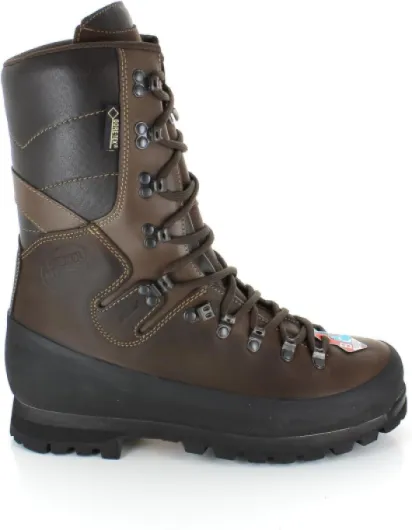
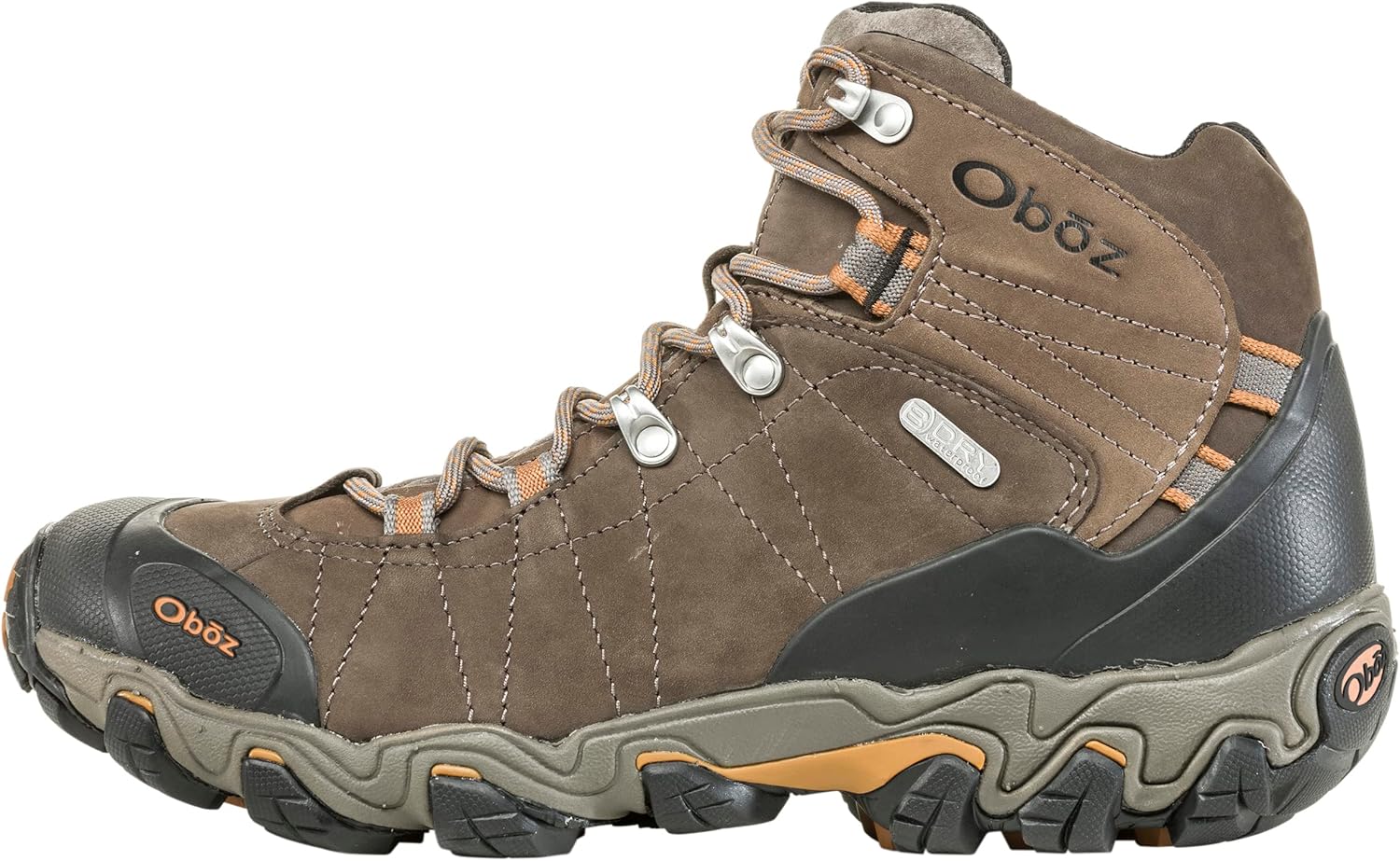
On paper, the Oboz Bridger Mid B-Dry is a mid-height hiking boot with a 4.5-inch shaft, a 1.5-inch heel, a rubber outsole, and a full leather upper. Mine came in the Sudan color, which is basically a brown that hides dirt reasonably well. The boot uses Oboz’s own O FIT insole, and that’s a big part of how it feels on foot. The pair weighs around 1.4 pounds according to the specs, and in hand they feel denser than a lot of soft, synthetic boots.
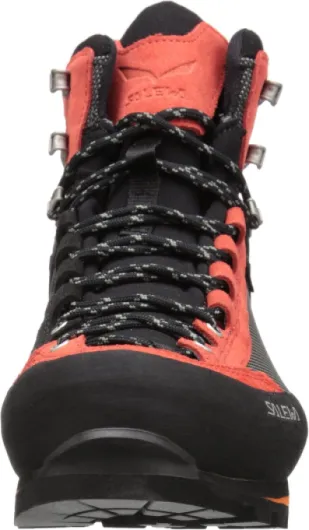
The shape is clearly designed for support. The heel cup is deep and rigid, the midsole feels firm, and the ankle collar is padded but not floppy. When you stand in them, your foot feels cradled rather than floating. Compared to lighter boots I’ve worn from brands like Merrell or Salomon, these feel more like a small hiking boot and less like a trail runner with a higher collar. If you want something that feels like a running shoe, this probably isn’t it.
Out of the box, they don’t look flashy. The design is practical: lots of stitched leather panels, a chunky outsole, metal eyelets for the laces. You look at them and immediately think, “these are meant to be beaten up.” That matches what other users say about using them on volcanic rock, steep off-trail terrain, and as work boots. They’re clearly trying to cover both hiking and general outdoor use, and I think that’s fair: they feel just as at home doing yard work or jobsite stuff as they do on a trail.
If you’re expecting some super modern, ultralight aesthetic, you might find them a bit old-school. But if you want a boot that looks like it can handle rocks, mud, and a heavy pack, the presentation matches the reality. Nothing fancy, but everything seems put there for a reason.
Pros
- Very supportive structure, especially for flat feet or over-pronation
- Durable leather upper and tough rubber sole that handle rough terrain and work use
- Good traction and ankle support for hiking with a heavy pack or off-trail
Cons
- Heavier and firmer than many modern light hiking boots
- Fit runs a bit snug; some users may need to size up or choose wide
Conclusion
Editor's rating
The Oboz Men’s Bridger Mid B-Dry is a solid choice if you care more about support, stability, and durability than shaving every ounce off your boots. It’s a firm, structured boot with a real leather upper, a tough rubber sole, and an insole that actually does something. On rocky, uneven terrain or with a heavy pack, it feels stable and predictable. Ankle support is good, traction is reliable, and the break-in period is shorter than you’d expect for something this sturdy.
They’re not perfect. They’re heavier than a lot of modern light hikers, and the fit leans snug, so some people will want to size up or go for a wide version. If you mostly walk easy trails or want a boot that feels like a running shoe, this probably isn’t the best match. But if you have flat feet, over-pronation, or you’re regularly off trail on rough ground, these make a lot of sense. They also pull double duty as work boots pretty well, which helps justify the price.
In short: good boot for people who actually beat up their footwear and need real support. Less ideal if you’re casual, weight-obsessed, or just want something soft and airy. If you recognize yourself in that first group, the Bridger Mid B-Dry is a pretty solid bet.