Summary
Editor's rating
Value: fair price if you prioritize comfort and ESD over long lifespan
Design: looks like a sneaker, behaves like a work shoe
Comfort: strong point, especially on concrete floors
Materials: synthetic upper and PU sole – light but not indestructible
Durability: good for about a year, then they start to go
Performance: ESD and safety features that actually do their job
What these Timberland PRO Powertrain boots actually are
Pros
- Very comfortable for long days on concrete thanks to Anti-Fatigue cushioning
- ESD compliant and passes static tests, suitable for electronics and controlled environments
- Lightweight alloy safety toe with roomy fit, especially in wide sizes
Cons
- Durability is only medium – many users see wear and separation around the 1-year mark
- Synthetic materials and PU sole won’t handle heavy outdoor abuse as well as leather/rubber boots
- Warranty/support doesn’t seem generous once the shoes are past roughly a year of use

Specifications
View full product page →| Brand | Timberland PRO |
| Department | mens |
| Date First Available | May 5, 2025 |
| ASIN | B0DSBQGPWZ |
| Best Sellers Rank | See Top 100 in Clothing, Shoes & Jewelry |
| Origin | Imported |
| Sole material | Polyurethane |
| Outer material | Microfiber |
Lightweight safety boots that feel more like sneakers
I’ve been wearing the Timberland PRO Powertrain Mid Alloy Toe (black, 2024 version, 10 Wide) as my main work shoes for a while now. My job is mostly standing and walking on concrete floors with regular trips into areas where static and toe protection actually matter. So I wasn’t looking for something pretty; I just wanted a pair that wouldn’t kill my feet by lunch and would pass safety checks without drama.
The first thing that stood out is that these feel more like chunky sneakers than classic work boots. They’re mid-height, lace-up, and the alloy toe doesn’t give that brick-on-your-foot feeling you get with some steel-toe models. Out of the box, I could wear them a full shift without any real break-in period, which is rare for safety footwear in my experience.
My expectations were pretty simple: decent comfort for 8–10 hour days, proper ESD performance, and soles that don’t turn into ice skates on a bit of oil or dust. I’ve used cheaper safety shoes before that were either too stiff, too hot, or fell apart in under a year. So I paid attention to how these held up over weeks: stitching, sole wear, and whether the cushioning flattened out.
Overall, they do the job pretty well, but they’re not perfect. Comfort and weight are strong points. Durability is okay but not top-tier for the price, and I wouldn’t count on the seller or brand to be very generous if something fails after a year, based on my own experience and what I’ve seen from other buyers. If you go in expecting roughly a year of solid use in normal conditions, you’ll probably be satisfied.
Value: fair price if you prioritize comfort and ESD over long lifespan
In terms of value, I’d call these pretty solid but not a bargain. You’re paying for a mix of safety features (ESD, alloy toe), comfort tech (Anti-Fatigue), and a lighter, sneaker-like feel. For that combination, the price is reasonable, especially if your job actually requires ESD compliance. If you don’t need the static protection, you can probably find cheaper safety shoes that will do the job just as well in a regular warehouse.
Where the value takes a hit is the lifespan. If you get roughly a year to maybe a bit over a year of daily indoor use before they start to break down, you’re essentially on a yearly replacement schedule. That’s not shocking for this type of lightweight work shoe, but it’s something to factor in. Heavier leather-and-rubber boots might cost a bit more upfront but last longer if you’re okay with extra weight and a longer break-in.
On the positive side, you’re not wasting time and money on insoles and weird hacks just to make them wearable. Out of the box, they’re comfortable and usable for long shifts. Several reviewers said they needed basically no break-in and could wear them all day right away. That, for me, has value. Sore feet and knees cost more in the long run than the difference between this and a cheaper, uncomfortable boot.
So, value summary: if you work on concrete, need ESD and a safety toe, and care a lot about comfort, the price is justified. If you just want something cheap that protects your toes and you don’t care about static or long days on your feet, there are more budget-friendly options. It’s not the cheapest route, but for the right type of job, it’s a reasonable balance of cost, comfort, and safety.
Design: looks like a sneaker, behaves like a work shoe
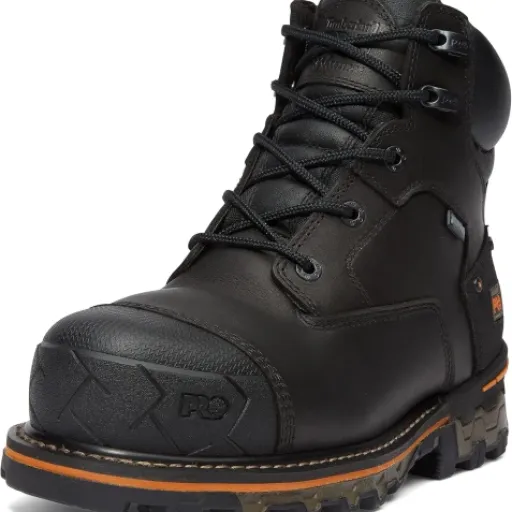
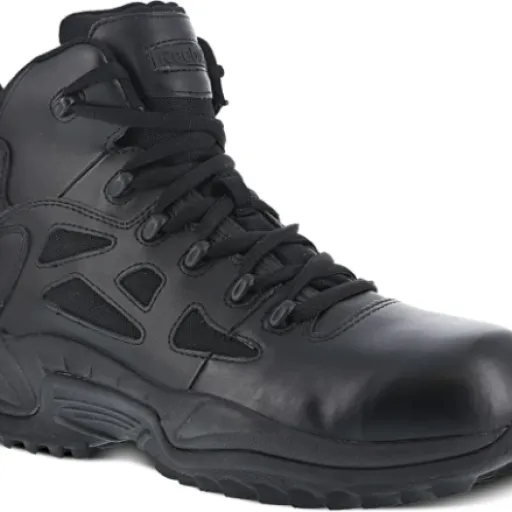
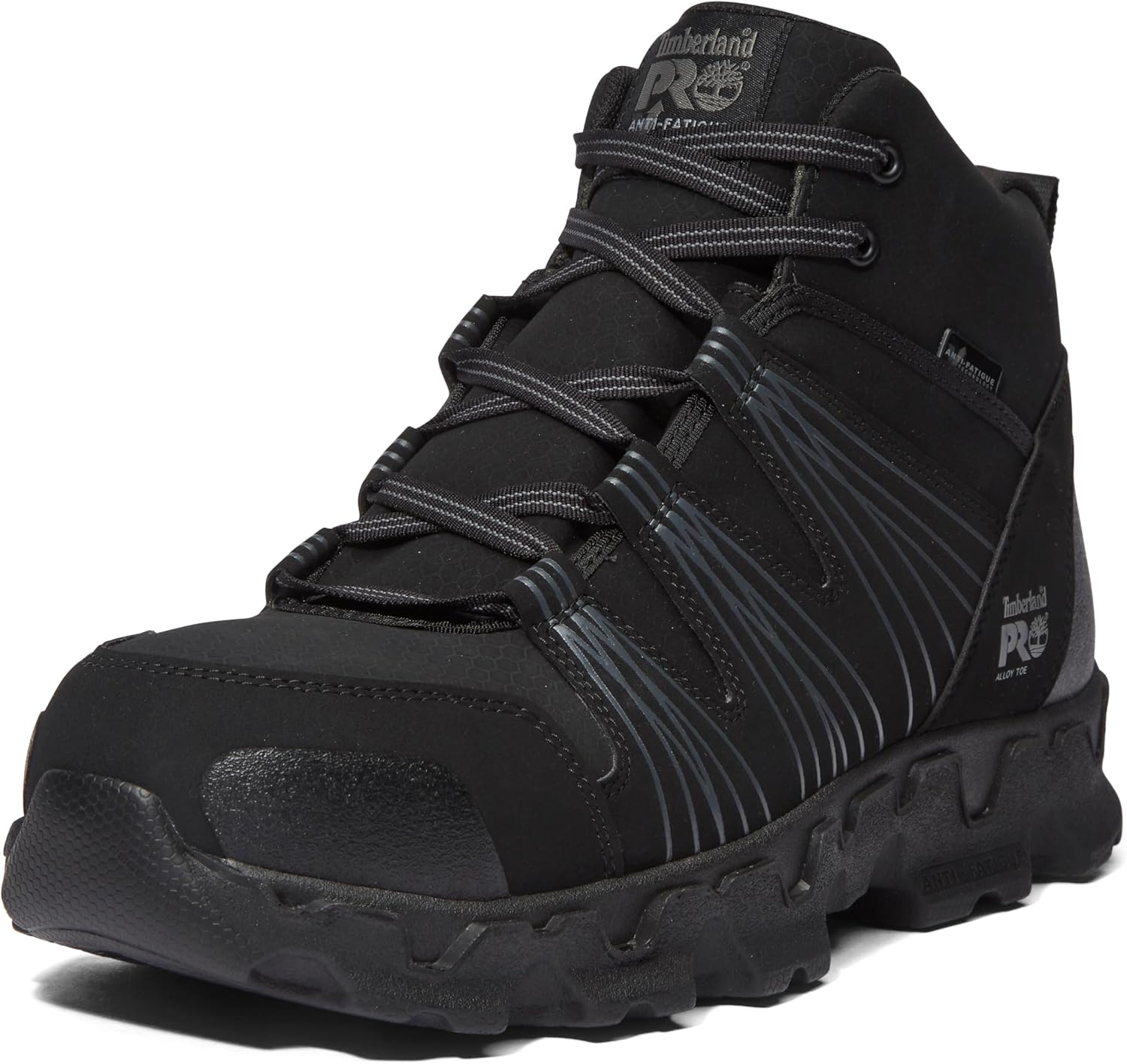
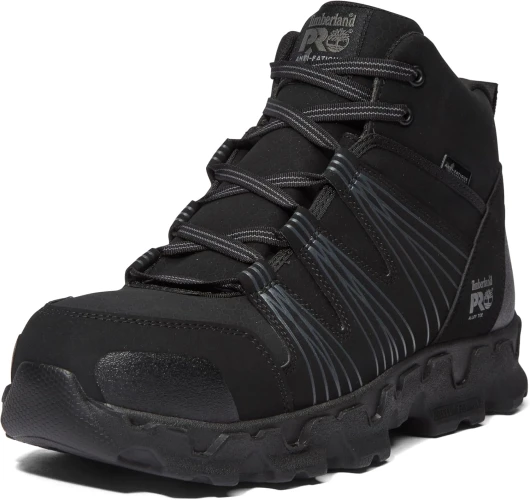
Design-wise, Timberland PRO clearly tried to land between a running shoe and a work boot. It’s a mid-cut, so it comes up just above the ankle bone, but it’s not stiff like a hiking boot. The overall profile is pretty sleek for a safety shoe: black synthetic upper, minimal seams, and no giant steel-toe bump sticking out. That makes them easier to wear with regular work pants without looking like you’re going on a construction site every day.
The lacing system is basic but functional. Standard eyelets, no speed hooks, which I actually prefer for something this light. Once you dial in the tightness, the shoe hugs the foot fairly well. The tongue is padded enough that the laces don’t dig in, even if you pull them tight. There’s a small pull tab at the back that’s handy for getting them on quickly when you’re half-asleep before an early shift.
One design detail I liked is the asymmetrical alloy toe. It gives more room on the outside of the foot and doesn’t crush the toes together. Compared to some older steel-toe boots I’ve had, my pinky toes don’t get destroyed by the end of the day. The toe box does look a little wider than a normal sneaker, but nothing crazy. For safety shoes, it’s pretty standard and actually comfortable if you have wider feet.
If I had to nitpick, the mid-cut design is kind of in-between: you get a bit of ankle coverage, but not true ankle support like a real boot. So if you’re climbing ladders all day or working on uneven ground, this design might feel a bit too “sneaker-like.” For flat warehouse or factory floors, though, the design works well: light, not bulky, and you don’t feel like you’re dragging bricks on your feet.
Comfort: strong point, especially on concrete floors
This is where these shoes are actually pretty solid. The Anti-Fatigue Technology in the midsole doesn’t feel like a gimmick. It’s basically a cushioned, slightly springy feel underfoot that holds up decently through the day. I’m on my feet 8–10 hours, mostly on hard floors, and with these I don’t get that burning heel feeling by the end of the shift. Compared to my older steel-toe boots, the difference in leg fatigue is noticeable after a week of back-to-back shifts.
The insole out of the box is okay, not premium but not trash. It has some arch support, but if you have flat feet or specific issues, you might still want to drop in your own insoles after a while. One Amazon reviewer mentioned swapping insoles around the six-month mark to extend comfort, and that lines up with my experience. Around that time, the insole starts to feel a bit packed down and less cushy. With a fresh pair of insoles, the shoe gets a second life comfort-wise.
The fit in 10 Wide is actually wide, which I appreciate. My forefoot has room to spread without rubbing the sides. The alloy toe doesn’t dig into the top of my toes, and there’s enough volume that you can wear slightly thicker socks in winter without feeling squeezed. Also, I didn’t get any real hot spots or blisters during the first week, which is rare for safety shoes. No real break-in needed; I wore them a full day right away and was fine.
Downsides: they’re not as breathable as true mesh athletic shoes. After a long hot day, my feet are warm, just not destroyed. Also, while people call them “lightweight,” keep in mind they’re still safety boots with an alloy toe. They’re lighter than steel-toe tanks, but not running shoes. If you’ve only worn regular sneakers before, you’ll still feel the extra weight, just less than with classic work boots.
Materials: synthetic upper and PU sole – light but not indestructible
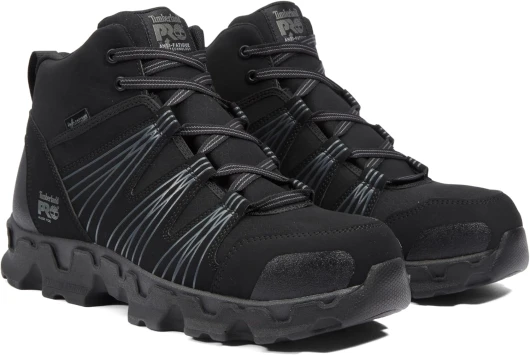
The upper is a synthetic microfiber (Raptek), not leather. In practice, that means a few things. First, it’s lighter and doesn’t soak up water the way cheap leather does. If you get caught in a bit of moisture or have to walk through a wet area, they dry reasonably fast and don’t stay soggy all day. Second, they don’t really need a break-in period; the material flexes pretty well right out of the box. On the flip side, it doesn’t have that long-term toughness of good leather. After several months, you start seeing creases and small signs of wear, especially where the shoe bends at the toes.
The lining is also synthetic with wicking and fast-drying properties. That’s not marketing fluff; my socks do stay drier compared to the old leather work boots I used to wear. On hot days, my feet still get warm, but it’s not swampy. I’ve noticed less smell buildup too, probably because the lining dries out overnight instead of staying damp. It’s not magic, you’ll still want decent socks, but it helps.
The sole is polyurethane (PU). That’s why the shoe feels light and cushioned. It gives good shock absorption, especially when you’re walking a lot on concrete. It’s also rated for slip, oil, and abrasion resistance. On smooth indoor floors, grip has been solid. On slightly oily spots, I’ve had a couple of small slips but nothing dramatic—about what I’d expect from a decent work sole. The downside of PU is long-term wear: it compresses over time and can crack if abused. Around the one-year mark of daily use, you can see the midsole starting to flatten and the tread wearing down.
So in terms of materials, it’s a trade-off: lighter and more comfortable than heavy leather and rubber, but you’re not getting multi-year tank-like durability. If you accept that you’ll probably replace them roughly every year with regular indoor use, the materials make sense. If you want something to last three or four years of hard daily abuse, this is not that shoe.
Durability: good for about a year, then they start to go
Durability is where things are decent but not impressive. With daily indoor use (electronics/warehouse type environment), these hold up nicely for around 9–12 months before you really start to notice wear. The upper doesn’t usually tear right away, but you’ll see creasing and some separation starting where the upper meets the sole near the flex point. One Amazon reviewer said theirs started coming apart at about sixteen months with light use on circuit boards, which sounds about right for this kind of build.
The sole is the main wear point. The polyurethane midsole gradually compresses, and the tread wears down. If you’re walking a lot, you’ll probably feel the cushioning flattening a bit around the 6–9 month mark. Another reviewer mentioned they last about a few years outside and 6–12 months inside, depending on insoles and use. That feels a bit optimistic for heavy use, but with moderate use plus a mid-life insole replacement, you can stretch them past a year if you’re not brutal with them.
One thing that bothered me is the warranty/support side. There’s a review from someone who bought them a second time because of comfort, but after a bit over a year, the shoes came apart and the seller didn’t really back them up. That matches what I’ve seen: once you’re past roughly the one-year mark, don’t expect miracles from customer service. These are basically treated as consumables: you buy them, you get roughly a year of solid performance, then you replace.
If you’re expecting tank-level durability where a pair lasts three or more years of hard daily work, you’ll be disappointed. But if you look at them as comfortable, safety-compliant shoes that realistically give you around a year of good use in indoor/light-duty environments, they’re fine. I’d just budget mentally to replace them on a yearly cycle instead of hoping they’ll last forever.
Performance: ESD and safety features that actually do their job
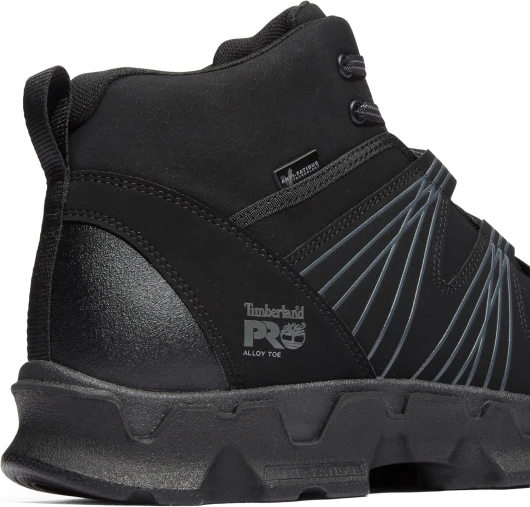
Performance-wise, these are built for ESD environments and toe protection, and on those fronts they deliver. At my workplace, we do regular static checks, and these passed consistently without me needing extra straps or heel grounders. That lines up with the Amazon review from the parent whose son needed them for electronics work. If your job involves circuit boards, sensitive components, or ESD-controlled areas, that’s probably the main reason you’re even considering this model, and it does what it’s supposed to do.
The alloy safety toe meets the ASTM impact and compression standards, and in real life, it feels solid. I’ve had a couple of minor bumps—kicking pallets, catching my toe on carts—and it handled that easily, no pain. It’s also noticeably lighter than steel toes I’ve used before. You still feel the cap when you flex the shoe, but it doesn’t feel like a block of metal strapped to your foot. The asymmetrical shape helps avoid that crushed-toe feeling, especially on the outer toes.
Traction from the polyurethane outsole is decent. On dry concrete, it grips well. On dusty or slightly oily spots, it’s not magical, but it’s better than cheap safety shoes I’ve tried. I haven’t had any scary slips on ramps or smooth warehouse floors. The tread pattern doesn’t hold onto rocks or debris much either, which is nice—no constant scraping your soles on the edge of a pallet to knock gunk off.
Overall performance in daily use: very good for indoor/light-duty work, acceptable for occasional outdoor use, but I wouldn’t pick these for constant heavy outdoor construction or rough terrain. They’re built more for walking and standing in controlled environments than for stomping through mud, rebar, and gravel all day. If you use them for what they’re designed for, they perform well and feel efficient. Push them beyond that and you’ll probably wear them out faster than you’d like.
What these Timberland PRO Powertrain boots actually are
On paper, these are sold as an "industrial athletic work shoe," which is a fancy way of saying they’re safety sneakers with a mid-cut. You get an alloy safety toe, ESD (Electro Static Dissipative) compliance, and Timberland’s Anti-Fatigue Technology in the midsole. The upper is synthetic microfiber, not leather, and the sole is polyurethane, which keeps the weight down compared to a heavy rubber work boot.
They’re clearly aimed at people who work indoors on hard floors: warehouses, factories, electronics assembly, that kind of thing. The ESD feature isn’t just a sticker; it’s actually tested to ASTM standards. I’ve had mine checked during static tests at work and they passed without me needing extra straps or heel grounders, which matches what another buyer mentioned. If your workplace is picky about static, that’s a real plus.
The style is low-key: mostly black, a bit of branding, and they don’t scream “giant work boot.” A couple of people at work thought I was just wearing regular mids with a safety cap. If you hate the big clunky work boot look, these are a bit more discreet. They also come in wide, and my 10 Wide fits like a true wide, not a fake one where only the label is wide and the shoe is still narrow.
In practice, I’d describe them as: safety sneaker feel, boot-level protection on the toe and static side, and medium durability. Not really for hardcore outdoor construction in mud and gravel every day, but very suited to indoor or light outdoor industrial work where you walk a lot and need your feet to survive long shifts.
Pros
- Very comfortable for long days on concrete thanks to Anti-Fatigue cushioning
- ESD compliant and passes static tests, suitable for electronics and controlled environments
- Lightweight alloy safety toe with roomy fit, especially in wide sizes
Cons
- Durability is only medium – many users see wear and separation around the 1-year mark
- Synthetic materials and PU sole won’t handle heavy outdoor abuse as well as leather/rubber boots
- Warranty/support doesn’t seem generous once the shoes are past roughly a year of use
Conclusion
Editor's rating
Overall, the Timberland PRO Powertrain Mid Alloy Toe is a comfortable, safety-focused work shoe that makes sense if you’re on your feet all day in an indoor or light industrial environment. The big strengths are the ESD compliance, the light alloy toe, and the Anti-Fatigue cushioning that actually helps on long shifts. They feel much closer to athletic shoes than to old-school work boots, and the wide fit is genuinely wide, which is a relief if you have broader feet or hate cramped toe boxes.
Where they fall short is long-term durability and support from the seller once you’re past about a year. You can expect roughly a year of solid daily use before you see real wear: compression in the sole, some separation at flex points, and general tiredness of the materials. For the price, that’s acceptable but not impressive. If you’re okay treating them as yearly work gear, they’re a good tool. If you want something that will take three years of abuse, look elsewhere.
Who are these for? People working in electronics, warehouses, or factories who need ESD and toe protection, walk a lot on concrete, and value comfort over bulletproof construction. Who should skip them? Outdoor construction workers, people on rough terrain all day, or anyone who wants a boot to last multiple hard seasons. In short: good comfort and safety for the right job, average lifespan, fair value if you know what you’re buying.