

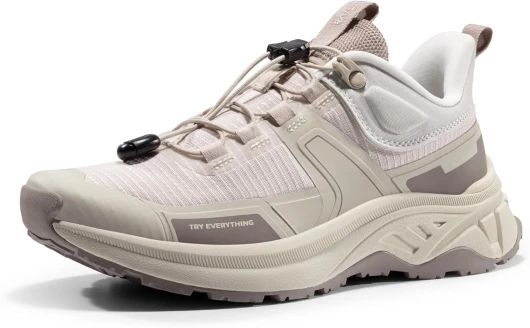
Understanding Flat Feet and Hiking Challenges
Challenges Faced by Flat-Footed Hikers
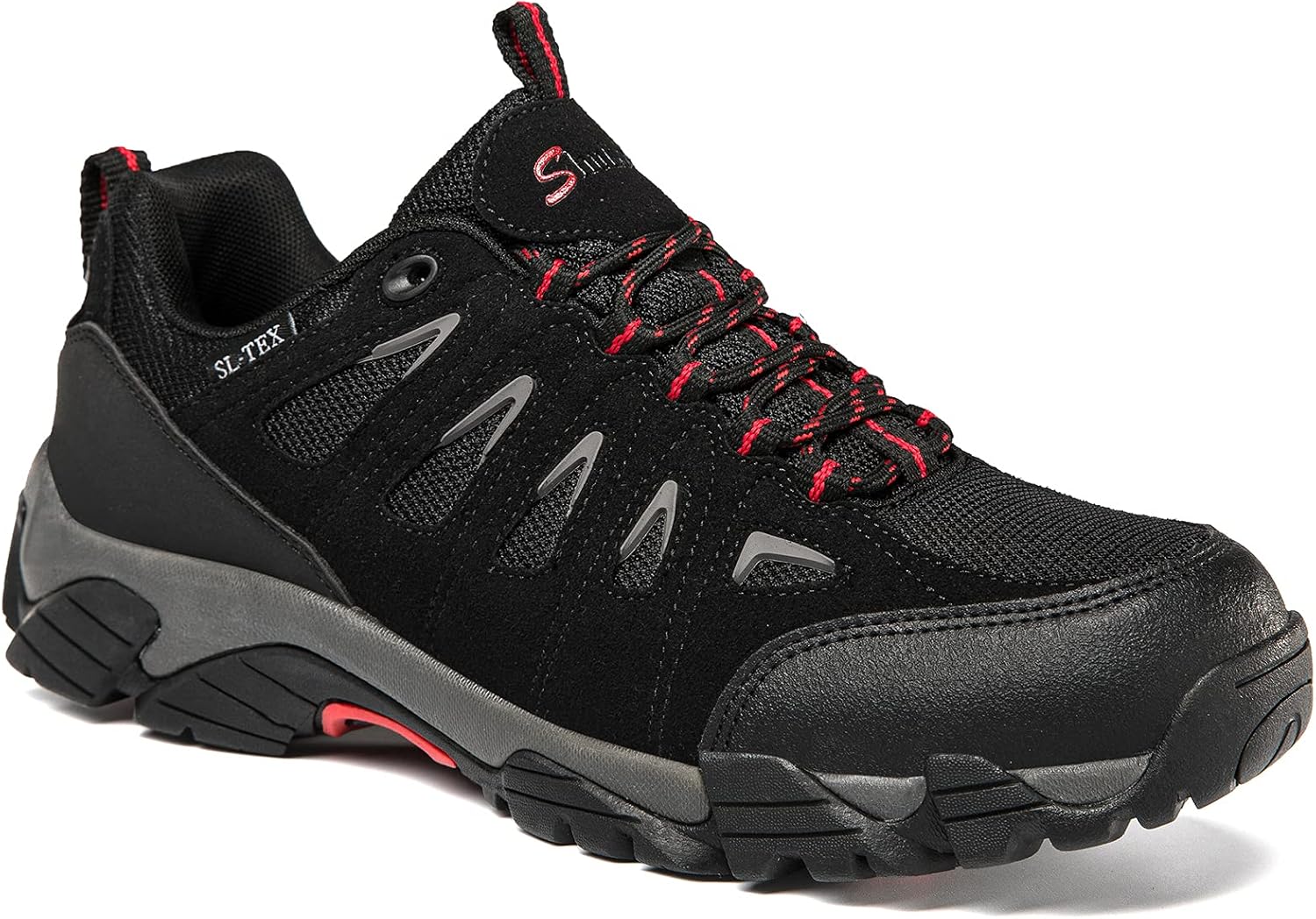
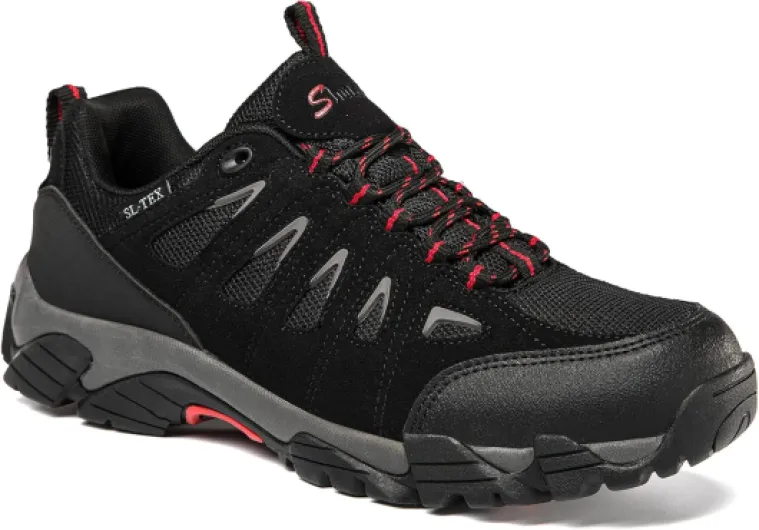
For those with flat feet, embarking on a hiking adventure can present unique challenges that require special attention to footwear. Flat feet, characterized by the arches of the feet lying flat against the ground, can lead to discomfort and even injuries if not properly managed. Flat-footed hikers often face issues with stability and support when trekking across various terrains. This can be particularly problematic during long hikes or on uneven trails where foot support is crucial. The lack of a natural arch means that the body’s weight is not evenly distributed, which can result in sore feet and fatigue over time. In addition, those with flat feet might struggle with finding a shoe that provides an excellent balance of comfort and stability. Traction, heel support, and a suitable toe box are also key considerations to keep feet secure and comfortable through every step of the journey. It is vital for hikers with flat feet to find shoes tailored to their specific needs. This involves seeking a hiking shoe that offers adequate arch support, a sturdy heel, and traction that ensures sure-footedness on low and high trails alike. Understanding these challenges is the first step toward choosing the best hiking shoes that cater to flat-footed individuals, helping them embark on hikes with confidence. To delve deeper into the resilience of hiking boots and their role in supporting flat-footed hikers, explore our detailed exploration. This resource provides insight into the durability and support features that are essential for managing flat feet on the trails.Key Features to Look for in Hiking Shoes
Essential Features for Enhanced Comfort and Support
For hikers with flat feet, choosing the right hiking shoes can make a massive difference in terms of comfort and performance on trails. While exploring the versatility of footwear options, ensure you don't overlook these essential features:- Arch Support: Look for shoes with excellent arch support to prevent overpronation and reduce the risk of pain or discomfort during long hikes.
- Toe Box Space: A roomy toe box is crucial for providing ample space for the feet to naturally spread, ensuring maximum comfort during hikes.
- Heel-to-Toe Drop: Hiking shoes with a lower heel-to-toe drop can promote a more natural gait, benefiting flat-footed hikers.
- Cushioning: Adequate cushioning not only enhances comfort but also provides shock absorption, crucial for different terrains.
- Traction and Stability: Prioritize shoes with excellent grip; this will help maintain stable footing on challenging trails.
- Waterproof Membrane: A GTX or gore tex waterproof membrane helps keep feet dry in wet conditions, crucial for long outdoor adventures.
Top Hiking Shoe Brands for Flat Feet
Leading Brands Crafting Hiking Shoes with Excellent Support
When it comes to finding the best hiking shoes for individuals with flat feet, several brands stand out for their specialized designs and attention to comfort and support. These brands have successfully integrated features that target the low arches, offering relief and enhancing the hiking experience.- Merrell
- Salomon
- Keen
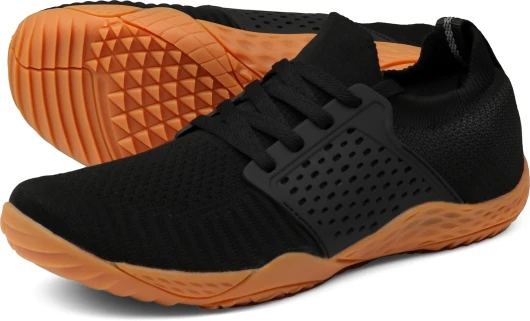
🔥 Populaire
WHITIN
Men's Barefoot Running Shoes - Black/Gum
- + Minimalist design for natural movement
- + Zero drop sole promotes proper posture
- + Versatile cross-trainer for various activities
- + Lightweight for enhanced comfort
- + Durable materials for long-lasting use
★★★★★
★★★★★
4,2/5
—
9949 reviews
See offer

Comparing Popular Models
Comparative Analysis of Popular Models for Flat Feet
When selecting the best hiking shoes for flat feet, comparing popular models can guide your decision. Let's delve into some renowned brands and models that hikers vouch for.- Salomon Ultra: Known for providing excellent traction and support suitable for different terrains, the Salomon Ultra is a favorite among hikers with flat feet. It offers a comfortable fit with its well-cushioned heel and ample toe box space, ensuring that your feet remain comfortable even on long hikes.
- Merrell Moab: The Merrell Moab series stands out with its reliable performance in terms of grip and comfort. These hiking shoes are designed with a low heel toe drop, which helps in keeping the feet stable. They are equipped with a waterproof membrane, making them an excellent choice for damp conditions.
- Keen Targhee: Ideal for both day hikes and long treks, Keen Targhee shoes offer robust arch support and toe protection. With their high-quality construction, these shoes keep your feet secure and comfortable across various trails.
Tips for Choosing the Right Fit
Finding Your Perfect Hiking Shoe Size
- Consider the Terrain: Before purchasing, think about the terrain you'll mostly hike on. Shoes with excellent traction are a must for varied trails. Whether it's heavy-duty hikes or day hikes with friends, ensure your shoes provide comfort and support for different terrains.
- Attention to Toe Box: A wide toe box can accommodate flat feet better, allowing space for natural foot spread. Shoes like the Merrell Moab and Keen Targhee are known for their roomy and comfortable fits.
- Heel and Toe Dynamics: A shoe with a balanced heel-to-toe drop can significantly improve comfort. It's important for the shoe to harmonize with your heel and arch, reducing unnecessary strain.
- Check for Waterproof Features: If you're planning hikes in wet regions, opt for shoes with a gore tex waterproof membrane to keep feet dry and warm.
- Trial Runs: Once you've found your prospective hiking shoes, wear them for a few low impact activities. This will help you gauge their comfort over long periods before committing fully to long hikes.
Finally, always remember that a shoe that seems perfect may require a brief break-in period. So, give yourself time to adjust and ensure they meet your hiking needs efficiently.
Caring for Your Hiking Shoes
Maintaining the Longevity and Performance of Your Hiking Shoes
Caring for your hiking shoes is essential to ensure they remain the best in providing comfort and support during your adventures, whether you're navigating rocky terrain or enjoying day hikes on more gentle trails. Here's how to keep your shoes in top condition:- After-Hike Cleaning: Remove any dirt and debris from your shoes after each hike. A soft brush can help clear mud and dirt from the outsole and between the treads, maintaining the shoe's traction.
- Drying the Right Way: Avoid direct heat sources like radiators or campfires, which can deteriorate the materials. Instead, remove the insoles and allow your shoes to air dry. Stuffing them with newspaper can help absorb moisture and maintain the shape.
- Waterproofing Care: Many modern hiking shoes come with a built-in waterproof membrane, such as Gore-Tex, but it's beneficial to occasionally treat the exterior with a waterproofing spray. This preserves the shoe's water resistance and helps in protecting your feet on a wet trail.
- Inspect and Replace: Regularly check for wear on the heel and toe areas. Uneven wear or compressed insoles can compromise your shoe's support, especially important for those with flat feet. Consider replacing your hiking shoes when they no longer provide the necessary comfort and support, or when the outsole loses its grip.
- Storage: Keep your shoes in a cool, dry place. Avoid storing them in damp or humid environments which can lead to mold growth.